









Red meat often sits at the centre of familiar meals, from quick weekday dinners to comforting classics, yet how often it appears on the plate can quietly shape how the body responds. Some people feel energised by regular servings, while others notice subtle changes over time that are easy to overlook.
Understanding what daily habits may influence helps turn routine food choices into more informed ones without making eating feel complicated.
All information is provided for general interest only and should not be taken as medical or dietary advice. Nutritional needs, health conditions, and responses to specific foods can vary between individuals. Consult a qualified healthcare professional for personalised guidance.
1. Higher Saturated Fat Intake

Red meat naturally contains saturated fat, which can accumulate quickly when consumed daily. This type of fat may affect your cardiovascular system over time if not balanced with healthier fats.
Choosing leaner cuts like sirloin or trimming visible fat can help reduce your saturated fat consumption. Pairing red meat with plenty of vegetables and whole grains creates a more balanced plate that supports better heart health.
2. Increased Iron Intake
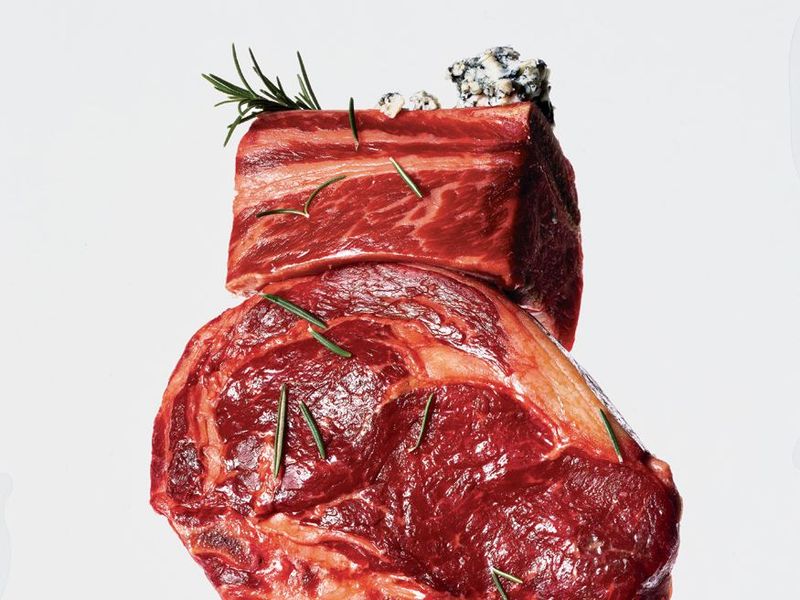
Haem iron from red meat absorbs more efficiently than plant-based iron, making it excellent for preventing anaemia. Your energy levels and oxygen transport improve significantly with adequate iron stores.
People with iron deficiency often notice improvements in fatigue and concentration when adding red meat to their diet. However, excessive iron can be problematic, so balance remains key for optimal health benefits.
3. Higher Vitamin B Twelve Intake
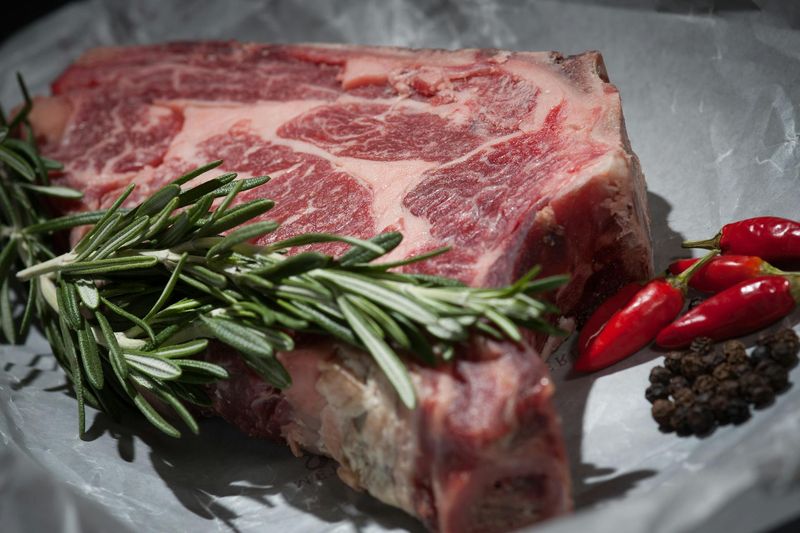
Vitamin B twelve is found mainly in animal-based foods, and red meat provides a reliable source that supports nerve health, red blood cell formation, and normal energy release. Including it regularly can help maintain healthy B twelve levels, especially for people who eat limited amounts of fish, eggs, or dairy.
Feeling mentally sharp and physically energised often links back to getting enough of this essential nutrient. Absorption still depends on individual health factors, so balance across the wider diet remains important.
When paired with a varied intake of fruits, vegetables, and whole grains, red meat can comfortably contribute to steady nutritional support.
4. Increased Protein Consumption
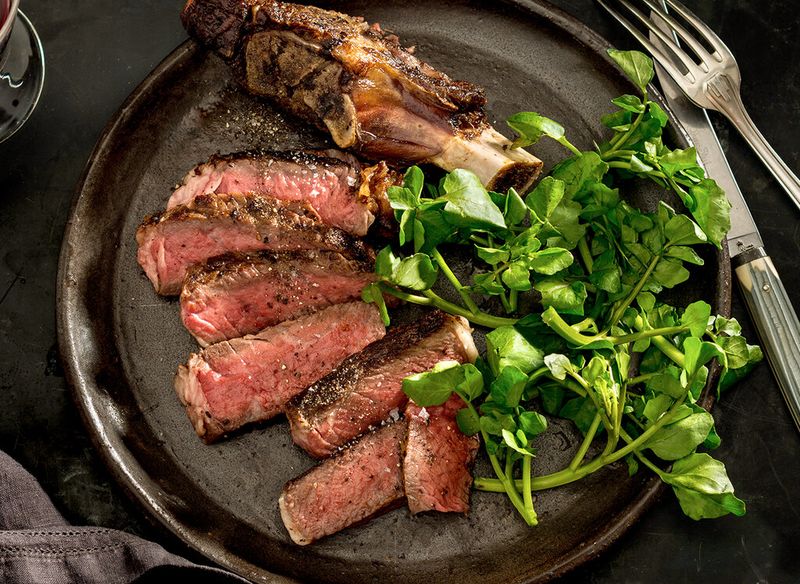
With approximately 25 grams of protein per 100-gram serving, red meat delivers complete amino acids your muscles crave. Protein supports tissue repair, immune function, and helps maintain muscle mass as you age.
Athletes and active individuals often benefit from the high protein content in daily red meat portions. Feeling fuller for longer becomes easier, which can help manage appetite and support weight management goals effectively.
5. Potential Rise In Cholesterol Levels
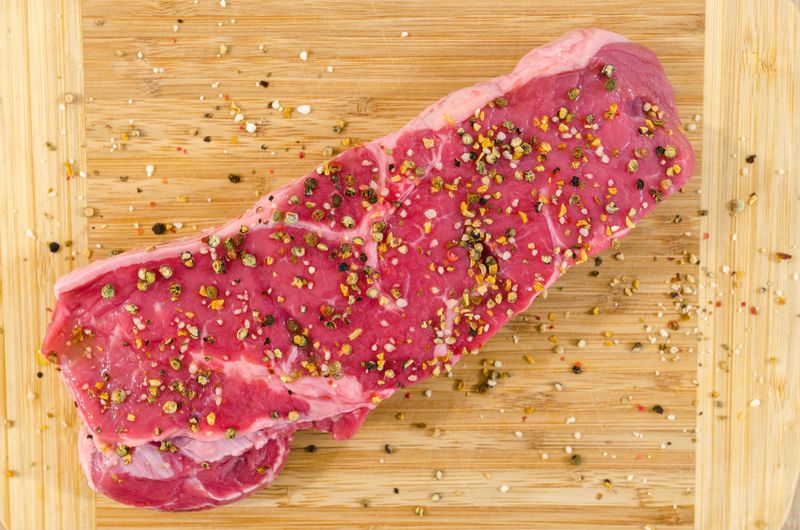
Eating red meat daily can elevate LDL cholesterol, sometimes called "bad" cholesterol, particularly in individuals genetically predisposed to high levels. Monitoring your cholesterol becomes important when consuming red meat regularly.
Not everyone responds identically to dietary cholesterol, so individual variation matters greatly. Combining red meat with heart-healthy foods like oats, nuts, and olive oil may help counterbalance potential cholesterol increases.
6. Increased Sodium Intake From Processed Cuts

Bacon, sausages, and deli meats contain significantly more sodium than fresh red meat due to preservation processes. Excessive sodium consumption raises blood pressure and strains your kidneys over time.
Reading nutrition labels helps identify high-sodium processed meats that should be limited. Opting for fresh, unprocessed red meat cuts dramatically reduces your daily sodium intake whilst still providing nutritional benefits.
7. Greater Calorie Intake Depending On Portion Size
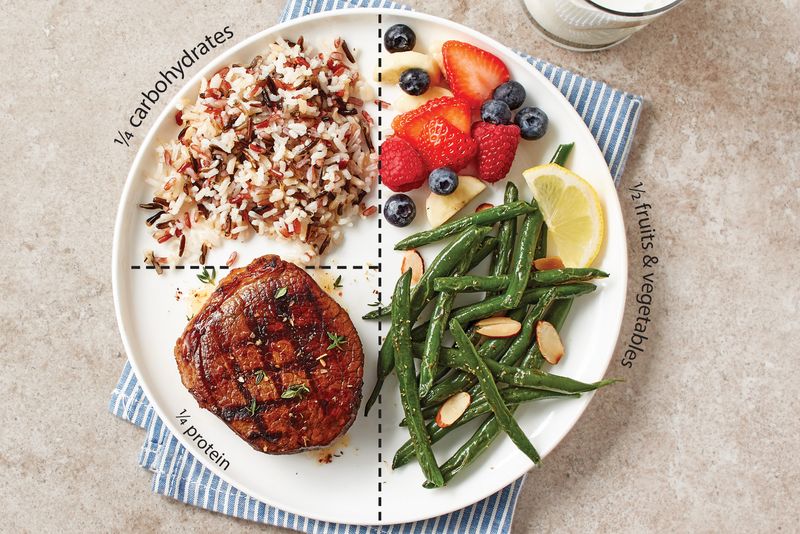
Calorie content in red meat varies greatly depending on the cut, visible fat, and cooking method used. Larger portions and fattier cuts naturally increase overall energy intake, which can quietly add up when eaten daily.
Keeping an eye on portion size makes it easier to enjoy red meat without overshooting your daily energy needs. Filling the plate with vegetables, whole grains, or salads helps create balance and keeps meals satisfying without feeling heavy.
Small adjustments like sharing a larger steak or choosing leaner cuts often make a noticeable difference over time.
8. Possible Reduced Fibre Intake If Plant Foods Are Limited
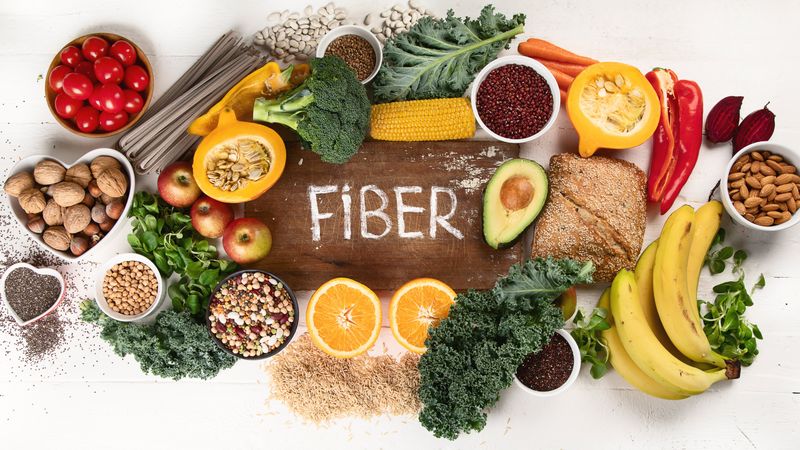
Red meat contains zero fibre, so relying heavily on it may crowd out fibre-rich plant foods from your diet. Adequate fibre supports digestion, feeds beneficial gut bacteria, and helps maintain healthy cholesterol levels.
Balancing daily red meat with fruits, vegetables, legumes, and whole grains ensures sufficient fibre intake. Your digestive system functions best with at least 30 grams of fibre daily alongside protein sources.