






Behind every royal feast lies a story of power, luxury, and a few surprising dishes that might make you raise an eyebrow. From medieval banquets overflowing with game and wine to modern monarchs who prefer simple, home-style meals, the royal diet has changed as much as the crown itself. Take a seat at history’s most exclusive table and discover what Britain’s kings and queens really dined on through the ages.
This article is for general informational purposes only. Food preparation, availability, and dietary habits varied widely across centuries, and modern references are based on historical records rather than current royal practices.
1. Roast Game Meats
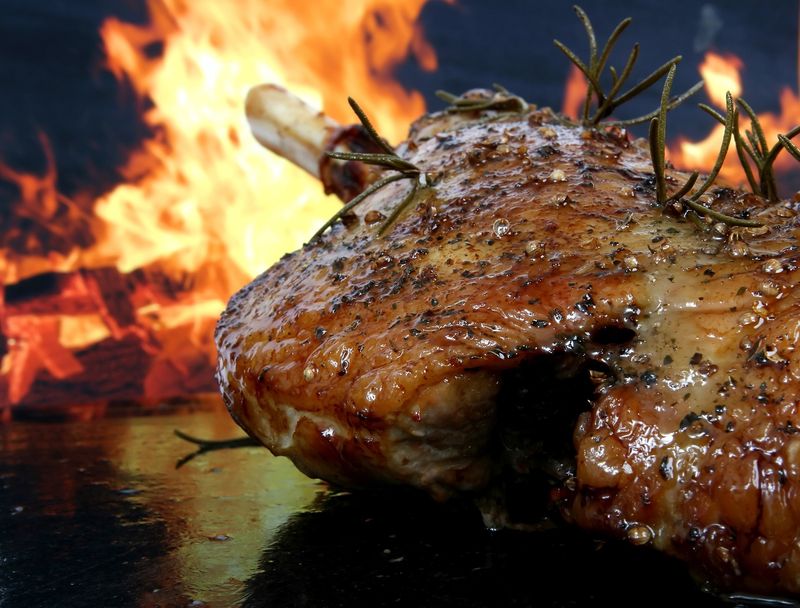
Medieval monarchs adored hunting, and their tables overflowed with venison, wild boar, and rabbit. These game meats symbolised royal privilege since only nobility could hunt on protected lands.
Cooks roasted whole animals over open fires, seasoning them with herbs like rosemary and thyme. The rich, hearty flavours satisfied hungry kings after long days outdoors, making game a centrepiece of royal feasts for centuries.
2. Exotic Spices And Sweetened Dishes
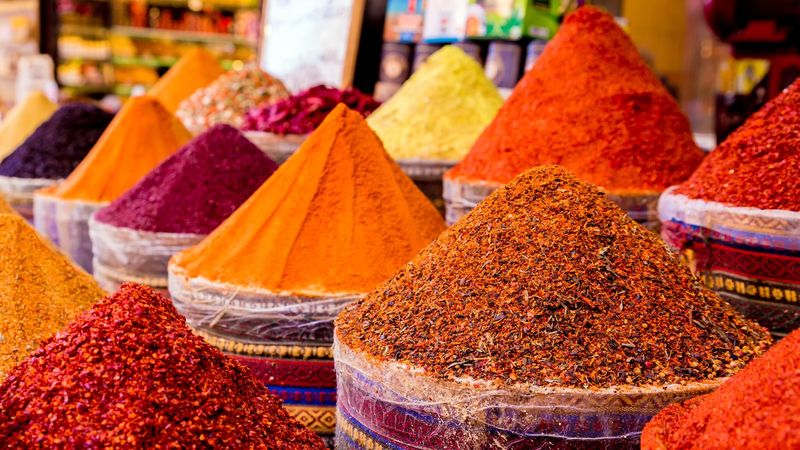
Royal banquets once shimmered with the aroma of imported spices like cinnamon, ginger, and saffron. These ingredients weren’t just for flavour - they showed off the crown’s wealth and global connections.
Cooks often combined spices with honey or sugar, crafting rich sauces and sweet fruit dishes that stood out from everyday meals. It was a delicious way to turn trade and status into edible luxury.
3. White Bread From Wheat
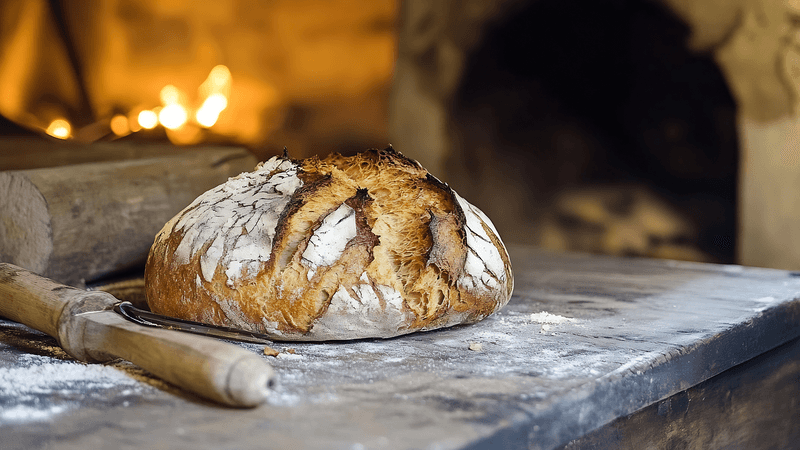
White bread represented the ultimate luxury in medieval England, as only the finest wheat flour produced its pale colour. Common folk ate dark, coarse bread, making white loaves a clear symbol of royal privilege.
Palace bakers worked tirelessly to create perfectly soft, white loaves for their monarchs. The whiter the bread, the higher one's social standing, so queens and kings insisted on the purest flour available throughout their reigns.
4. Roasted Swan And Peacock
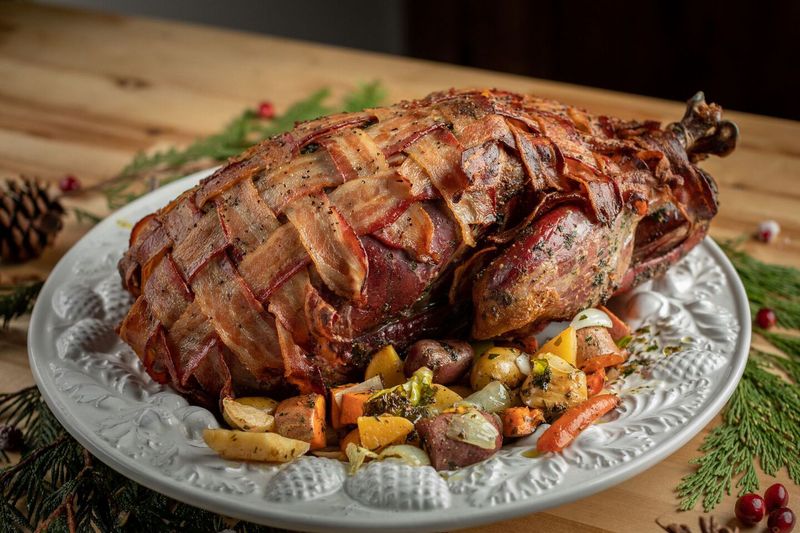
Feasting royals during the Middle Ages often went all out with impressive centrepieces like swan or peacock. These dishes weren’t about everyday dining - they were rare treats saved for special occasions or grand banquets.
The birds were roasted and decorated with bright feathers for show, though the meat itself wasn’t exactly tender or tasty. In the end, it was spectacle, not flavour, that left guests talking.
5. Anglo-Indian Flavoured Dishes
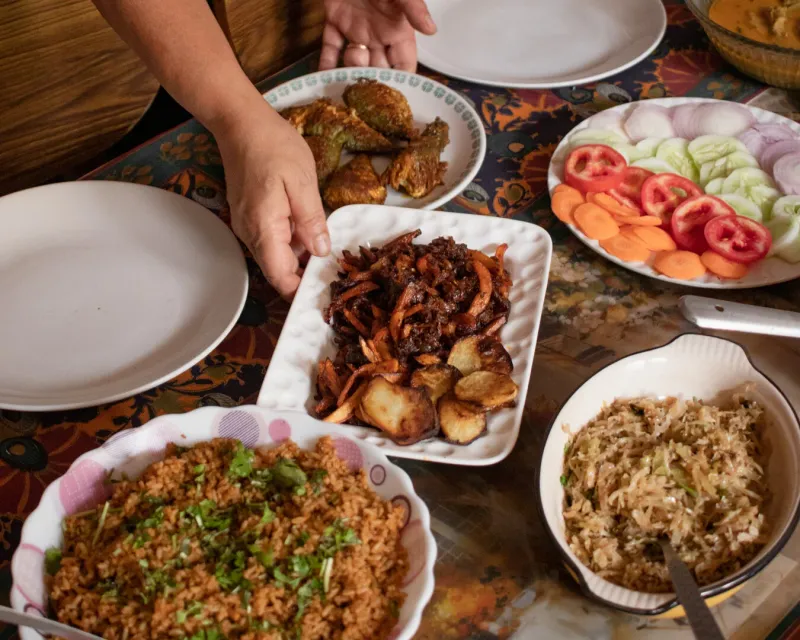
During Queen Victoria’s reign, British kitchens began experimenting with Indian-inspired flavours, thanks to the Empire’s reach. The Queen’s interest in Indian cuisine grew after meeting her servant Abdul Karim, who introduced her to new spices and dishes.
Royal cooks adapted recipes like curries and chutneys to suit British palates, using milder flavours than traditional versions. This marked the start of a long-lasting fascination with Indian food across Britain.
6. Chocolate Biscuit Cake
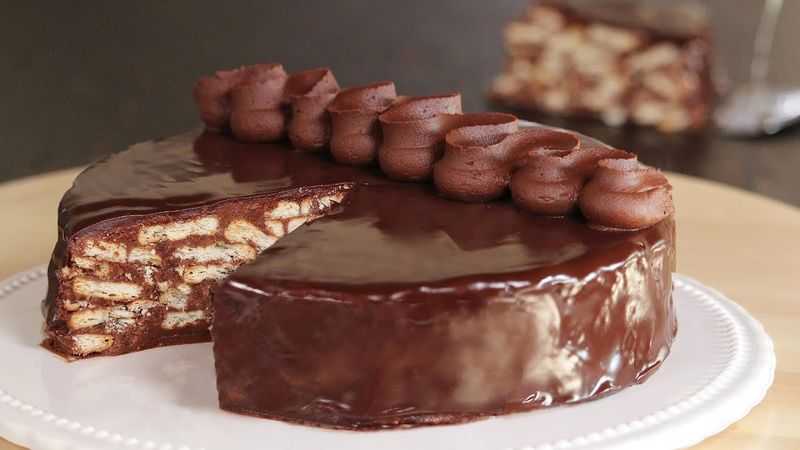
Queen Elizabeth II famously adored chocolate biscuit cake, requesting it at nearly every occasion. This simple yet decadent dessert combined crushed biscuits with rich chocolate, creating a no-bake treat beloved by the modern monarch.
Royal chefs prepared it following a cherished recipe, ensuring the perfect balance of crunch and creaminess. Unlike elaborate historical desserts, this unpretentious cake proved that even queens appreciate straightforward, delicious comfort food.
7. Tea With Light Sandwiches And Scones
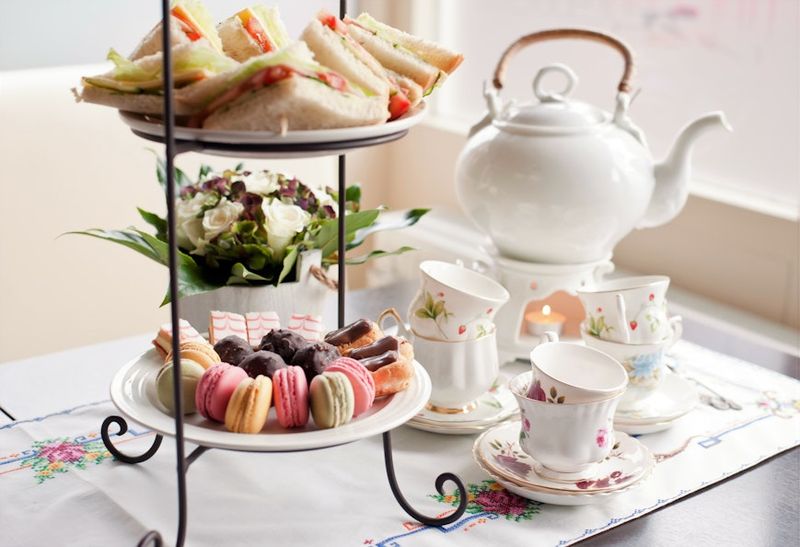
Afternoon tea became quintessentially royal during Queen Victoria's era, featuring delicate finger sandwiches, freshly baked scones, and perfectly brewed tea. This civilised ritual provided a light meal between lunch and dinner whilst encouraging polite conversation.
Royal tea services included cucumber sandwiches, jam and clotted cream for scones, and dainty pastries. The tradition continues today, representing British refinement and hospitality at its finest.
8. Jellies And Elaborate Desserts
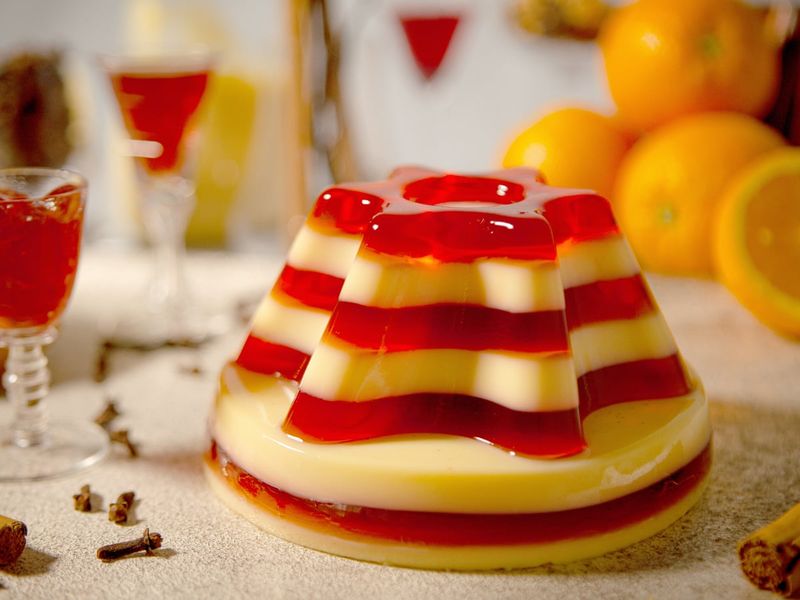
Victorian royals marvelled at elaborate jellies shaped into castles, flowers, and fantastical designs using intricate moulds. These wobbly desserts required tremendous skill and patience, often taking hours to set properly in layers of different colours.
Cooks flavoured them with fruits, flowers, and even savoury ingredients for meat jellies. These shimmering creations provided visual entertainment and sweet satisfaction, proving that presentation mattered just as much as taste at royal tables.
9. Pottage And Medieval Stews
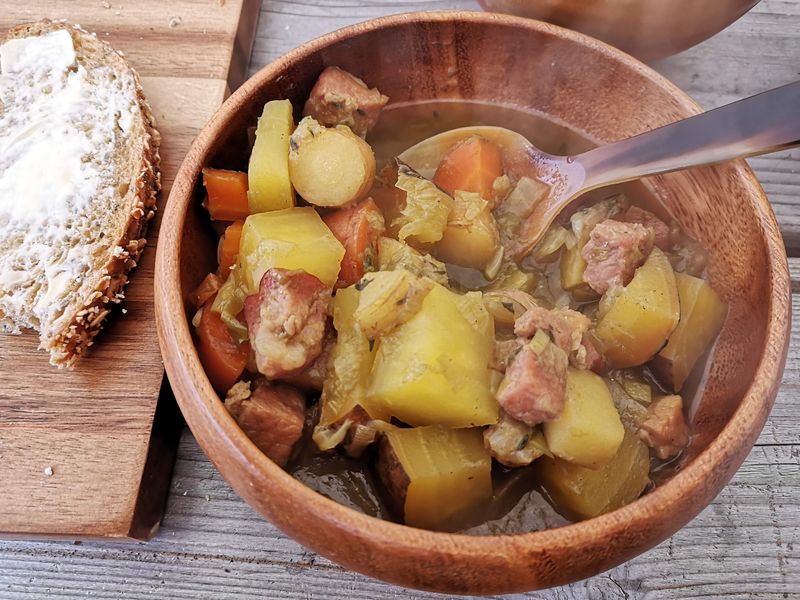
Before elaborate banquets became standard, early medieval monarchs regularly consumed pottage - a thick, hearty stew made with whatever ingredients were available. Vegetables, grains, and sometimes meat simmered together for hours, creating nourishing one-pot meals.
Even kings appreciated this comforting dish during everyday meals, though royal versions contained finer ingredients than peasant pottage. It represented practical sustenance in an era when food preservation and availability presented constant challenges.
10. Venison Pasties And Meat Pies
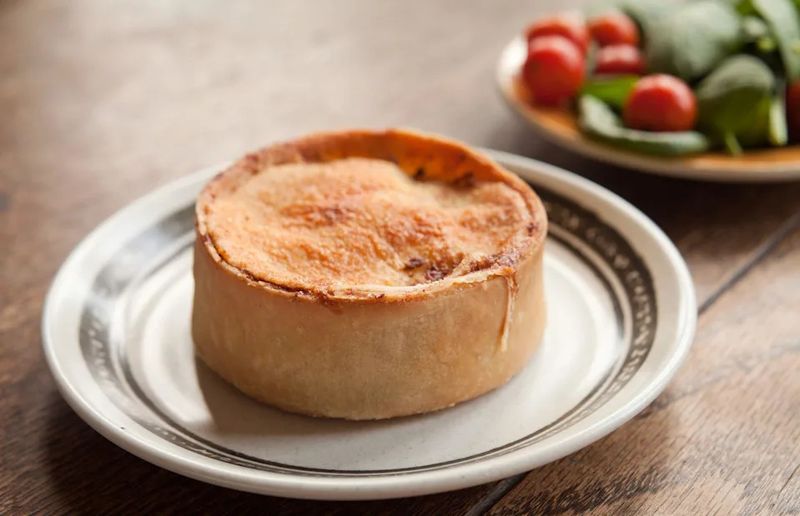
Pastry-encased meats provided portable feasts for travelling monarchs and hunting parties. Venison pasties and elaborate meat pies combined game, spices, and rich gravies within buttery crusts, creating satisfying handheld meals fit for royalty.
Bakers crafted decorative pastry lids featuring royal coats of arms and intricate designs. These practical yet impressive dishes bridged the gap between everyday eating and ceremonial dining, remaining popular across centuries of British royal cuisine.