



When the lights went out during the winter blackouts of the 1970s, British families had to get creative in the kitchen. Power cuts were unpredictable and often stretched for hours, which meant cooking had to be quick, practical and entirely reliant on whatever could be made without modern appliances.
From tinned staples warmed over camping stoves to simple comfort meals that needed little more than a kettle or a bit of ingenuity, these blackout-era dishes reveal how households adapted during one of the most challenging periods in recent British history.
They might not all be glamorous, but they tell a fascinating story of resilience, resourcefulness and proper make-do spirit.
This article is for general information only. Food habits and availability varied widely across regions and households. Photos are for illustrative purposes only.
1. Tinned Soup Heated On A Camping Stove
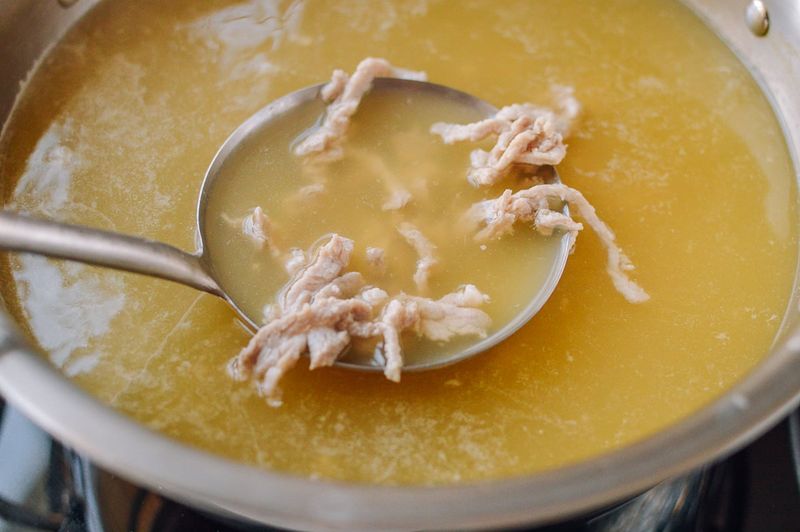
Picture this: the lights go out, the radiators click off, and suddenly your kitchen becomes an impromptu camping expedition. Families dragged out dusty camping stoves from garden sheds and set them up on kitchen worktops to heat tins of Heinz tomato soup or oxtail broth.
It wasn't gourmet, but it was hot, filling, and comforting when everything else felt uncertain. The ritual of warming soup by candlelight became oddly cosy, turning a crisis into something almost adventurous. Plus, tinned soup could sit in the cupboard for ages without going off, making it the perfect emergency standby.
2. Beans On Toast Made Over A Gas Hob Or Open Flame
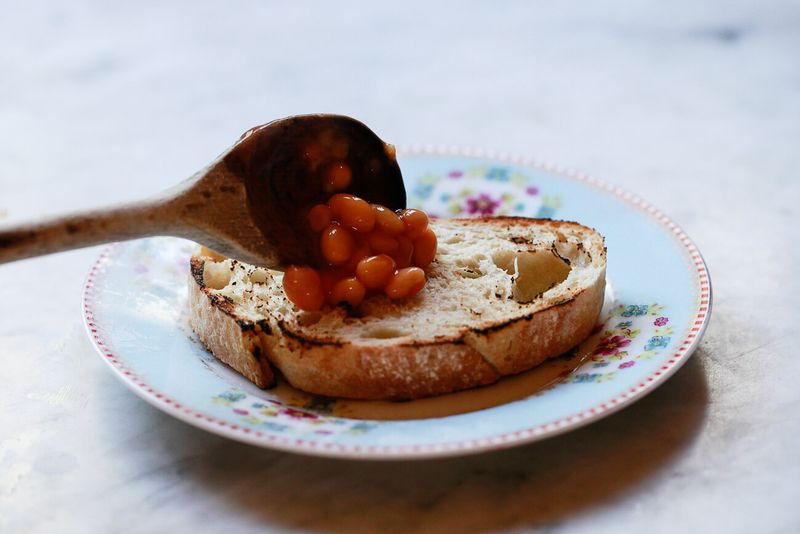
Nothing says British comfort food quite like beans on toast, and during the blackouts, this humble dish became a national lifeline. Those lucky enough to have a gas hob could still cook, whilst others improvised by holding bread on long forks over open flames or even fireplace embers.
Heinz baked beans were already a cupboard staple, cheap and packed with protein. The combination of warm beans and crispy toast felt like a proper meal, even when prepared in near darkness. It's funny how something so simple can feel like a feast when the chips are down.
3. Spam Or Corned Beef Sandwiches
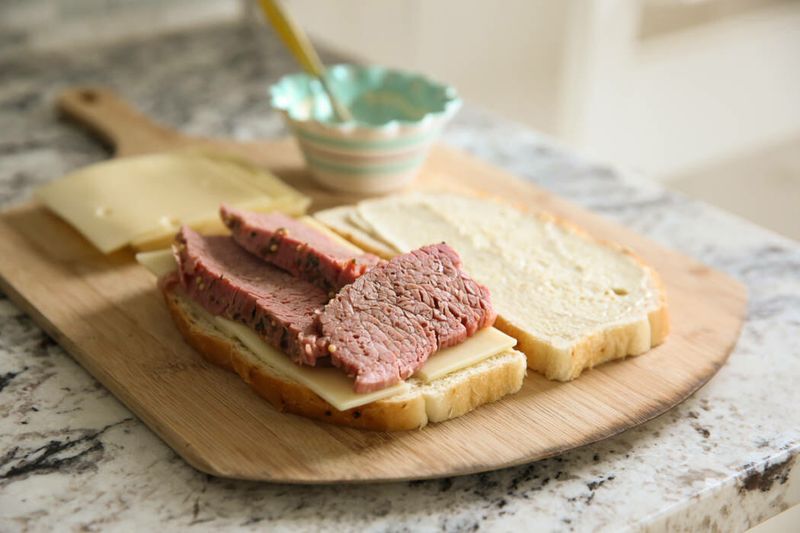
When cooking wasn't an option at all, tinned meat stepped up to the plate. Spam and corned beef had been wartime heroes, and they made a comeback during the energy crisis of the seventies.
Both could be sliced straight from the tin and slapped between two pieces of bread with a bit of pickle or mustard. No heat required, no fuss, just pure convenience.
Whilst they might not win any culinary awards today, back then they were reliable, affordable, and surprisingly tasty when you were genuinely hungry and the cupboard was running low.
4. Tinned Rice Pudding Or Custard

Dessert during a blackout? Absolutely. Families weren't about to let a little thing like no electricity stop them from having something sweet after their makeshift meal.
Ambrosia creamed rice pudding and Bird's custard came in tins that could be eaten cold or gently warmed over a camping stove. The creamy, comforting texture made it feel like a proper pudding, even if it came straight from a can.
Kids especially loved it, and it gave a sense of normality when everything else felt topsy-turvy. A spoonful of sweetness went a long way.
5. Cold Meat And Pickles From The Larder
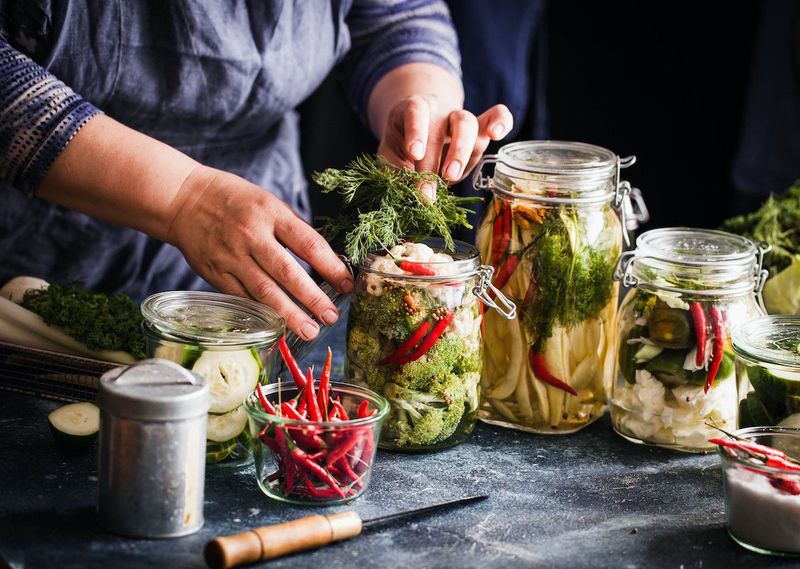
Before fridges became indispensable, British households relied on cool larders to store perishables. During the blackouts, these old-fashioned pantries proved their worth once again.
Cold cuts like ham, tongue, or pork pie were paired with pickled onions, Branston pickle, or chutney for a no-cook supper. It wasn't fancy, but it was filling and required zero preparation beyond slicing and plating.
The tangy pickles added a punch of flavour that made the simple fare feel more satisfying. Sometimes, the old ways really are the best ways.
6. Instant Mash Prepared With Kettles Or Boiling Water
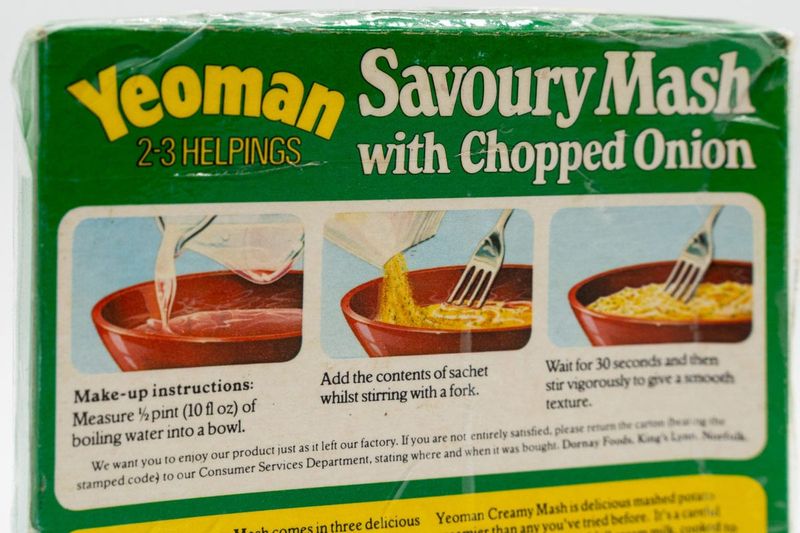
Long before it became the butt of jokes, Smash instant mashed potato was a genuine lifesaver during the winter blackouts. All you needed was boiling water from a kettle heated on a gas hob or camping stove, and you'd have mash in minutes.
It wasn't quite the same as proper spuds, but it was warm, starchy, and went brilliantly with tinned meat or baked beans. The convenience factor was unbeatable when time and energy were in short supply. Plus, kids found the powdery flakes oddly fascinating, which made mealtimes a bit more entertaining.
7. Cheese And Crackers As A No Cook Standby

Sometimes, the simplest solutions are the smartest. When the power went out and the cupboards were looking bare, a chunk of cheddar and a packet of water biscuits or cream crackers became an instant meal.
Cheese kept reasonably well without refrigeration, especially the hard varieties like mature cheddar or Red Leicester. Paired with crackers, it was filling enough to tide you over until the lights came back on. Add a bit of pickle or an apple from the fruit bowl, and you had something that felt almost civilised despite the chaos outside.