










Food reflects the era we live in, influenced by availability, affordability, and popular trends. Baby Boomers grew up in post-war Britain, where convenience and hearty comfort foods were central to everyday meals.
In contrast, Gen Z favours global flavours, plant-based options, and visually appealing dishes perfect for sharing online.
The change from tinned meats and traditional puddings to avocado toast and bubble tea highlights how British eating habits have evolved over the decades.
This article is for general informational purposes only and should not replace professional dietary advice. Individual tastes and nutritional needs may vary. Photos are for illustrative purposes only.
1. Baby Boomer Childhood Classics

Growing up in the decades following World War Two meant making do with what was readily available and affordable. Rationing had only just ended, so families relied heavily on tinned goods, simple carbohydrates, and filling meals that could stretch a tight budget.
Boomers remember teatime spreads of white bread sandwiches, wobbly jellies, and hearty puds that kept bellies full without breaking the bank. These dishes weren't flashy, but they were reliable, comforting, and deeply woven into the fabric of British family life during a time of rebuilding and recovery.
2. Spam And Tinned Meats
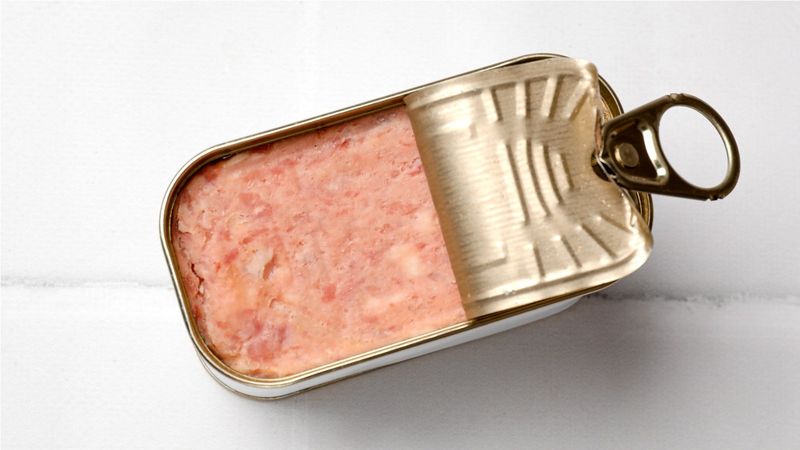
Back when fresh meat was pricey and refrigeration wasn't universal, tinned meats became a kitchen staple across Britain. Spam, corned beef, and tinned ham were sliced thick, fried up, or tucked into sandwiches without much fuss.
Boomers didn't question it because everyone ate the same way, and these tins offered protein that lasted for ages on the shelf. Today's Gen Z might wrinkle their noses at processed mystery meat, but back then, it was simply dinner sorted.
3. Jelly And Custard Desserts

Few puddings scream retro Britain quite like a bowlful of wobbly jelly crowned with thick, sweet custard. Made from powder or cubes mixed with boiling water, jelly was cheap, colourful, and endlessly popular at birthday parties and Sunday dinners alike.
Custard, whether tinned or made from Bird's powder, added richness and warmth to the wobbly base. Gen Z might prefer chia pudding or yoghurt parfaits, but Boomers remember this combo as the height of dessert luxury during their childhood years.
4. White Bread Sandwiches With Processed Fillings
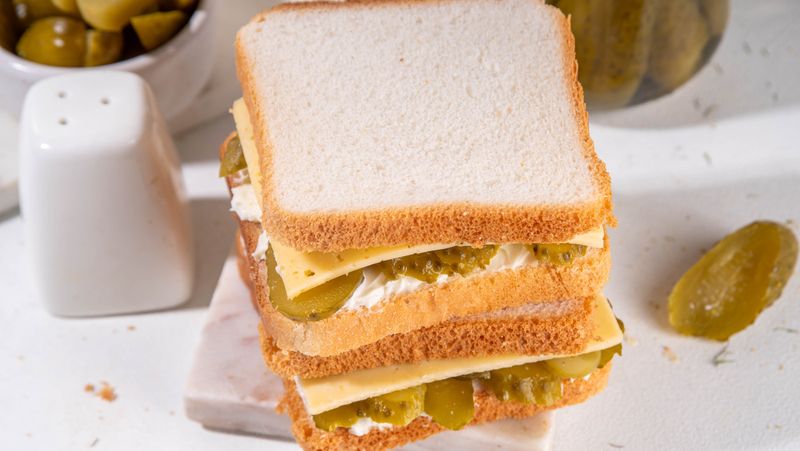
Sliced white bread was the undisputed king of the British lunchbox, soft and squishy and perfect for spreading. Fillings ranged from processed cheese slices to tinned sandwich spreads, potted meat, or a smear of margarine with a sprinkle of sugar for the truly skint.
Nutrition wasn't the priority; convenience and cost were what mattered most. Gen Z, with their sourdough and artisan bakeries, might find it hard to imagine a childhood fuelled almost entirely by Sunblest and Dairylea, but that's exactly how millions of Boomers grew up.
5. Fish Fingers And Mashed Potato
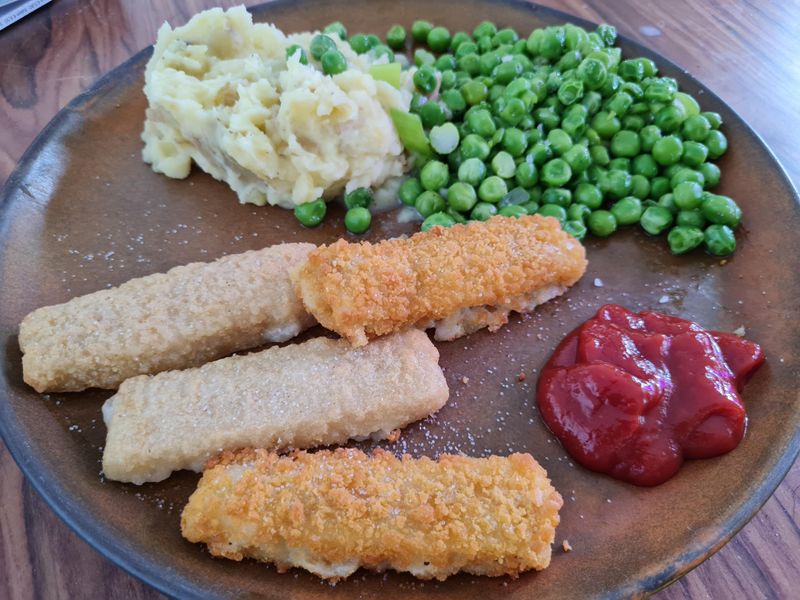
Captain Birdseye became a household hero when fish fingers landed in British freezers during the 1950s. Crispy, reliable, and beloved by fussy eaters, they paired perfectly with a mountain of buttery mash and a handful of tinned peas on the side.
This meal was quick, filling, and required zero culinary skill, making it a weeknight saviour for busy mums. Gen Z still eats fish fingers occasionally, but they're more likely to reach for salmon poke bowls or vegan alternatives when craving something from the sea.
6. Classic British Puddings
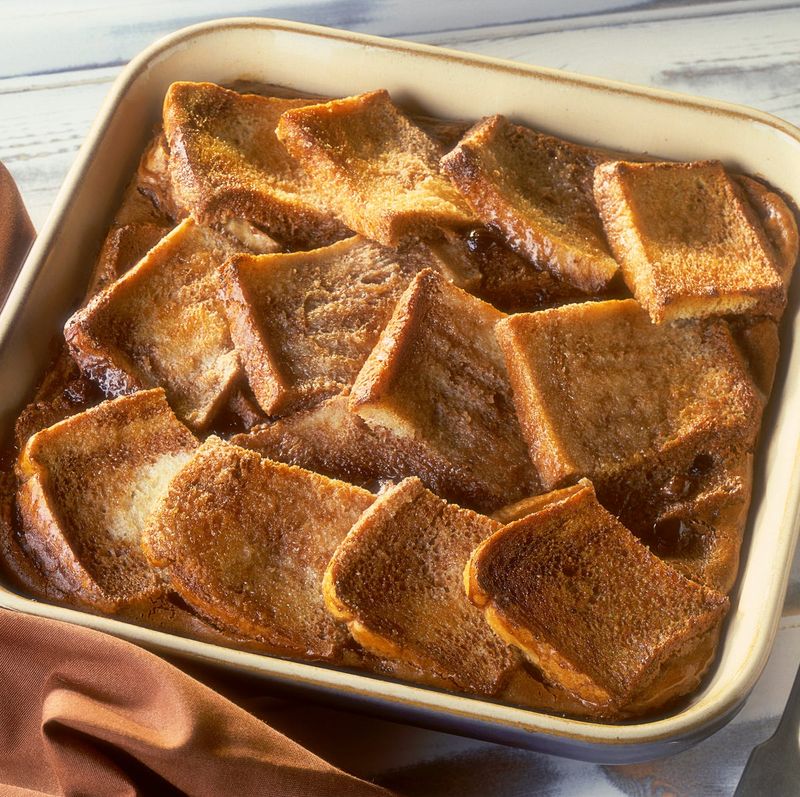
Treacle sponge, bread and butter pudding, and jam roly poly were the heavyweight champions of British dessert tables. Dense, sweet, and utterly satisfying, these puds were designed to fill you up after a modest main course.
They were often served piping hot with lashings of custard or a dollop of cream, turning simple ingredients like suet, flour, and dried fruit into something truly comforting. Gen Z might opt for lighter, fruitier desserts, but Boomers recall these stodgy classics with genuine fondness and nostalgia.
7. Gen Z Favourite Foods
Fast forward to today, and Gen Z's plates look wildly different from their grandparents' generation. Influenced by social media, global cuisine, and a growing awareness of health and sustainability, younger Brits are eating more adventurously than ever before.
Avocado toast, sushi, bubble tea, and plant-based snacks have become everyday staples rather than exotic treats. Gen Z values flavour, variety, and visual appeal, often choosing meals that photograph well and align with their ethical values, marking a dramatic shift from the post-war simplicity of the Boomer era.
8. Avocado On Toast And Smoothie Bowls
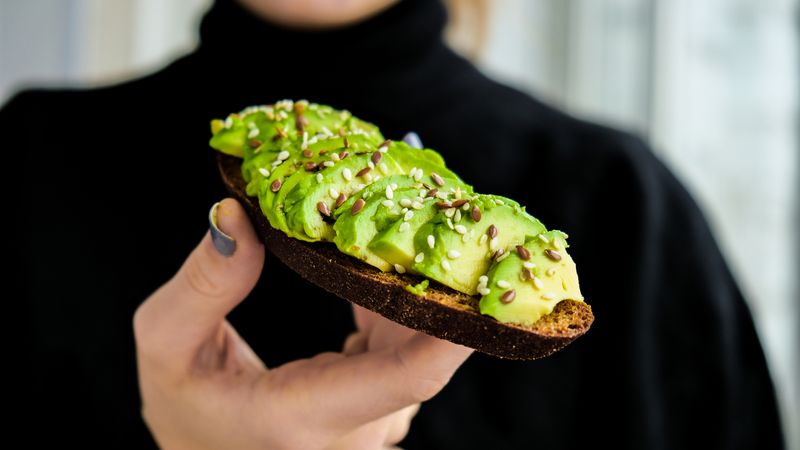
Nothing symbolises Gen Z brunch culture quite like smashed avocado piled high on sourdough, often topped with chilli flakes, seeds, or a perfectly poached egg. It's fresh, filling, and endlessly Instagrammable, even if it does cost a small fortune in most cafes.
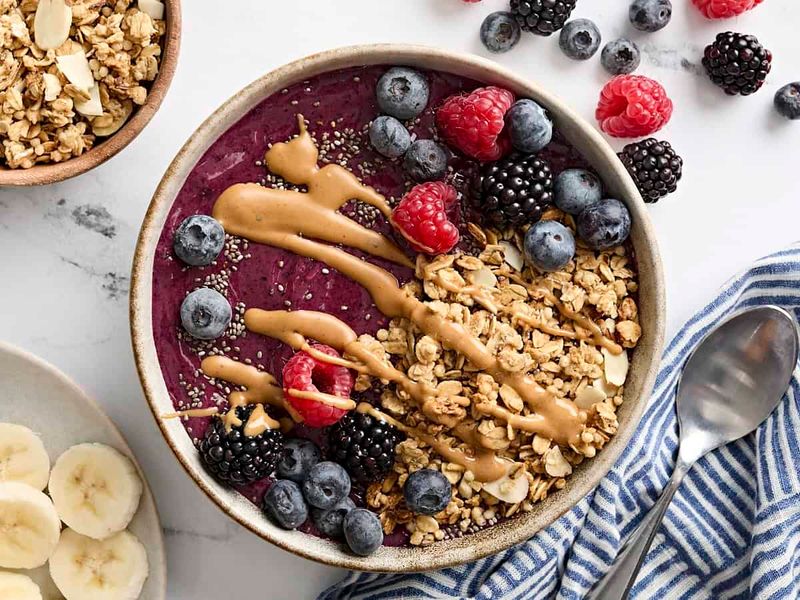
Smoothie bowls follow a similar vibe, blending frozen fruit into thick, creamy bases then decorating them with berries, nuts, and coconut flakes. Boomers might roll their eyes at the price tag, but Gen Z sees these meals as nourishing, photogenic, and worth every penny.
9. Plant-Based Or Vegan Snacks
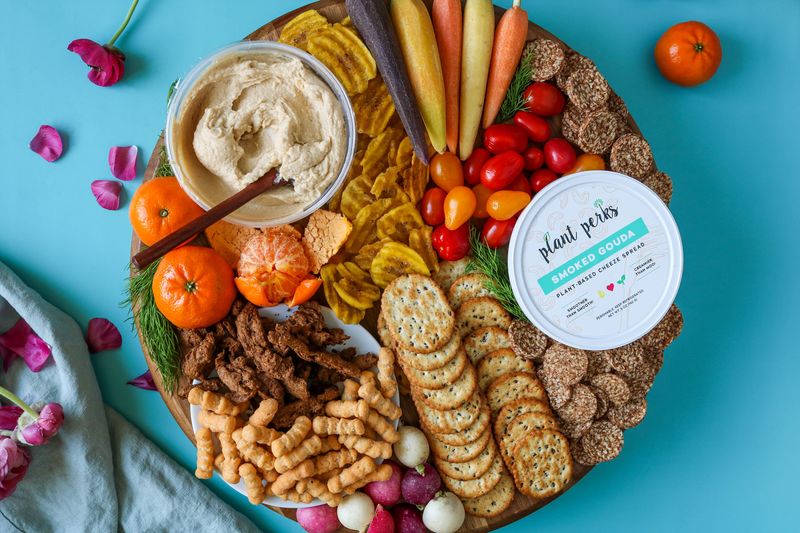
Veganism has exploded among younger Brits, driven by concerns about animal welfare, climate change, and personal health. Supermarket shelves now heave with plant-based alternatives, from oat milk and vegan sausage rolls to dairy-free chocolate and chickpea crisps.
Gen Z snacks on hummus, energy balls, and veggie sticks with the same ease Boomers once reached for cheese and crackers. This shift reflects a broader cultural change towards conscious eating, where ingredients and ethics matter just as much as taste and convenience do.
10. Sushi And Poke Bowls
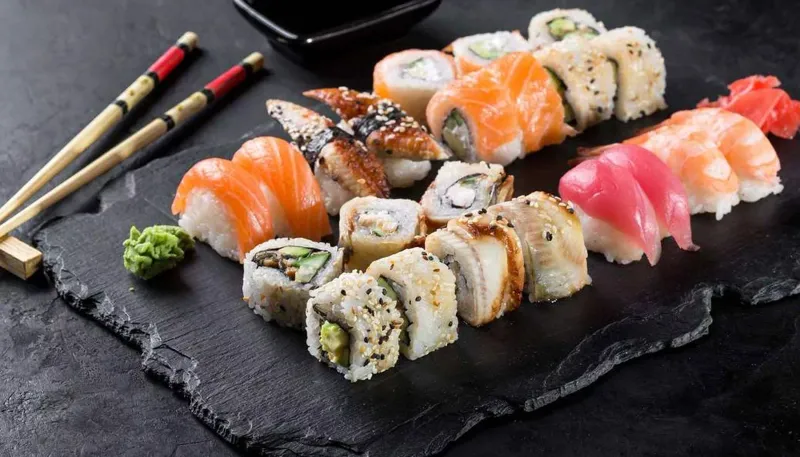
Sushi was practically unheard of in Britain during the Boomer years, but Gen Z treats it like everyday fast food. Supermarkets like Tesco and Sainsbury's stock ready-made sushi boxes, whilst poke bowl chains have popped up across every high street.
These meals are light, customisable, and packed with fresh fish, vegetables, and rice, appealing to health-conscious young diners. The rise of Japanese and Hawaiian cuisine in Britain shows how globalised Gen Z's palate has become compared to the meat and two veg their grandparents grew up eating.
11. Artisan Coffee And Bubble Tea
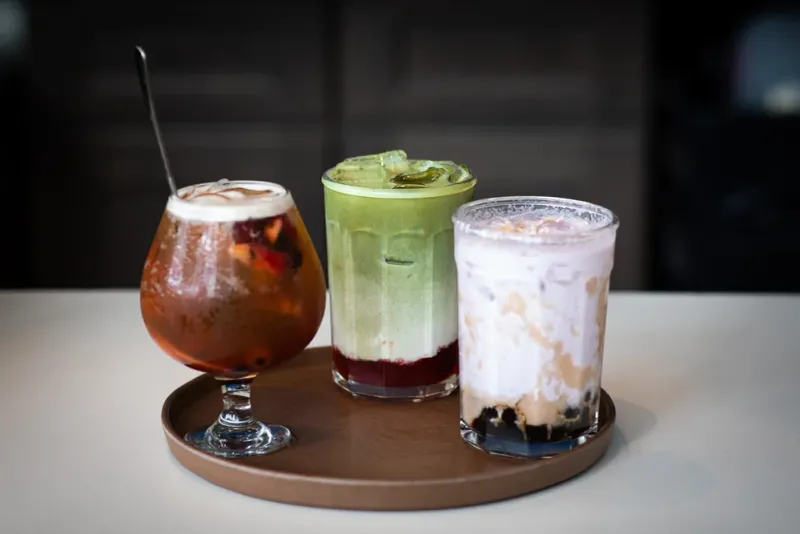
Gen Z doesn't just drink coffee; they experience it. Flat whites, oat milk lattes, and cold brews from independent cafes have replaced instant Nescafe, with young Brits happily paying premium prices for quality beans and skilled baristas.
Bubble tea, imported from Taiwan, has also taken Britain by storm, offering sweet, chewy, and endlessly customisable drinks that double as a social media moment. Boomers might find the fuss baffling, but for Gen Z, beverages are an essential part of their identity and lifestyle, not just something to wash down lunch.
12. International Street Food
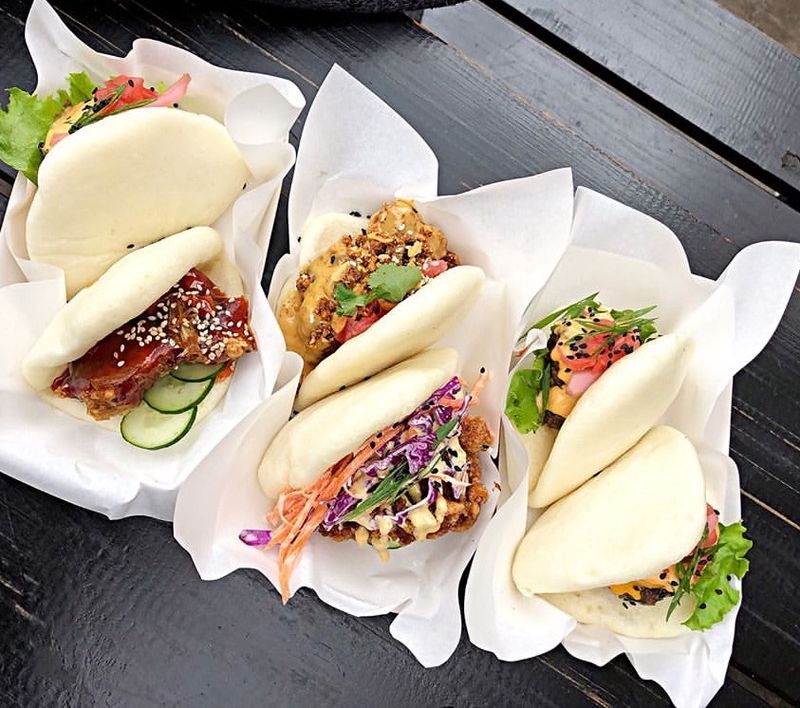
Britain's food markets and high streets now burst with global flavours that would have seemed impossibly exotic to Boomers. Gen Z munches happily on tacos, falafel wraps, Korean fried chicken, Vietnamese banh mi, and Ethiopian injera without batting an eyelid.
This generation has grown up in a multicultural, connected Britain where international cuisine is accessible, affordable, and celebrated. Street food festivals and pop-up stalls have normalised adventurous eating, turning what was once foreign into everyday fare that reflects modern Britain's diverse and dynamic food scene.