








Calories can feel abstract until you actually see how much food they represent on a plate. Some portions look surprisingly generous, while others feel almost comically small, even though they technically add up the same way.
This comparison brings everyday foods into focus and makes portion size feel far more real. Keep reading and you may find a few items challenge what you thought a sensible serving looked like.
All information is provided for general interest only and reflects average nutritional values, which can vary by product, variety, and preparation method. Images are intended as visual estimates to illustrate approximate portion sizes and should not be taken as exact measurements. This content is not intended as medical or dietary advice. Consult a qualified healthcare professional or registered dietitian for personalised guidance.
1. Banana – Around 115g

A medium banana weighing about 115 grammes gives you roughly 100 calories of natural energy. That's nearly a whole banana, making it a brilliant snack choice when you're on the go.
Packed with potassium and fibre, bananas keep you feeling satisfied for longer. The natural sugars provide a quick boost without any crash afterwards.
Plus, they're perfectly portable and come in their own wrapper!
2. Strawberries – Around 240g
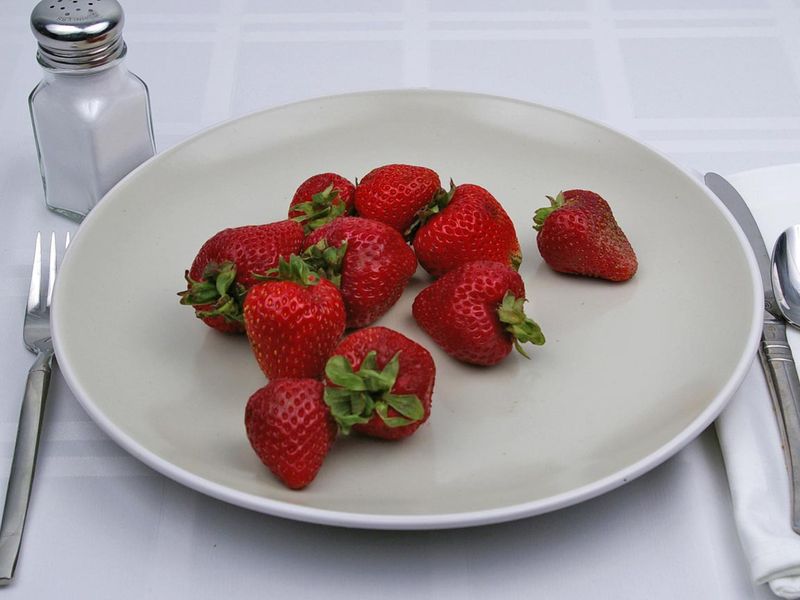
This portion looks like a generous pile of strawberries, roughly eight to ten medium ones. Spread out on a plate, it feels far more abundant than most people expect for the same calorie count.
The volume alone makes it feel indulgent without being heavy. Their juiciness adds to the sense that you’re getting plenty to enjoy.
It’s one of those foods that looks impressive before you’ve even taken a bite.
3. Blueberries – Around 170g
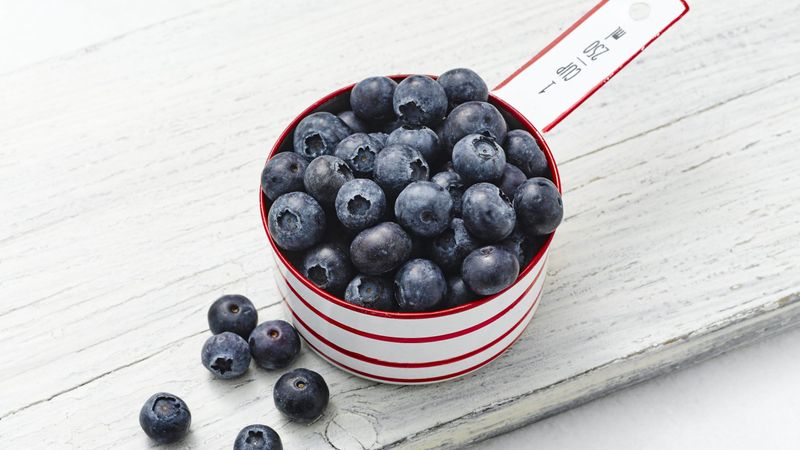
This amount comes out to roughly one heaped cup of blueberries. Poured into a bowl, it feels snackable rather than restrained.
The small size of each berry adds up quickly, both visually and flavour-wise. It’s easy to imagine this portion topping porridge or yoghurt generously.
Despite the modest calorie count, it doesn’t look skimpy at all.
4. Grapes – Around 120g
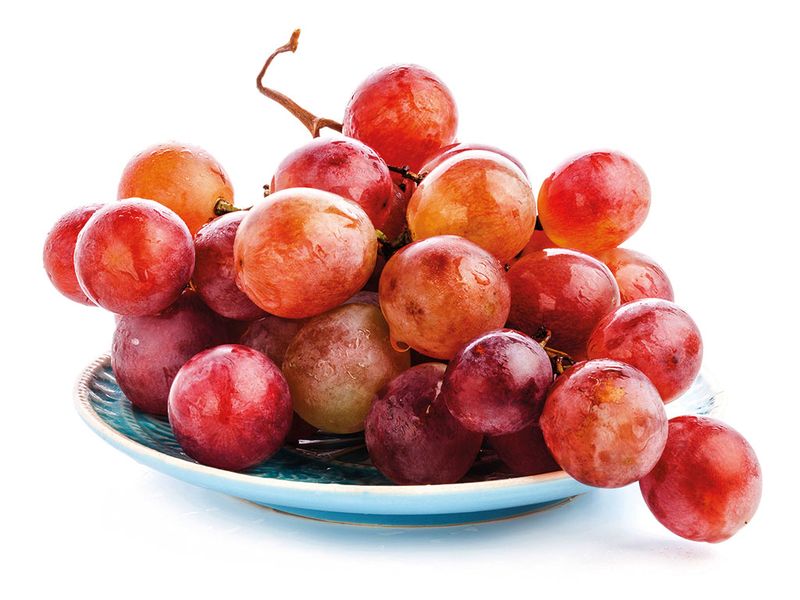
Visually, this looks like a small handful of grapes, roughly fifteen to twenty pieces. It’s enough to graze on without feeling limited.
The individual grapes make the portion feel more generous than you might expect. Lined up on a plate, it looks like a proper snack rather than a token amount.
Chilled, it feels especially satisfying.
5. Apple – Around 140g
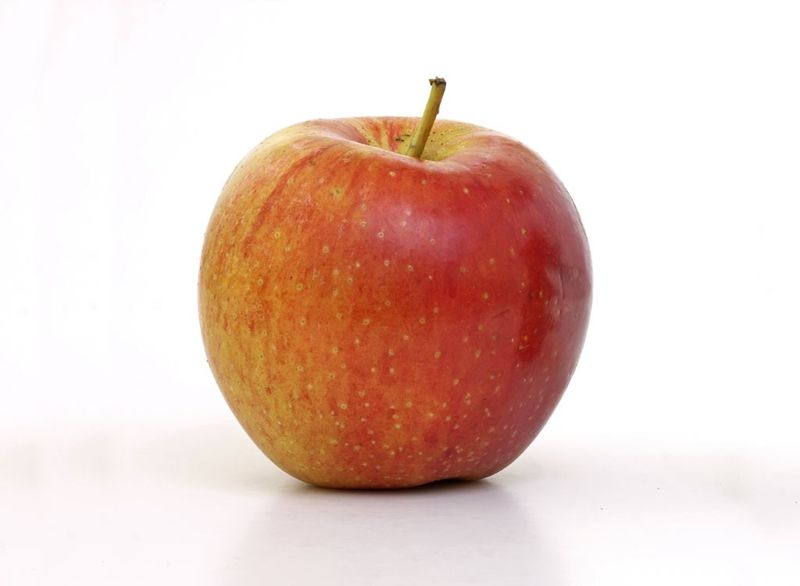
One medium apple weighing approximately 140 grammes contains about 100 calories. That's basically a whole apple, making it one of the most satisfying fruit choices available.
Apples are rich in fibre, particularly in the skin, which aids digestion and keeps hunger at bay. The crunch factor makes eating them feel more substantial and satisfying.
They're also incredibly convenient, requiring zero preparation and travelling brilliantly in bags or lunchboxes.
6. Avocado – Around 60g
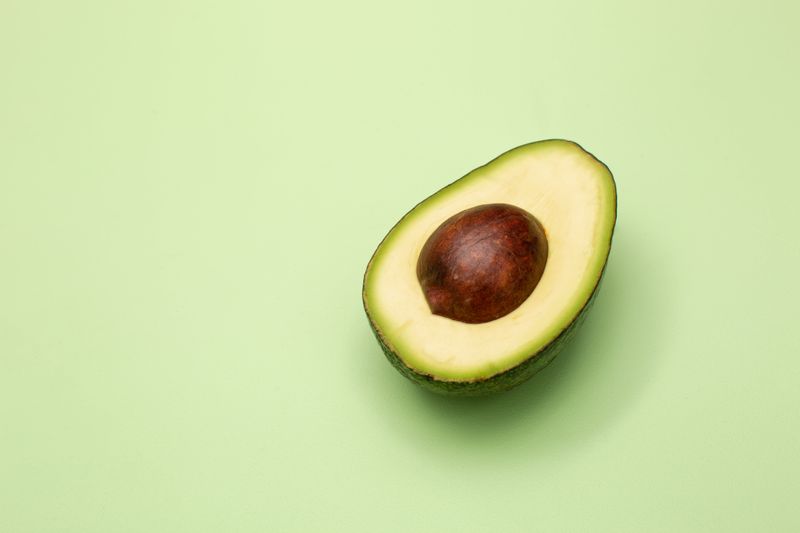
This portion is about half of a small avocado. On toast or in a salad, it looks like a sensible but noticeable amount.
Because avocado is so rich, even this modest-looking portion feels substantial. The creamy texture adds to the sense of fullness.
It’s a good reminder that richer foods don’t need large volumes.
7. Cooked White Rice – Around 80g
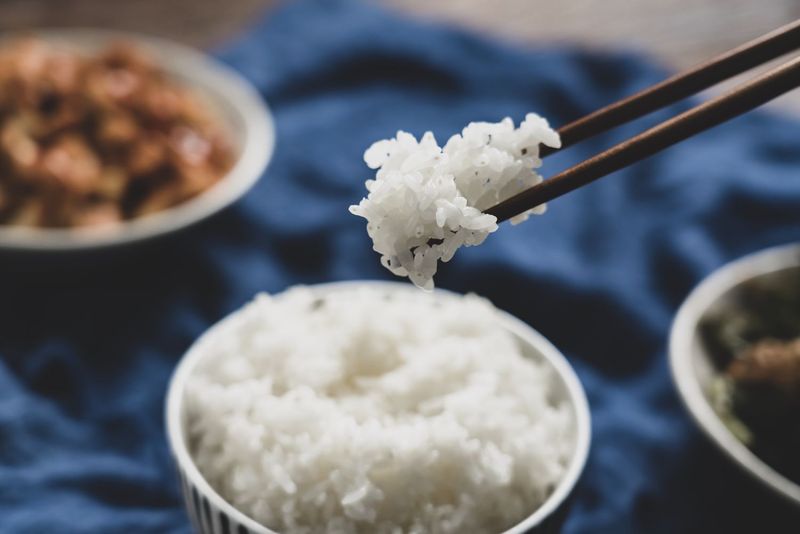
This works out to just under half a cup of cooked rice. In a bowl, it looks like a neat mound rather than a full serving.
The compact shape can make it seem smaller than it really is. Once paired with vegetables or protein, it feels far more complete.
Visually, it’s modest but realistic.
8. Cooked Pasta – Around 90g
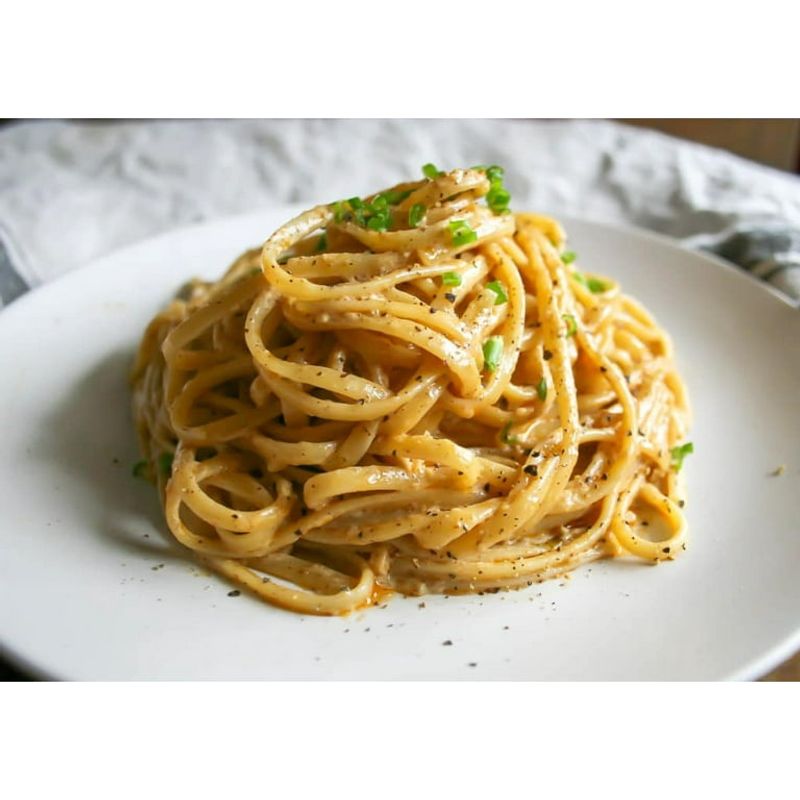
Once cooked, this amount sits at just under a cup and spreads out nicely on a plate. The curls and strands create more visual space than people often expect.
It looks far from skimpy, especially when served with sauce or vegetables. Pasta naturally fluffs up as it cooks, which works in its favour here.
The important thing to remember is that this portion is measured after cooking, not before.
9. Oats – Around 25g
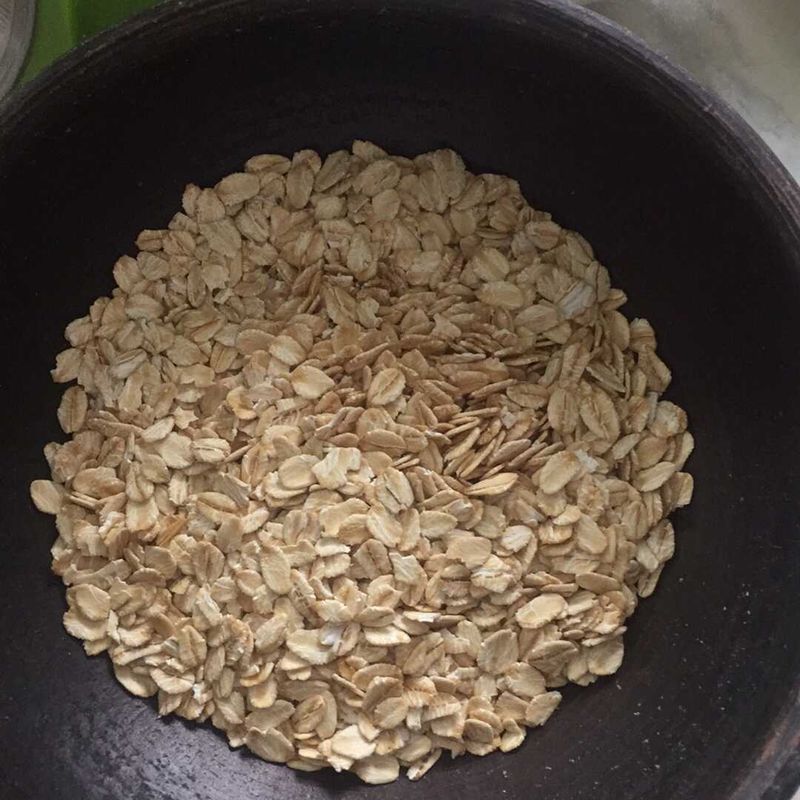
At first glance, four tablespoons of dry oats can feel underwhelming in the bowl. Add liquid and heat, and the change is immediate.
The oats swell, soften, and turn into a bowl that feels much more substantial. This shift in volume makes the portion easier to trust.
It’s a simple reminder that dry measurements rarely tell the full story.
10. Peanut Butter – Around 16g
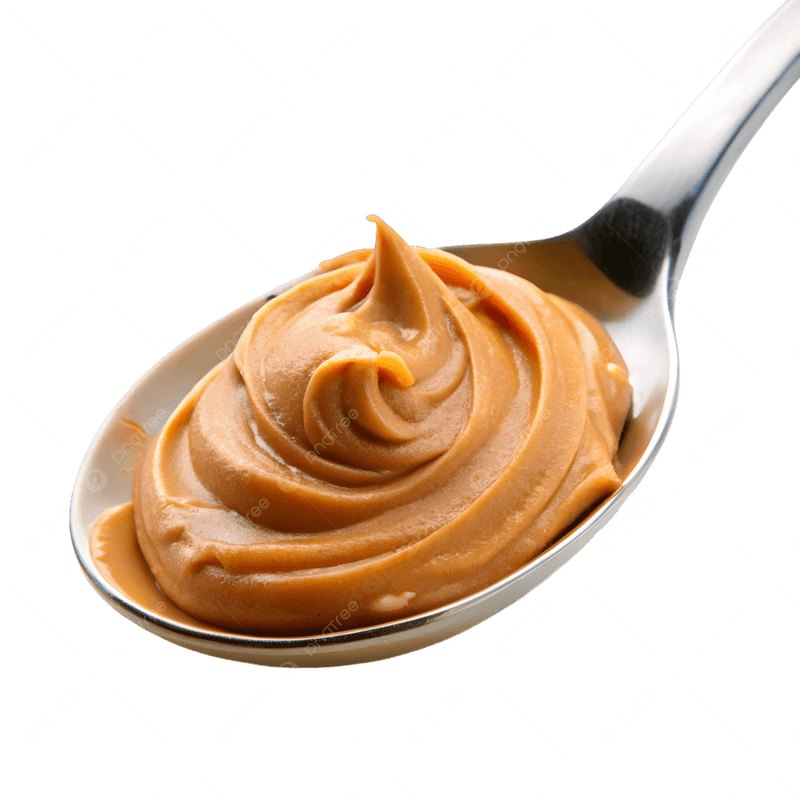
Only 16 grammes of peanut butter gives you 100 calories, which equals roughly one tablespoon. That's a pretty small amount, but the richness makes it feel more substantial.
Peanut butter is packed with protein and healthy fats that keep hunger away for hours. It's brilliant spread on toast, stirred into porridge, or used as a dip for apple slices.
The concentrated nutrition means a little truly goes a long way in satisfying your appetite.
11. Almonds – Around 18g
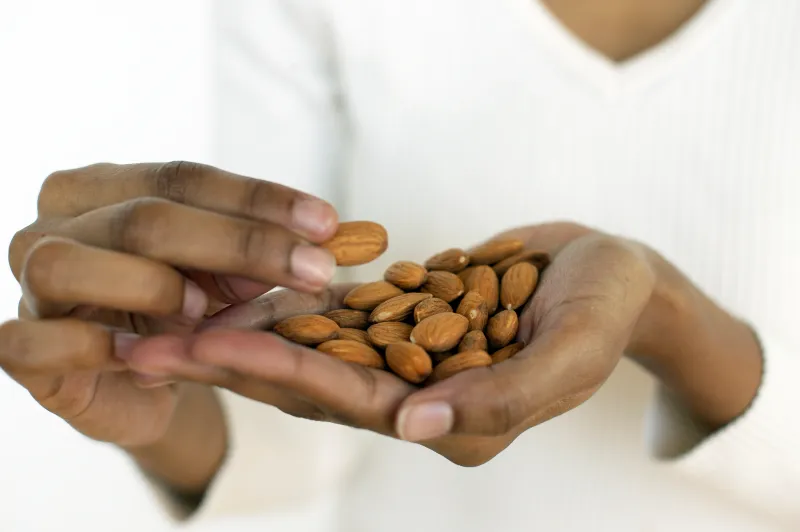
Approximately 18 grammes of almonds equals 100 calories, which works out to about 12 to 15 individual nuts. That's a small handful that fits perfectly in your palm.
Almonds are loaded with vitamin E, magnesium, and healthy fats that support heart health. Their satisfying crunch and rich flavour make them feel like a proper snack.
Keep a small portion in your bag for emergency hunger moments when you need something nutritious quickly.
12. Cheddar – Around 28g
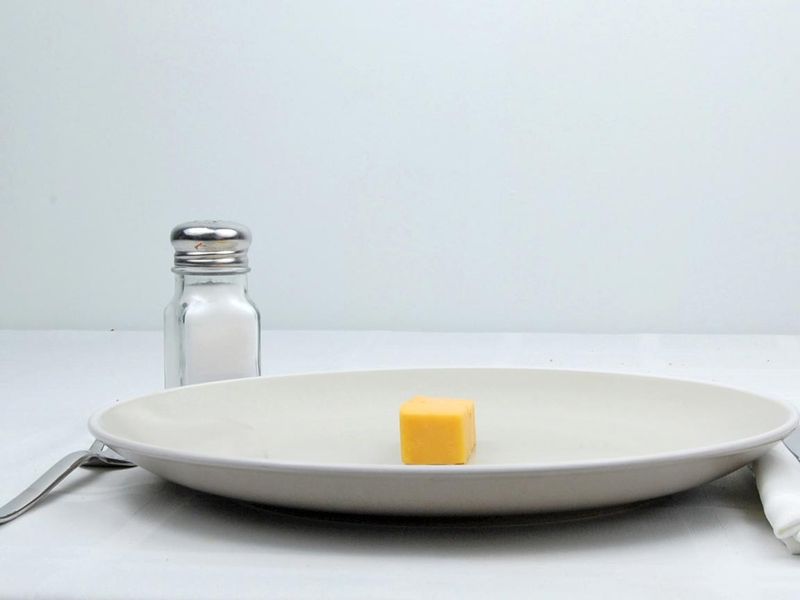
About 28 grammes of cheddar cheese contains 100 calories, which is roughly the size of a small matchbox. Cheese is calorie-dense, so portions need careful attention.
Cheddar provides excellent protein and calcium for strong bones and muscles. The rich, savoury flavour means a little bit adds loads of taste to sandwiches and salads.
Grating it rather than slicing helps it spread further across your meal, making the portion feel more generous.
13. Whole Milk – Around 180g
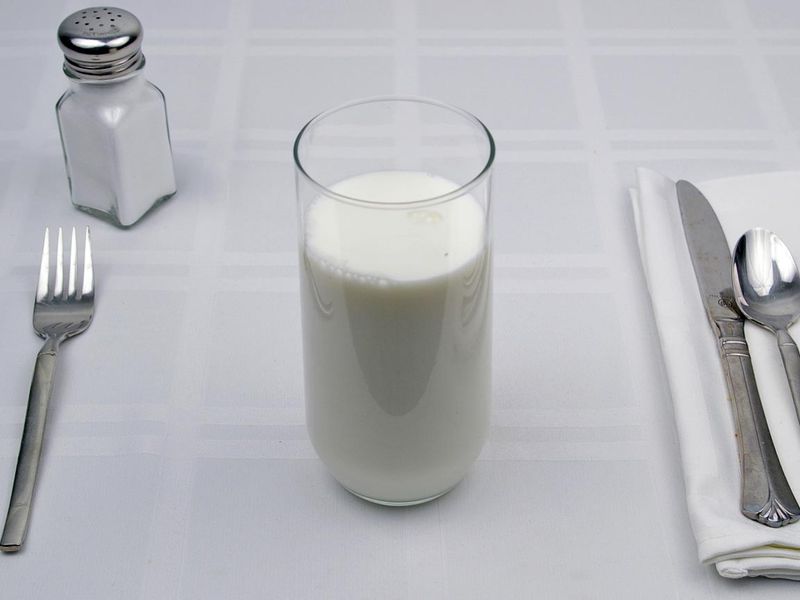
Around 180 millilitres of whole milk equals 100 calories, which is about three-quarters of a cup. That's a decent amount to pour over cereal or enjoy with a biscuit.
Whole milk contains protein, calcium, and vitamins that support overall health and development. The fat content helps your body absorb certain vitamins more effectively.
It's creamy and satisfying, making it worthwhile despite having more calories than skimmed versions.
14. Egg – Around 100g
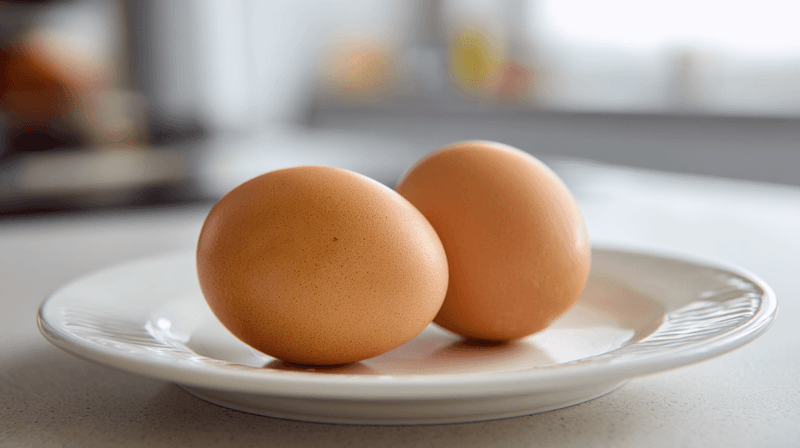
On the plate, this comes out as about two medium eggs, which feels completely normal. It’s the kind of portion most people wouldn’t question at breakfast.
The natural density of eggs helps them look filling without looking heavy. They take up space in a way that feels satisfying.
That familiarity makes this one especially easy to visualise.
15. Carrots (Raw) – Around 260g
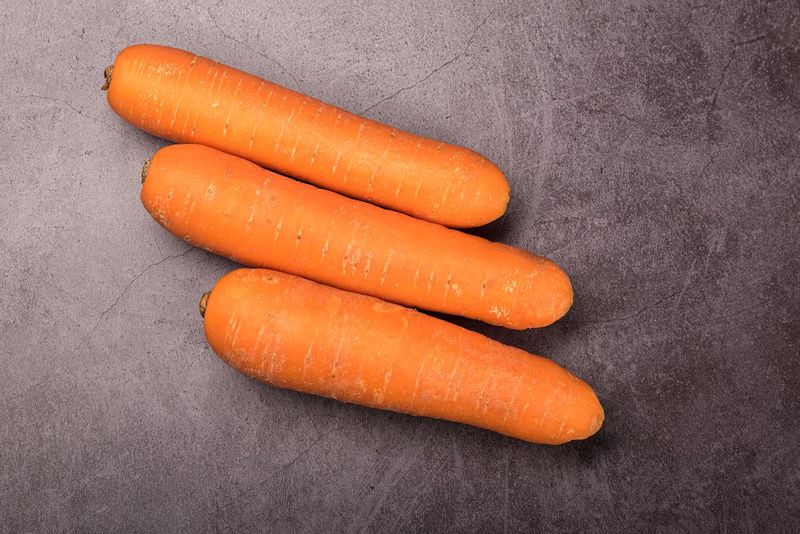
An impressive 260 grammes of raw carrots gives you just 100 calories. That's roughly three to four large carrots, which is an enormous amount of crunchy vegetable goodness.
Carrots are loaded with beta-carotene, which your body converts into vitamin A for healthy eyes. Their natural sweetness makes them enjoyable raw, and the crunch factor is incredibly satisfying.
They're perfect for dipping into hummus or munching straight when you need something to nibble on.
16. Sweetcorn (Cooked) – Around 120g
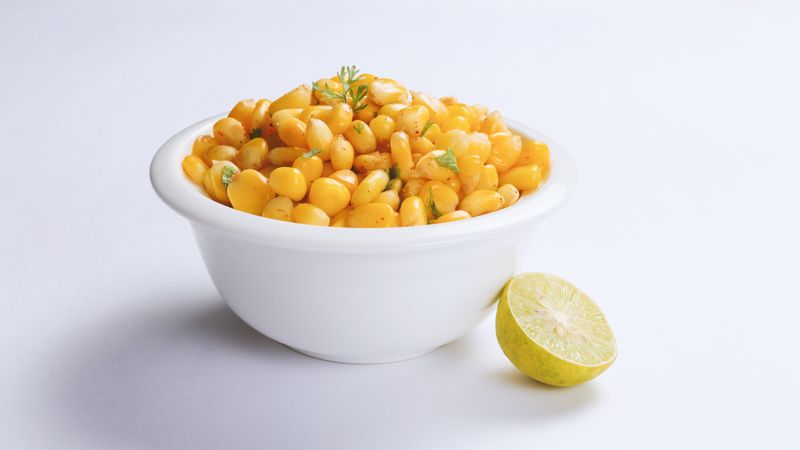
Poured into a bowl, this amount lands somewhere between half a mug and a small cereal bowl. The bright colour and rounded shape give it instant presence.
Each kernel adds to the sense of volume. It looks like a proper side, not a scatter of extras.
Visually, it holds its own alongside most main dishes.
17. Broccoli (Raw) – Around 300g
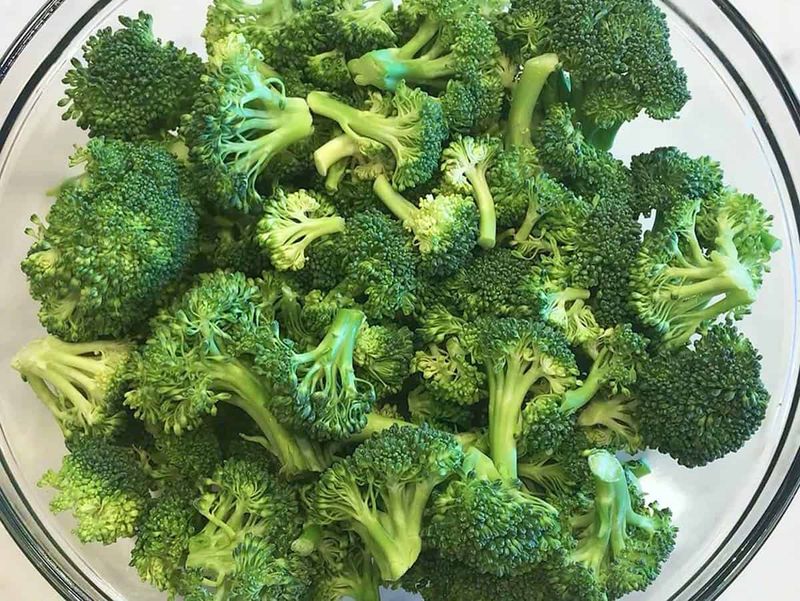
A massive 300 grammes of raw broccoli contains just 100 calories. That's several large florets, making broccoli one of the most filling low-calorie foods you can possibly eat.
Broccoli is packed with vitamins C and K, plus loads of fibre for digestive health. The sheer volume means you can eat until you're completely stuffed without consuming many calories.
Steam it lightly to preserve nutrients whilst making it easier to digest than raw.
18. Dark Chocolate – Around 17g
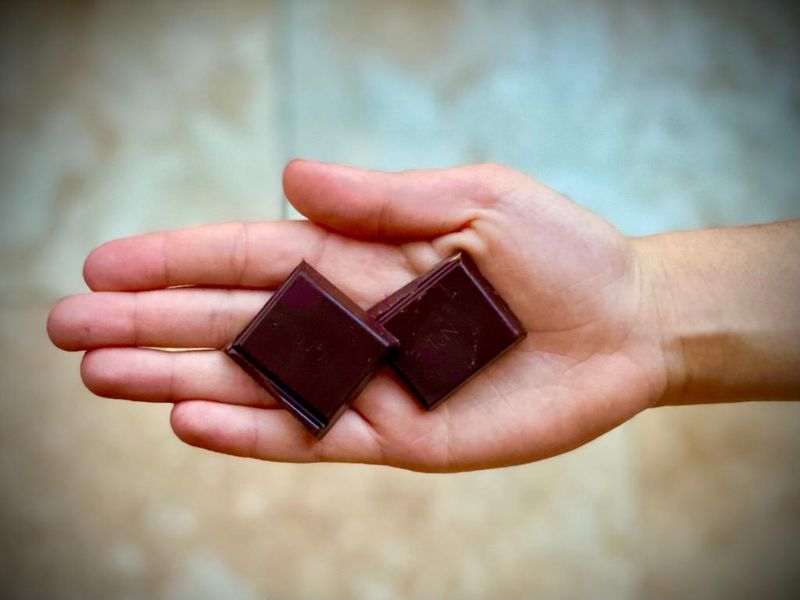
Set on a plate, this equals two small squares of dark chocolate. It’s not a pile, but it doesn’t feel pointless either.
The intensity of the flavour encourages slower eating. Each piece feels deliberate rather than rushed.
Seeing it laid out makes it clear just how rich chocolate really is.
19. Olive Oil – Around 11g
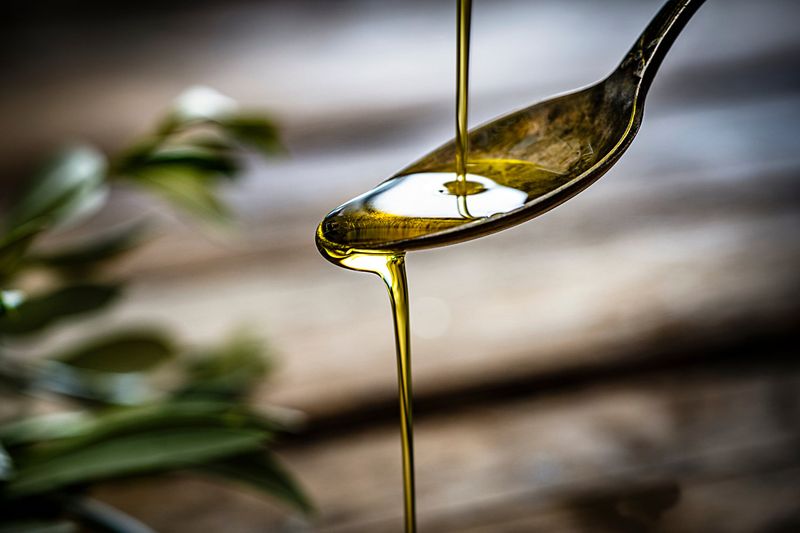
Just 11 grammes of olive oil contains 100 calories, which equals roughly one tablespoon. Oil is the most calorie-dense food on this list, so measurements really matter.
Olive oil is rich in monounsaturated fats that support cardiovascular health. It's brilliant for cooking, dressing salads, or drizzling over vegetables.
Using a spray bottle or measuring spoon helps control portions, ensuring you get the flavour without overdoing the calories.
20. Honey – Around 30g
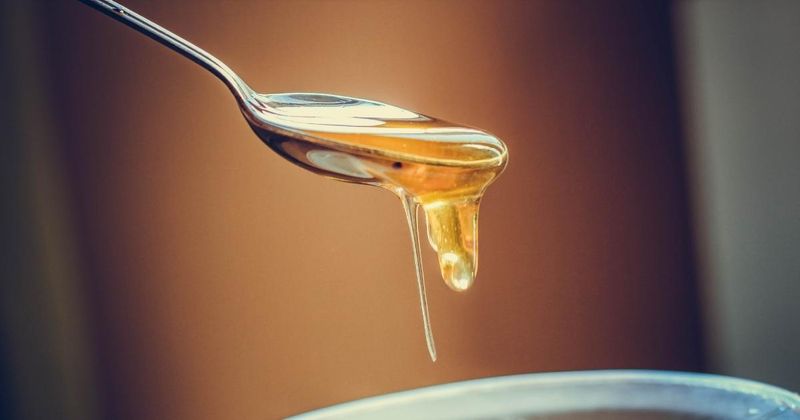
Measured out, this comes to one heaped tablespoon of honey. Once poured, it spreads smoothly and coats more surface than expected.
The thickness gives it a sense of weight and richness. A little movement of the spoon goes a long way.
It’s a clear example of how concentrated sweetness behaves once it leaves the jar.