











If you’ve ever tried to lose a few pounds, you’ve probably heard the same tired advice repeated everywhere - eat less, move more, and avoid anything you actually enjoy. But the truth is, some of those so-called “golden rules” are outdated and unnecessary. A healthy lifestyle doesn’t have to feel like punishment, and knowing which rules to let go of might be the smartest move you make.
This article is for general informational purposes only and should not replace professional medical or nutritional advice. Everyone’s body, metabolism, and health goals are different, so what works for one person might not work for another. Always speak to a qualified doctor or dietitian before making major changes to your diet or exercise routine. Photos are for illustrative purposes only.
1. Skipping Breakfast Is Always Bad
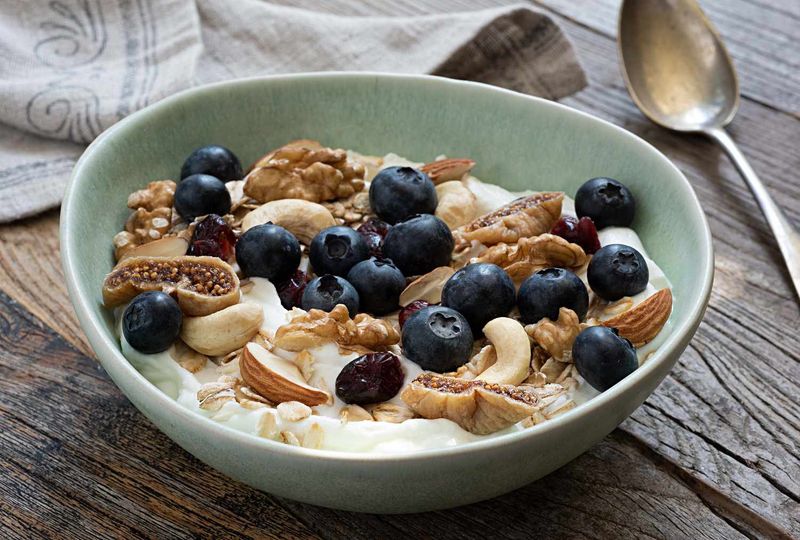
Breakfast isn't magical for everyone. Some people genuinely aren't hungry in the morning, and forcing food down can feel uncomfortable.
Research shows that intermittent fasting, which often includes skipping breakfast, works brilliantly for many individuals. What matters most is eating nutritious meals when your body actually needs fuel, not following arbitrary meal schedules that don't suit your lifestyle or natural hunger patterns.
2. You Must Cut Out All Carbs

Carbohydrates aren't the enemy - they're actually your body's preferred energy source. Whole grains, fruits, and vegetables provide essential nutrients and fibre that keep you satisfied.
Eliminating entire food groups often backfires, leading to cravings and binge eating. Instead, focus on choosing quality carbs like oats, quinoa, and sweet potatoes whilst reducing processed options. Balance matters far more than complete elimination when building sustainable eating habits.
3. Eating After 6 PM Makes You Gain Weight

Your body doesn't suddenly store everything as fat once the clock strikes six. Weight gain happens when you consume more calories than you burn over time, regardless of timing.
Late-night eating only becomes problematic if it leads to mindless snacking or exceeding your daily needs. A balanced evening meal won't sabotage your progress - in fact, going to bed hungry might disrupt your sleep quality.
4. You Have To Count Every Calorie

Obsessively tracking every morsel can turn eating into a stressful chore rather than something enjoyable. Many people successfully lose weight by simply being mindful of portion sizes and food quality.
Learning to recognise hunger and fullness cues often proves more sustainable than constant number-crunching. Whilst calorie awareness helps some individuals, it's definitely not essential for everyone's success. Trust your body's signals alongside sensible choices.
5. Cheat Days Ruin Your Progress

One indulgent meal won't undo weeks of healthy choices. In fact, planned treats can prevent the deprivation mindset that leads to giving up entirely.
Many successful weight-loss stories include regular enjoyment of favourite foods in moderation. The key lies in returning to your normal eating pattern afterwards without guilt or overcompensation. Flexibility makes your approach sustainable for the long haul, not just a few miserable weeks.
6. You Should Avoid All Fats
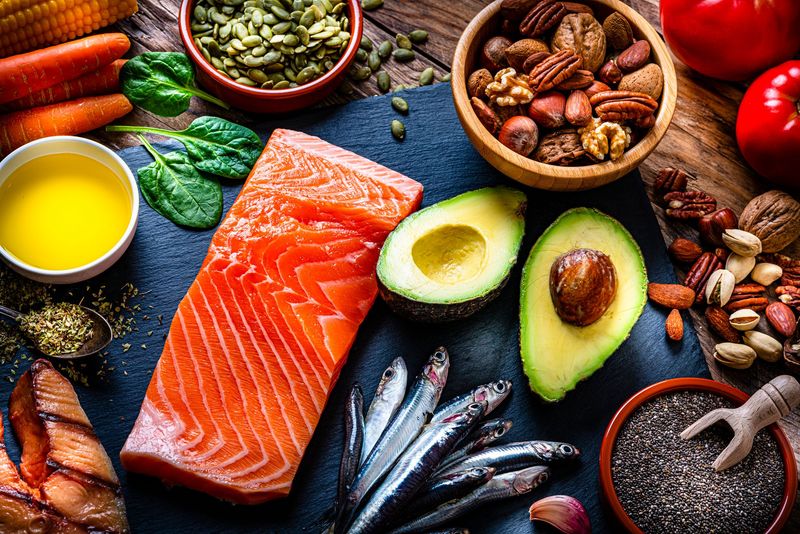
Fat-free everything dominated the 1990s, but science has since proven this approach wrong. Healthy fats from sources like avocados, nuts, and olive oil actually support weight loss by keeping you fuller longer.
Your brain and hormones need fat to function properly. Low-fat diets often replace fat with sugar, which causes energy crashes and increased hunger. Choose quality fats wisely rather than eliminating this essential nutrient completely.
7. Snacking Is Always Unhealthy
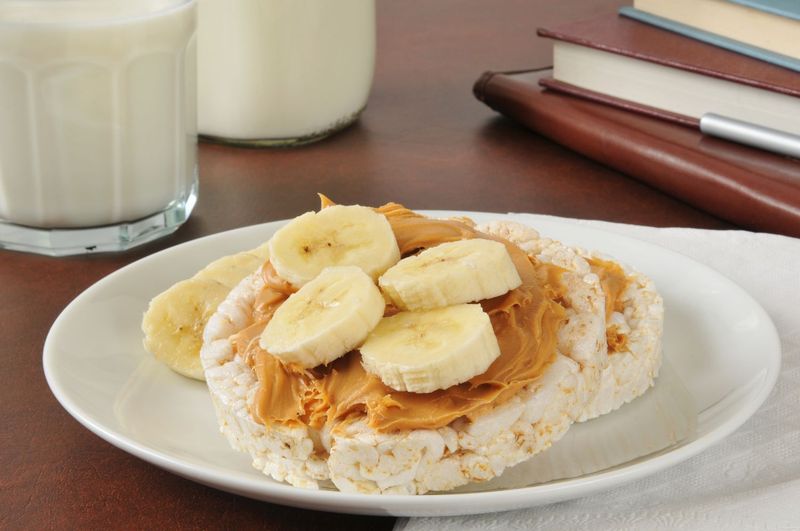
Snacking often gets a bad rap, but it doesn't always have to be unhealthy. Choosing nutritious snacks like fruits, nuts, or yogurt can help curb hunger and prevent overeating later.
Incorporating small, healthy snacks into your diet can provide energy and keep metabolism active. The key is to select wholesome options that fit within your overall calorie goals.
Ultimately, mindful snacking can be a beneficial part of a balanced diet, supporting weight loss without sacrificing satisfaction.
8. You Can’t Eat Dessert While Losing Weight

Desserts are often seen as the enemy of weight loss, yet moderation is the real secret. Enjoying a small portion of your favorite treat can satisfy cravings and prevent binge eating.
By allowing yourself the occasional indulgence, you create a sustainable and enjoyable diet plan. It's about balance, not restriction. Treating yourself mindfully can actually support long-term weight management, proving that dessert doesn't have to be off the menu.
9. You Need Expensive Supplements To See Results

Expensive supplements often come with promises of quick results, but they aren't necessary for weight loss. Real, whole foods provide essential nutrients without the high cost.
A balanced diet rich in fruits, vegetables, lean proteins, and whole grains can effectively support your weight loss goals. Supplements may benefit some, but they aren't a magic solution.
10. You Must Stick To One Strict Diet Plan

Rigid diet plans can be limiting and hard to maintain. Flexibility allows for a more personalized and adaptable approach to eating.
Exploring different dietary patterns can lead to discovering what truly works for your body and lifestyle. The key is to maintain a balance that meets nutritional needs.
Listening to your body's signals and allowing room for adjustments can foster a more enjoyable and lasting relationship with food.
11. Eating Less Is Always Better

The notion that eating less always equates to weight loss is misleading. Proper nourishment is crucial for maintaining energy and supporting metabolism.
Instead of drastic calorie cuts, focus on quality and nutrient-rich foods that satisfy hunger and promote health. Eating enough can prevent the body from going into starvation mode, which can actually hinder weight loss.
12. You Have To Give Up Your Favourite Foods

Giving up favorite foods can lead to feelings of deprivation, making diet plans unsustainable. Instead, practice moderation and enjoy beloved treats occasionally.
Incorporating them mindfully into your diet can prevent overindulgence and guilt. It’s about finding a balance that includes joy and satisfaction in eating.