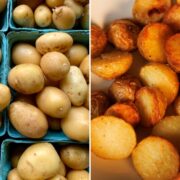











A traditional Sunday roast might be comforting, but it doesn’t always deliver much variety when it comes to plants. Nutrition experts now recommend aiming for 30 different plant-based foods each week, and there’s solid science behind this number.
The goal isn’t to overhaul your diet overnight but to give your gut more diversity, which can play an important role in supporting overall health.
This article is for general information only. The “30 plants a week” guideline is based on findings from The American Gut Project, which linked dietary variety to greater gut microbiome diversity.
Dietary needs vary for each person, and professional advice should always be sought from a qualified healthcare provider for individual nutrition guidance. Photos are for illustrative purposes.
1. Why 30 Plants A Week Matters
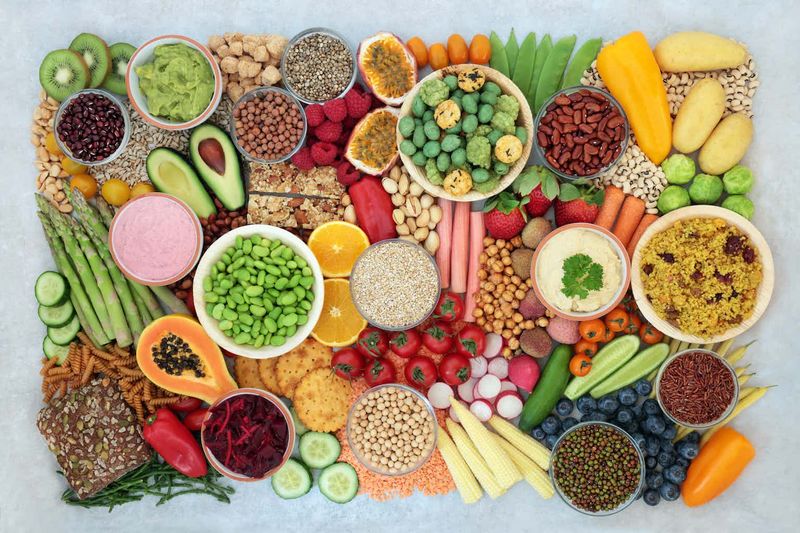
Your gut is basically hosting a massive party for trillions of bacteria, and these microscopic guests are surprisingly picky eaters. Each type of plant feeds different bacterial strains, creating a thriving ecosystem in your digestive system.
When you stick to the same five vegetables week after week, you're essentially serving chips to every party guest. A diverse plant intake keeps your gut microbiome balanced, which directly impacts your immune system, mood, and overall health in ways scientists are still discovering.
2. Where The Number 30 Comes From
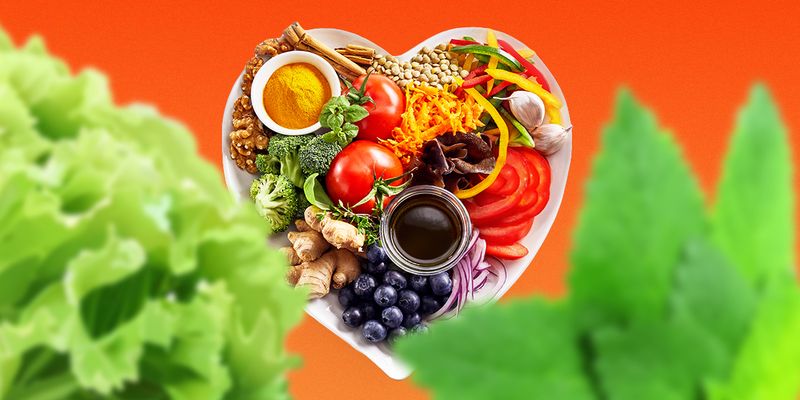
The magic number 30 isn't just some wellness guru's wild guess. It comes from the American Gut Project, the largest microbiome study ever conducted, which analysed thousands of people's gut bacteria.
Researchers discovered that folks eating 30 or more different plant types weekly had significantly more diverse gut bacteria than those eating fewer than 10.
The British Nutrition Foundation now echoes this advice, though they cheekily point out that many Brits struggle to hit even five a day, let alone 30 different plants weekly.
3. The Health Benefits Of Plant Variety
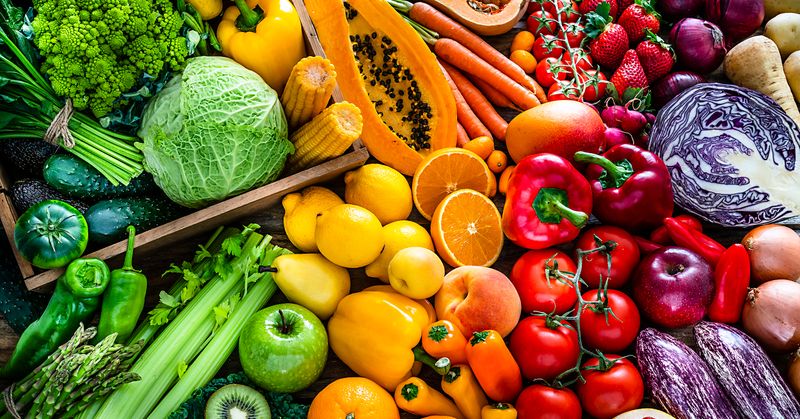
Eating like a botanical explorer does wonders beyond just impressing your mates at dinner parties. Different plants provide unique combinations of vitamins, minerals, and phytonutrients that work together like a well-rehearsed orchestra.
Purple foods boost brain health, orange vegetables support eye function, and leafy greens keep your heart ticking along nicely. This variety also helps reduce inflammation, supports better sleep, and can even improve your skin's appearance – basically nature's version of a comprehensive wellness programme without the hefty price tag.
4. Fruits To Add To Your Count

British orchards and supermarket aisles offer brilliant opportunities to rack up your plant count. Apples alone come in dozens of varieties – from sharp Bramleys perfect for crumbles to sweet Pink Ladies for snacking.
Berries are absolute champions here: strawberries, raspberries, blackberries, and blueberries each count separately. Even dried fruits like sultanas, dates, and figs contribute to your tally. The key is thinking beyond your usual banana and orange routine – try seasonal British plums, pears, or even exotic supermarket finds like dragon fruit or physalis for adventurous points.
5. Vegetables That Boost The Total
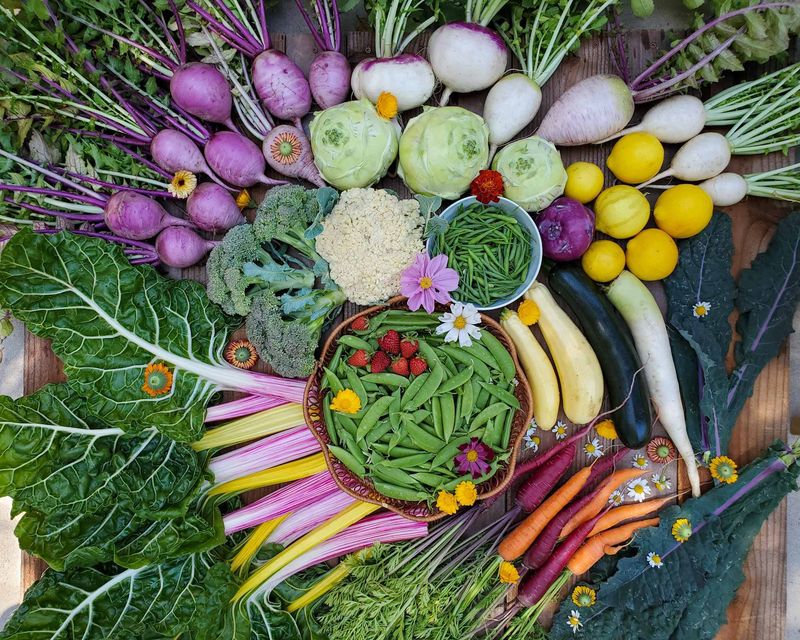
Your local Tesco or ASDA is basically a plant diversity goldmine once you start looking properly. Different coloured peppers each count separately, as do various onion types – spring onions, red onions, shallots, and leeks all add to your weekly tally.
Root vegetables offer easy wins too: carrots, parsnips, beetroot, and swede are British staples that many overlook. Fresh herbs like parsley, coriander, and basil also count, so that fancy garnish on your takeaway curry is actually contributing to your health goals – result!
6. Legumes, Grains, Nuts, And Seeds
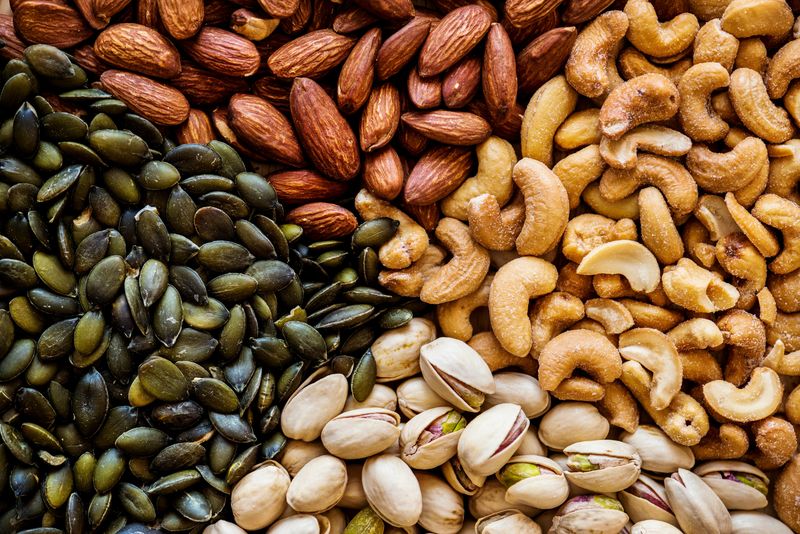
Baked beans on toast suddenly becomes more impressive when you realise those humble haricot beans count towards your 30. Lentils, chickpeas, kidney beans, and butter beans each tick a separate box on your plant variety scorecard.
Grains offer brilliant diversity too – swap between oats, quinoa, brown rice, and barley throughout the week. Mixed nuts and seeds are absolute champions: a handful of trail mix containing almonds, walnuts, pumpkin seeds, and sunflower seeds could contribute four different plants in one go. Even tahini and peanut butter count, making your morning toast surprisingly sophisticated nutritionally.
7. Simple Swaps To Increase Variety
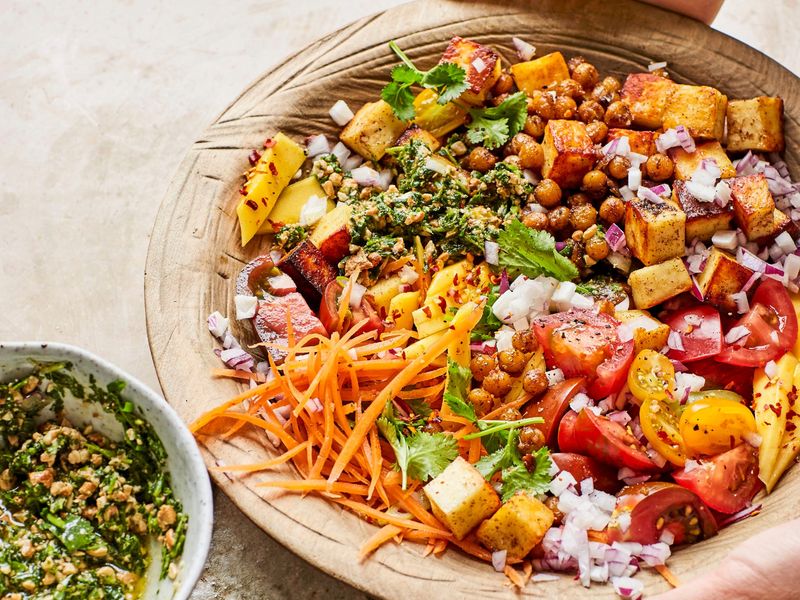
Small changes make massive differences to your plant count without requiring a complete lifestyle overhaul. Instead of the same old iceberg lettuce, rotate between rocket, watercress, spinach, and lamb's lettuce throughout the week.
Swap your usual white rice for different grains – try bulgur wheat on Monday, quinoa Wednesday, and pearl barley Friday. Even changing your tea counts: green tea, chamomile, peppermint, and rooibos each contribute different plants. Your morning cuppa routine just became a wellness strategy, and nobody needs to know you're being healthy while dunking biscuits.
8. Easy Meal Ideas To Hit 30

A proper British stir-fry can easily pack in eight different plants: broccoli, peppers, carrots, onions, garlic, ginger, soy sauce (from soybeans), and served over rice. Sunday roasts become plant-counting champions when you load up on different vegetables – roast parsnips, carrots, Brussels sprouts, and red cabbage alongside your meat.
Smoothies are sneaky plant-collectors too. Blend spinach, banana, berries, oats, and chia seeds for five plants in one glass. Even a jacket potato becomes more impressive topped with beans, cheese, and spring onions – that's three plants right there.
9. Snacks That Help You Reach The Goal
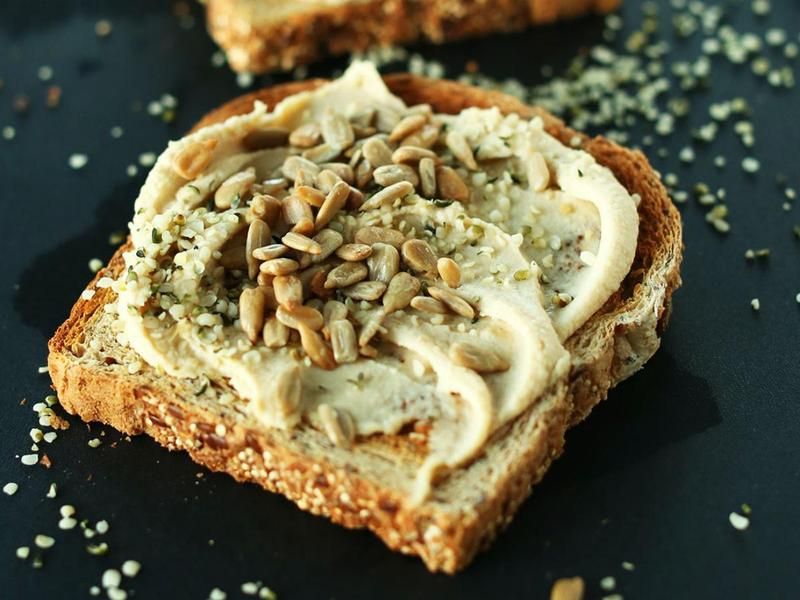
Forget boring single-ingredient snacks – smart snacking can seriously boost your plant variety count. A slice of seeded bread with hummus gives you wheat, sesame seeds, chickpeas, and tahini in one go.
Trail mix becomes a plant-counting superstar when it includes almonds, cashews, raisins, and dried cranberries. Even a cheeky bag of Bombay mix contains multiple plants: chickpea flour, lentils, rice, and various spices. Apple slices with different nut butters, or carrot sticks with various dips, turn mundane snacking into strategic plant-gathering missions that actually taste brilliant.
10. Making Plant Variety A Weekly Habit
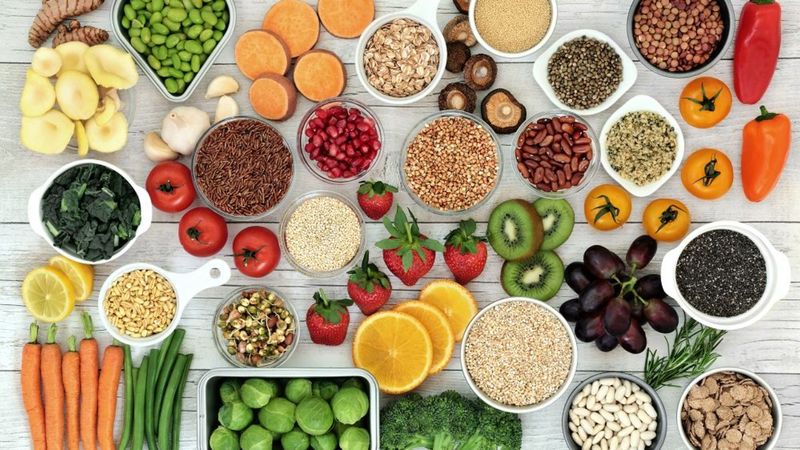
Tracking your plant intake doesn't require a PhD in nutrition – just jot down different plants as you eat them. Many people find keeping a simple list on their phone works brilliantly for staying motivated.
Shop with curiosity rather than rigid meal plans: grab something new each supermarket visit, whether it's an unfamiliar grain, exotic fruit, or different herb. Batch cooking helps too – make a massive pot of mixed bean chili or vegetable soup containing loads of different plants, then portion it throughout the week. Soon, plant variety becomes second nature rather than a chore.