











Eggs are one of those kitchen staples you reach for without much thought, until something about them suddenly feels a bit off. A cracked shell, a strange smell, or an unexpected texture can quickly turn breakfast into a moment of hesitation.
Knowing what to look out for helps you make confident decisions and keeps everyday cooking feeling stress-free.
This information is provided for general guidance only and does not replace food safety advice from qualified professionals. Storage conditions, handling, and individual circumstances can affect food safety, so when in doubt it is safer to discard and seek official guidance.
1. Strong Sulphur Or Rotten Smell

Your nose knows best when it comes to dodgy eggs. A fresh egg shouldn't smell of much at all, but a bad one will hit you with a powerful sulphur stench that's impossible to ignore.
This smell comes from hydrogen sulphide gas produced by bacteria breaking down the egg's proteins. If you catch even a faint whiff of rotten egg odour, toss it immediately - it's nature's alarm bell.
2. Cracked Or Slimy Shell
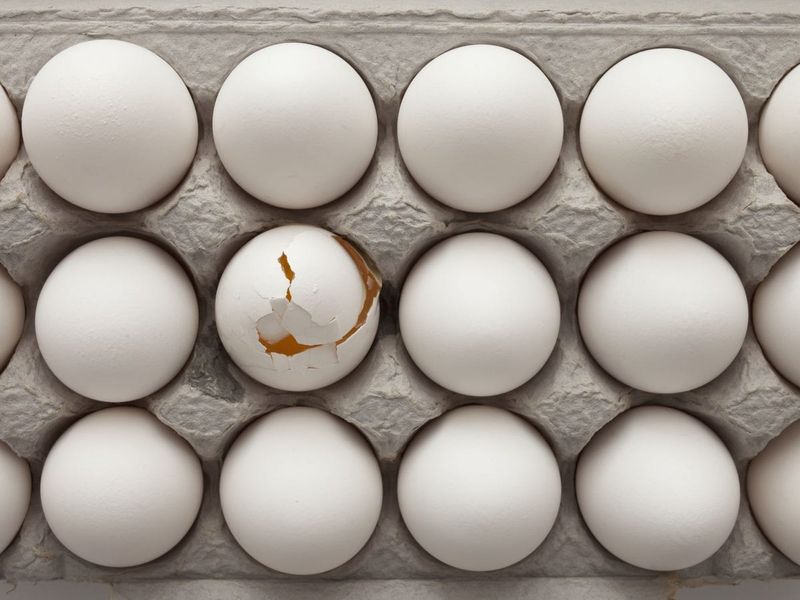
Cracks in an eggshell create an open invitation for bacteria to waltz right in. Even tiny hairline fractures can compromise the egg's safety, allowing germs to contaminate the contents inside.
A slimy coating on the shell is equally concerning, as it suggests bacterial growth on the surface. Always inspect eggs carefully before purchasing and storing, and never use ones with damaged or sticky shells.
3. Unusual Powdery Or Fuzzy Shell Residue
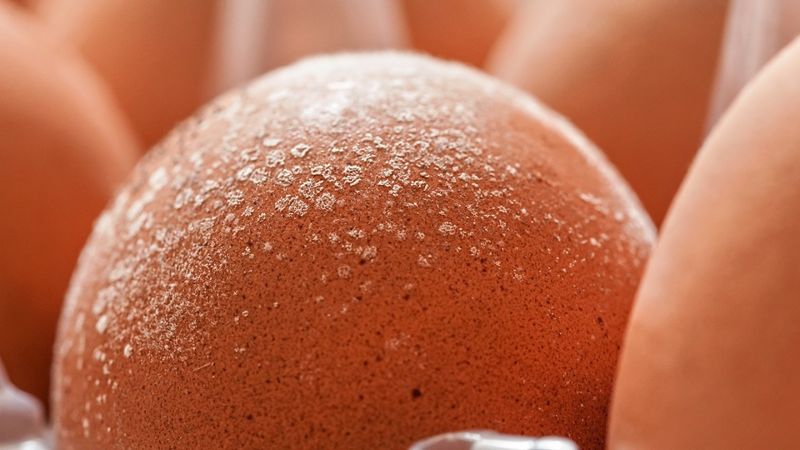
Spotting a powdery white coating or fuzzy patches on your egg's shell? That's mould making itself at home, and it's definitely not a good sign.
Mould thrives in damp conditions and indicates the egg has been stored improperly or is past its prime. The spores can penetrate the shell and contaminate the egg inside, making it unsafe to eat regardless of how fresh it might otherwise seem.
4. Discoloured Egg White Or Yolk
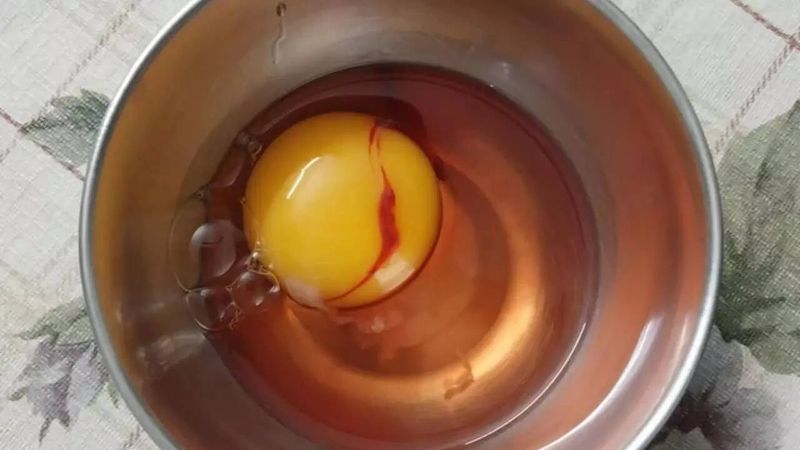
Fresh egg whites should be clear and slightly thick, whilst yolks appear bright yellow or orange. Any unusual colours like pink, green, blue, or black streaks signal bacterial contamination or spoilage.
Discolouration often results from pseudomonas bacteria, which produce distinctive pigments as they multiply. If your egg looks more like a science experiment than breakfast, don't risk it—chuck it straight in the bin without hesitation.
5. Cloudy Or Milky Egg White
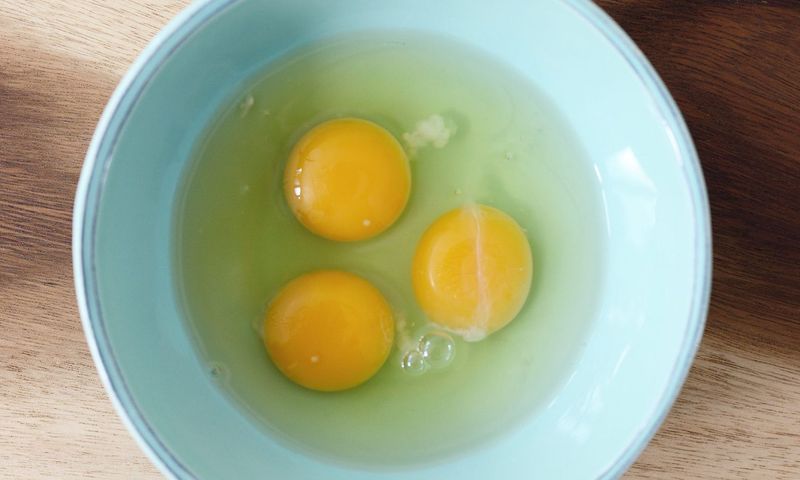
Actually, a slightly cloudy white can mean your egg is super fresh—the cloudiness comes from carbon dioxide that hasn't escaped yet. However, an excessively milky or opaque white combined with other warning signs suggests trouble.
When cloudiness appears alongside odd smells or textures, it indicates bacterial growth rather than freshness. Trust your other senses here: fresh eggs might be cloudy, but they won't smell off or feel strange.
6. Runny Or Flattened Yolk Texture
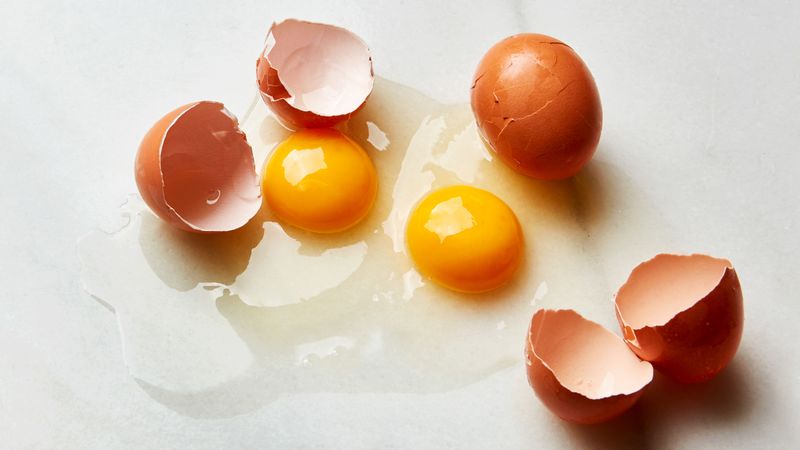
A fresh yolk should sit up proud and round, holding its shape beautifully when cracked onto a plate. As eggs age, the membrane surrounding the yolk weakens, causing it to spread out flat and thin.
Whilst an older egg with a flattened yolk isn't necessarily dangerous, it's definitely past its best. If the yolk breaks instantly upon cracking or looks unnaturally runny, it's time to question whether it's still worth eating.
7. Floating In Water Test Fails
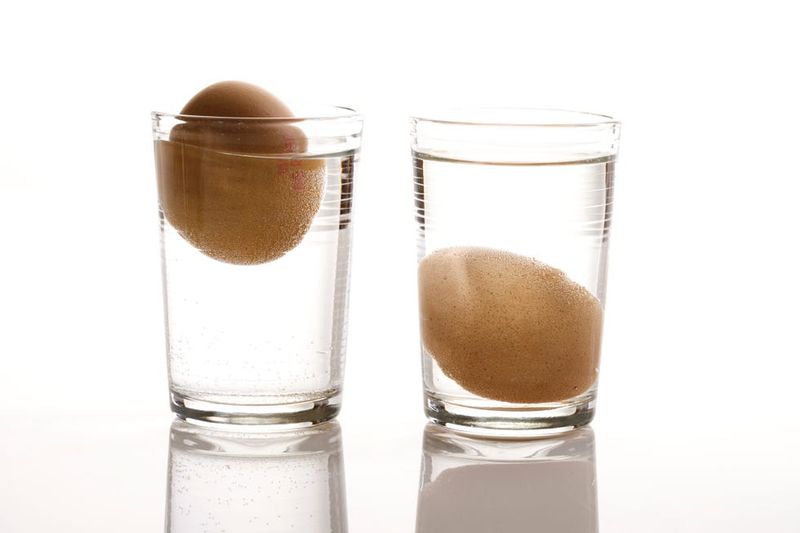
Here's a brilliant trick: pop your egg in a bowl of cold water. Fresh eggs sink to the bottom and lie flat, whilst older eggs stand upright or float due to the expanding air cell inside.
A floating egg has accumulated enough gas to suggest it's well past its prime. Although not always dangerous, a floater is best avoided since the risk of spoilage increases significantly as eggs age and lose moisture through their porous shells.
8. Sticky Or Leaking Shell Surface
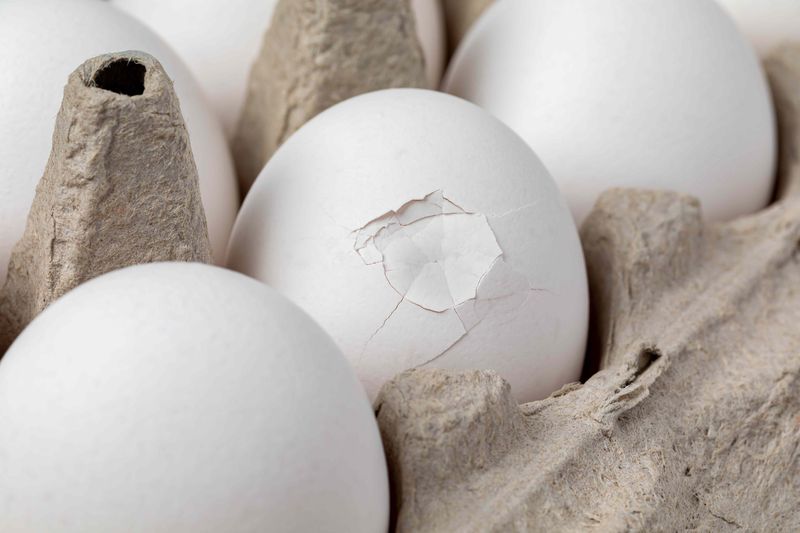
If you pick up an egg and it feels sticky or damp, that's a major red flag. Leaking eggs have compromised shells that allow bacteria to contaminate both the egg itself and anything it touches.
The stickiness comes from egg contents seeping through cracks or porous areas in the shell. These eggs pose a cross-contamination risk to other foods in your fridge, so isolate and discard them immediately to protect your kitchen's hygiene.
9. Off Smell After Cracking

Sometimes an egg looks perfectly fine on the outside but reveals its true nature once cracked open. Any unpleasant odour - whether sour, musty, or just generally wrong - means bacteria have been busy multiplying inside.
Even a subtle off smell shouldn't be ignored, as your nose can detect spoilage before visible signs appear. When in doubt, throw it out; no recipe is worth risking food poisoning over a questionable egg.
10. Past Use-By Date Storage
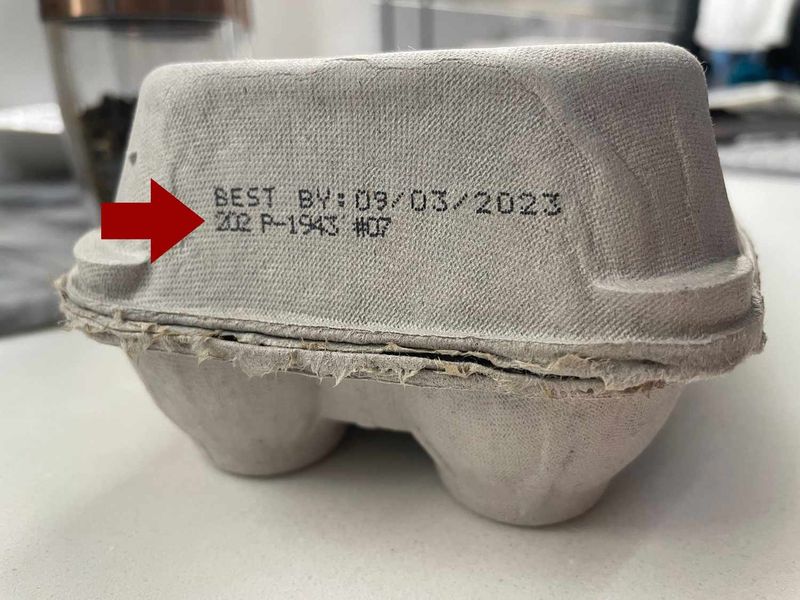
Use-by dates exist for good reason - they indicate when eggs are at their safest and freshest. Whilst eggs can sometimes last a bit beyond this date if stored properly, it's risky business relying on guesswork.
Temperature fluctuations, improper storage, and handling can all accelerate spoilage, making that printed date your most reliable guide. Always check dates before purchasing, store eggs in the fridge, and when the date passes, it's time for them to go.