



Sandwiches have long held a special place in British food culture, filling lunchboxes and café counters for decades. While some traditional fillings have quietly disappeared, replaced by trendier choices, others continue to stand the test of time.
This look back celebrates five classic sandwiches that have slipped out of favour – and three that remain firm favourites on menus today.
This article is for general informational purposes only. Availability, ingredients, and preparation may vary depending on region and establishment. Photos are for illustrative purposes only.
1. Fish Paste Sandwich
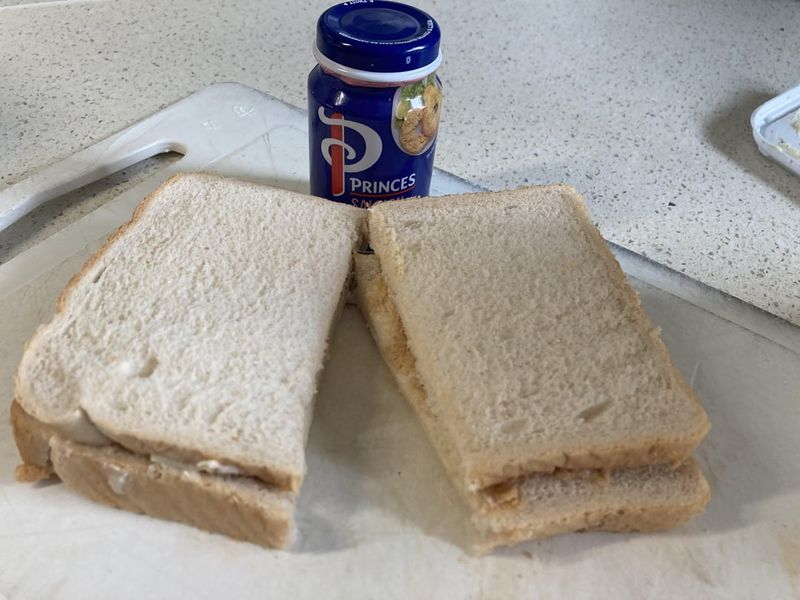
Back when rationing was fresh in memory, spreading pink fish paste on white bread was considered a proper treat. Made from ground fish, seasonings, and enough salt to preserve it through a nuclear winter, this filling came in little glass jars that families would reuse forever.
The texture was smooth yet slightly gritty, with a flavour that screamed "budget lunch" rather than gourmet experience. These days, you'd struggle to find fish paste in most supermarkets, and younger generations have absolutely no idea what they're missing (or perhaps dodging).
2. Tongue Sandwich
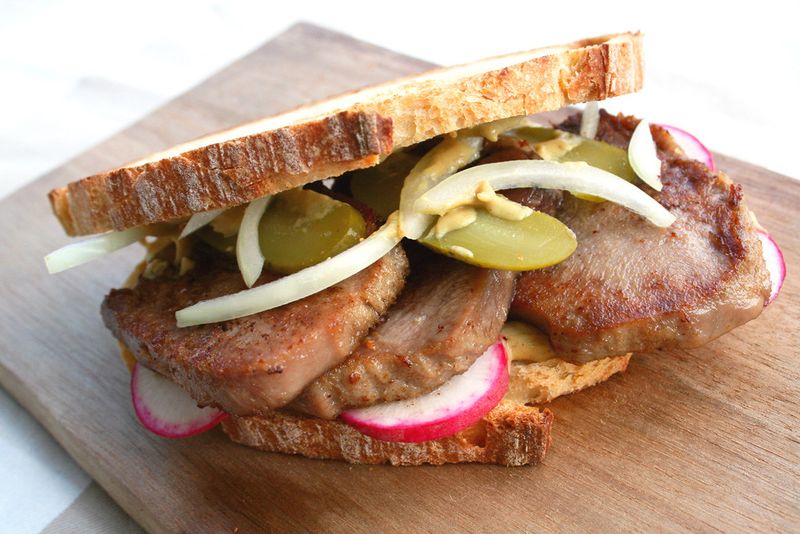
Offal was once king in British kitchens, and sliced tongue sandwiches were a common sight at working men's clubs and Sunday tea tables. Typically made from ox or lamb tongue, the meat was boiled, pressed, and thinly sliced before being tucked between buttered bread with a dab of mustard.
Whilst it sounds bizarre to modern ears, the taste was surprisingly mild and tender, almost like premium luncheon meat. Squeamishness about eating tongue has largely killed off this sandwich, though some traditional butchers still sell it to nostalgic customers who remember better days.
3. Egg And Cress Sandwich
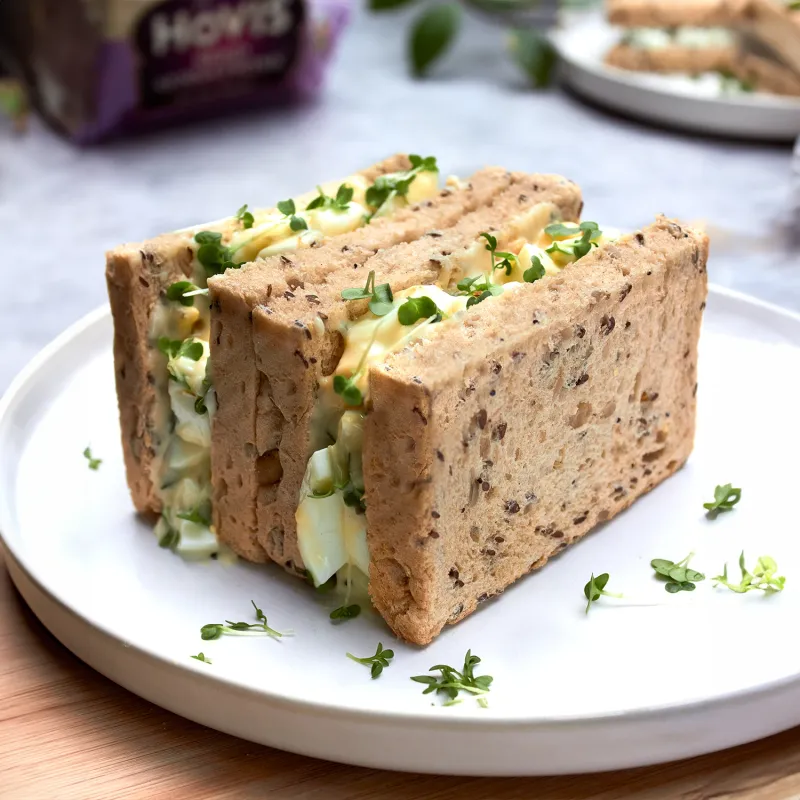
Once the poshest option at village fetes and garden parties, egg and cress sandwiches represented a touch of sophistication without breaking the bank. Hard-boiled eggs were mashed with a little butter or mayo, then mixed with peppery cress that added a fresh, green bite.
The combination felt lighter and more refined than heavy meat fillings, making it perfect for afternoon teas and ladies' lunches. Sadly, pre-packaged versions never captured the homemade magic, and this delicate sandwich has largely vanished from modern menus, remembered fondly by those who grew up with proper tea parties.
4. Corned Beef And Pickle Sandwich
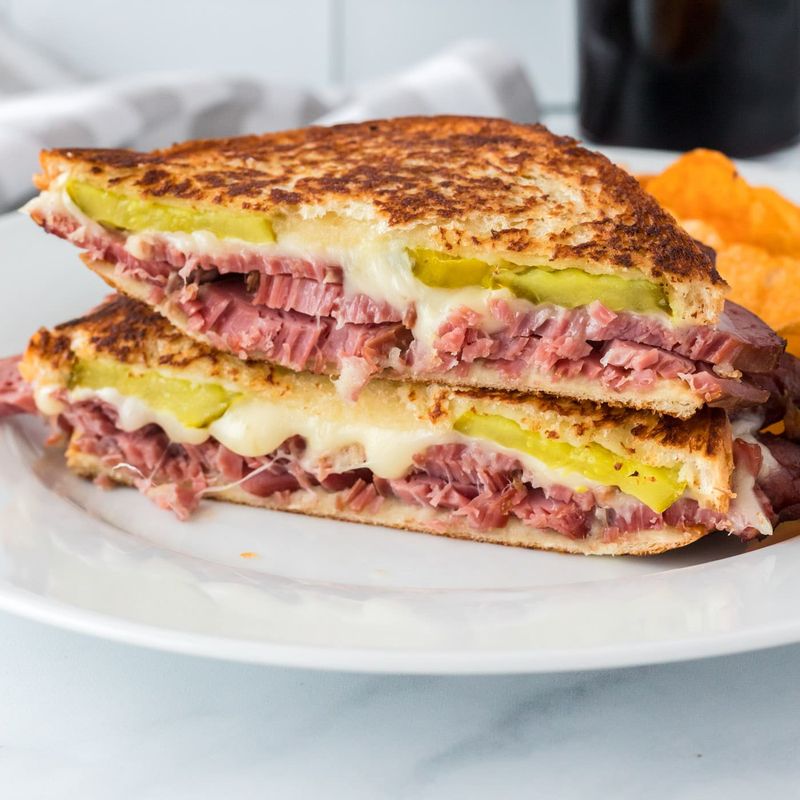
There was a time when every British pantry had a tin of corned beef lurking at the back, ready to be deployed when pay day seemed miles away. Sliced thick and paired with tangy Branston pickle, this sandwich was hearty, filling, and wonderfully unpretentious.
The salty beef contrasted beautifully with the sweet, spicy pickle, creating a flavour combination that fuelled countless factory shifts and building sites. Modern tastes have shifted towards fresher, lighter options, and tinned corned beef now feels like a relic from a tougher, more practical era of British eating.
5. Sardine And Tomato Sandwich
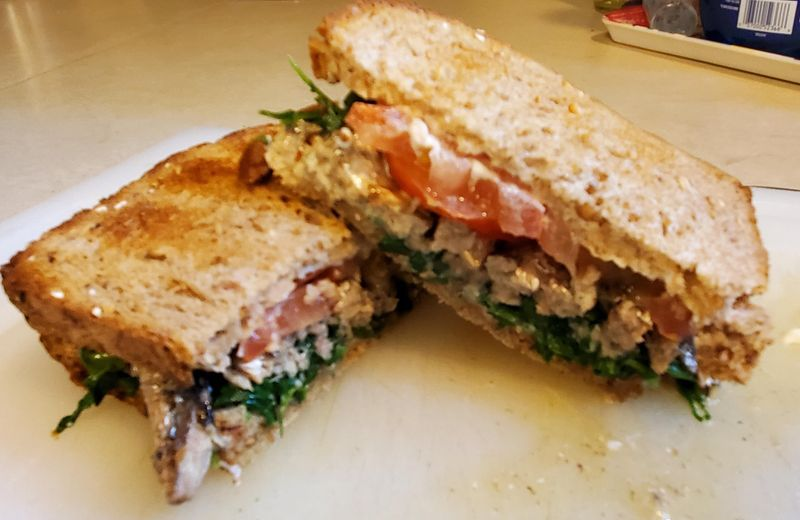
Opening a tin of sardines was practically a national ritual in post-war Britain, and pairing them with fresh tomato slices created a surprisingly tasty lunch. The oily, salty fish combined with juicy tomatoes and soft buttered bread made for a filling that was both nutritious and cheap.
Of course, the smell could clear a room faster than a fire alarm, which probably contributed to its decline in polite society. These days, sardines are more likely to appear on trendy restaurant menus than in lunchboxes, and this humble sandwich has quietly slipped into history.
6. Bacon Sandwich (Bacon Butty)
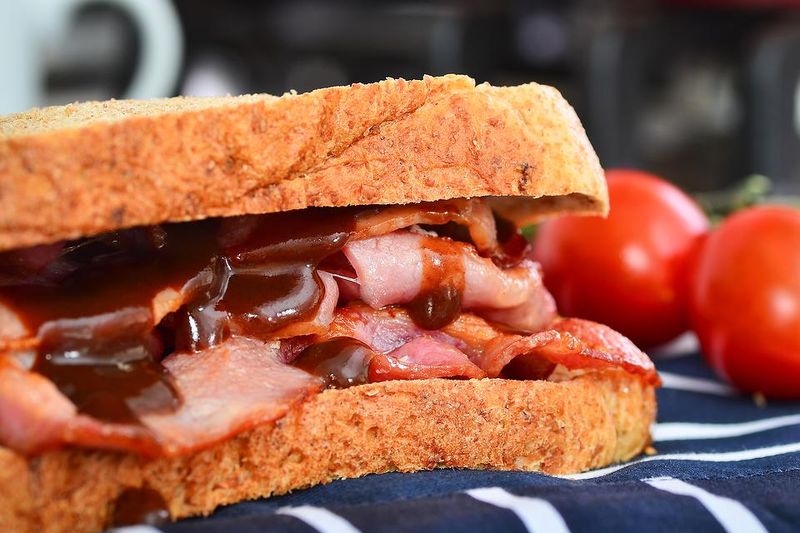
Nothing says British breakfast quite like a bacon butty, and this national treasure shows absolutely no signs of disappearing. Whether you call it a bacon sarnie, bap, or butty, the formula remains gloriously simple: crispy bacon, soft bread, butter, and your choice of sauce.
The beauty lies in its simplicity and the endless regional debates it sparks. Brown sauce or ketchup? White or brown bread? Crispy or soft bacon? These questions have divided families and sparked passionate pub discussions for generations, proving that some sandwiches are simply too perfect to fade away.
7. Cheese And Onion Sandwich
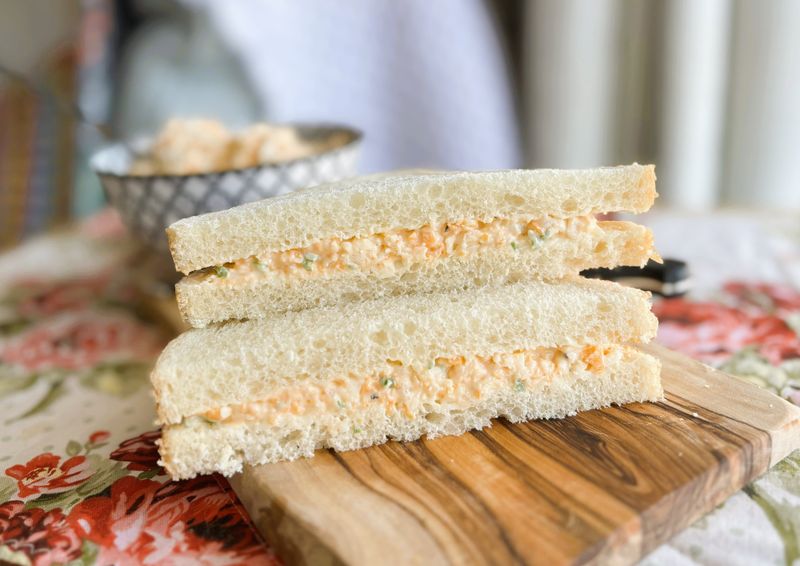
Raw onion breath be damned, the cheese and onion sandwich remains a lunchtime champion across Britain. Sharp cheddar paired with crisp raw onion creates a flavour punch that's both simple and satisfying, requiring nothing more than decent bread and proper butter.
This sandwich has survived decades of food trends because it delivers exactly what it promises without any fuss or pretension. From school lunchboxes to office desks, from building sites to train journeys, cheese and onion continues to fuel the nation with honest, unpretentious flavour that never goes out of style.
8. Cucumber Sandwich
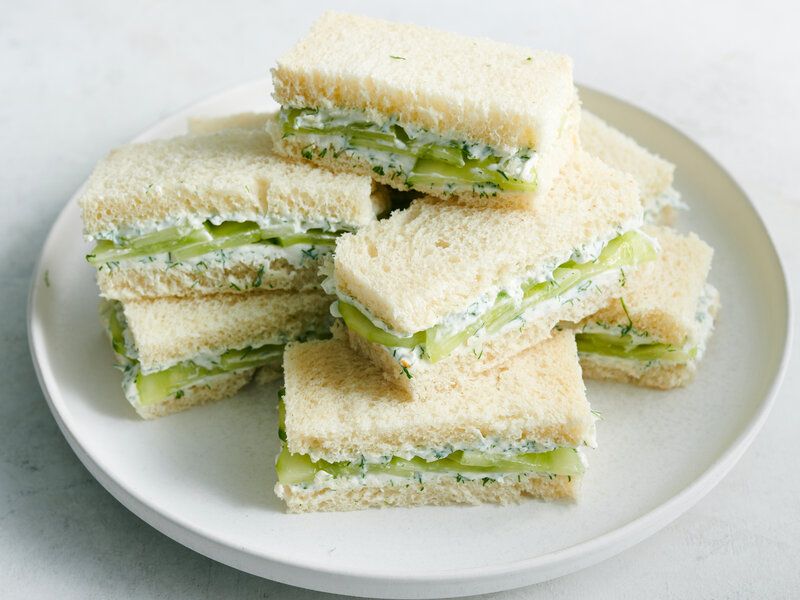
Thinly sliced cucumber on buttered white bread might sound impossibly plain, yet this delicate sandwich has graced British tea tables since Victorian times. The key lies in proper preparation: fresh cucumber, good butter, a pinch of salt, and bread sliced thin enough to read through.
What makes cucumber sandwiches truly timeless is their refreshing simplicity and association with leisurely afternoon teas. Whilst they might seem fancy, they're actually wonderfully straightforward and surprisingly satisfying. This elegant classic proves that sometimes the simplest combinations are the ones that endure through changing food fashions and fads.