







Many of us can still picture the treats we once looked forward to, only for them to quietly disappear from the shelves.
As tastes shifted and new products arrived, some long-standing favourites faded into the past. These vintage food brands may no longer be found in British shops, but they remain part of the country’s shared food memories.
This article is for general information only. Product taste, appearance, and availability may vary, and photos are for illustrative purposes.
1. Ayds Candy
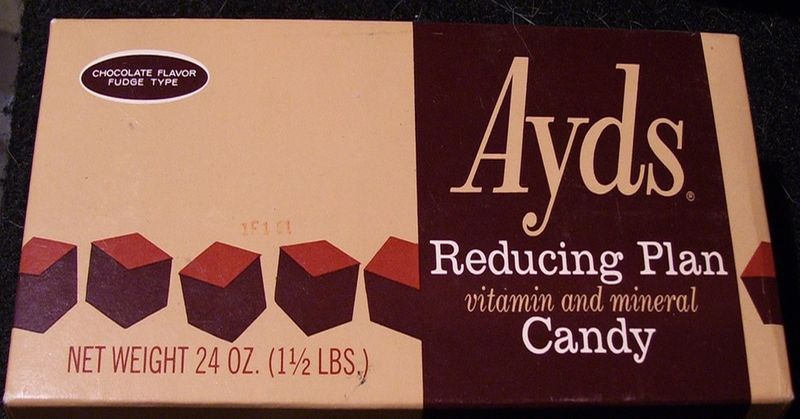
Before weight-loss shakes and meal replacement bars, there were appetite-suppressing sweets with an unfortunate name. Ayds Candy was a popular diet aid in the UK during the 1970s and early 1980s.
The caramel-flavoured treats contained an appetite suppressant meant to be consumed before meals. Despite strong sales for decades, the brand couldn't survive the unfortunate coincidence when the AIDS epidemic emerged in the 1980s.
2. Concentrate Cereal
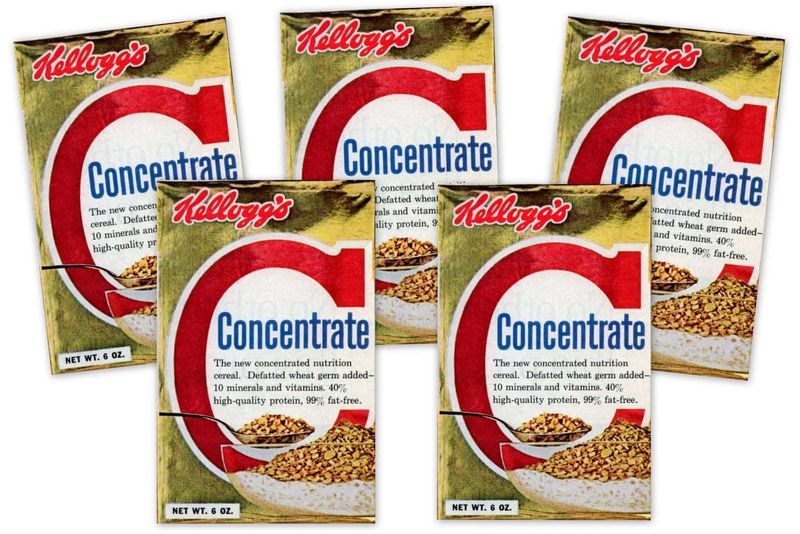
Tiny but mighty, this unusual breakfast offering promised the nutrition of a full bowl in just a small handful. Launched by Kellogg's in the 1950s, Concentrate cereal was marketed as a revolutionary space-saving, nutrient-dense option.
Each serving was just two tablespoons, yet supposedly contained the same nutrition as a full bowl of ordinary cereal. British families initially embraced the novelty, but the peculiar portion size and chalky texture ultimately led to its demise by the late 1960s.
3. Libbyland Adventure Dinners
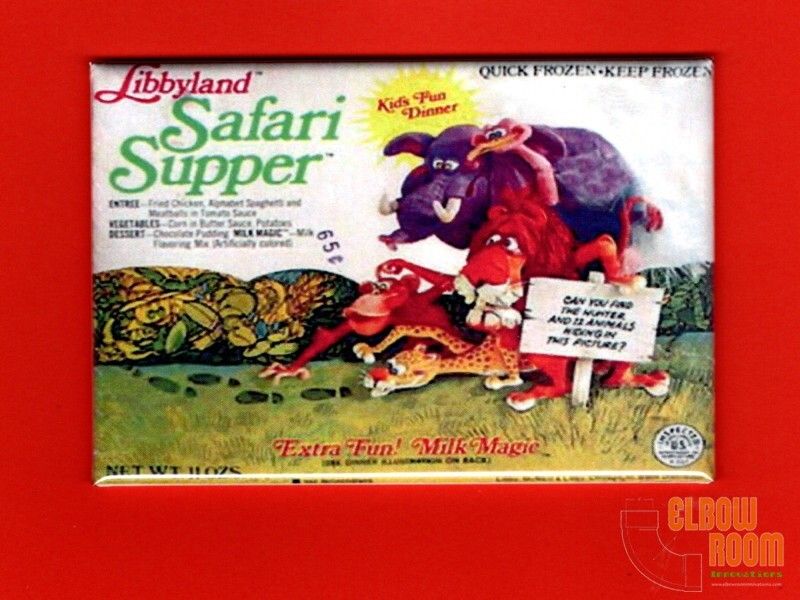
Long before Happy Meals, British children of the 1970s clamoured for these pioneering compartmentalised frozen dinners. With playful names like 'Safari Supper' and 'Sea Diver's Dinner', each meal came in a colourful box that transformed into a playset.
The food itself was simple – fish fingers, tiny burgers, or chicken pieces with chips and veg. Libbyland dinners disappeared by the late 1970s, outcompeted by fast food restaurants offering more elaborate toys with their children's meals.
4. Mrs. Bumby's Potato Chips
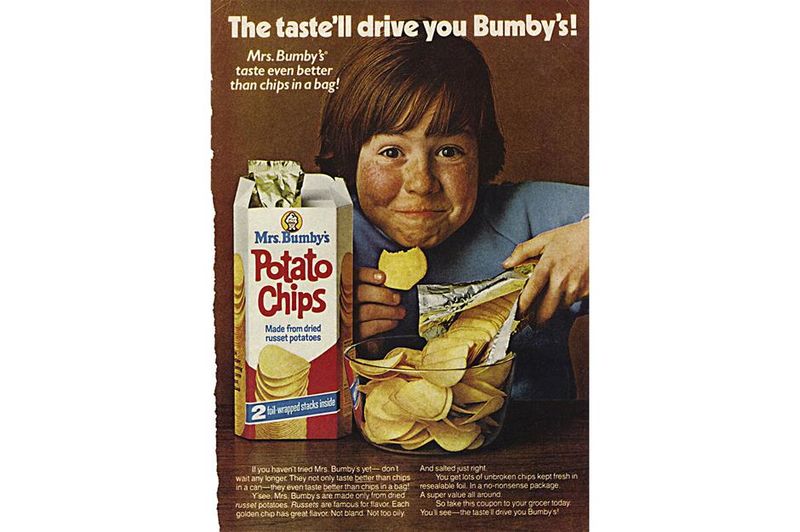
The crinkle-cut crisps that dominated British corner shops in the 1960s came in those distinctive paper packets with the cheerful cartoon housewife on the front. Mrs. Bumby's offered flavours considered exotic at the time – cheese and onion was their pioneering creation.
The small family-run company operated out of Yorkshire and delivered their goods via a fleet of distinctive red vans. Larger manufacturers with better distribution networks and flashier packaging eventually pushed Mrs. Bumby's out of business by the mid-1970s.
5. Uneeda Biscuit
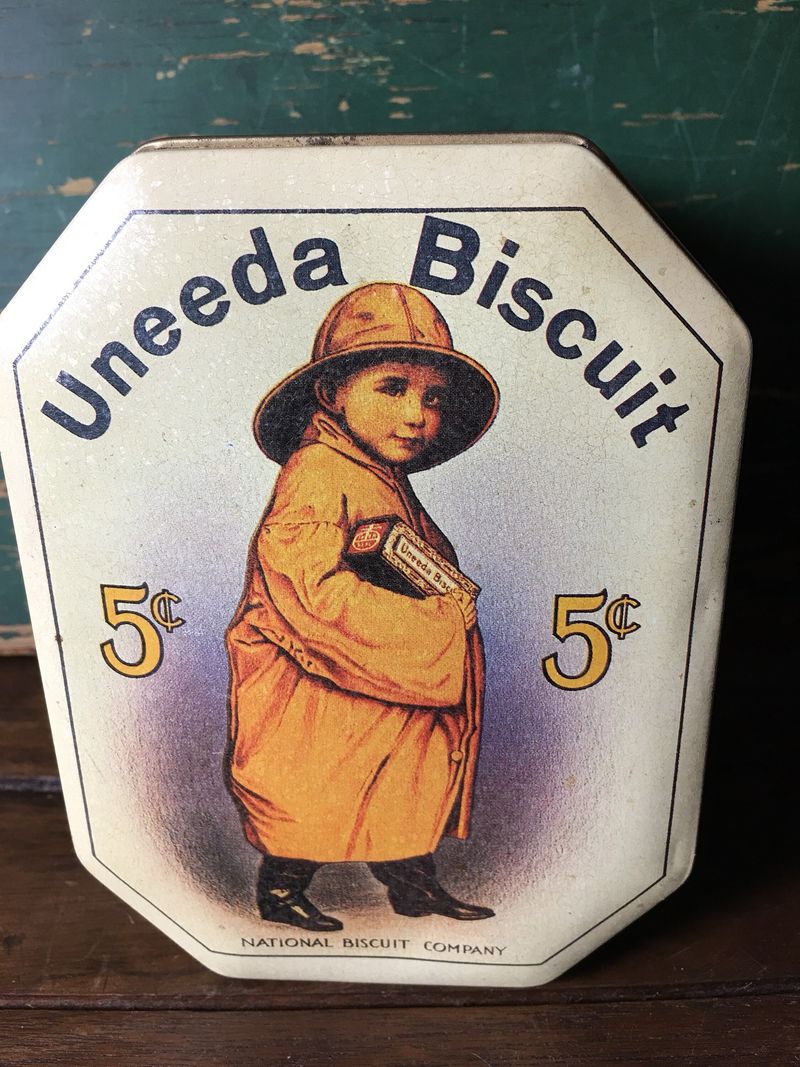
The revolutionary sealed package that changed snacking forever arrived in British shops in the early 1900s. Nabisco's Uneeda Biscuit wasn't particularly fancy – just a plain, slightly salty cracker – but its innovative wax paper inner wrap kept biscuits fresh in an era when most were sold from open barrels.
The mascot, a boy in a yellow raincoat called the 'Uneeda Boy', became a familiar sight in advertisements. Despite its groundbreaking packaging, changing consumer preferences for sweeter, more varied biscuits led to its discontinuation in the 1970s.
6. Koogle
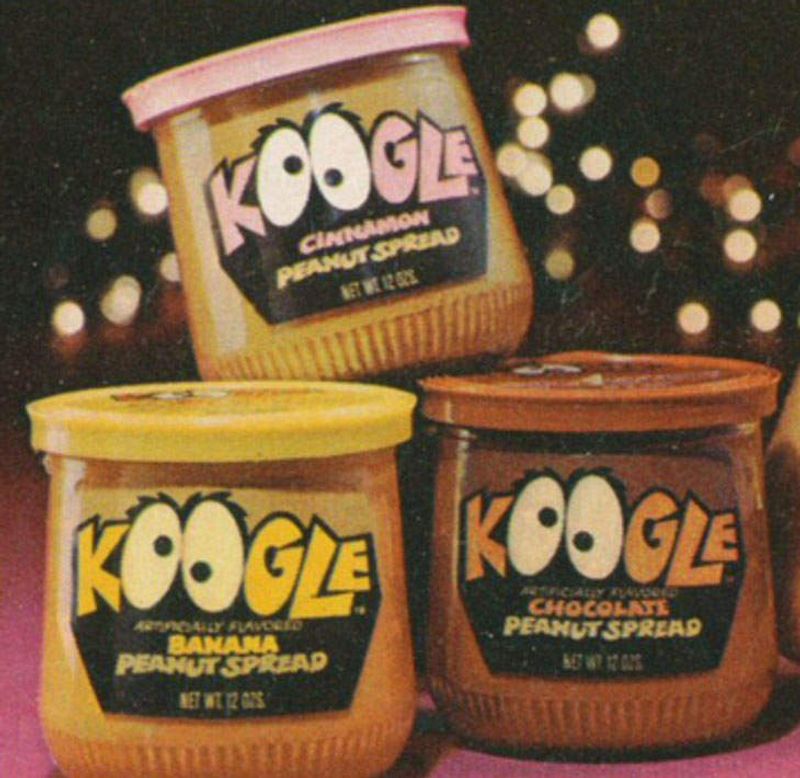
Peanut butter got a colourful makeover in the early 1970s with flavoured varieties that had children begging for sandwiches. Koogle, launched by Kraft, came in chocolate, cinnamon, vanilla, and banana flavours, each with vibrant packaging featuring a cartoon character.
The banana version was particularly popular in British school lunchboxes. Television adverts showed the Koogle character – a fuzzy puppet with googly eyes – dancing about manically. Despite initial success, parents' concerns about added sugar and artificial flavours led to its discontinuation by the late 1970s.