










Out-of-season vegetables often lose the flavour and freshness that make them worth eating. When produce is grown or imported outside its natural season, it can taste bland, cost more, and offer fewer nutrients.
Choosing fruits and vegetables when they’re at their best ensures better taste, value, and quality – and helps support more sustainable food practices.
This article is for general informational purposes only. Availability, taste, and freshness may vary depending on season and location.
1. Tomatoes
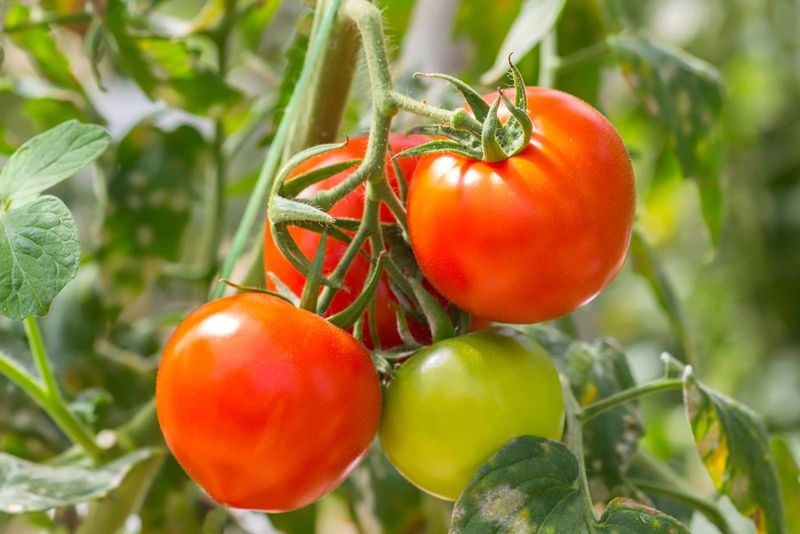
Picture biting into a sun-warmed tomato fresh from the vine in August – that's the benchmark. Winter tomatoes, shipped from halfway across the globe, lack the sunshine and warmth that develop their natural sugars and that unmistakable tangy sweetness.
Nutritionist Dr Emma Derbyshire notes that out-of-season tomatoes often spend weeks in cold storage, which breaks down their delicate cell structure and leaves them mealy and tasteless. British-grown tomatoes peak between June and September, when they're bursting with flavour and actually worth eating raw.
2. Sweetcorn
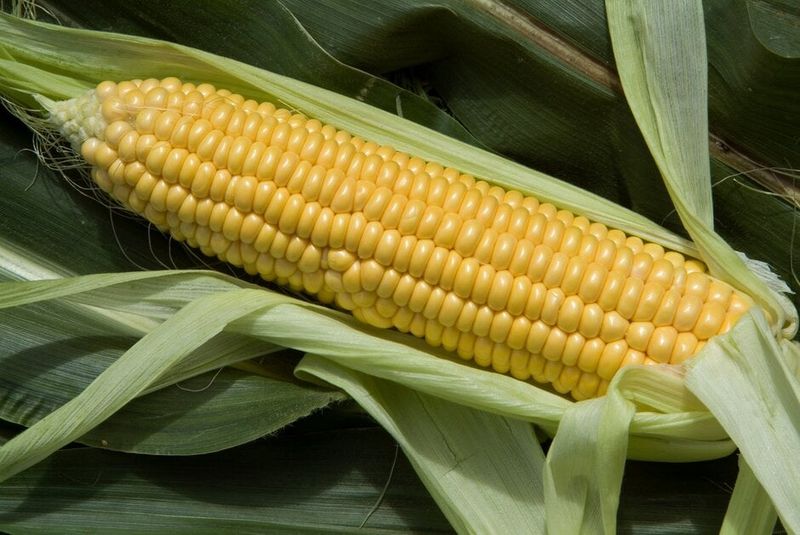
There's a reason sweetcorn tastes best at summer barbecues – its natural sugars start converting to starch the moment it's picked. That means the longer it travels, the less sweet it becomes, turning into a pale shadow of its former glory.
British sweetcorn season runs from late July through September, and it's absolutely worth waiting for. Out-of-season imports often arrive tough and starchy, lacking that juicy pop you get from fresh cobs. Nutritionists recommend buying it as close to harvest as possible for maximum flavour and nutrition.
3. Asparagus
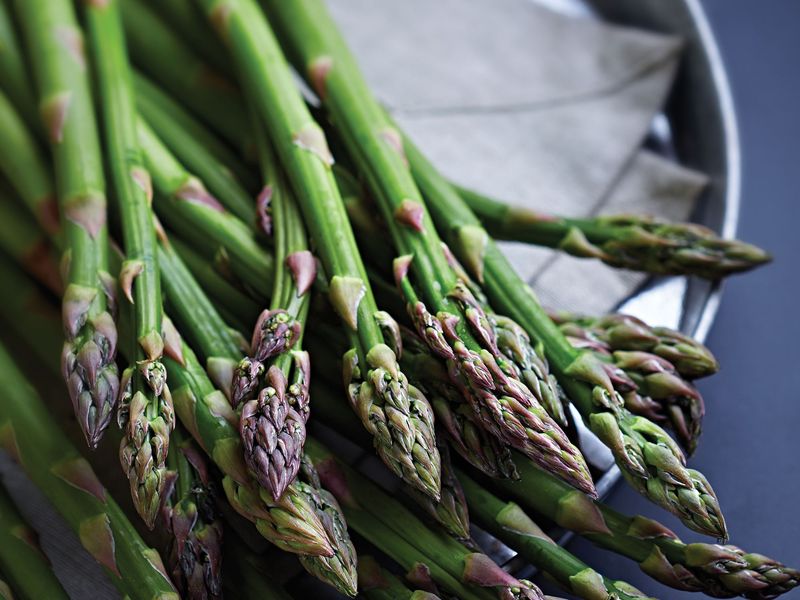
British asparagus season is famously short – roughly six weeks from late April to mid-June – and for good reason. This finicky vegetable demands specific growing conditions and loses its delicate flavour rapidly after picking.
Out-of-season asparagus flown in from Peru or Mexico tastes woody and bitter, a far cry from the tender, sweet spears grown in Worcestershire or Norfolk. Food experts agree that asparagus is one veg absolutely worth waiting for. When it's in season, it's sublime; when it's not, it's simply not worth your money or plate space.
4. Peppers
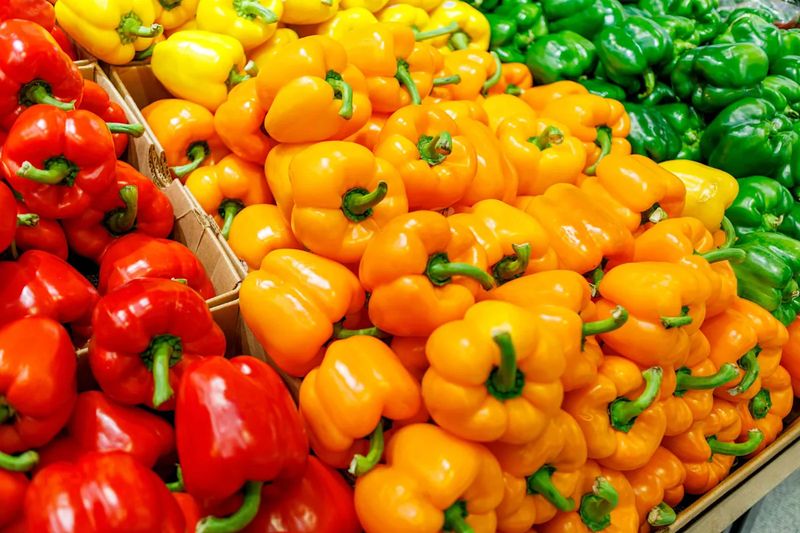
Peppers need proper sunshine to develop their sweetness and vibrant colour, which is why winter specimens from heated greenhouses taste disappointingly bland. They're technically available year-round, but the quality drops dramatically outside their natural season.
British-grown peppers thrive from July to October, when they're thick-walled, crunchy, and genuinely sweet rather than watery. Registered dietitian Sarah Coe points out that out-of-season peppers also cost significantly more whilst delivering far less flavour. Save your cash and wait until late summer when they're actually worth eating.
5. Courgettes
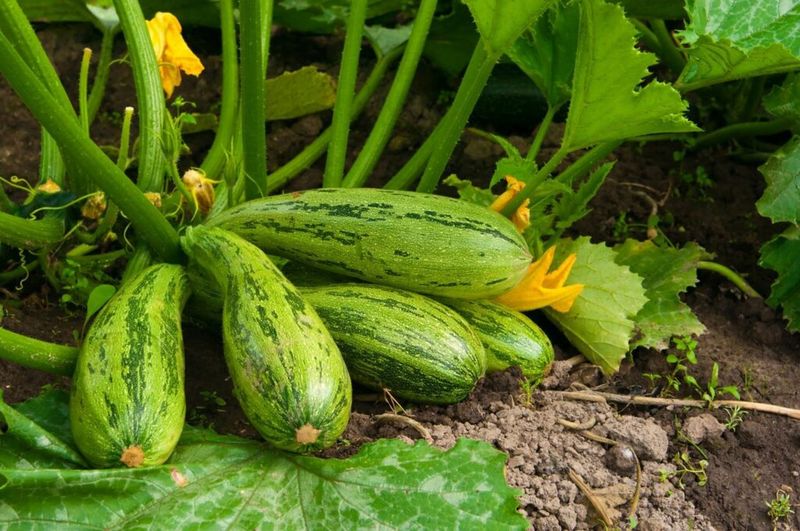
Courgettes are proper summer babies, thriving in warm weather and producing abundantly from June through September. Outside this window, they're often watery, flavourless, and frankly a bit sad-looking.
British allotment gardeners know that courgettes grow like mad in summer, which is exactly when you should be buying them. Winter imports lack the firm texture and subtle nutty flavour of seasonal ones, turning to mush the moment they hit a hot pan. Experts recommend freezing grated courgettes during peak season if you're desperate for them in winter months.
6. Spinach
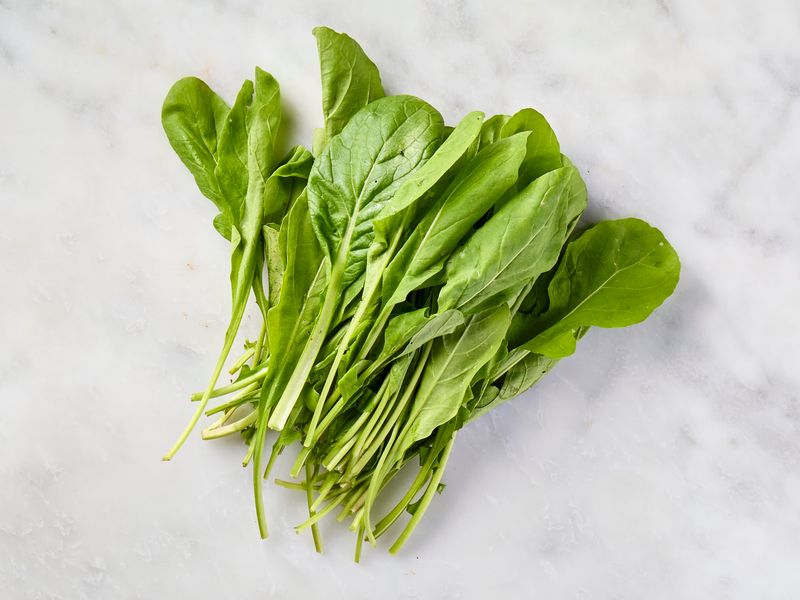
Proper British spinach thrives in cooler weather, making it a spring and autumn superstar rather than a summer one. Warm temperatures cause it to bolt quickly, turning leaves bitter and unpleasant.
Out-of-season spinach often arrives limp, slimy, and past its best, having travelled long distances in refrigerated lorries. Nutritionist Rhiannon Lambert recommends buying British-grown spinach from March to May and again from September to November, when it's crisp, sweet, and packed with nutrients. Frozen spinach offers a decent alternative when fresh isn't in season, maintaining more vitamins than sad, wilted imports.
7. Broccoli
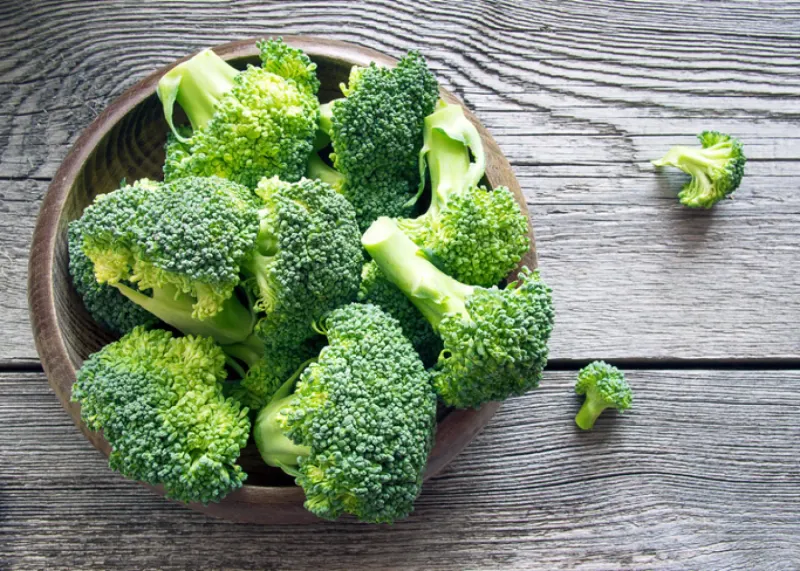
British broccoli peaks twice yearly – spring and autumn – when cooler temperatures produce tight, flavourful florets. Summer heat causes it to flower too quickly, whilst winter imports often arrive yellowing and past their prime.
Food experts avoid out-of-season broccoli because it's frequently woody, bitter, and lacks the sweet nuttiness of properly grown specimens. Dr Frankie Phillips, a registered dietitian, notes that seasonal broccoli contains higher levels of beneficial compounds like sulforaphane. Look for British-grown heads from March to May and September to November for the best flavour and nutritional bang.
8. Brussels Sprouts
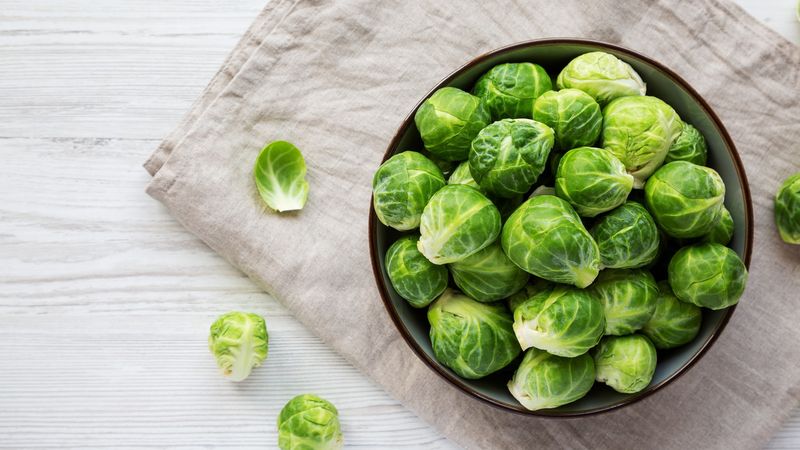
There's a reason sprouts appear on Christmas dinner tables – they genuinely taste better after a good frost. Cold temperatures convert their starches to sugars, mellowing their notorious bitterness and creating that nutty, sweet flavour people actually enjoy.
British sprouts season runs from September through February, peaking around December. Buying them in summer makes absolutely no sense, as they'll be bitter, tough, and completely lacking the flavour that makes them worthwhile. Experts recommend waiting until proper winter weather arrives before bothering with these festive favourites.
9. Carrots
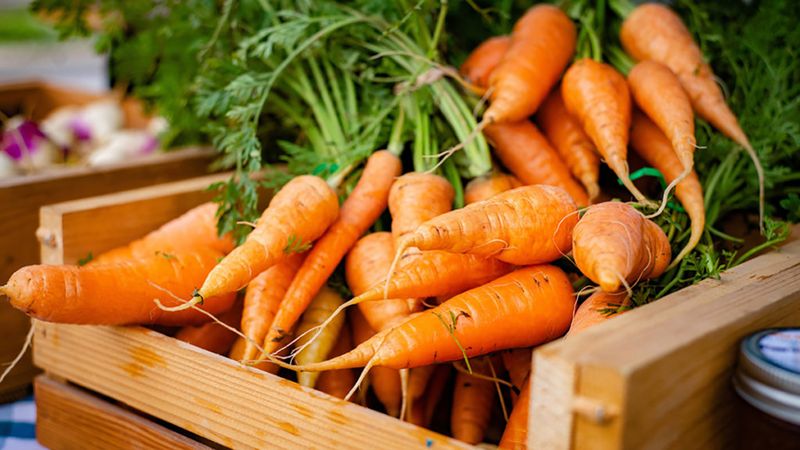
Whilst carrots are technically available year-round thanks to storage varieties, there's a massive difference between fresh-dug summer carrots and winter storage ones. New season carrots from May to July are tender, sweet, and need barely any cooking.
Storage carrots can turn woody and bitter, especially towards spring when they're trying to sprout. Nutritionist Helen Bond suggests looking for British-grown carrots during their peak season for maximum sweetness and crunch. Farmers markets often sell different varieties throughout the year, but those pulled fresh from British soil in summer are genuinely special.