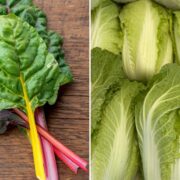











Many vegetables appear regularly across a wide range of global cooking styles, making them reliable staples in everyday kitchens. Their flavour profiles, textures, and cooking flexibility allow them to adapt well to different spices, sauces, and preparation methods.
From slow cooked dishes to quick stir fries and fresh salads, these ingredients support a broad range of recipes without requiring specialised techniques.
Looking at vegetables that perform consistently across cuisines can help simplify meal planning and make grocery shopping more versatile.
All information is provided for general information only. Taste, appearance, and availability may vary.
Photos are for illustrative purposes only.
1. Onion
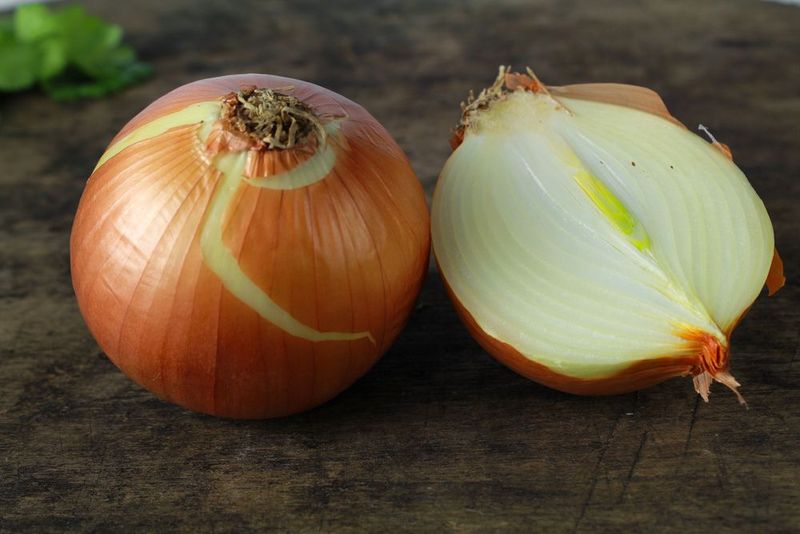
No kitchen is complete without onions. They form the flavour foundation for countless dishes, from French onion soup to Indian curries and Mexican salsas.
Caramelised, they become sweet and jammy. Raw, they bring sharp bite to salads and sandwiches.
Sautéed with garlic, they create the aromatic base that makes your whole house smell brilliant.
Rich in antioxidants and fibre, onions aren't just tasty but good for you too. They're affordable, store for ages, and transform ordinary meals into something special.
2. Garlic
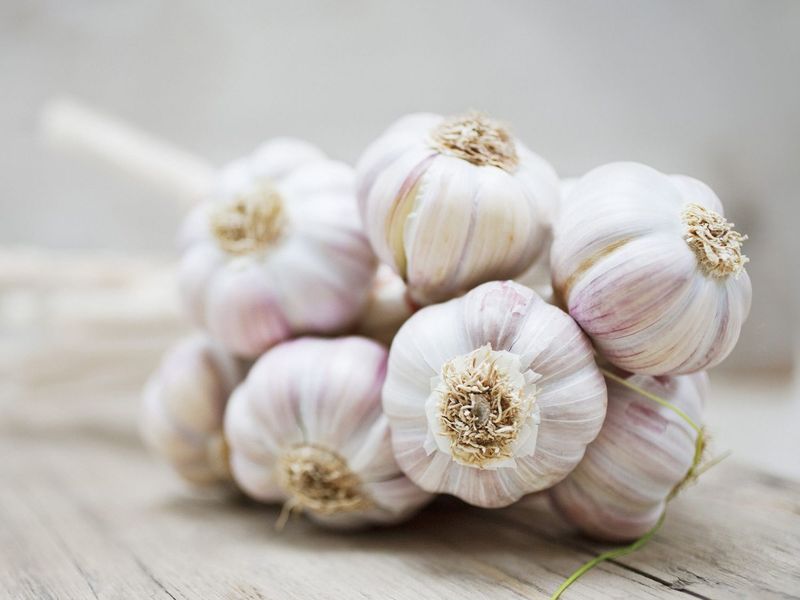
Small but mighty, garlic punches well above its weight. This pungent bulb is the secret weapon in kitchens from Rome to Bangkok, adding depth and warmth to nearly everything it touches.
Minced into stir-fries, it sizzles with fragrant intensity. Roasted whole, it mellows into sweet, spreadable gold.
Crushed into pasta sauces or curries, it creates layers of flavour impossible to replicate.
Beyond taste, garlic boasts impressive health benefits, including immune support and heart health properties. A little goes a long way in transforming bland into brilliant.
3. Tomato
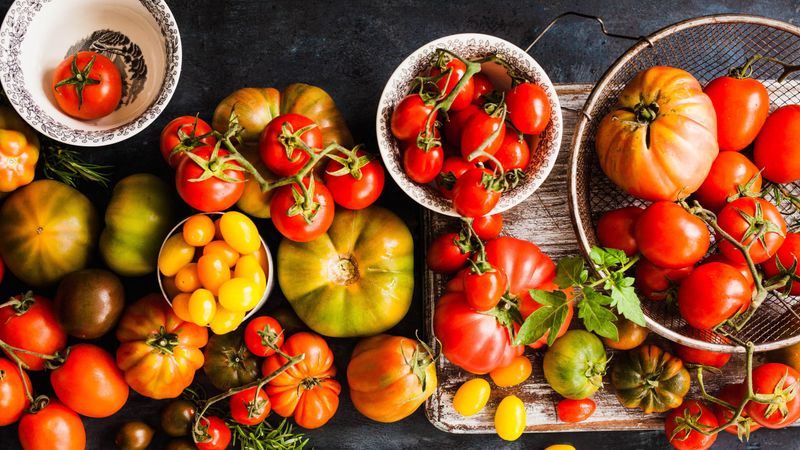
Technically a fruit, but who's counting? Tomatoes are absolute legends in the culinary world, starring in Italian marinara, Mexican salsa, Indian curry, and Greek salad with equal confidence.
Fresh, they burst with juicy sweetness. Cooked down into sauce, they become rich and concentrated.
Sun-dried or roasted, they develop deep, complex flavours that elevate any dish.
Packed with vitamin C and lycopene, tomatoes support heart health whilst making everything taste incredible. From cherry to beefsteak, there's a variety for every purpose.
4. Bell Pepper
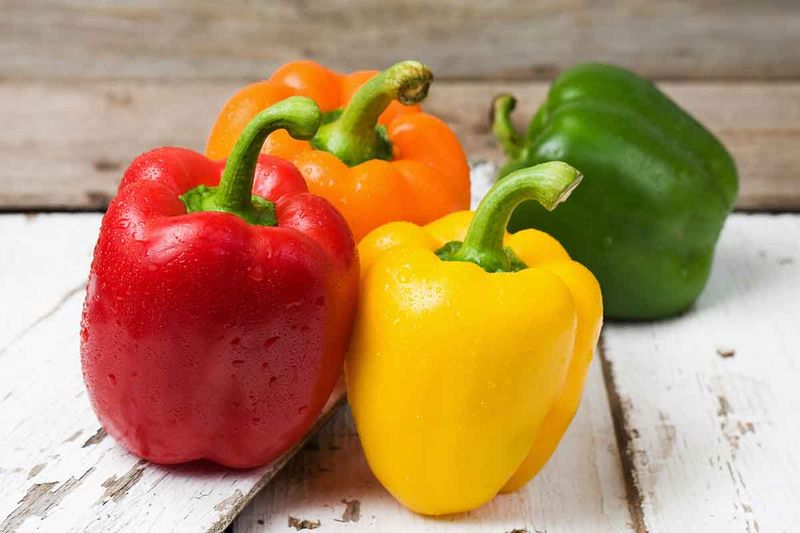
Colourful and crunchy, bell peppers bring visual appeal and sweet flavour to the table. Red ones are sweetest, whilst green offer a sharper, more vegetal bite.
Yellow and orange sit somewhere in between.
They're brilliant raw in salads, adding crunch and colour. Roasted, they become silky and sweet.
Stuffed with rice or meat, they transform into a complete meal that works in Mediterranean, Mexican, or Asian contexts.
Loaded with vitamin C and antioxidants, bell peppers are as nutritious as they are versatile.
5. Carrot
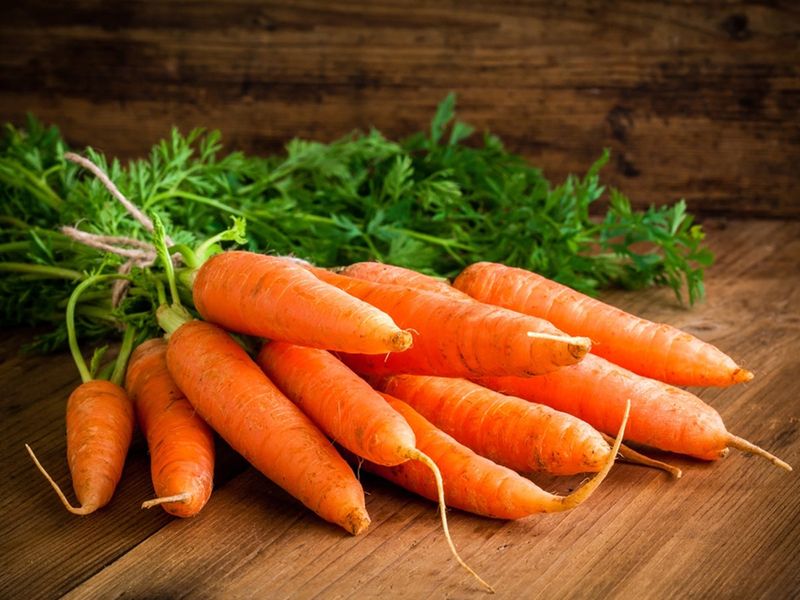
Carrots are the sweet underdogs of the vegetable world. Their natural sugar content makes them surprisingly adaptable, working in savoury stews, fresh salads, and even cakes.
Julienned, they add crunch to Vietnamese spring rolls. Roasted, they caramelise beautifully alongside Sunday roasts.
Grated into Moroccan salads or simmered in French mirepoix, they bring subtle sweetness that balances stronger flavours.
High in beta-carotene, carrots support eye health and immune function. They're affordable, keep well, and loved by kids and adults alike.
6. Courgette
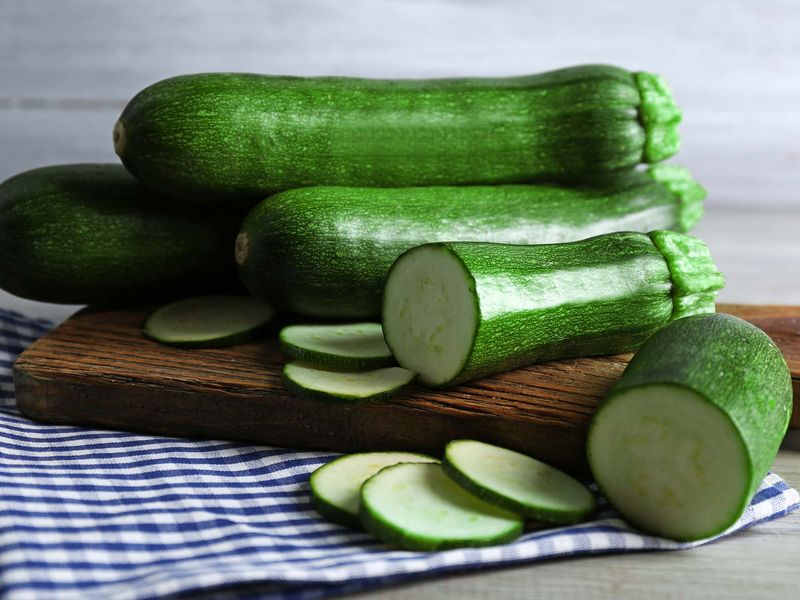
Americans call it zucchini, but courgette sounds far posher. This mild summer squash is a chameleon, absorbing whatever flavours surround it whilst adding pleasant texture.
Grilled, it develops lovely char marks and smoky notes. Spiralised, it becomes a low-carb pasta alternative.
Baked into bread or fritters, it adds moisture and subtle sweetness that works brilliantly.
Low in calories but high in vitamin C, courgette is brilliant for bulking up meals without weighing you down. It's equally at home in Italian ratatouille or Asian stir-fries.
7. Aubergine
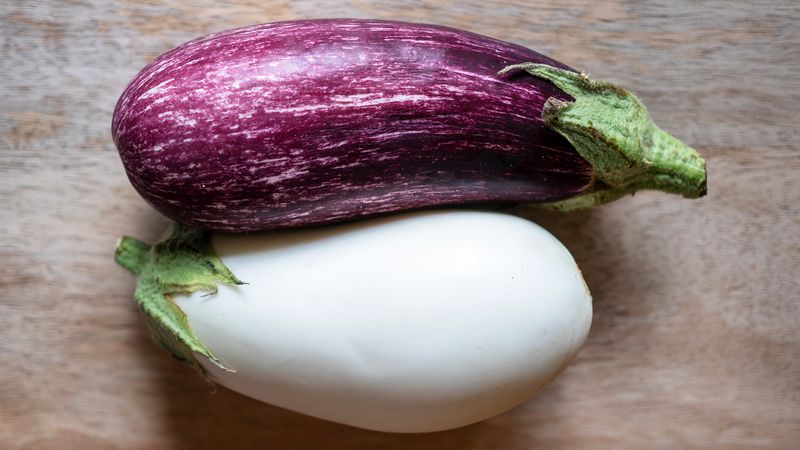
With its glossy purple skin and meaty texture, aubergine commands respect. The British know it as aubergine, Americans as eggplant, but everyone agrees it's magnificent when cooked properly.
Roasted until creamy, it becomes baba ganoush. Layered in moussaka or parmigiana, it holds its own against cheese and sauce.
Grilled in Asian dishes, it soaks up soy and sesame flavours beautifully.
Rich in fibre and antioxidants, aubergine offers substance without heaviness. It needs proper cooking to shine, but rewards patience with incredible depth and satisfaction.
8. Spinach
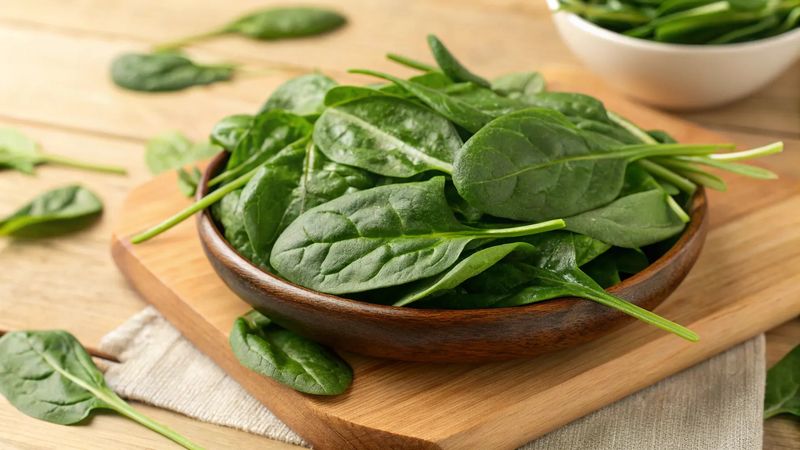
Popeye wasn't wrong about spinach. These tender green leaves pack serious nutritional punch whilst remaining remarkably versatile across cuisines.
Wilted into Italian pasta, it adds colour and earthy flavour. Blended into Indian saag paneer, it creates silky, vibrant sauce.
Tossed fresh into salads or smoothies, it delivers iron and vitamins without overwhelming other ingredients.
Rich in iron, vitamins A and C, spinach supports everything from bone health to immune function. It cooks down dramatically, so buy more than you think you need for cooked dishes.
9. Broccoli
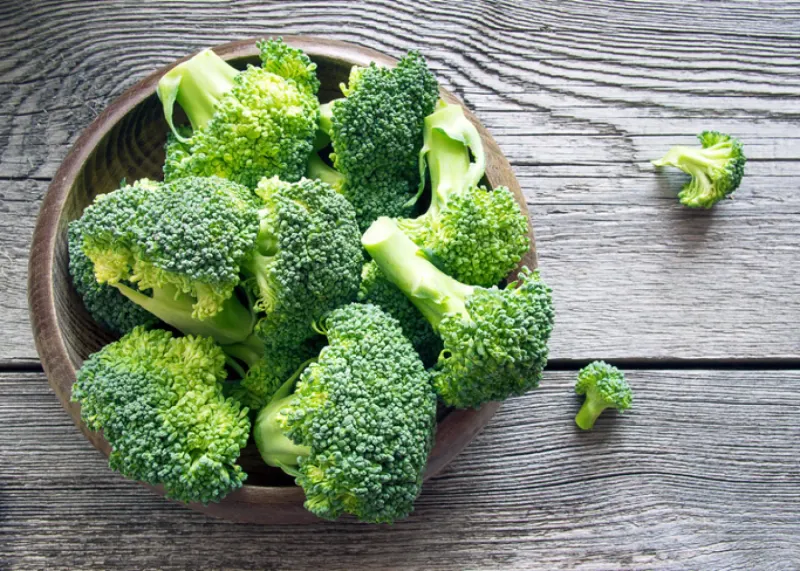
Often called the king of cruciferous vegetables, broccoli divides opinion amongst kids but wins over most adults. Those little green trees are nutritional powerhouses that work across surprising culinary contexts.
Steamed until just tender, it retains bright colour and slight crunch. Roasted at high heat, it develops crispy, almost nutty edges.
Tossed into Chinese stir-fries or Italian pasta, it adds substance and texture.
Loaded with fibre, vitamins C and K, broccoli supports heart and bone health brilliantly.
10. Cabbage
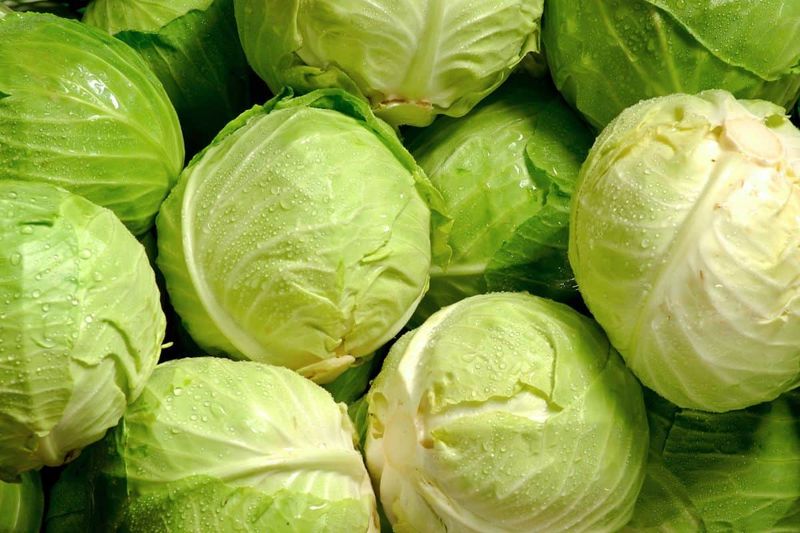
Don't underestimate cabbage. This humble leafy vegetable has fed civilisations for centuries, proving its worth in everything from Irish colcannon to Korean kimchi.
Shredded raw, it becomes crunchy coleslaw. Fermented, it transforms into probiotic-rich sauerkraut or kimchi.
Braised slowly, it mellows into sweet, tender comfort food that pairs beautifully with roasted meats.
Rich in vitamins K and C, cabbage supports bone health and immune function. It's incredibly affordable, stores brilliantly, and stretches meals without compromising flavour or nutrition.
11. Cauliflower
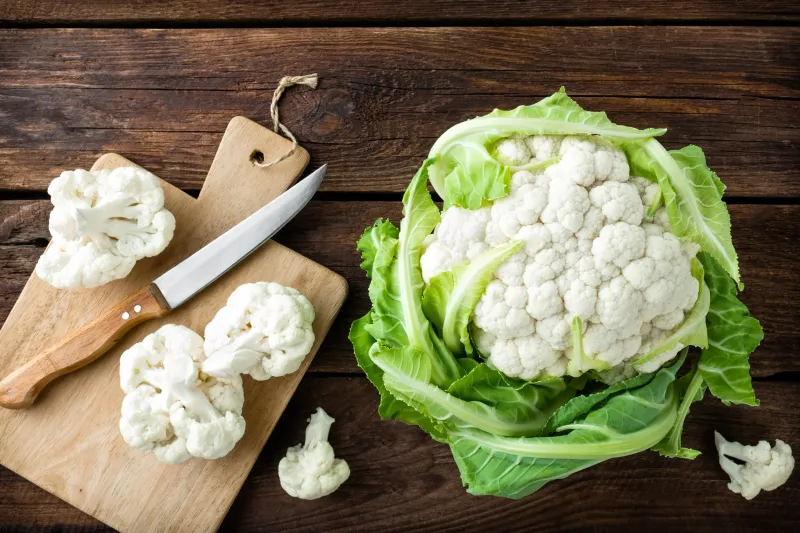
Cauliflower has enjoyed a proper renaissance recently, moving from boring side dish to trendy superfood. Its mild flavour and unique texture make it incredibly adaptable.
Roasted whole, it becomes a stunning centrepiece. Riced, it offers a low-carb alternative to grains.
Mashed, it mimics potatoes with fewer carbs. Tossed in spices and roasted, it develops crispy, golden edges that taste almost indulgent.
High in fibre and vitamin C, cauliflower supports digestion and immune health. It works equally well in Indian curries, Italian gratins, or modern Buddha bowls.
12. Green Beans
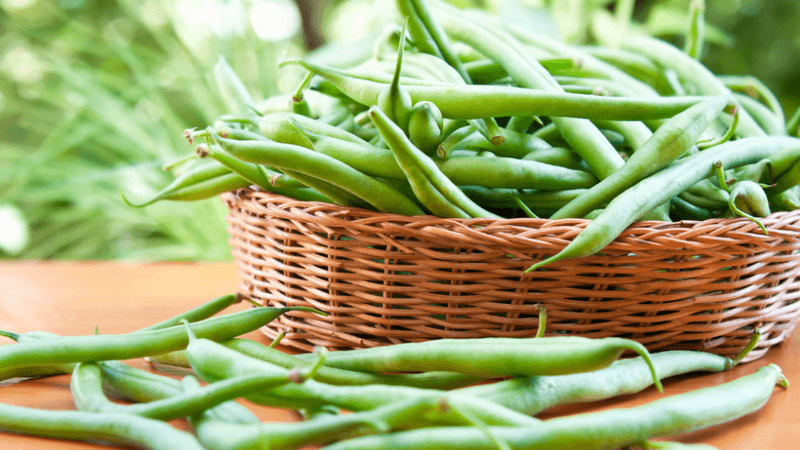
Crisp, bright, and satisfying, green beans bring snap and colour to plates worldwide. The French call them haricots verts, but whatever the name, they're universally loved.
Blanched and tossed in butter, they're classic French bistro fare. Stir-fried with garlic and chilli, they become addictive Chinese restaurant favourites.
Simmered in tomato sauce, they fit perfectly into Mediterranean vegetable medleys.
Low in calories but rich in vitamins and fibre, green beans add nutrition and texture without heaviness. They cook quickly and pair with nearly everything.