







Holiday traditions vary wildly from country to country – what’s comforting to one crowd can seem completely baffling to another.
In the United States, sweet and savoury combinations often take centre stage, while elsewhere, festive feasts follow entirely different rules.
From marshmallow-topped casseroles to spiced global favourites, these dishes highlight just how diverse holiday dining can be – and why everyone swears their version is the right one.
All information is provided for general interest and entertainment purposes only.
Details are based on publicly available information about traditional holiday foods and cultural customs.
Taste, preparation, and availability may vary.
Photos are for illustrative purposes only.
U.S. Holiday Dishes That Confuse Europeans
American holiday tables are brilliant at sparking conversation, especially when Europeans pop round for dinner.
These five dishes represent classic American holiday traditions that leave visitors from across the pond absolutely gobsmacked.
From marshmallow-topped vegetables to gelatinous salads, these recipes showcase the unique creativity and boldness of American festive cooking that Europeans simply can't wrap their heads around.
1. Ambrosia Salad
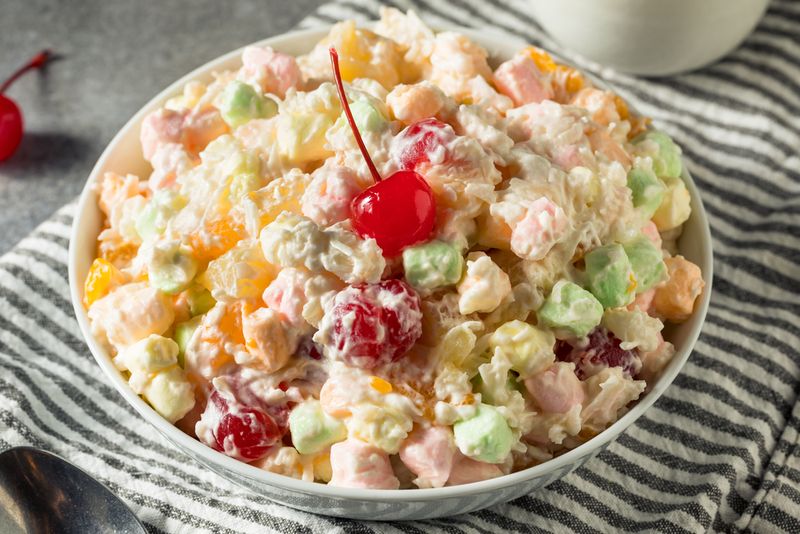
Calling this a salad is the first source of confusion.
Tinned fruits, miniature marshmallows, shredded coconut, and dollops of whipped cream combine into something that looks more like a child's dream dessert.
Europeans, who associate salads with lettuce and vinaigrette, are genuinely baffled by this sweet concoction appearing alongside the turkey.
Named after the food of the Greek gods, ambrosia has graced American holiday tables since the 1800s.
Yet European visitors still pause, fork hovering uncertainly, wondering whether to treat it as pudding or pretend it's actually vegetables.
2. Green Bean Casserole With Crispy Onions
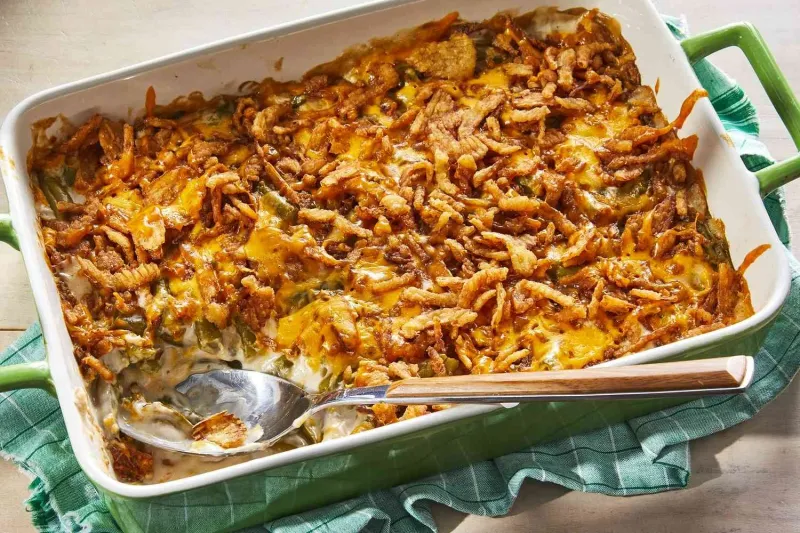
Born from a 1950s Campbell's Soup test kitchen, this casserole has become an American holiday staple.
Green beans swimming in cream of mushroom soup get crowned with crunchy fried onions from a tin.
The reliance on processed ingredients and the peculiar creamy texture leave Europeans utterly perplexed.
Across the pond, vegetables typically arrive at the table simply prepared, perhaps with a knob of butter.
This rich, soup-based creation feels like culinary madness to those raised on fresh, minimally processed holiday fare.
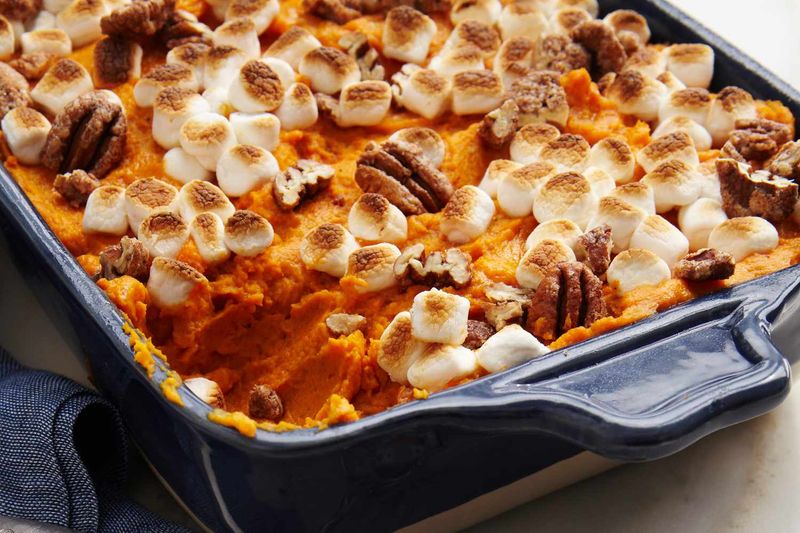
3. Sweet Potato Casserole With Marshmallows
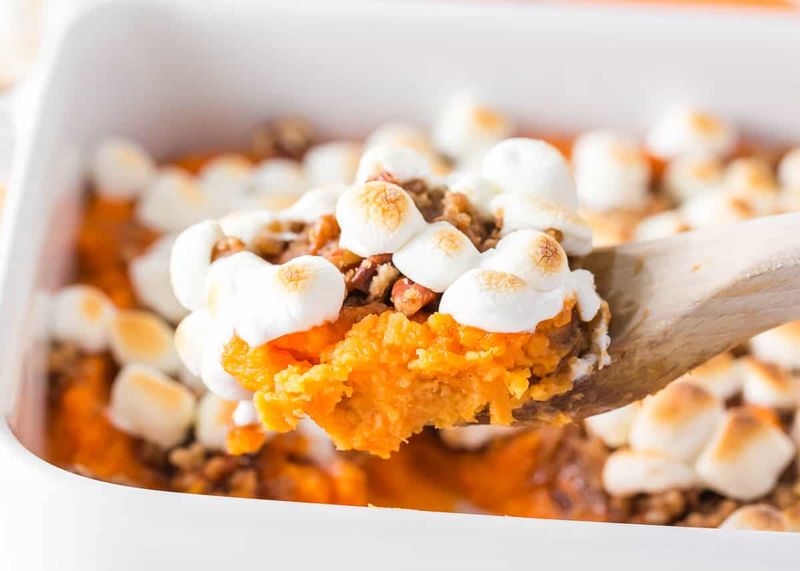
Imagine serving a vegetable dish that's sweeter than most puddings.
Mashed sweet potatoes get mixed with butter and sugar, then crowned with fluffy marshmallows that toast to golden perfection in the oven.
Europeans, who prefer their veg savoury and straightforward, find this combo absolutely baffling.
The line between side dish and dessert becomes wonderfully blurred here.
Americans adore this Thanksgiving classic, whilst European guests often wonder if they've accidentally been served pudding before the main course finished.
4. Jell-O Salad Moulds
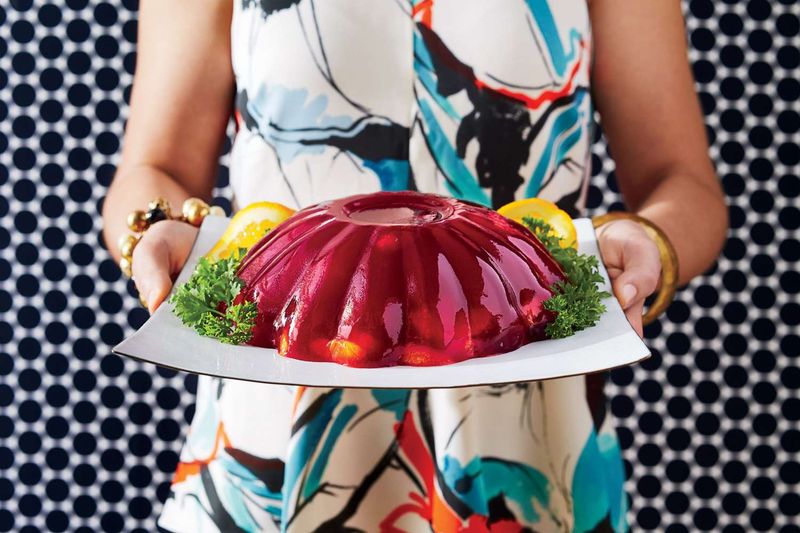
Few things perplex Europeans more than watching gelatine wobble its way to the holiday table.
These jiggly creations might contain fruit, marshmallows, or even vegetables suspended in brightly coloured gelatin.
The concept of mixing sweet gelatin with savoury ingredients seems utterly bonkers to European sensibilities.
Popular since the 1950s, these moulds represent peak mid-century American cooking creativity.
Europeans, meanwhile, reserve gelatin strictly for puddings and would never dream of serving it alongside roast turkey.
The cultural divide here is absolutely massive and endlessly entertaining.
5. Pumpkin Pie As A Main Dessert
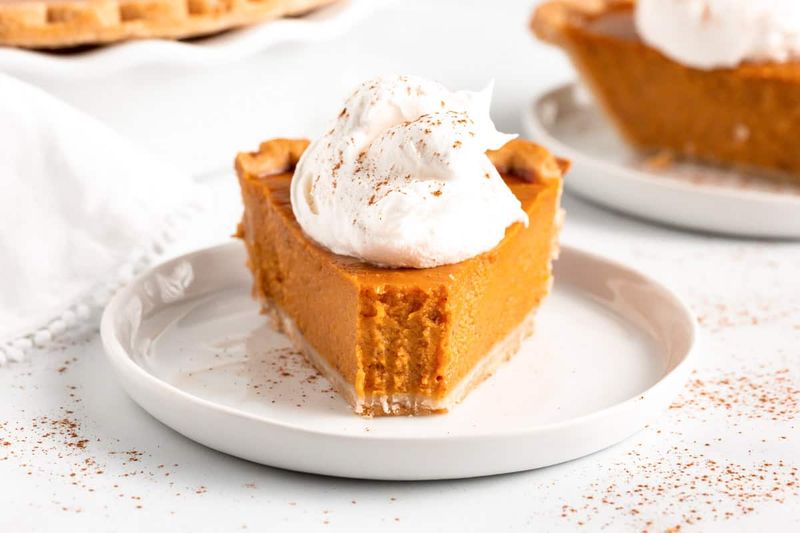
Americans end their Thanksgiving feast with this spiced custard pie without a second thought.
Europeans, however, find the idea of pumpkin in a sweet dessert rather odd.
Across the Atlantic, pumpkins typically appear in savoury soups or roasted as a side dish, not sweetened with cinnamon and nutmeg.
The texture also raises eyebrows – smooth and custardy rather than fruity like European tarts.
British visitors especially wonder why anyone would choose this over a proper fruit crumble or trifle for the holiday finale.
Global Holiday Favourites Everyone Loves

European holiday traditions bring their own delicious mysteries to the festive season.
These six dishes represent beloved global favourites that grace tables from Italy to Australia during the Christmas period.
Rich with history and regional pride, these recipes showcase centuries of culinary tradition that might seem equally puzzling to American guests encountering them for the first time at a proper European holiday celebration.
6. Panettone
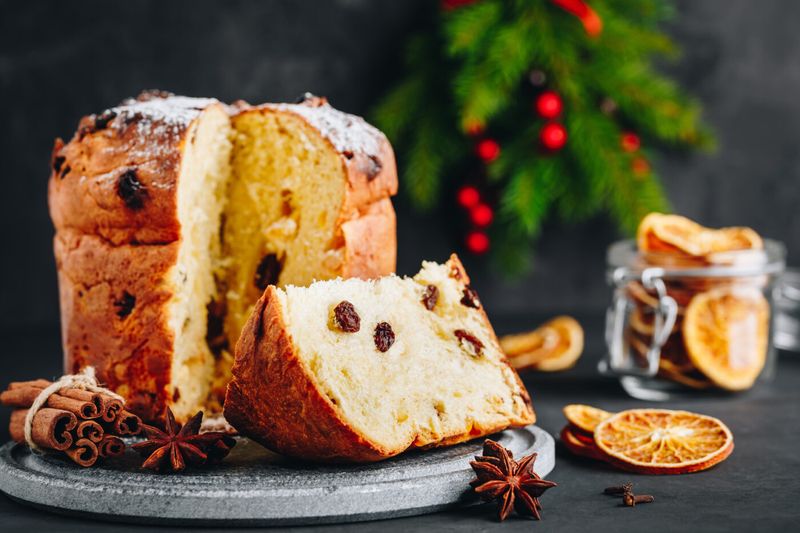
Milan gave the world this towering sweet bread that appears in Italian homes every Christmas.
The dome-shaped loaf, studded with candied fruits and raisins, requires days of patient fermentation to achieve its signature fluffy texture.
Americans often mistake it for fruitcake's distant cousin but find it surprisingly light and delicate.
Italians take their panettone seriously, with heated debates over which bakery makes the finest version.
The bread's subtle sweetness and airy crumb make it perfect for dunking in morning coffee throughout the holiday season, a ritual Americans are only beginning to discover.
7. Yule Log
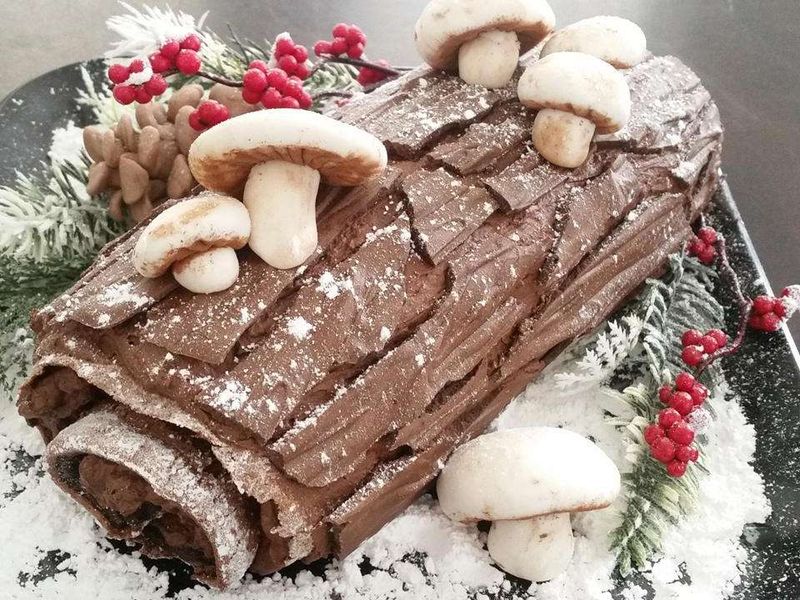
French pâtissiers transform simple sponge cake into edible winter magic with this Christmas showstopper.
Rolled with rich chocolate or coffee buttercream, then decorated to resemble a wooden log complete with bark texture, this dessert traces back to ancient winter solstice traditions.
Americans encountering it for the first time often marvel at the artistry involved.
Meringue mushrooms and dustings of icing sugar complete the forest floor illusion.
Whilst Americans reach for pumpkin or pecan pie, Europeans proudly present their bûche de Noël as the centerpiece of Christmas dessert.
8. Stollen
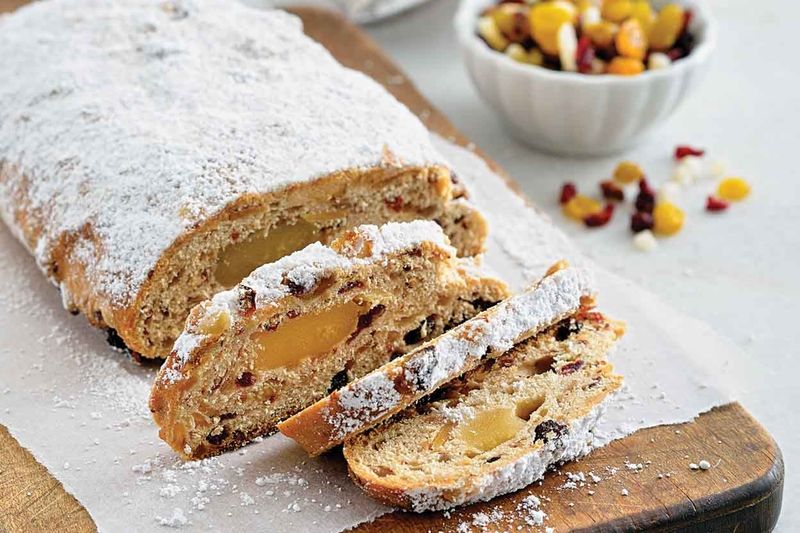
Dresden's gift to Christmas tables worldwide, this dense fruit bread hides a surprise marzipan center.
Germans have been baking stollen since the 1400s, packing it with dried fruits, nuts, and warm spices, then burying it under a mountain of powdered sugar.
The bread improves with age, traditionally made weeks before Christmas to let flavours deepen.
Americans often find it heavier and less sweet than expected, puzzled by its compact texture.
Germans, however, wouldn't dream of celebrating Christmas without slicing into their carefully aged stollen alongside afternoon coffee.
9. Roast Goose
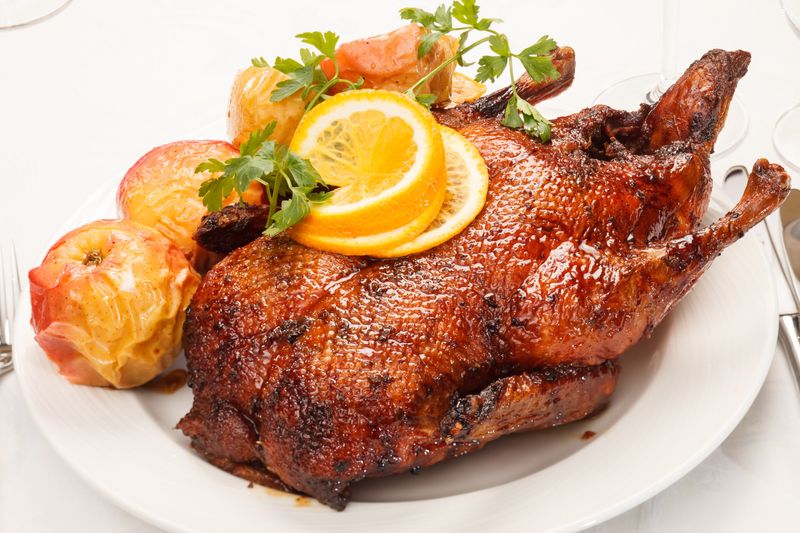
Before turkey dominated holiday tables, goose reigned supreme across Europe.
The rich, dark meat and crispy, fatty skin offer flavours far more intense than turkey, making it the centerpiece of traditional British and German Christmas dinners.
Americans raised on mild turkey breast often find goose surprisingly gamey and wonder about all that rendered fat.
Europeans cherish that fat, saving it for roasting the most incredible potatoes imaginable.
Whilst Americans perfected the Butterball turkey, Europeans remained loyal to their festive goose, a tradition spanning centuries of Christmas celebrations.
10. Pavlova
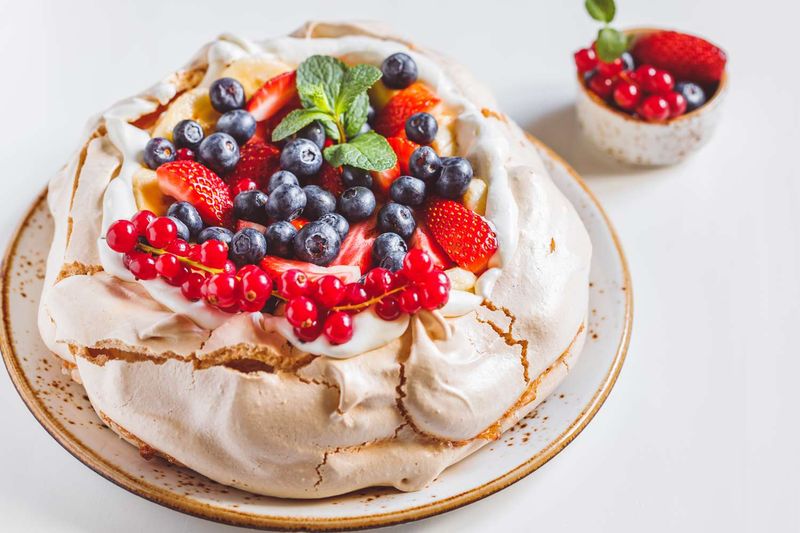
Australia and New Zealand have argued for decades over who invented this cloud-like meringue dessert.
Named after Russian ballerina Anna Pavlova, it features a crispy exterior giving way to marshmallowy softness inside, crowned with whipped cream and fresh summer fruits.
Americans celebrating Christmas in winter find the timing odd – pavlova appears Down Under during hot December days.
The Southern Hemisphere's summer Christmas tradition includes this refreshing dessert instead of heavy puddings.
Its delicate sweetness and light texture make perfect sense when temperatures soar, though Northern visitors initially find it peculiar holiday fare.