








King Charles is known for his royal duties, but did you know his food habits are just as fascinating? From his love of simple, fresh ingredients to his commitment to sustainability, his eating choices reveal a lot about his lifestyle.
Whether you're curious about his favourite meals or the unique food traditions he follows, there’s much more to his dining preferences than meets the eye.
This content is for general purposes only, and food preferences can vary widely based on personal taste and lifestyle choices. Always consider your own dietary needs when exploring new food habits.
1. Starts His Day With Seeds And Nuts
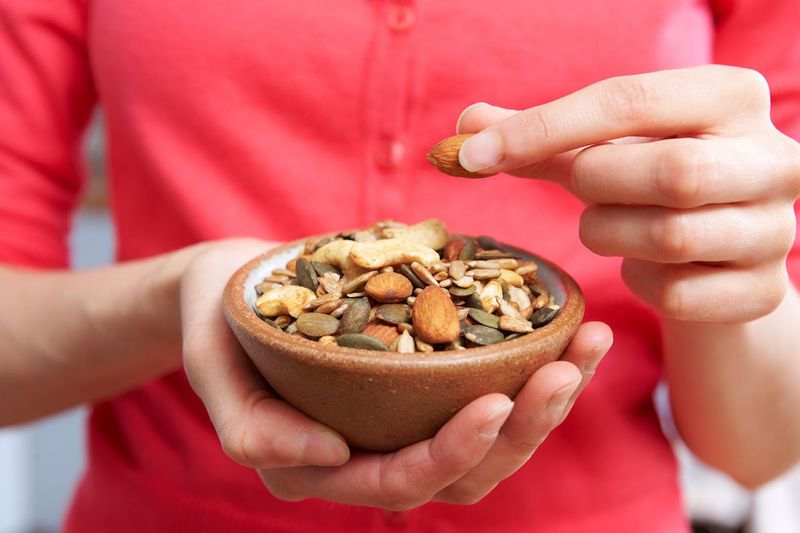
Every morning begins with a simple yet nutritious ritual for the King. He enjoys a bowl of freshly prepared seeds and nuts, carefully selected for their health benefits and natural energy.
This habit dates back decades and reflects his preference for wholesome, unprocessed foods. The combination provides essential nutrients without any artificial additives or sugars, keeping him energised throughout busy royal duties.
2. Skips Traditional Lunch Some Days
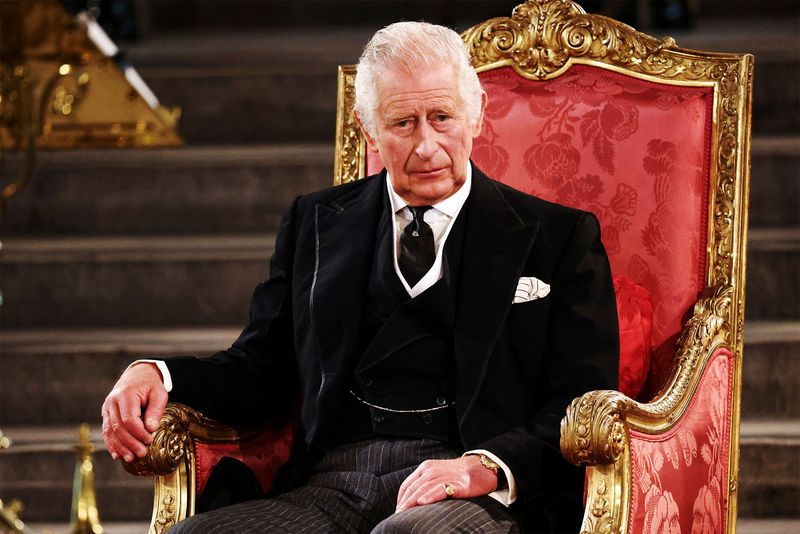
Unlike most people, King Charles often goes without a midday meal entirely. He believes skipping lunch helps him maintain focus and energy during afternoon engagements.
This unconventional approach stems from his desire to avoid feeling sluggish after eating. When he does eat lunch, it's typically something very light, such as a small salad or a piece of fruit, keeping his digestive system at ease.
3. Prefers Loose-Leaf Tea
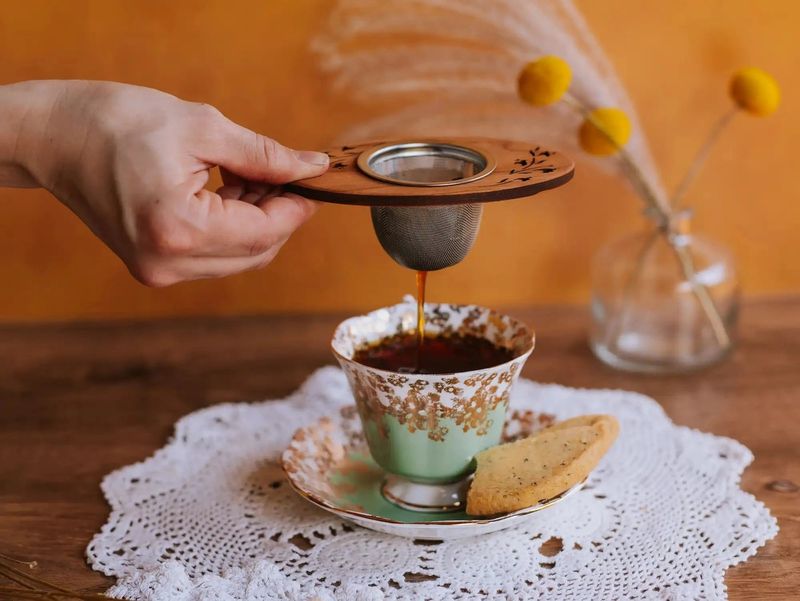
Tea is a beloved British tradition, but King Charles takes it seriously. He insists on loose-leaf varieties rather than convenient tea bags, believing the quality and flavour are far superior.
His preference extends to specific organic blends sourced from his own estates. This attention to detail ensures every cup meets his exacting standards whilst supporting sustainable farming methods he champions personally.
4. Has A Precise Egg Cooking Habit
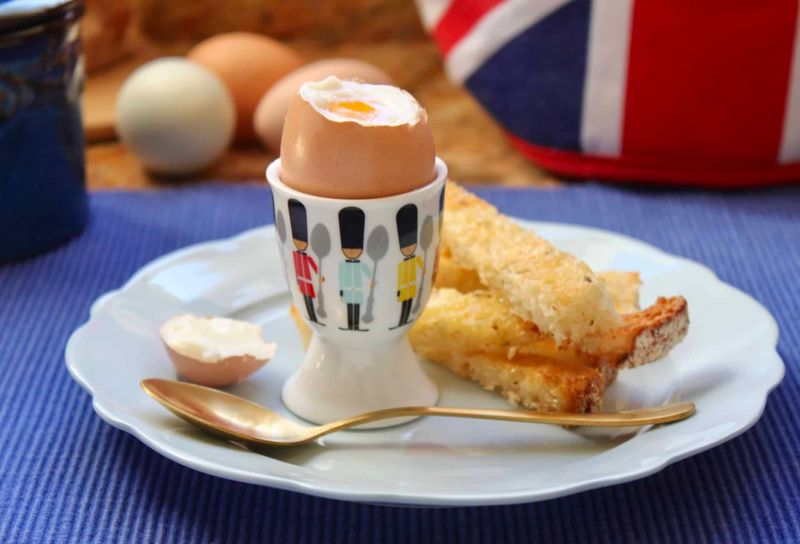
When it comes to breakfast eggs, precision matters greatly to the King. Reports suggest his staff must boil eggs for exactly four minutes to achieve the perfect soft consistency he prefers.
This particular habit demonstrates his attention to detail in all aspects of life. The eggs must be organic and sourced from his own farms, ensuring quality and ethical treatment of the hens producing them.
5. Avoids Certain Foods Like Chocolate
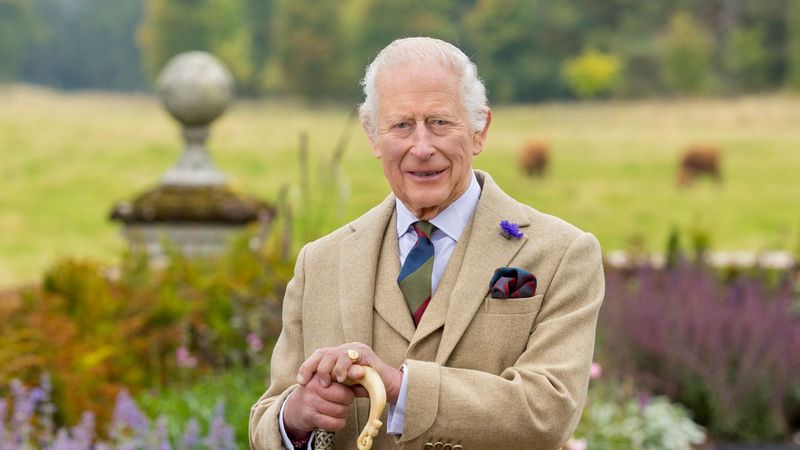
Surprisingly, King Charles steers clear of several common indulgences, including chocolate and rich desserts. His avoidance stems from a desire to maintain optimal health and avoid unnecessary sugar intake.
He also reportedly dislikes garlic and refuses to eat it in any form. These restrictions might seem strict, but they align with his disciplined approach to wellness and his commitment to feeling his best daily.
6. Chooses Seasonal, Local Produce
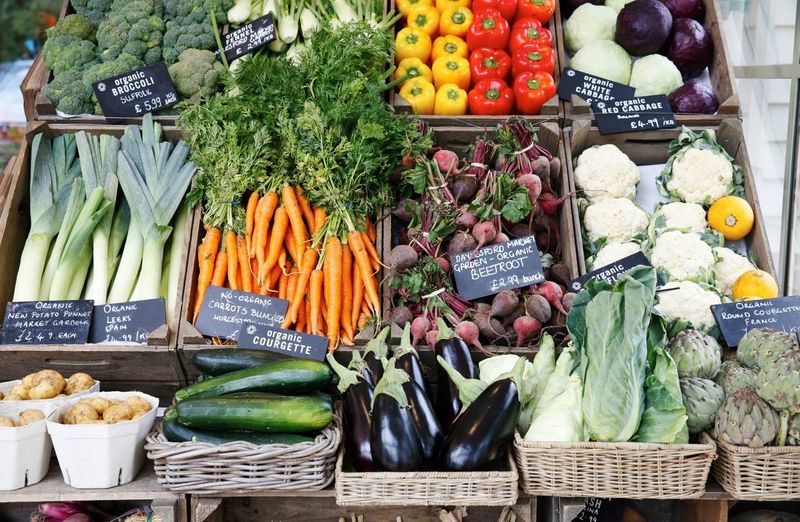
Long before farm-to-table became trendy, King Charles championed eating seasonally. His meals feature only produce grown locally and harvested at the right time of year.
This philosophy reduces carbon emissions from transportation and supports British farmers directly. His Highgrove estate supplies much of his food, ensuring freshness whilst demonstrating the viability of sustainable agriculture on a practical level for everyone.
7. Supports Raw Milk Artisan Cheeses
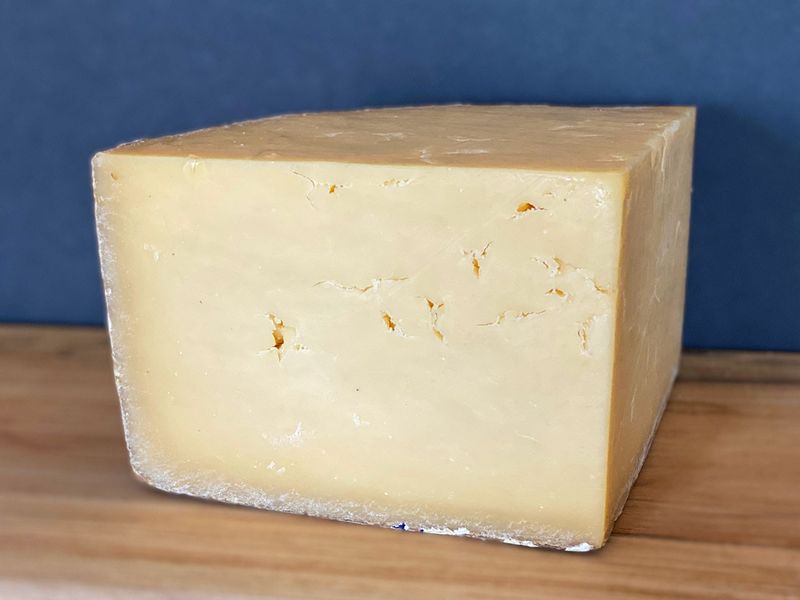
Cheese holds a special place in the King's diet, particularly varieties made from unpasteurised raw milk. He believes these traditional methods produce superior flavour and support small-scale cheese makers.
His advocacy has helped preserve centuries-old cheese-making techniques across Britain. By choosing artisan producers, he encourages sustainable farming practices whilst enjoying the authentic taste that mass production simply cannot replicate effectively.
8. Enjoys A Light Afternoon Tea
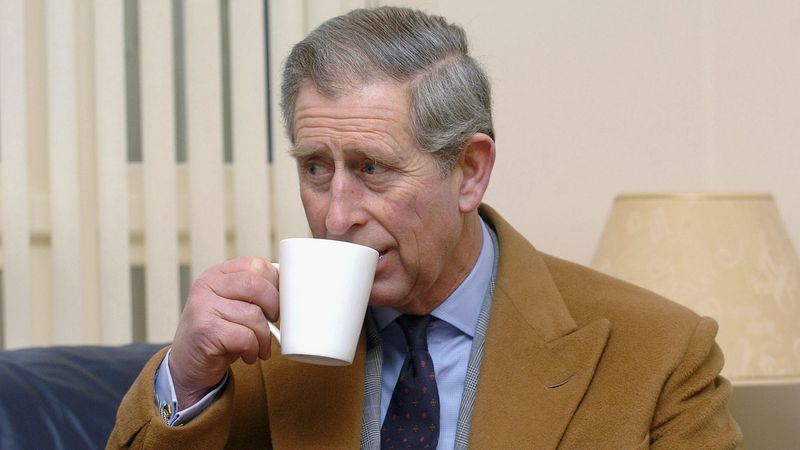
Afternoon tea remains a cherished daily ritual for King Charles, though his version is decidedly lighter than traditional offerings. He prefers simple cucumber sandwiches and perhaps a plain scone without heavy cream.
This modest approach keeps the tradition alive whilst fitting his dietary preferences. The focus remains on quality ingredients and the peaceful moment of respite rather than indulgent treats or excessive portions.