










Food has a wonderful way of telling stories about people, place, and tradition, especially when recipes have been passed down through generations. Around the world, certain food practices have earned special recognition for protecting heritage, skills, and shared culture.
Some are deeply rooted in everyday family life, while others mark festivals, rituals, or community gatherings. Exploring them offers a fascinating glimpse into how food connects history, identity, and modern life.
All information is provided for general interest only. Cultural practices, regional interpretations, and availability may vary depending on location and local regulations.
1. Neapolitan Pizzaiuolo – Italy

Picture a pizza chef spinning dough high in the air, flames crackling in a wood-fired oven behind him. That's the art of the Neapolitan pizzaiuolo, a craft perfected over centuries in Naples.
This tradition involves specific techniques for kneading, tossing, and baking pizza with simple ingredients: flour, water, yeast, and salt. The result?
A perfectly charred, soft-centred masterpiece that's become Italy's edible ambassador worldwide.
2. Traditional Mexican Cuisine – Michoacán Paradigm
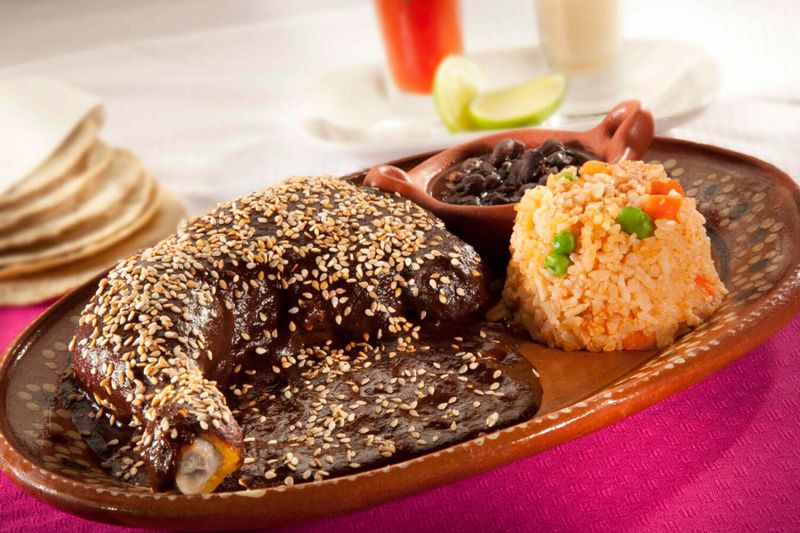
Ancient farming meets modern tables in Michoacán, where corn, beans, and chillies form the holy trinity of Mexican cooking. Families here still grind maize on volcanic stone metates, just as their ancestors did thousands of years ago.
Traditional dishes like mole and tamales require hours of preparation and countless ingredients working in harmony. It's cooking as meditation, where recipes carry the wisdom of generations.
3. Washoku Traditional Dietary Cultures Of The Japanese
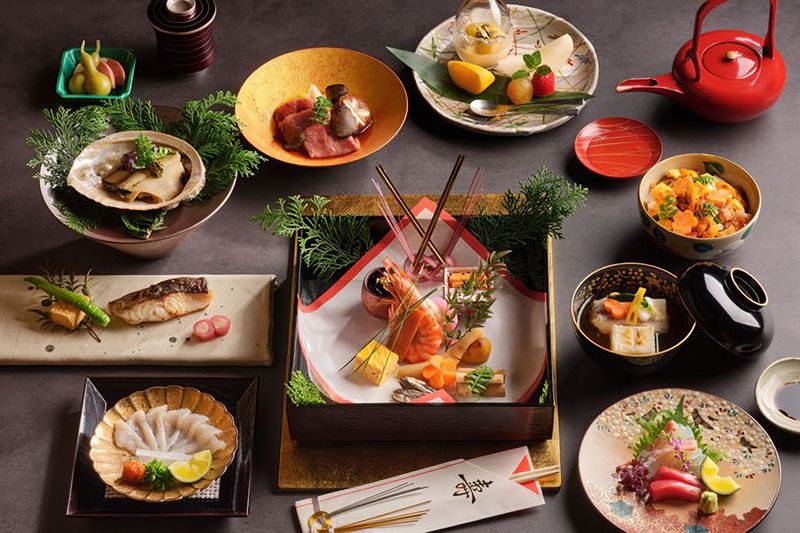
Washoku isn't just food – it's philosophy on a plate. This Japanese approach celebrates seasonality, natural flavours, and presentation that borders on art.
Every element matters: the balance of five colours, five cooking methods, and five tastes in each meal. Rice, miso soup, fish, and pickled vegetables create harmony that nourishes body and soul.
It's eating with intention, respecting nature's rhythms whilst honouring centuries-old customs.
4. Kimjang Making And Sharing Kimchi – South Korea
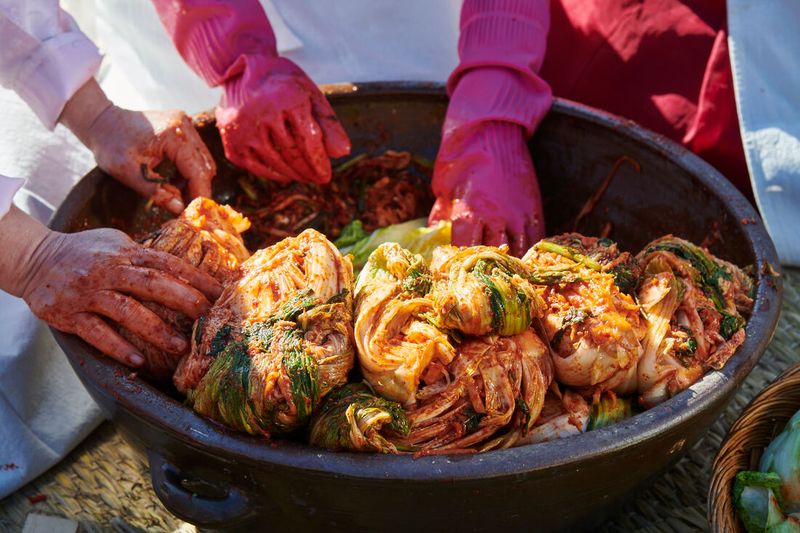
When autumn arrives in Korea, communities gather for kimjang – the collective making and sharing of kimchi. Neighbours, friends, and family members work together, preparing enough fermented vegetables to last through winter.
This tradition strengthens social bonds whilst ensuring everyone has nutritious food during cold months. The process involves salting cabbage, mixing spicy pastes, and packing jars with care – teamwork that tastes delicious.
5. Couscous Culinary Traditions – North Africa
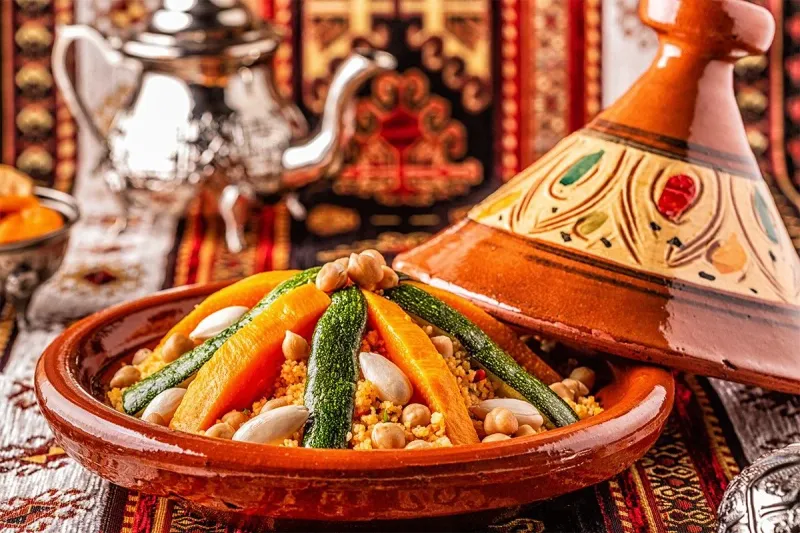
Tiny grains of semolina become something magical in North African hands. Couscous preparation is a ritual practised across Morocco, Algeria, Tunisia, and beyond, where women traditionally roll and steam the grains to fluffy perfection.
Served on Fridays and special occasions, this dish brings families together around a communal platter. The method requires patience, skill, and love – ingredients that can't be measured but always taste wonderful.
6. Turkish Coffee Culture And Tradition – Türkiye
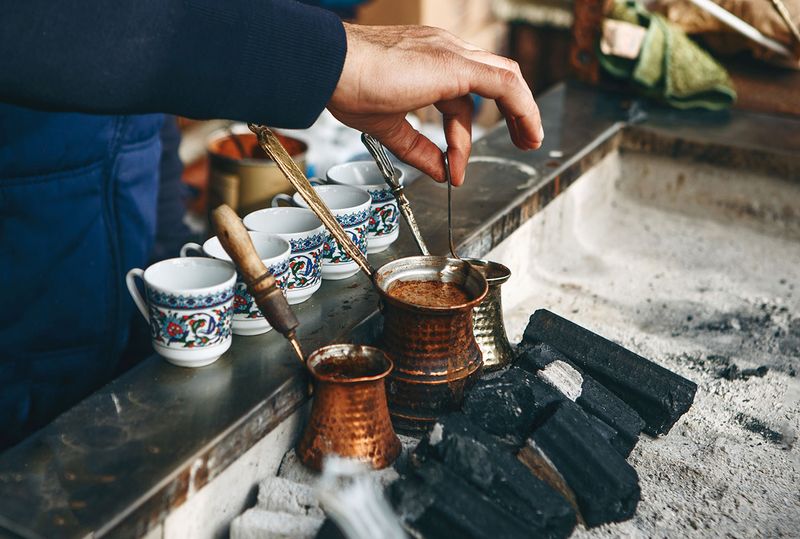
"A cup of coffee commits one to forty years of friendship," says a Turkish proverb. This isn't your quick morning caffeine fix – Turkish coffee is ceremony and conversation rolled into one.
Finely ground beans simmer slowly in a special pot called a cezve, creating thick, aromatic coffee served in tiny cups. Friends linger for hours, discussing life whilst the grounds settle, sometimes reading fortunes in the patterns left behind.
7. Harissa Preparation And Consumption – Tunisia
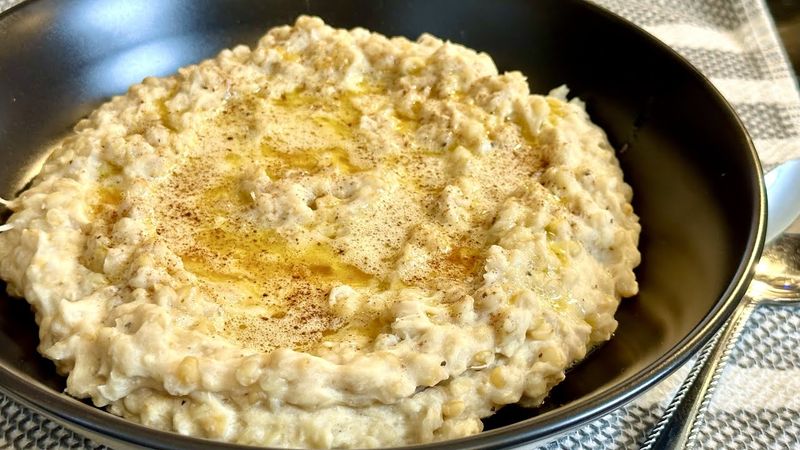
Fiery, fragrant, and utterly addictive – harissa is Tunisia's gift to spice lovers everywhere. Making this chilli paste involves roasting peppers, grinding spices, and blending everything with olive oil until it glows red-orange.
Every family guards their own recipe variation, adjusting garlic, caraway, or coriander to taste. Whether spooned into stews, spread on bread, or mixed with eggs, harissa adds warmth and character to countless dishes.
8. Borscht Cooking Culture – Ukraine
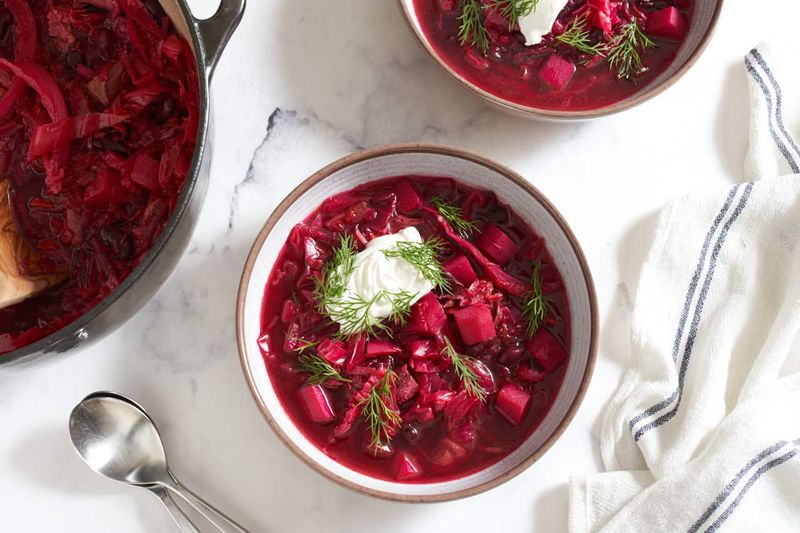
Crimson, hearty, and deeply comforting – borscht is Ukraine's soul in a bowl. This beetroot soup varies from kitchen to kitchen, with each cook adding their personal touch to the classic recipe.
Preparing borscht is often a family affair, with multiple generations contributing vegetables, broth, and secret ingredients. Served with a dollop of sour cream and dark bread, it warms bodies and hearts, especially during harsh winters.
9. Lavash Flatbread Making And Sharing Traditions – Armenia
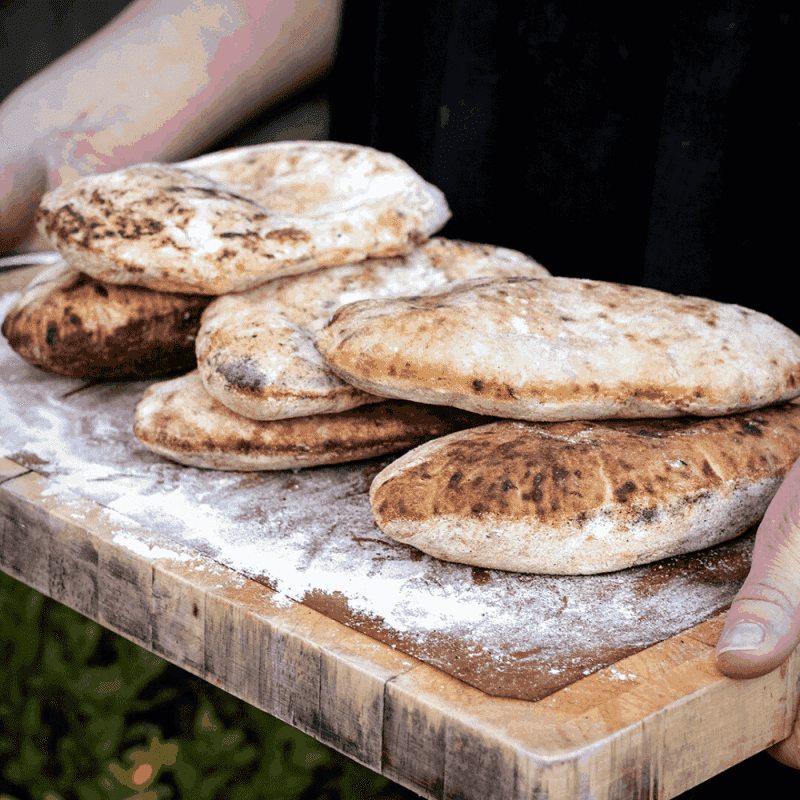
Watch an Armenian baker slap dough against the scorching walls of a tonir oven, and you're witnessing ancient magic. Lavash, a thin flatbread, emerges bubbled and slightly charred within moments.
This bread accompanies every meal, wrapping kebabs, scooping stews, or simply torn and shared amongst friends. Making lavash requires teamwork and timing – skills Armenian families have perfected over millennia, turning simple flour and water into edible tradition.