




There’s something wonderfully comforting about a pot of tea poured into a proper cup, especially when it’s paired with tiny sandwiches or a warm scone. But not everyone realises there’s a difference between afternoon tea and high tea - and it’s more than just the time of day.
These beloved British traditions each have their own charm, history, and etiquette that reveal a lot about the nation’s love affair with tea.
This article is for general information and cultural interest. Customs and serving styles can vary across regions and establishments, so experiences of afternoon or high tea may differ slightly.
Origins Of Afternoon Tea In The 19th Century

Picture this: wealthy Victorian ladies feeling peckish between lunch and their late evening dinner, which often wasn't served until 8 or 9 o'clock. Back in the 1840s, this hungry gap created the perfect opportunity for a new social custom to bloom.
Britain's upper classes transformed this simple snack break into an elegant affair. They gathered in drawing rooms with fancy teacups, dainty sandwiches, and sweet pastries. What started as a practical solution quickly became a fashionable social event that showcased wealth and refinement amongst Britain's elite society.
The Role Of Anna Russell, Duchess Of Bedford
Anna Russell, the 7th Duchess of Bedford, deserves credit for inventing afternoon tea around 1840. Feeling famished during long afternoons, she asked her servants to bring tea, bread, butter, and cake to her private chambers - a simple request that changed British culture forever.
Soon enough, the Duchess invited friends to join her for this delightful ritual. Her guests adored the idea and spread it throughout London's high society. What began as one woman's personal habit blossomed into Britain's most iconic social tradition, still celebrated worldwide today.
Difference Between Afternoon Tea And High Tea

Many people confuse these two traditions, but they're actually worlds apart! Afternoon tea was enjoyed by wealthy families around 4 o'clock, featuring dainty finger sandwiches and pastries served on low tables in fancy sitting rooms.
High tea, however, belonged to working-class families who ate their main evening meal at tall kitchen tables - hence the name "high." Served around 5 or 6 o'clock after a long workday, it included hearty dishes like meat pies, cold cuts, bread, and cheese. Completely different occasions for completely different social classes!
Food, Setting, And Purpose: The Clear Divide
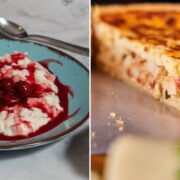
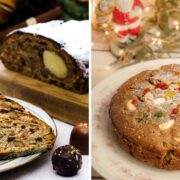
The foods served at afternoon tea and high tea show just how far apart these two customs were. Afternoon tea was all about light elegance - think delicate sandwiches with the crusts trimmed, fluffy scones with clotted cream and jam, and pretty cakes displayed on tiered stands. It was meant to satisfy a mid-afternoon craving without spoiling dinner.
High tea, by contrast, was a practical family meal built to refuel after work. It often featured robust, filling dishes like sausages, beans, boiled eggs, bread, or even leftovers from the previous night’s dinner. The setting was also completely different: fine china and lace for the upper classes, simple plates and hearty portions for the workers. Afternoon tea celebrated leisure and refinement; high tea met the demands of real hunger.
How Their Meanings Have Shifted Over Time
Over the years, the distinction between the two has blurred - especially outside the UK. Many hotels and cafés now use the term “high tea” to sound posh, even though it originally meant something far humbler. In Britain, “afternoon tea” still refers to the elegant spread of scones and sandwiches, while in northern England and Scotland, “tea” or “high tea” can still mean a proper evening meal.
Understanding this difference helps avoid confusion (and a few raised eyebrows) when ordering tea abroad. So next time you’re offered “high tea,” you’ll know whether to expect a slice of cake or a plate of shepherd’s pie - and appreciate how these two very British traditions came to mean such different things.