


If you’ve felt your weekly supermarket bills creeping up lately, you’re not imagining it. Recent figures show a noticeable jump in grocery price inflation, making every trip to the shop feel slightly heavier on the wallet. Stick around to explore which items are driving the rise and what it might mean for your next basket.
This article is for general informational purposes only. Individual household spending and budget impacts vary, and this should not be taken as financial advice tailored to your specific situation.
What's Driving The 5.2% Inflation Jump
If your food shop has felt a little pricier lately, you’re not imagining things. Grocery price inflation in the UK has climbed again, sitting at around 5.2% according to the latest data. Rising costs for wages, energy, packaging, and raw materials are putting pressure on suppliers and retailers alike.
Many stores have had to pass those costs onto shoppers just to stay afloat. Global factors still play a part, but most of this latest increase comes from within the UK - things like logistics, labour, and regulation. It’s the kind of quiet squeeze you only really notice when your usual basket suddenly costs a few pounds more.
Which Grocery Categories Are Most Affected
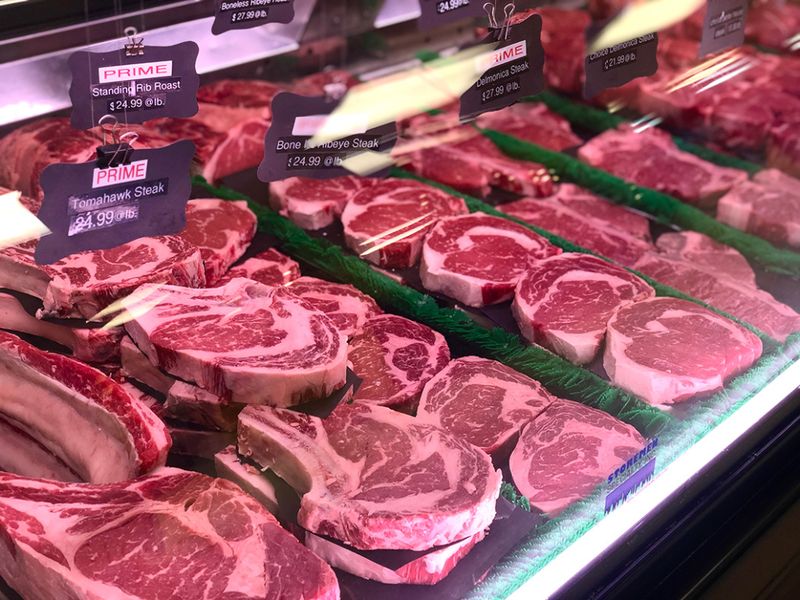
Not everything in your trolley is going up at the same rate. Chocolate, fresh meat, and coffee have seen the sharpest increases, while items such as household goods and some frozen products remain more stable. Fresh produce like vegetables and bread have also edged upward, though not as steeply as the big three. Interestingly, confectionery and sparkling drinks have stayed relatively steady for now.
Prices shift based on supply, import costs, and seasonal changes - which means the contents of your shopping list can make a big difference in how much you actually feel the pinch.
How Households Are Adjusting Their Shopping Habits
Shoppers across Britain are getting creative about how they save. More people are choosing supermarket own brands instead of premium labels, and meal planning has become a real household trend again. Batch cooking, freezing portions, and reusing leftovers are back in style - not just to save money, but to cut waste too.
Many shoppers are taking advantage of loyalty points and app-based discounts, helping claw back a bit of value where they can. Personally, I’ve even started checking the reduced section more often - it’s surprising what you can find when you time it right.
Regional Differences In UK Food Price Trends
The cost of food isn’t climbing evenly across the country. Urban areas with plenty of supermarket competition often manage to keep prices a little lower, while rural towns and remote communities can face steeper increases because of delivery and logistics costs.
Scotland and Northern Ireland tend to see more variation depending on distance from major distribution centres. Some parts of Wales have reported similar patterns to England overall but with fewer budget retailers in smaller towns.
It’s a reminder that “national averages” don’t always tell the full story when it comes to real-life grocery bills.
What This Means For The Cost-Of-Living Pressures
Food costs are now a major piece of the broader cost-of-living puzzle. When prices climb even slightly, households already juggling rent, energy bills, and fuel feel the strain. Families on average incomes are adjusting spending habits, while lower-income households are under particular pressure.
Charities have reported that more people are seeking budgeting help or food support as prices stay stubbornly high. While inflation isn’t rising as fast as it once was, it’s clear the cost of filling a basket remains a challenge for many – and probably will for some time yet.
Supermarkets are trying to soften the blow with more price locks and loyalty discounts, but shoppers still feel every increase at the till. For now, even small savings and clever meal planning make a noticeable difference in keeping household budgets balanced.