









Some mushrooms rarely make it to supermarket shelves, yet chefs prize them for their depth and character.
Their flavours range from subtle to intense, often transforming simple dishes.
Learning how they are used reveals why they are so sought after.
It also highlights how much variety exists beyond familiar button mushrooms.
All information is provided for general interest only. Availability, sourcing, and culinary use may vary by region and season.
1. Matsutake
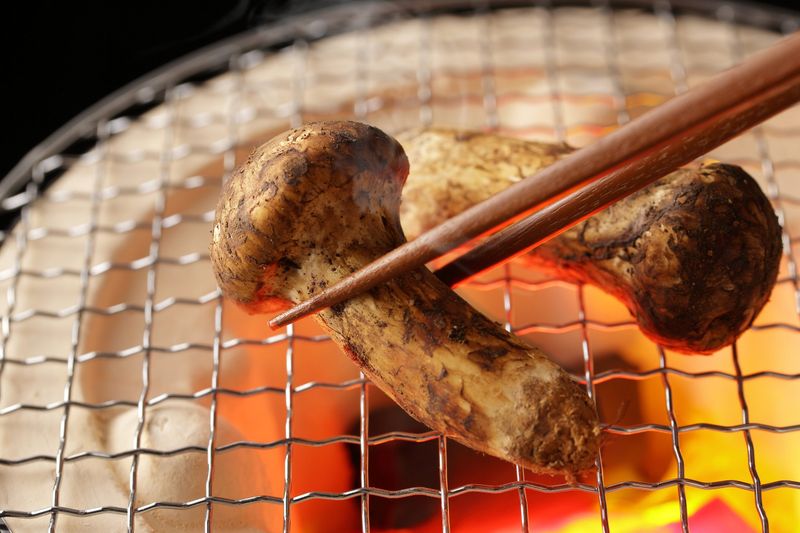
Prized in Japanese cuisine for centuries, matsutake mushrooms smell like cinnamon and pine trees mixed together.
They grow under specific trees and are notoriously difficult to cultivate, making them incredibly expensive.
Chefs often grill them lightly or add them to rice dishes where their spicy aroma shines.
Their firm texture holds up beautifully in soups and broths too.
2. Morel
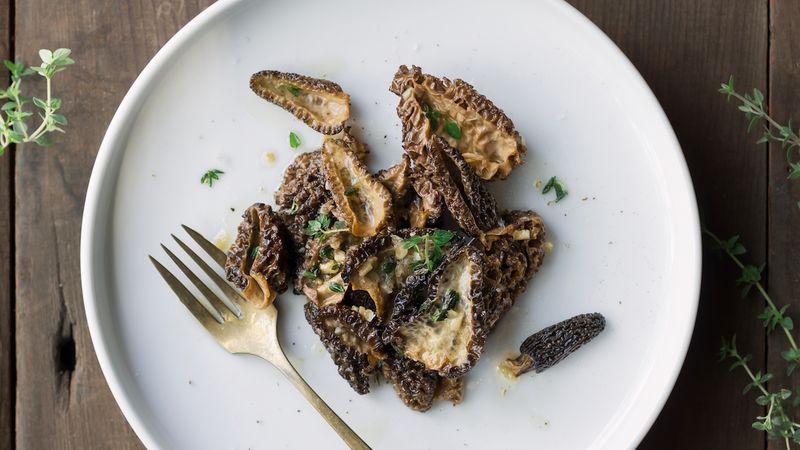
With their honeycomb appearance, morels look like tiny sponges from a fairy tale.
Foragers hunt for them in spring woodlands, creating a treasure-hunt excitement amongst mushroom enthusiasts.
Sautéing them in butter brings out their nutty, earthy flavour perfectly.
They're fantastic stuffed with cheese or cream, and they pair wonderfully with pasta and chicken dishes.
3. Truffle
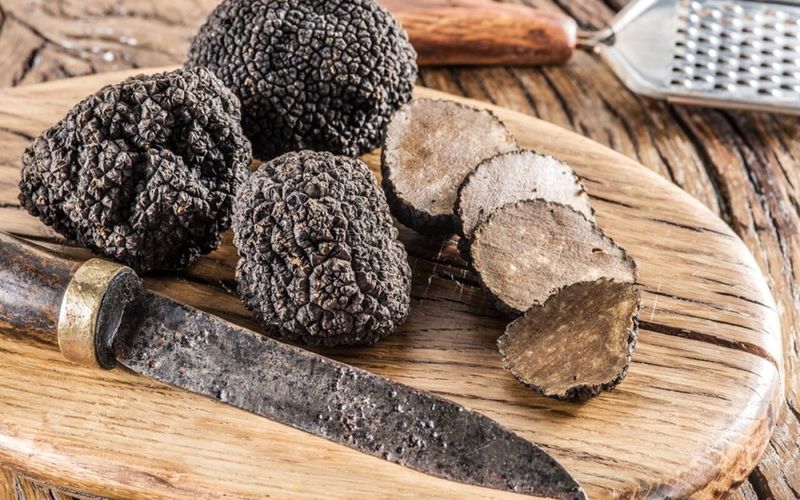
Found by specially trained dogs or pigs, truffles hide underground near tree roots.
Black and white varieties both command astronomical prices at fancy restaurants worldwide.
Shaving them raw over pasta, risotto, or eggs releases their intense, musky aroma.
Even tiny amounts transform simple dishes into luxurious experiences that linger on your palate.
4. Lion's Mane
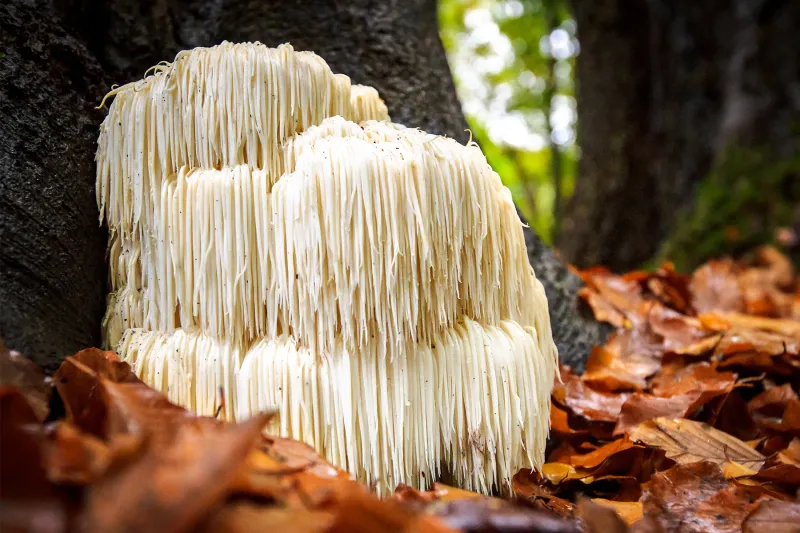
Looking like a white waterfall or a shaggy lion's mane, this mushroom actually tastes remarkably similar to crab or lobster.
Its unique appearance makes it instantly recognisable at farmers' markets.
Pan-frying brings out a golden crust whilst keeping the inside tender and juicy.
Vegetarians love using it as a seafood substitute in tacos, pasta, or simply served with garlic butter.
5. Chanterelle
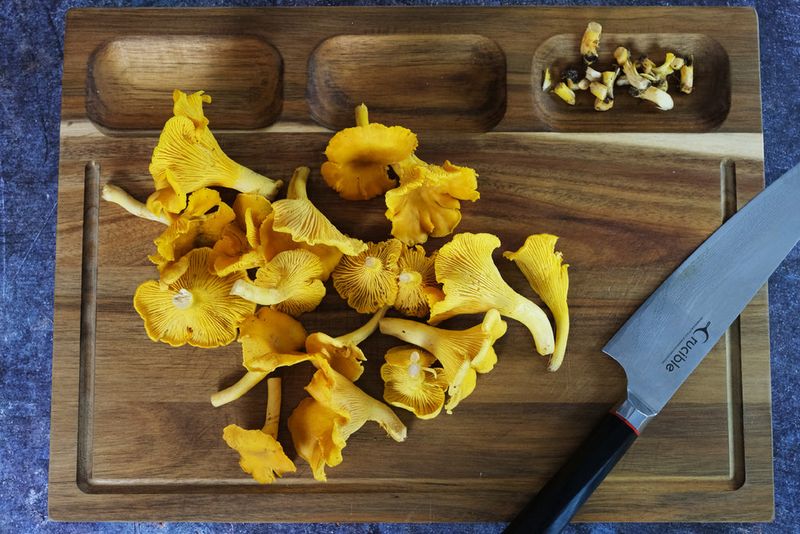
Golden chanterelles brighten up forest floors and dinner plates alike with their cheerful trumpet shape.
Their fruity, peppery aroma reminds many people of apricots mixed with woodland scents.
These beauties shine when sautéed gently with shallots and thyme.
French chefs adore them in cream sauces, whilst others prefer them simply grilled to highlight their natural sweetness and delicate texture.
6. Porcini
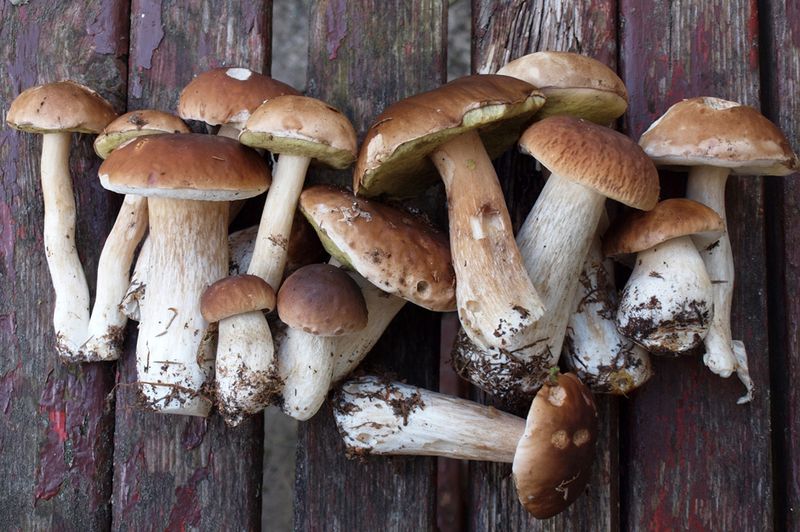
Italian grandmothers have been using porcini for generations, knowing their rich, woodsy flavour elevates any dish.
Fresh ones are brilliant, but dried porcini actually concentrate the taste even more intensely.
Risotto becomes heavenly when porcini are involved, and they're magnificent in pasta sauces too.
Rehydrating dried ones creates a flavourful liquid that shouldn't be wasted - add it straight to your cooking.
7. Enoki
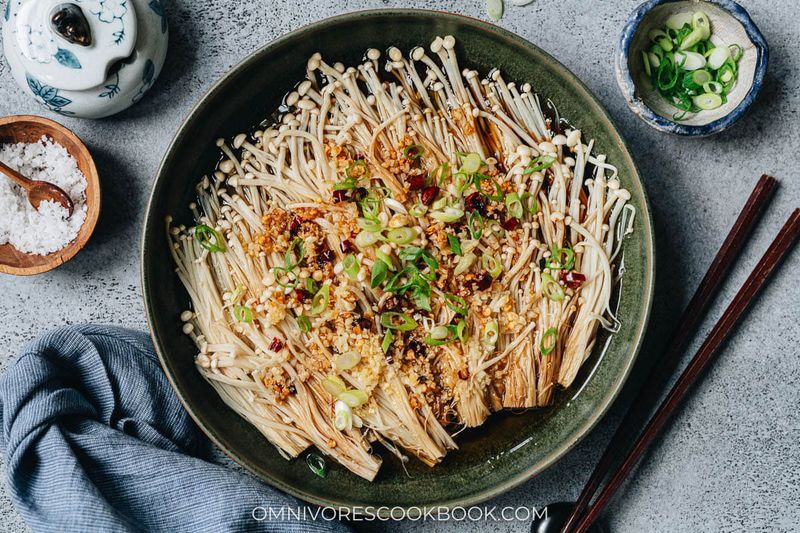
Slim and delicate with tiny white caps, enoki mushrooms grow in tight clusters that look like miniature forests.
Their mild, slightly fruity flavour makes them incredibly versatile in Asian cooking.
Drop them into hot pots or ramen at the last minute to maintain their crispy texture.
They're also lovely raw in salads, adding a satisfying crunch without overpowering other ingredients.
8. Maitake
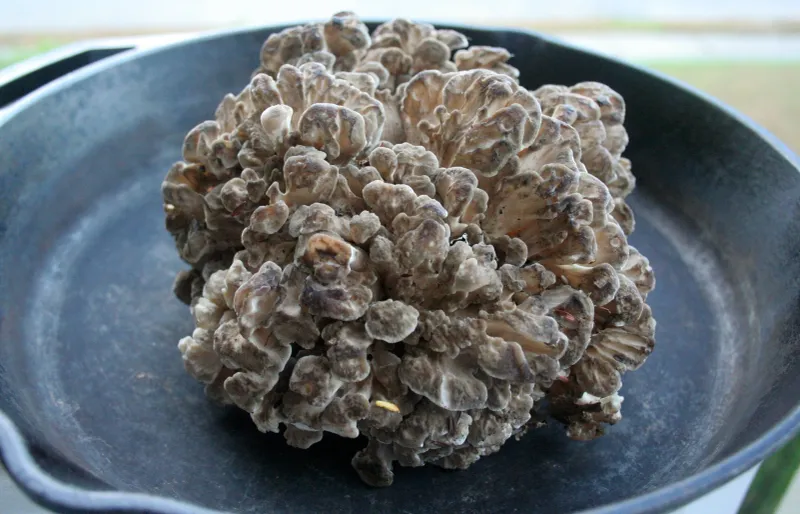
Called "hen of the woods" because its ruffled layers supposedly resemble fluffed feathers, maitake grows in impressive clusters.
Japanese herbalists have valued it for centuries beyond just culinary purposes.
Roasting chunks until crispy creates an addictive, almost bacon-like texture that's completely plant-based.
They work brilliantly in stir-fries too, soaking up sauces whilst maintaining their satisfying bite and earthy character.
9. Black Trumpet
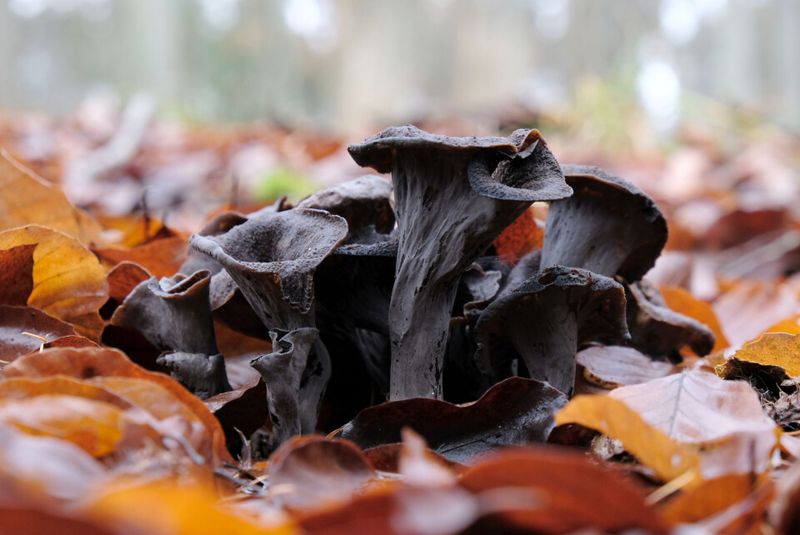
Despite their dark, almost mysterious appearance, black trumpets offer a surprisingly rich, smoky flavour with fruity undertones.
Foragers call them "trumpets of death," though they're perfectly safe and absolutely delicious.
Dried black trumpets become wonderfully concentrated and rehydrate beautifully in stocks or sauces.
Fresh ones pair magnificently with game meats, and they add dramatic visual flair to any plate.
10. Wood Ear
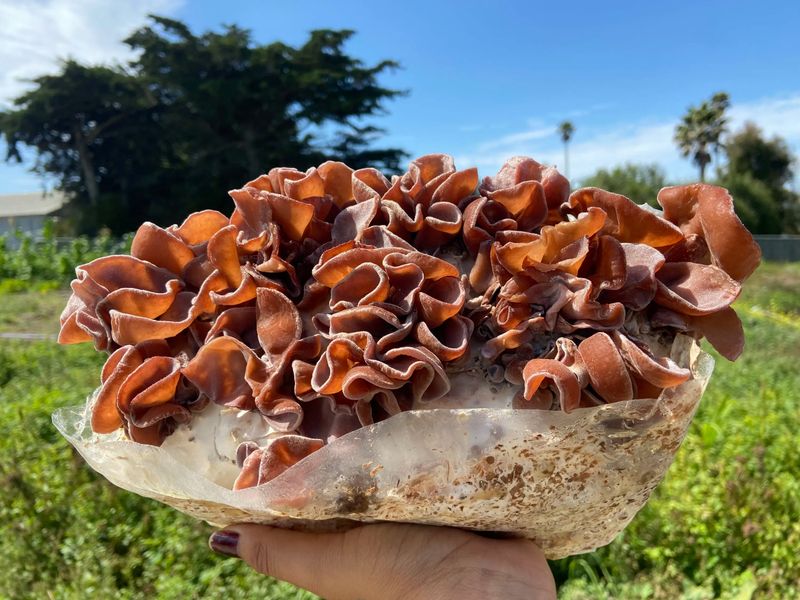
Crunchy and slightly gelatinous, wood ear mushrooms look exactly like their name suggests - delicate ears growing on tree bark.
Chinese cuisine has featured them prominently for thousands of years in countless dishes.
Hot and sour soup wouldn't be authentic without their signature texture.
They absorb flavours brilliantly whilst adding satisfying crunch to stir-fries, spring rolls, and dumpling fillings without contributing much taste themselves.