











The 2010s were packed with wellness hype – from charcoal sprinkled into lattes to coconut oil being hailed as the answer to absolutely everything. Social media, glossy magazines, and café culture helped certain foods achieve near-mythical status.
But when researchers took a closer look, some of these so-called superfoods didn’t quite live up to the bold claims. Here are the trends that quietly faded once the science caught up.
This article is for general informational purposes only and should not be taken as medical advice. Nutritional needs vary by individual. Always consult a qualified health professional for personalised guidance.
1. Activated Charcoal Smoothies

Picture this: bright, colourful smoothies suddenly went pitch black, and everyone pretended it looked appetising. The claim was that activated charcoal could detoxify your body by binding to toxins and flushing them out.
Sounds brilliant, right? Except your liver and kidneys already do that job perfectly well without any help from a gritty black powder. Research showed that charcoal doesn't discriminate – it can also bind to essential nutrients and medications, making them less effective.
Nutritionists were quick to warn that regularly drinking these could actually do more harm than good, especially if you're on prescription meds.
2. Bulletproof Coffee

Blending butter and coconut oil into your morning brew became the signature move of biohackers everywhere, promising enhanced focus and weight loss through ketosis. Created by an American entrepreneur, this high-fat concoction quickly crossed the pond and found fans in British coffee shops.
The problem? Adding massive amounts of saturated fat to your coffee doesn't magically turn it into a health elixir. Doctors pointed out that you're essentially drinking around 400 calories of pure fat with minimal nutritional value.
Whilst some people felt more alert initially, that's likely just the caffeine doing its usual job, not the butter.
3. Kale Chips
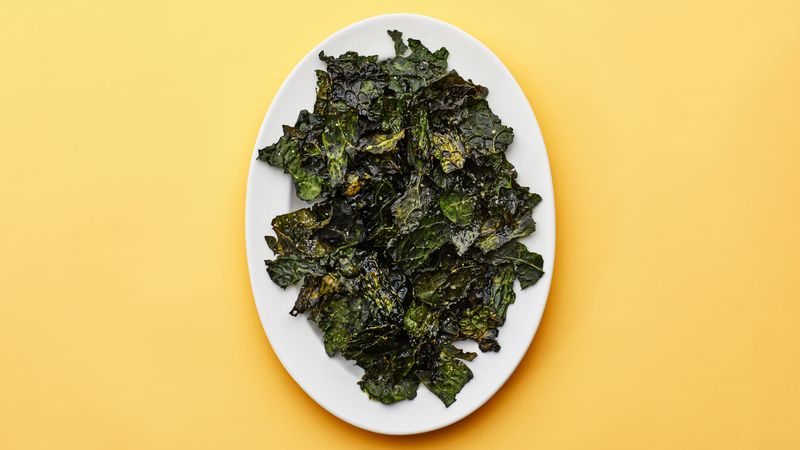
Baked kale leaves were hailed as the virtuous alternative to regular crisps, filling the shelves of Waitrose and Tesco alike with promises of guilt-free snacking. At first glance, it made sense – kale is undeniably nutritious, packed with vitamins A, C, and K.
But once you bake it, drench it in oil, and season it heavily to make it remotely palatable, you've basically created an expensive, less satisfying crisp. Most shop-bought versions were loaded with salt and oil, negating much of the health benefit.
Plus, let's be honest, they taste like crunchy disappointment compared to actual crisps.
4. Coconut Oil Everything
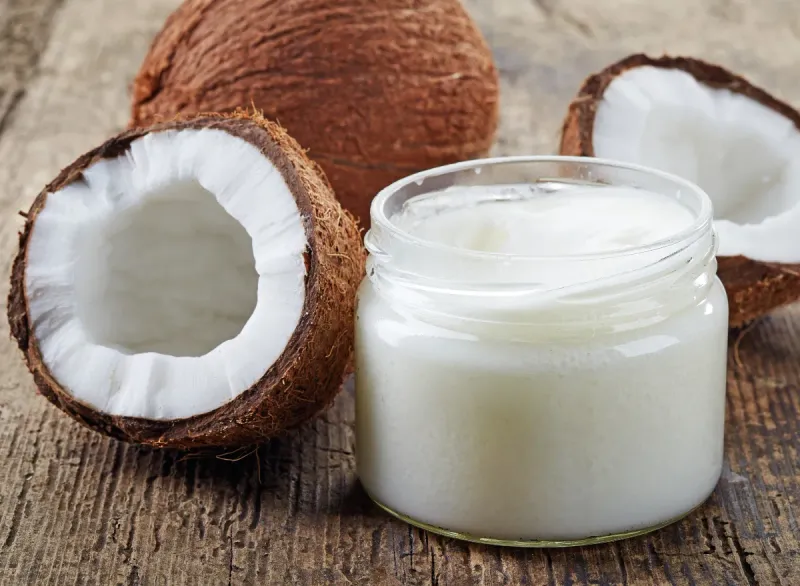
For a few glorious years, coconut oil was the answer to absolutely everything – cooking, skincare, haircare, and even oil pulling for dental health. Health food shops couldn't keep the stuff on shelves, and recipes swapped butter for coconut oil like it was liquid gold.
Then the British Heart Foundation and other experts stepped in with some rather sobering facts. Coconut oil is roughly 90% saturated fat, higher even than butter or lard. Whilst it won't kill you in moderation, it's definitely not the miracle cure it was marketed as.
Using it for everything? Probably not your best shout.
5. Agave Syrup
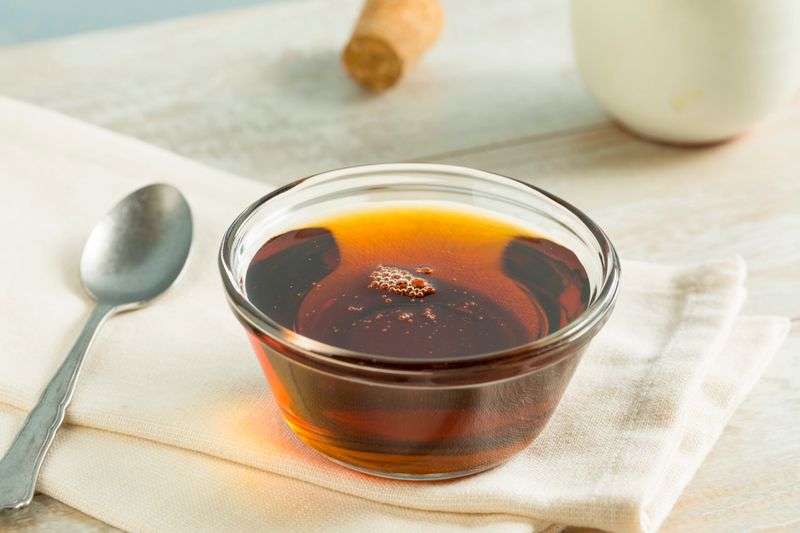
When everyone started panicking about refined sugar, agave nectar swooped in as the supposedly healthier natural sweetener. It appeared in everything from porridge to baked goods, marketed as low glycaemic and diabetic-friendly because it wouldn't spike your blood sugar as quickly.
The catch? Agave is incredibly high in fructose, even more so than high-fructose corn syrup. Excessive fructose consumption has been linked to fatty liver disease and metabolic issues. Dietitians confirmed that whilst it might not spike blood glucose immediately, it's still just another form of sugar.
Swapping one sweetener for another doesn't make your diet magically healthier.
6. Gluten-Free Foods For Non-Coeliacs

Suddenly, everyone and their nan was avoiding gluten, even without a coeliac diagnosis or wheat allergy. Supermarkets dedicated entire aisles to gluten-free products, and restaurants scrambled to offer alternatives. The belief was that cutting gluten would lead to weight loss, better digestion, and more energy.
Science, however, found no evidence that gluten-free diets benefit people without coeliac disease. In fact, many gluten-free products are higher in sugar, fat, and calories to compensate for taste and texture. They're also often lower in fibre and essential nutrients.
Unless medically necessary, going gluten-free is largely pointless and potentially less nutritious.
7. Wheatgrass Shots
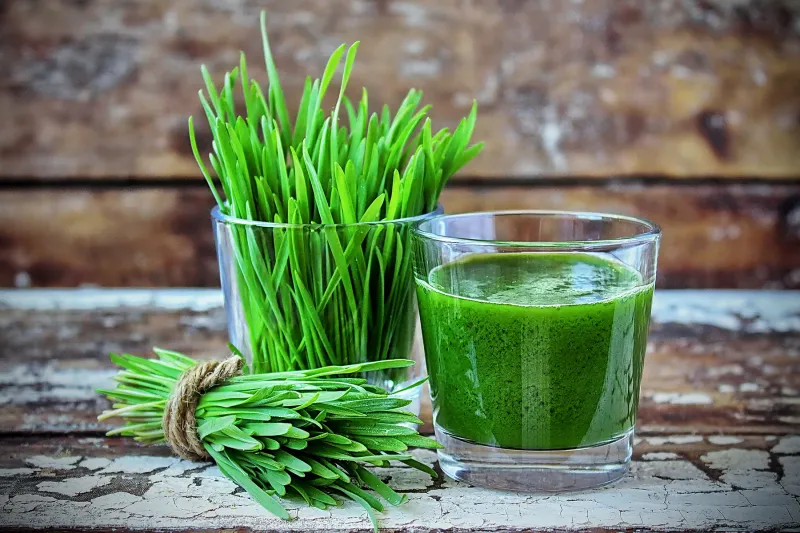
Health food shops and juice bars pushed these tiny glasses of bright green liquid as concentrated nutrition bombs, claiming they'd detoxify your system, boost immunity, and alkalize your blood. The taste was absolutely vile, but people knocked them back anyway, convinced of their miraculous properties.
Turns out, there's scant scientific evidence supporting most of these claims. Whilst wheatgrass does contain some vitamins and chlorophyll, your body can't actually change its pH through diet – your kidneys and lungs regulate that automatically.
You'd get similar nutrients from eating regular vegetables, without the gag reflex and inflated price tag.
8. Juice Cleanses
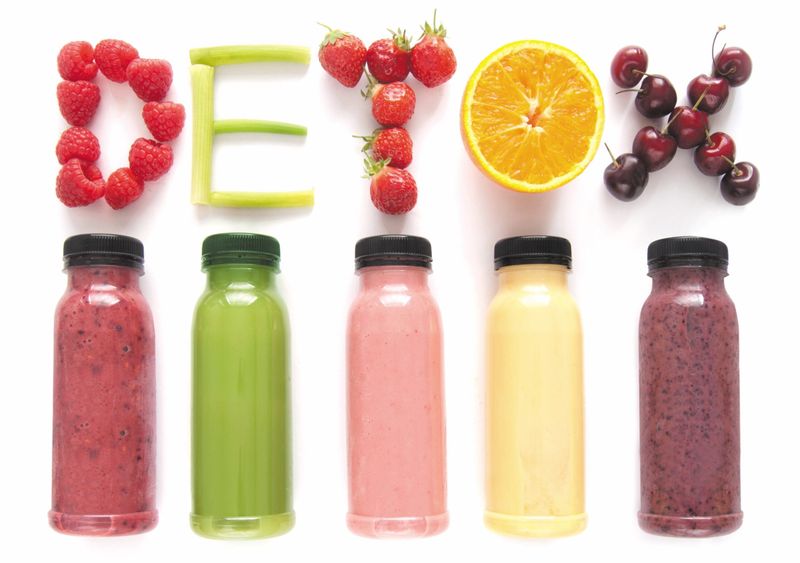
Multi-day juice programmes promised to flush toxins from your body, reset your digestive system, and jumpstart weight loss, often costing upwards of £100 for a few days' worth of bottles. Celebrities raved about them, and delivery services popped up across London and beyond.
Medical professionals were less impressed. Your body already has a highly efficient detoxification system – your liver, kidneys, and digestive tract. Juice cleanses often leave you nutrient-deficient, hungry, and irritable. Any weight lost is typically just water and returns quickly.
Nutritionists recommend eating whole fruits and veg instead, which provide fibre and sustained energy without the hefty price tag.