








Every 30th of November, Scotland celebrates St Andrew’s Day – a time to honour the nation’s patron saint and, of course, enjoy some proper Scottish fare.
From rich, hearty stews to buttery shortbread and smoky fish dishes, the country’s culinary traditions shine brightest on this special day.
Whether you’re marking the occasion at home or joining a community ceilidh, these classic recipes capture the warmth and pride of Scottish cooking at its best.
This article is for general informational purposes only.
Ingredients and availability may vary by region.
1. Haggis
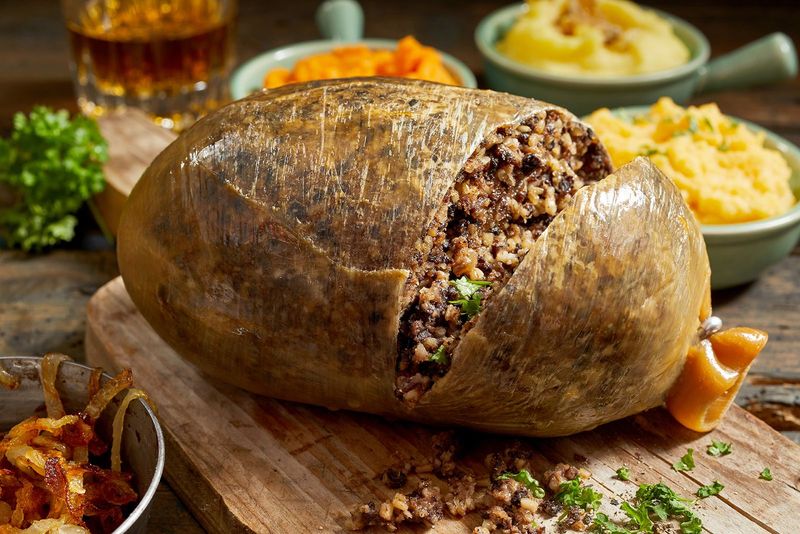
Scotland's national dish might sound unusual, but it's actually been winning over converts for centuries.
Made from sheep's offal mixed with oatmeal, onions, and spices, all encased in a sheep's stomach, this savoury pudding is far tastier than its ingredients suggest.
The texture is crumbly yet moist, with a peppery, nutty flavour that pairs beautifully with creamy mashed neeps and tatties.
Burns Night wouldn't be the same without it, and neither would St Andrew's Day.
Most supermarkets stock ready made versions that you can simply heat and serve, making it surprisingly easy to bring a taste of Scotland to your table.
2. Cullen Skink
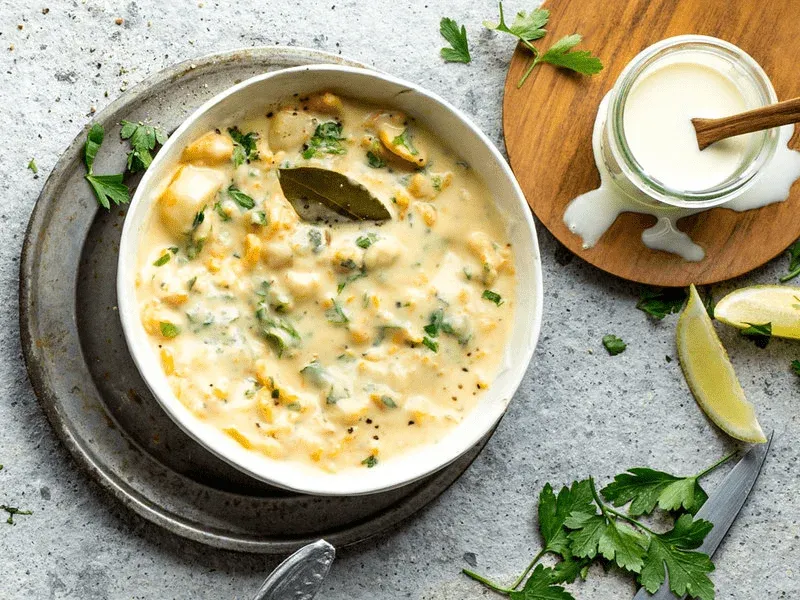
This thick, creamy soup hails from the coastal town of Cullen in Moray and has been warming Scottish bellies since the 19th century.
Smoked haddock provides the star ingredient, simmered with potatoes, onions, and milk until everything melds into pure comfort.
The smokiness of the fish cuts through the velvety base, creating a flavour that's both delicate and robust.
It's proper stick to your ribs stuff, ideal for chilly November evenings.
You can find smoked haddock at most fishmongers or supermarket fish counters, and the whole thing comes together in under an hour, making it a brilliant weeknight supper option.
3. Scotch Broth
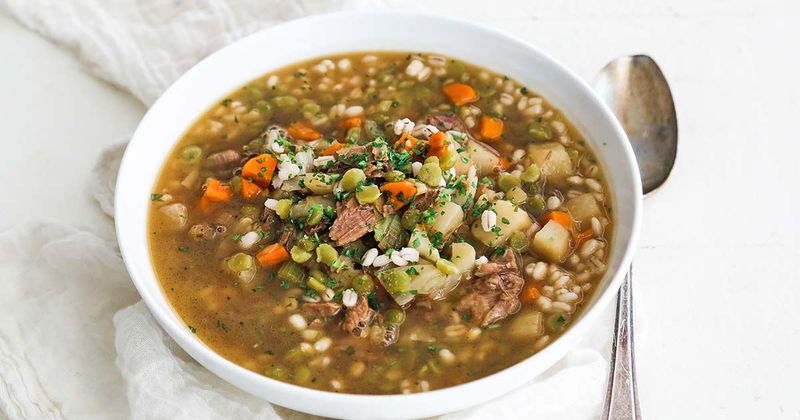
Nothing says Scottish comfort food quite like a steaming bowl of this centuries old soup.
Lamb or mutton forms the base, slow cooked with pearl barley, root vegetables, and split peas until everything becomes meltingly tender and the broth turns thick and nourishing.
It's the sort of dish that Scottish grannies have been making for generations, and for good reason.
The barley adds a lovely chewiness whilst soaking up all those meaty flavours.
Traditionally served as a starter, though it's hearty enough to be a meal on its own with some crusty bread for dunking.
4. Neeps And Tatties
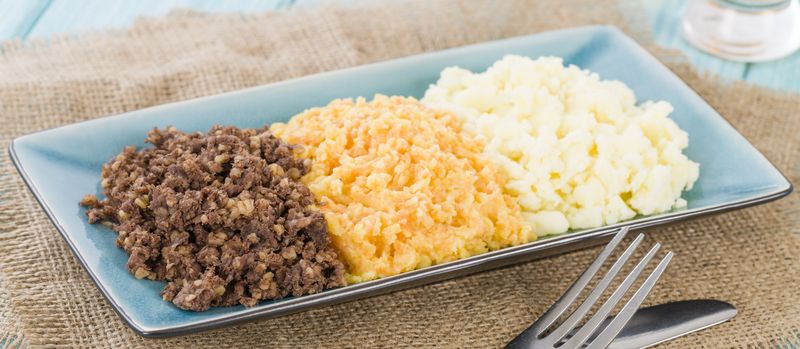
Whilst these mashed vegetables might seem simple, they're an essential part of any proper Scottish feast.
Neeps are swedes, not turnips as some folk think, and when boiled until soft and mashed with plenty of butter and black pepper, they become something rather special.
Tatties are just potatoes, mashed until fluffy and creamy.
Together, they create the perfect accompaniment to haggis, soaking up all those lovely juices.
The sweet earthiness of the neeps contrasts beautifully with the mild, comforting tatties.
You'll find both vegetables year round in any British supermarket, making this traditional pairing easy to recreate at home.
5. Stovies
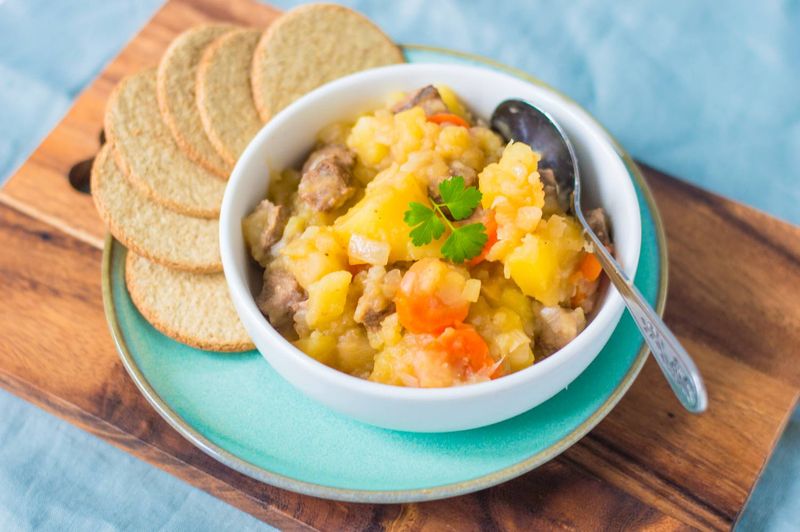
Born from Scottish thriftiness, this one pot wonder was originally created to use up Sunday roast leftovers.
Potatoes form the backbone, slowly stewed with onions and whatever meat scraps were available until everything breaks down into a thick, comforting mash.
Different regions have their own variations, with some families swearing by corned beef whilst others prefer leftover roast lamb.
The name comes from the cooking method, as everything is stoved, or steamed, together in a heavy pot.
It's proper peasant food in the best possible way, filling and flavoursome without any fancy ingredients required.
6. Arbroath Smokies
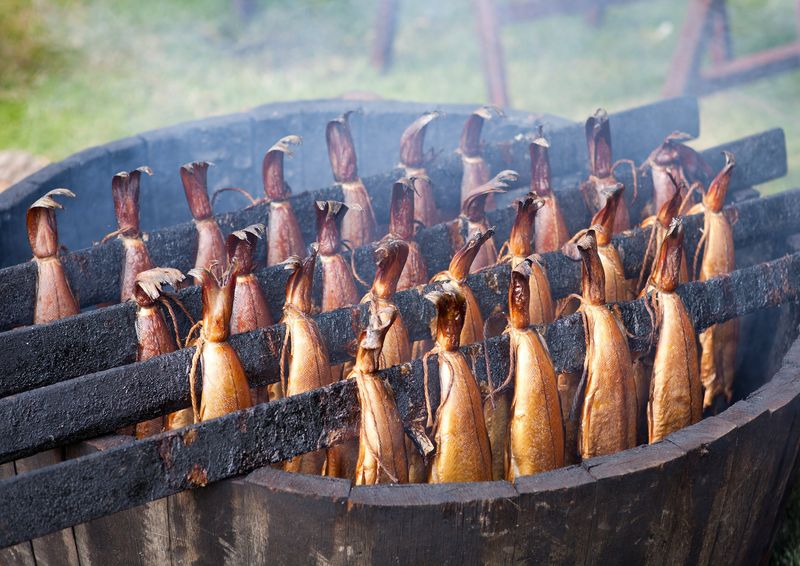
These small haddock are hot smoked over hardwood fires in the coastal town of Arbroath, creating something truly special.
The fish are beheaded, gutted, and tied in pairs before being suspended over smouldering oak or beech, which gives them their distinctive golden colour and incredible flavour.
They've held Protected Geographical Indication status since 2004, meaning only smokies made in Arbroath using traditional methods can carry the name.
The flesh is moist and flaky with a deep smoky taste that's less intense than kippers.
Serve them simply with butter and oatcakes, or flake them into pasta or risotto for something a bit more substantial.
7. Rumbledethumps
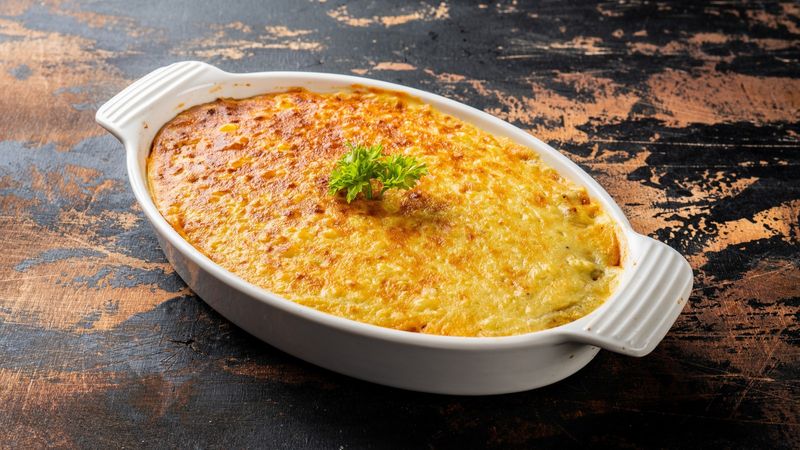
With a name that sounds like something from a children's book, this Scottish Border dish is essentially bubble and squeak's Scottish cousin.
Mashed potatoes get mixed with cooked cabbage or kale and onions, then topped with cheese and baked until golden and bubbling.
It's another brilliant example of Scottish resourcefulness, turning simple vegetables into something far greater than the sum of their parts.
The cheese on top creates a gorgeous crispy crust whilst the underneath stays soft and creamy.
Originally a way to use up leftover vegetables, it's now popular enough to make from scratch, and it pairs wonderfully with cold meats or sausages.
8. Cranachan
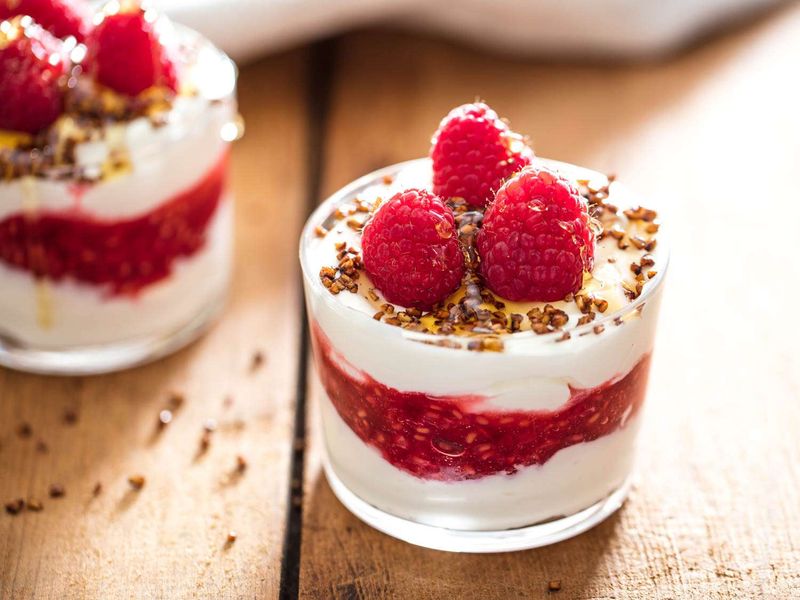
Scotland's answer to trifle combines just a handful of ingredients into something absolutely gorgeous.
Toasted oatmeal provides a nutty crunch, folded through whipped cream sweetened with honey, then layered with fresh raspberries for tartness.
Traditionally served during the raspberry harvest season, though frozen berries work perfectly well for St Andrew's Day celebrations.
The oats give it a uniquely Scottish character, adding texture that you won't find in other cream desserts.
Some recipes include a splash of whisky, but it's just as delicious without.
It comes together in minutes and looks impressive served in individual glasses, making it ideal for entertaining.
9. Clootie Dumpling
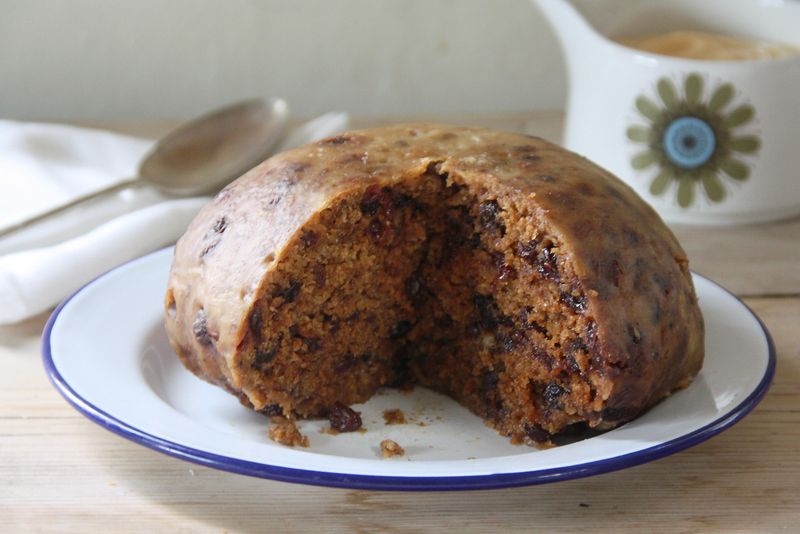
This traditional steamed pudding gets its name from the cloth, or cloot, it's cooked in.
Dried fruits, spices, flour, and suet are mixed into a rich batter, wrapped in a floured cloth, and boiled for hours until firm.
The result is a dense, fruity pudding with a distinctive skin on the outside where the cloth touched it.
Historically made for birthdays and special occasions, with charms or coins hidden inside for luck.
The texture sits somewhere between Christmas pudding and fruit cake, though it's less boozy.
Serve it warm with custard or cold sliced with butter, and it'll keep for weeks wrapped in foil.
10. Shortbread
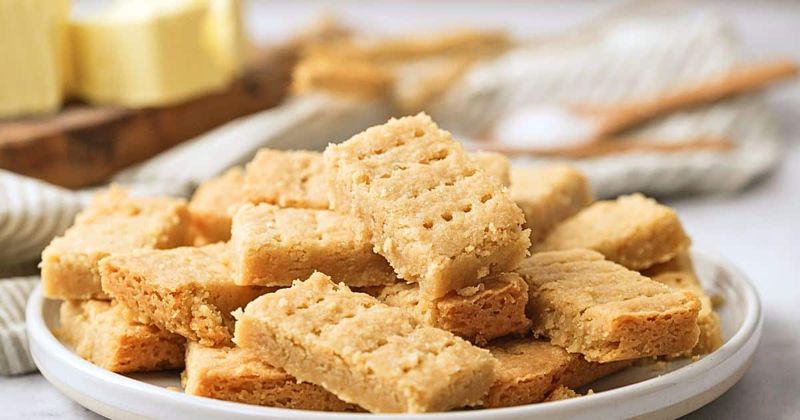
Perhaps Scotland's most famous export, proper shortbread contains just three ingredients: butter, sugar, and flour.
The magic happens in the ratios and the technique, creating biscuits that are crumbly, buttery, and utterly moreish.
Mary Queen of Scots was supposedly rather fond of it, and it's been a Scottish staple since at least the 16th century.
The name comes from the shortening effect that butter has on the dough, making it tender rather than chewy.
Walker's from Aberlour is probably the most famous brand, but homemade versions are surprisingly straightforward.
Perfect with a cup of tea, and far superior to any fancy biscuit you'll find elsewhere.