








Christmas is a time when many countries bring their own sweet traditions to the table.
From Italy’s festive breads to Britain’s steamed puddings, desserts served at this time of year reflect local history, family customs, and seasonal ingredients.
These dishes show how celebrations are shaped by tradition as much as by flavour, with recipes often passed down through generations.
All information is provided for general interest only.
Taste, appearance, and availability may vary depending on location and season.
Photos are for illustrative purposes only.
1. Panettone – Italy
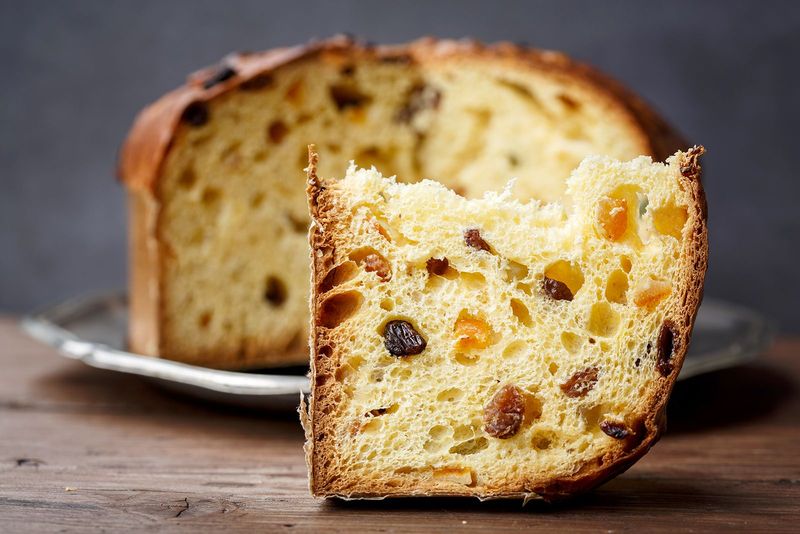
Milan's bakers have been arguing over who invented this towering sweet bread since the 15th century, with legends involving noblemen, servants, and secret recipes galore.
Panettone is a fluffy, dome-shaped loaf studded with candied orange peel, citron, and raisins that takes days to prepare properly because of its slow fermentation process.
Nowadays, you'll spot it in British supermarkets every December, wrapped in cheerful packaging.
Italians traditionally enjoy it with a glass of sweet wine or a frothy cappuccino on Christmas morning, slicing it vertically to preserve its cloud-like texture.
It's become a global symbol of Italian festive generosity.
2. Bûche De Noël (Yule Log) – France
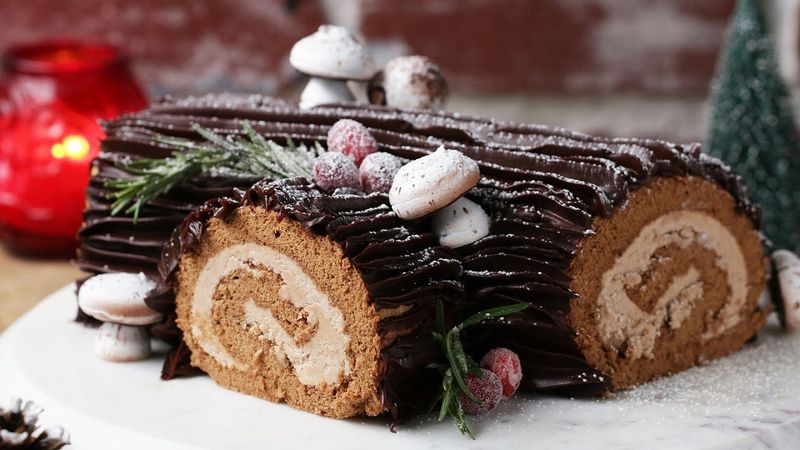
Before central heating, French families would burn a massive log in the hearth throughout Christmas, believing it brought good luck and protection.
When fireplaces became smaller and eventually disappeared, pastry chefs transformed this tradition into an edible masterpiece covered in chocolate buttercream sculpted to look like tree bark.
The sponge gets rolled with cream or ganache, then decorated with meringue mushrooms and powdered sugar resembling fresh snow.
British bakeries have embraced this French classic wholeheartedly, with versions appearing in every major supermarket.
Some bakers add a cheeky robin or holly sprig on top for extra festive flair.
3. Stollen – Germany
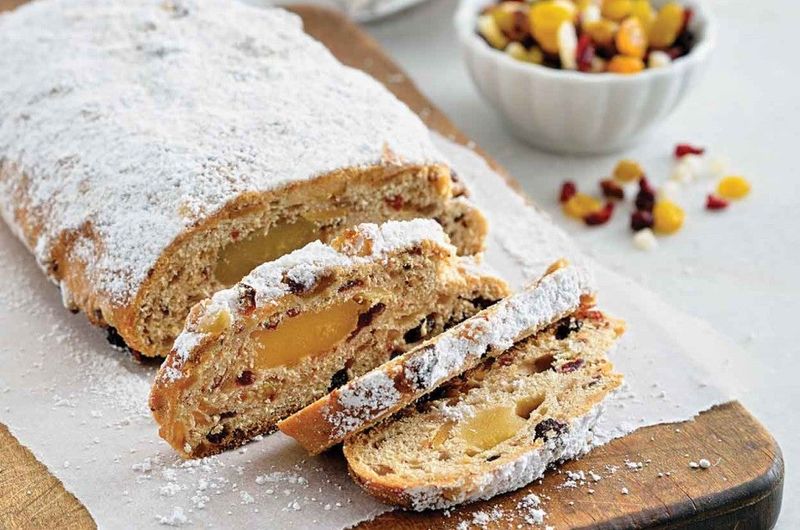
Dresden claims to be the birthplace of this dense, fruit-laden bread that's been a Christmas staple since the 1400s, when it was originally a rather plain fasting food made without butter.
Over centuries, it evolved into the rich, marzipan-stuffed loaf we know today, generously coated in enough icing sugar to resemble fresh Alpine snow.
The shape supposedly represents the swaddled baby Jesus, though most folks are simply charmed by its comforting spiced flavour.
Stollen tastes even better after a few days as the flavours meld together beautifully.
You'll find excellent versions in British supermarkets, perfect for slicing thinly with afternoon tea.
4. Pudding De Noël (Christmas Pudding) – United Kingdom
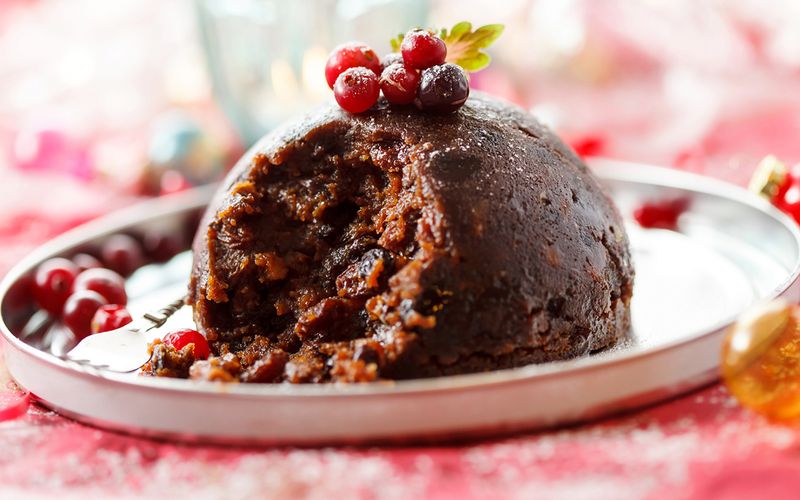
Our own Christmas pudding has roots stretching back to medieval pottage, gradually transforming from a savoury porridge into the gloriously rich, boozy sphere we adore today.
Traditionally made on Stir-up Sunday in late November, every family member takes a turn stirring the mixture from east to west, honouring the Three Wise Men's journey whilst making a wish.
Packed with dried fruit, suet, breadcrumbs, and a generous glug of spirits, it's steamed for hours until dense and dark.
Serving it aflame brings proper theatre to the table.
Many families hide silver coins inside for luck, though you'll want to warn guests first!
5. Turrón – Spain
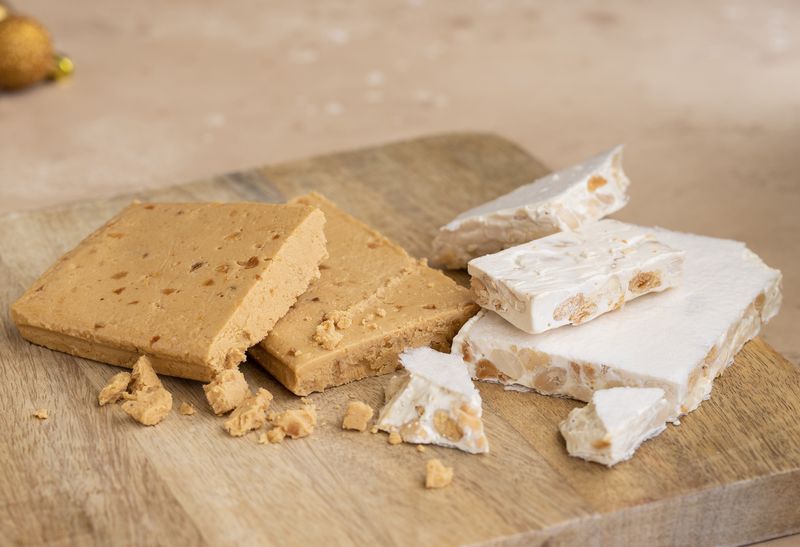
Alicante and Jijona both claim to be the birthplace of this ancient nougat confection, which likely arrived in Spain via Moorish traders centuries ago.
Turrón comes in two classic styles: hard and crunchy with whole toasted almonds visible throughout, or soft and crumbly with ground almonds creating a marzipan-like texture.
Spanish families wouldn't dream of celebrating Christmas without several varieties on the table, each region boasting its own recipe tweaks.
The honey and almond combination creates an addictively sweet treat that's surprisingly substantial.
British shops now stock imported versions, though purists insist the Spanish stuff tastes infinitely better with its protected designation of origin status.
6. Pāvlova – Australia And New Zealand
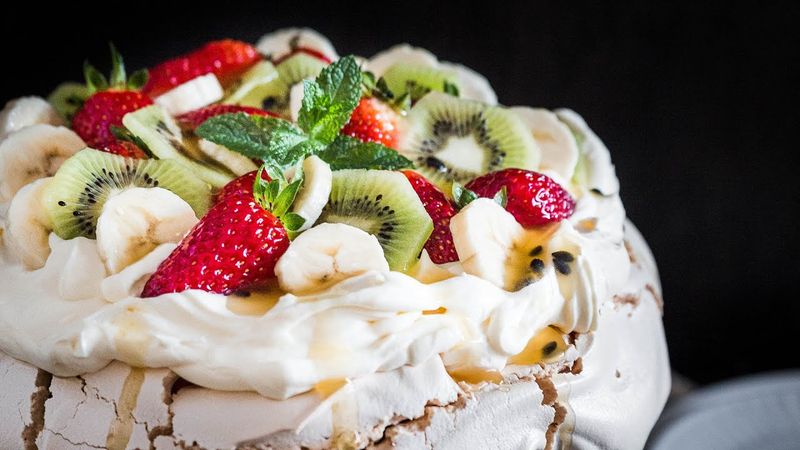
Both Australia and New Zealand claim to have invented this cloud-like meringue dessert in honour of Russian ballerina Anna Pavlova during her 1920s tour, and the friendly rivalry continues to this day.
Named for the dancer's tutu, it features a crispy outer shell giving way to a marshmallowy centre, piled high with whipped cream and vibrant summer fruits.
Since Christmas falls during scorching summer Down Under, a light and refreshing dessert makes far more sense than heavy puddings.
Passionfruit, strawberries, and kiwi are traditional toppings.
Though it seems fancy, pavlova is surprisingly forgiving to make at home with just egg whites and sugar.
7. Kutia – Ukraine
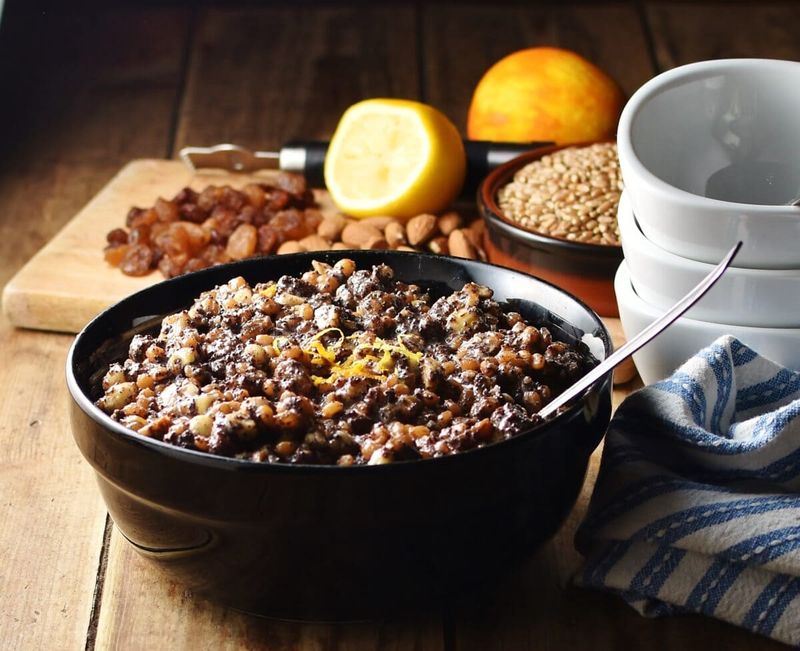
Wheat grains symbolise eternal life in Ukrainian tradition, making kutia the most important dish served during the Holy Supper on Christmas Eve, placed ceremonially in the centre of the table.
This ancient porridge combines boiled wheat berries with ground poppy seeds, honey, and crushed walnuts, creating an unexpectedly delicious blend of textures and earthy sweetness.
Families prepare it with reverence, as each ingredient carries deep symbolic meaning: wheat for prosperity, honey for happiness, and poppy seeds for peace.
Some versions include raisins or dried fruit for extra richness.
It's traditionally the first food eaten after the Christmas Eve fast ends, making that first spoonful especially meaningful and memorable.
8. Risalamande – Denmark
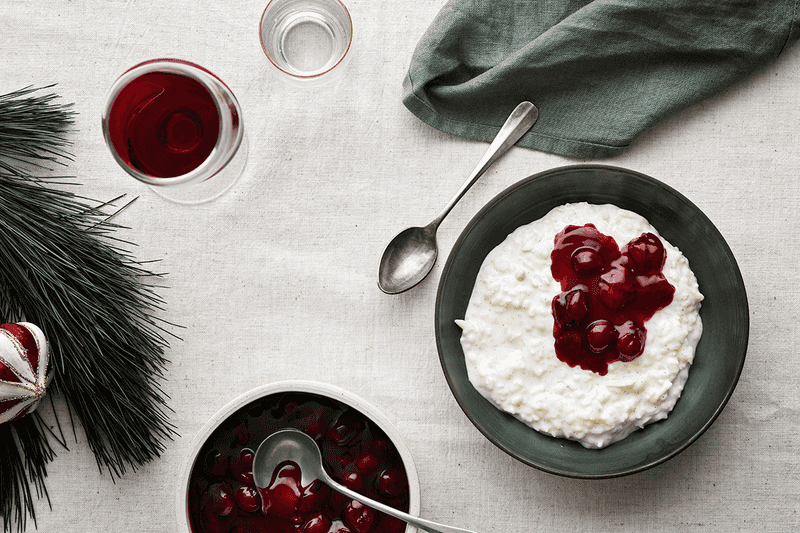
In Denmark, Christmas culminates with Risalamande, a rich, creamy rice pudding that holds a delightful surprise.
The dessert is served with a hidden whole almond, and the lucky finder receives a prize.
Traditionally, it’s accompanied by warm cherry sauce, adding a fruity touch to the creamy texture.
Risalamande became popular in the 19th century as a luxurious twist on everyday rice pudding.
Its indulgent blend of whipped cream, vanilla, and almonds makes it a comforting favorite during the holiday season.
The playful almond hunt offers a charming, festive highlight to Christmas dinners.
9. Bibingka – Philippines
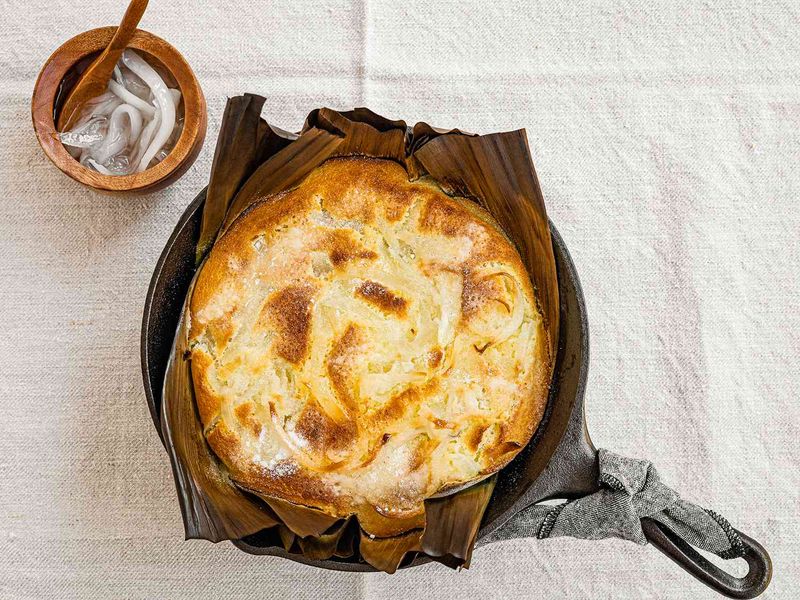
Bibingka, a beloved Filipino Christmas treat, is synonymous with the festive season.
This rice cake, baked in clay pots lined with banana leaves, offers a unique blend of flavors.
Topped with butter, cheese, and coconut, Bibingka is often enjoyed after attending Simbang Gabi, a series of dawn masses leading up to Christmas.
Its origins trace back to pre-colonial times, with Spanish influence adding rich toppings.
The comforting aroma and soft, chewy texture evoke nostalgia and warmth, making Bibingka a cherished part of Filipino family gatherings during the holidays.