






There’s something truly heartwarming about how every country brings its own flavour to the festive season.
From rich, spiced desserts to savoury centrepieces that only appear once a year, Christmas tables around the world tell stories of family, faith, and food traditions passed down through generations.
You might even spot a few dishes that inspire you to start a new holiday ritual of your own.
This article is for general cultural interest and festive inspiration only. Recipes, ingredients, and traditions can vary by region and household.
1. Panettone – Italy
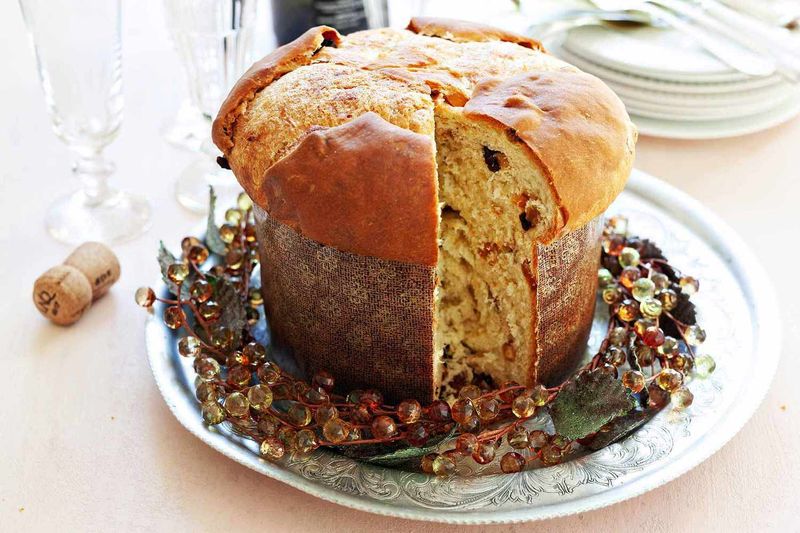
This golden dome-shaped bread towers over Italian Christmas tables like a sweet monument to holiday joy.
Studded with candied fruits and raisins, panettone takes days to prepare because the dough must rise multiple times.
Milanese bakers perfected this recipe centuries ago, and now families across Italy slice it for breakfast or dessert throughout the festive season.
Its light, airy texture melts in your mouth, making every bite feel like a celebration.
2. Bûche De Noël – France
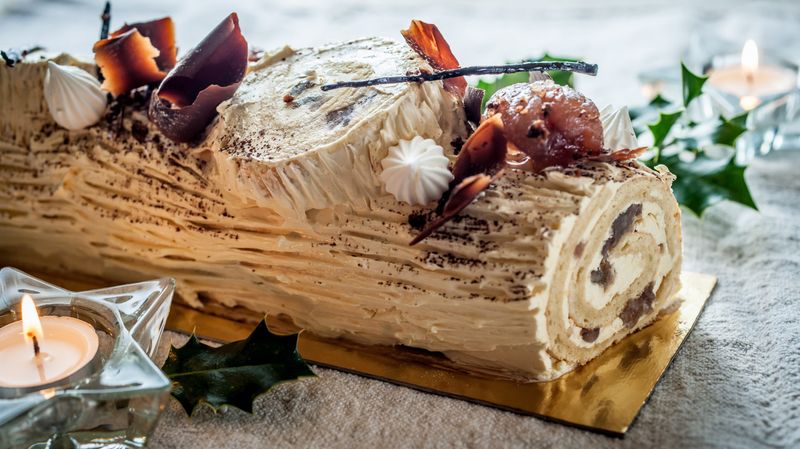
Shaped like a woodland log, this French cake transforms dessert into edible art.
Chocolate sponge gets rolled with rich cream filling, then covered in buttercream carved to look like tree bark.
Tiny meringue mushrooms and powdered sugar "snow" complete the forest scene.
French families created this tradition to honour ancient Yule log ceremonies, where burning wood symbolised warmth and protection.
Today, it remains the centrepiece of French Christmas dinners nationwide.
3. Pavlova – New Zealand
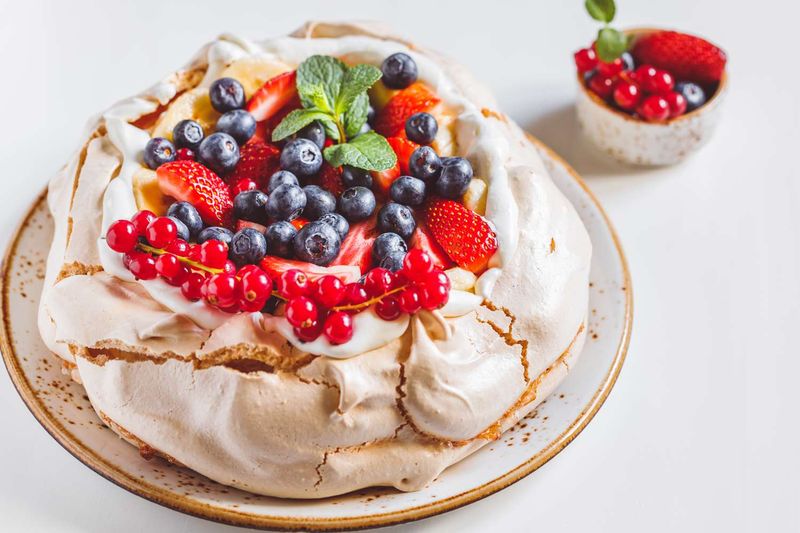
This light and airy meringue dessert has a crisp shell and soft, marshmallow-like centre topped with whipped cream and fresh fruit such as kiwi and berries.
It’s a popular part of New Zealand’s festive season, especially during warm summer celebrations.
The dessert is said to have been inspired by the Russian ballerina Anna Pavlova.
Both New Zealand and Australia claim its invention, making it one of the most friendly culinary debates in the Southern Hemisphere.
4. Kutia – Ukraine
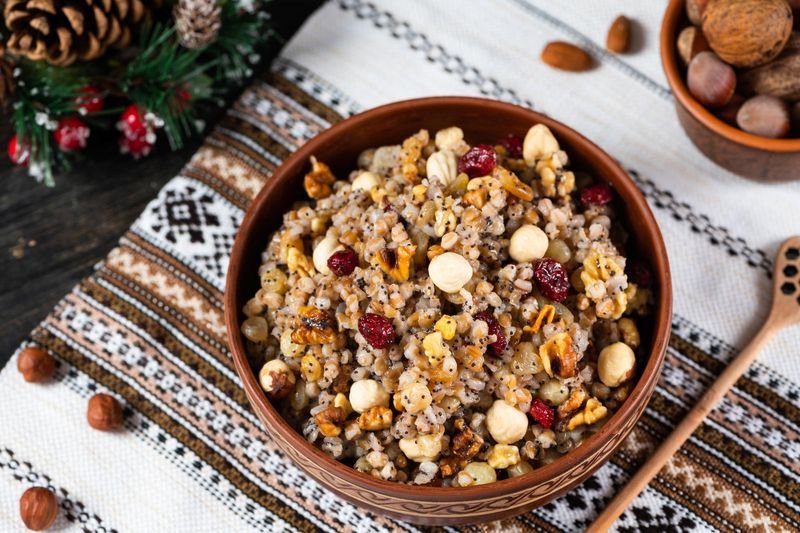
Wheat berries, poppy seeds, honey, and nuts combine in this ancient Ukrainian dish that opens Christmas Eve supper.
Each ingredient carries deep meaning: wheat symbolises eternal life, honey represents happiness, and poppy seeds bring prosperity.
Families prepare kutia with reverence, following recipes their great-grandmothers used.
The first spoonful must be tasted by the eldest family member before anyone else can begin the feast, connecting past and present generations.
5. Tamales – Mexico
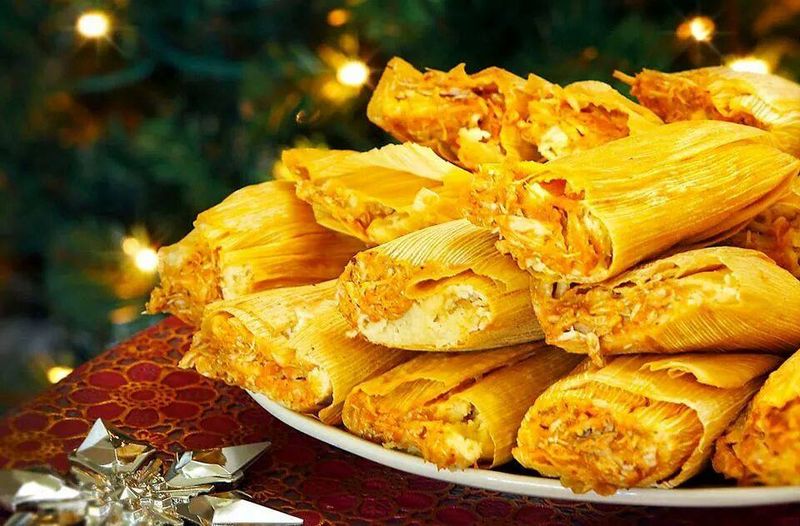
Wrapped in corn husks like little gifts, tamales turn Mexican Christmas preparations into joyful family projects.
Masa dough gets spread thin, filled with savoury meats or sweet fillings, then folded and steamed to perfection.
Making hundreds of tamales requires many hands, so relatives gather days before Christmas for tamaladas - cooking parties filled with laughter and stories.
Opening the husk reveals tender, flavourful treasures that taste like home and heritage combined.
6. Mince Pies – United Kingdom
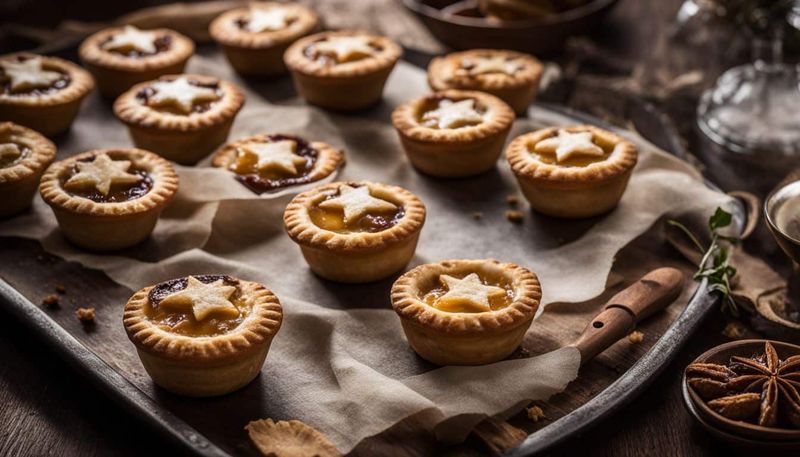
These buttery pastry rounds hide sweet, spiced fruit filling that's been a British Christmas essential for centuries.
Despite the name, modern mince pies contain no meat - just dried fruits, spices, and citrus peel.
Victorian tradition says you must make a wish whilst taking your first bite, and eating one pie on each of the twelve days of Christmas brings good luck.
Their warm, cinnamon-scented aroma signals that the holidays have truly arrived.
7. Roast Goose – Germany
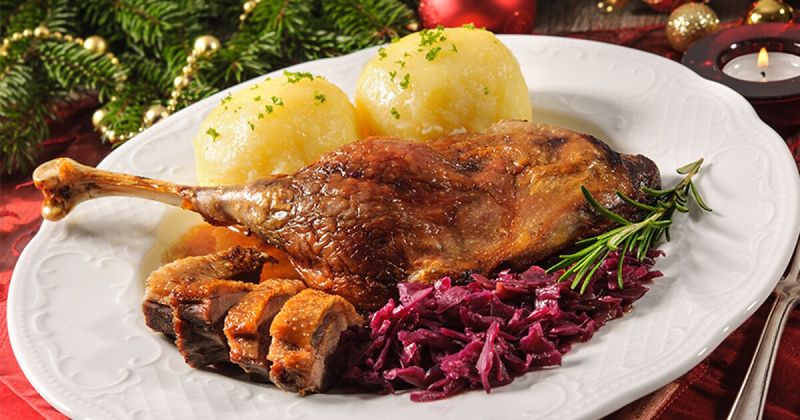
Roast goose is a cherished centrepiece on many German Christmas tables, often stuffed with apples, onions, and herbs before roasting to a golden finish.
The dish is commonly served with red cabbage and potato dumplings for a hearty festive meal.
Its popularity grew over centuries as part of winter and Christmas traditions.
Today, it remains a much-loved symbol of holiday feasting across the country.
8. Bibingka – Philippines
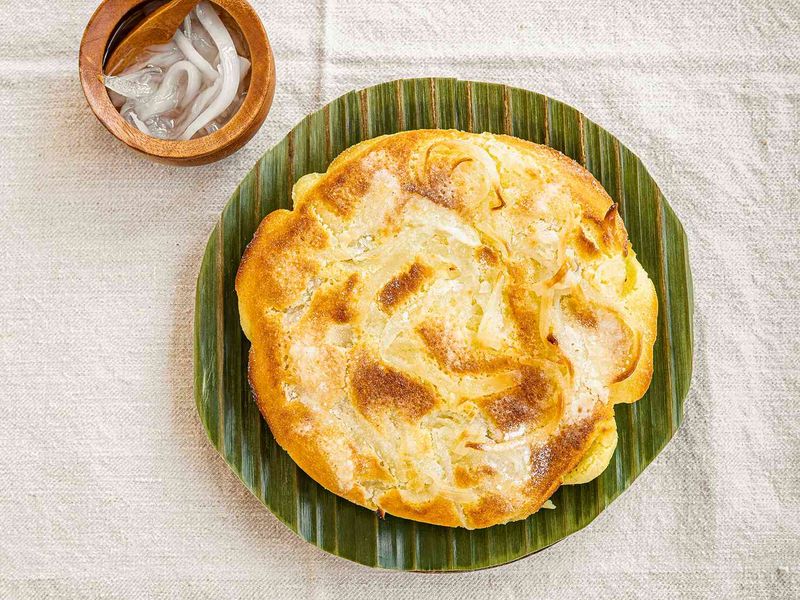
Baked in clay pots lined with banana leaves, bibingka fills Philippine Christmas mornings with irresistible coconut-scented sweetness.
Rice flour batter rises into fluffy cakes topped with salted eggs and cheese - a combination that surprises first-timers but delights locals.
Street vendors sell these hot cakes outside churches after midnight Mass, creating a beloved tradition called Simbang Gabi.
Eating bibingka whilst it's still warm, with butter melting into every bite, feels like pure holiday magic.
9. Stollen – Germany
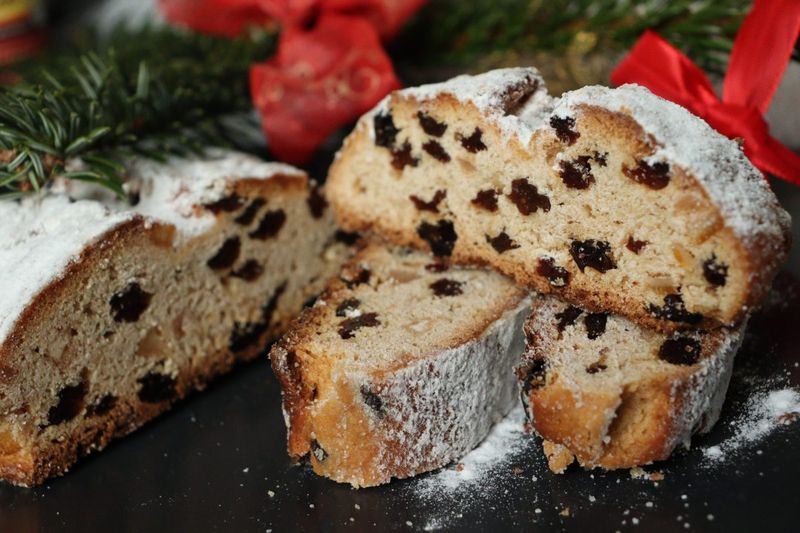
Powdered sugar blankets this German fruit bread like fresh December snow.
Inside, you'll discover marzipan running through the centre, surrounded by dough packed with raisins, candied citrus peel, and warming spices.
Dresden bakers created stollen over 600 years ago, and the city still hosts an annual festival celebrating this Christmas treasure.
The bread improves with age, so families bake it weeks early, allowing flavours to deepen and meld into something extraordinary.
10. Tourtière – Canada
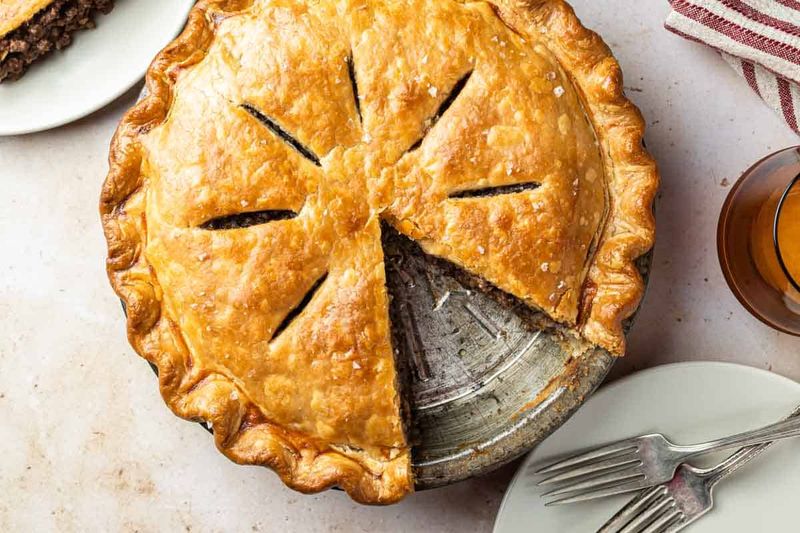
Flaky pastry encases spiced ground meat in this French-Canadian pie that warms bodies after midnight Mass.
Families guard their tourtière recipes fiercely, each claiming unique spice blends passed down through generations.
Some versions use pork, others mix multiple meats, but all share that comforting, savoury richness perfect for cold Quebec winters.
Slicing into the golden crust releases aromatic steam, and that first forkful tastes like coming home for the holidays, no matter where you've been.
11. Svíčková – Czech Republic
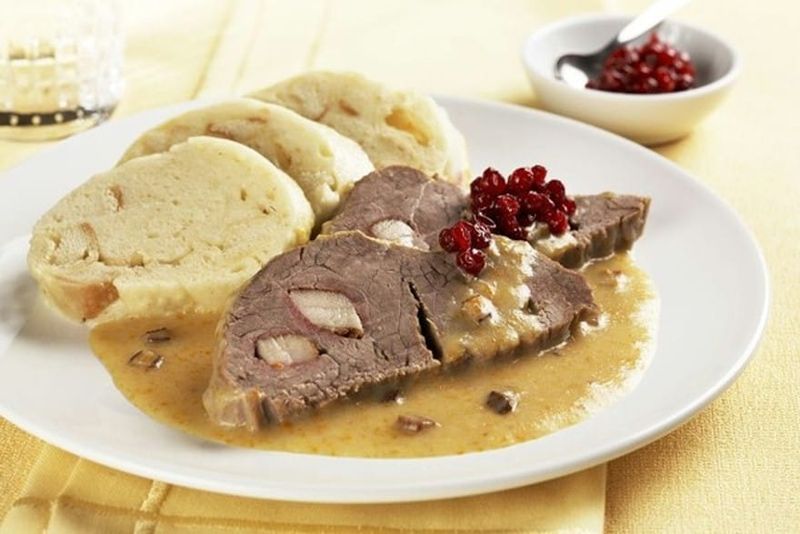
Tender beef sirloin swims in velvety cream sauce studded with root vegetables in this Czech Christmas showstopper.
The meat marinates for hours, then gets braised until it practically melts on your tongue.
Bread dumplings soak up the luscious sauce, whilst a dollop of cranberry sauce adds tart contrast.
Czech families consider svíčková their most elegant dish, reserving it for Christmas and special celebrations when only the finest meal will do for gathered loved ones.
12. KFC Christmas Feast – Japan
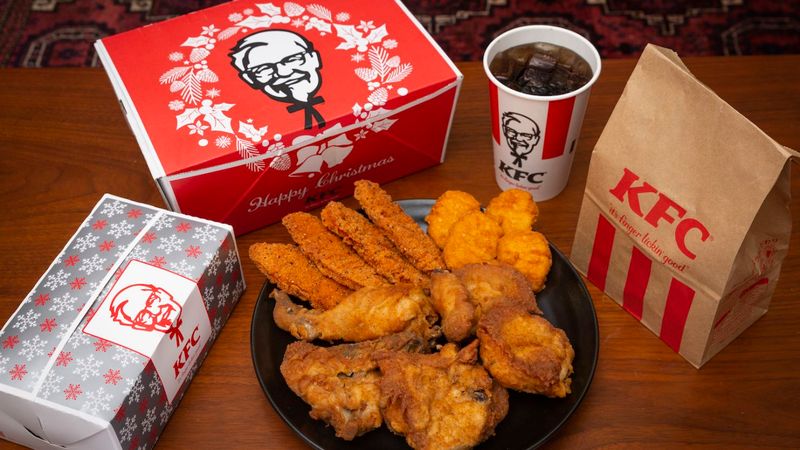
What started as a clever marketing campaign in the 1970s has become one of Japan’s most famous Christmas food traditions.
Families pre-order buckets of fried chicken weeks in advance, often paired with cake and festive sides.
The tradition took hold because roast turkey was hard to find, and fried chicken became a practical alternative.
Today, queues outside KFC outlets at Christmas are a familiar and expected sight across the country.
13. Bacalao A La Vizcaína – Spain
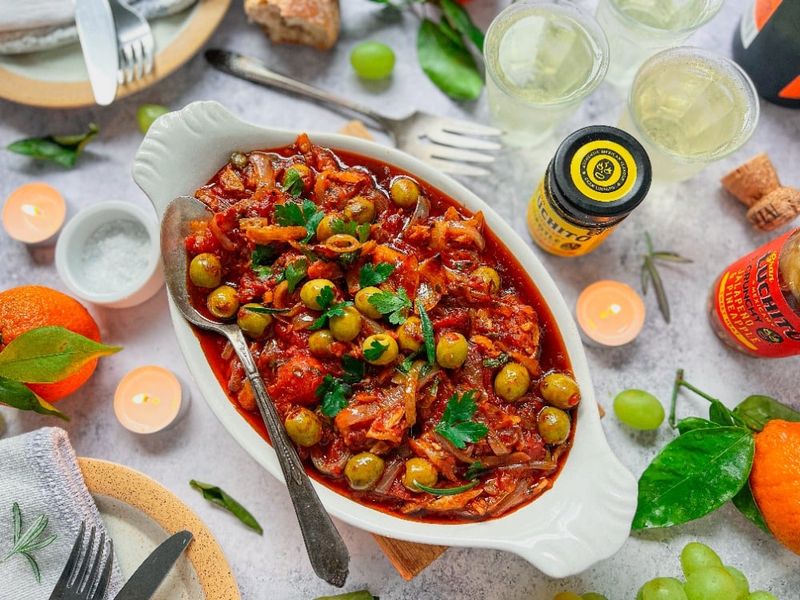
Salt cod transforms into Christmas luxury when simmered in Spain's vibrant red pepper and tomato sauce.
The fish soaks overnight to remove excess salt, then gets layered with roasted peppers, tomatoes, and olives.
This Basque Country speciality spread throughout Spain, becoming a Christmas Eve favourite because Catholic tradition once forbade eating meat before Christmas Day.
The complex, slightly sweet sauce proves that holiday restrictions can inspire absolutely delicious creativity and memorable festive meals.
14. Risalamande – Denmark
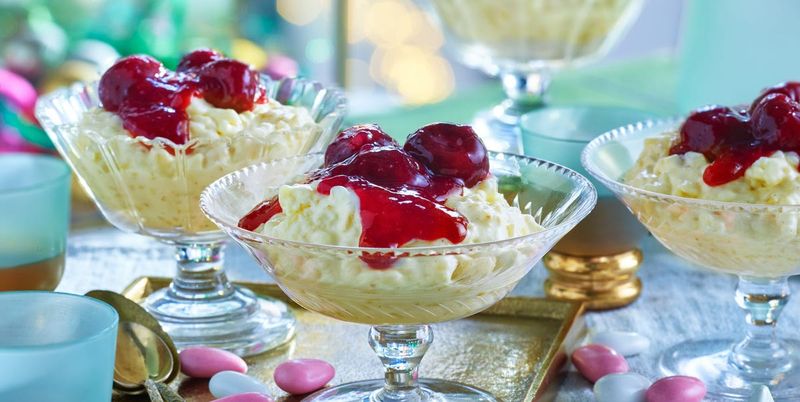
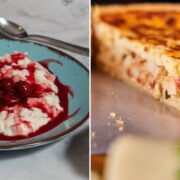
Cold rice pudding mixed with whipped cream, vanilla, and chopped almonds becomes Denmark's favourite Christmas dessert.
One whole almond gets hidden inside, and whoever finds it wins a prize - usually marzipan shaped like a pig.
Cherry sauce cascades over each serving, adding tart sweetness to the creamy base.
Danish children eat extra slowly, searching every spoonful for that lucky almond, turning dessert into an exciting game that extends the holiday magic.
15. Feast Of The Seven Fishes – Italy And Italian-American Communities
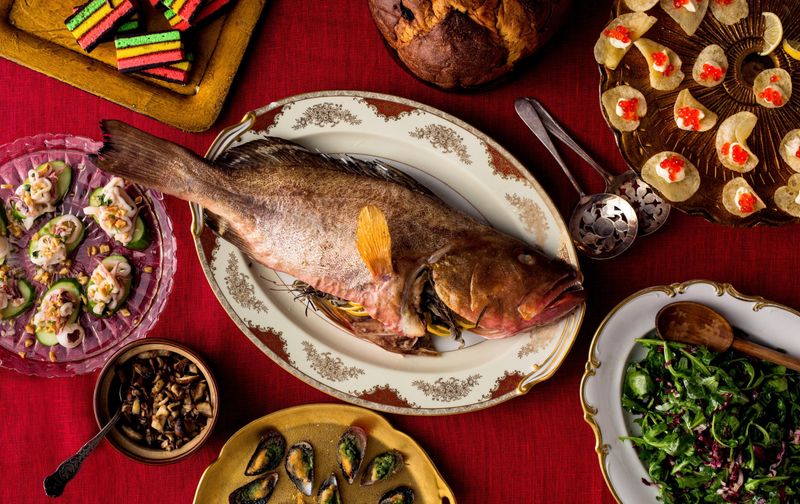
This Christmas Eve tradition centres on a seafood-heavy meal featuring multiple fish and shellfish dishes served over several courses.
The custom is rooted in Catholic practice, where meat was traditionally avoided before Christmas Day.
Families may serve dishes like fried calamari, baccalà, or seafood pasta, with recipes varying by region and household.
While the number of dishes differs, the focus remains on gathering, sharing, and celebrating together before midnight.