Step into a modern British bakery and you will often find the same comforting sights alongside newer creations – classic cakes that have quietly stood the test of time.
These traditional bakes continue to earn their place in display cabinets thanks to dependable flavours, familiar textures, and strong ties to British baking heritage.
While trends come and go, many customers still reach for recipes they recognise and trust, proving that nostalgia and quality remain powerful influences in today’s bakery scene. These enduring favourites show how tradition and modern craftsmanship can sit side by side.
All information is provided for general interest only. Taste, appearance, and availability may vary. Photos are for illustrative purposes only.
1. Victoria Sponge
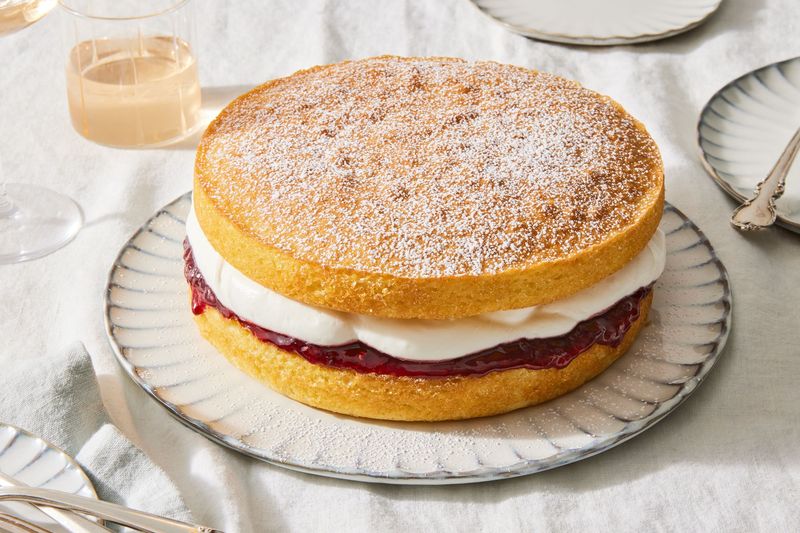
Named after Queen Victoria herself, this cake became the ultimate symbol of British afternoon tea during her reign. The monarch was rather partial to a slice with her cuppa, and who could blame her?
Two feather-light sponge layers sandwich together with raspberry or strawberry jam and either buttercream or fresh whipped cream. The top gets a simple dusting of icing sugar, nothing more.
It's that beautiful simplicity that keeps it relevant today.
Modern bakeries often experiment with the filling, but purists insist on the traditional raspberry jam version. Either way, it remains Britain's most beloved teatime treat.
2. Battenberg Cake
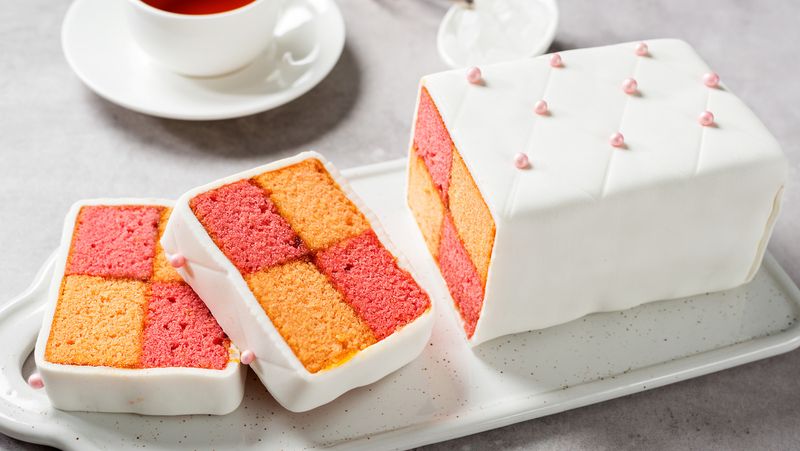
That distinctive pink and yellow checkerboard pattern wrapped in marzipan is instantly recognisable in any bakery window. Created in honour of a German prince's marriage to Queen Victoria's granddaughter, it's been charming cake lovers since the 1800s.
The almond sponge squares are held together with apricot jam before being encased in a blanket of marzipan. Getting those perfect squares requires proper technique, which is why homemade versions rarely match the bakery standard.
Its retro appeal has made it surprisingly popular with younger generations. The marzipan coating divides opinion, but fans wouldn't have it any other way.
3. Dundee Cake
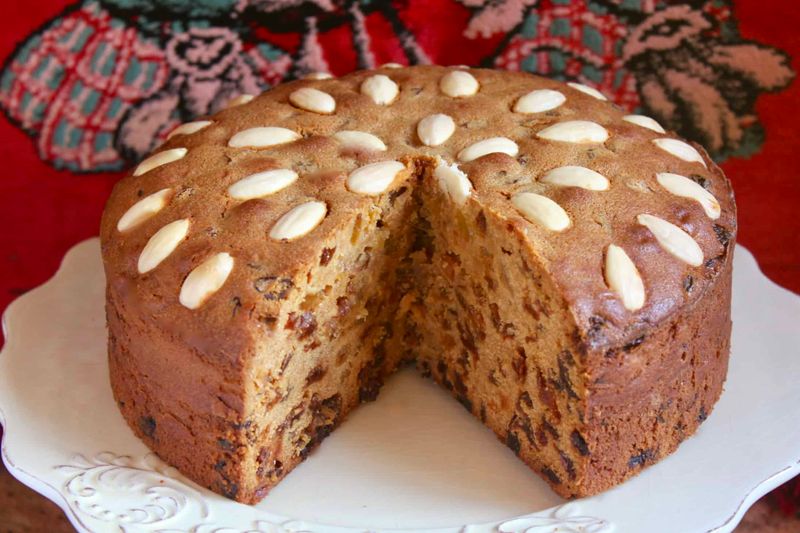
Hailing from Scotland's marmalade capital, this fruit cake skips the heavy icing in favour of a stunning almond decoration on top. Those blanched almonds arranged in circles are the cake's signature look, and they're not just for show.
The crumb is lighter than traditional Christmas cake, packed with sultanas, currants, and mixed peel. Orange zest gives it a citrusy brightness that cuts through the sweetness beautifully.
It's less cloying than other fruit cakes, making it more approachable for modern palates.
Bakeries love it because it keeps brilliantly and actually improves with age. Perfect for those who find Christmas cake too much.
4. Madeira Cake
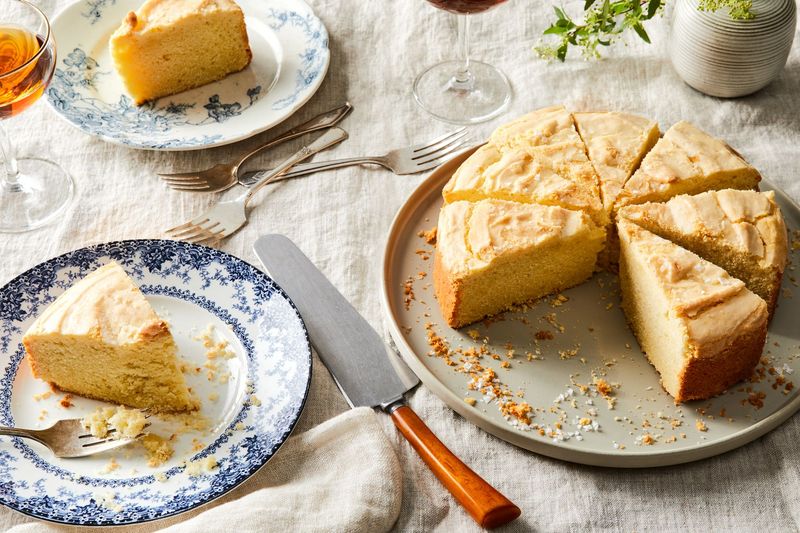
Don't let the name fool you; this cake has nothing to do with the Portuguese island. Victorians enjoyed it with a glass of Madeira, hence the moniker, though these days it's more likely paired with a proper brew.
The texture sits somewhere between a sponge and a pound cake, with a fine, tight crumb that's beautifully buttery. That characteristic crack down the middle isn't a mistake but rather a badge of honour showing it's been baked properly.
Its subtle lemon flavour and firm texture make it brilliant for decorating, which explains why it's the base for many fancy celebration cakes in modern bakeries.
5. Eccles Cake
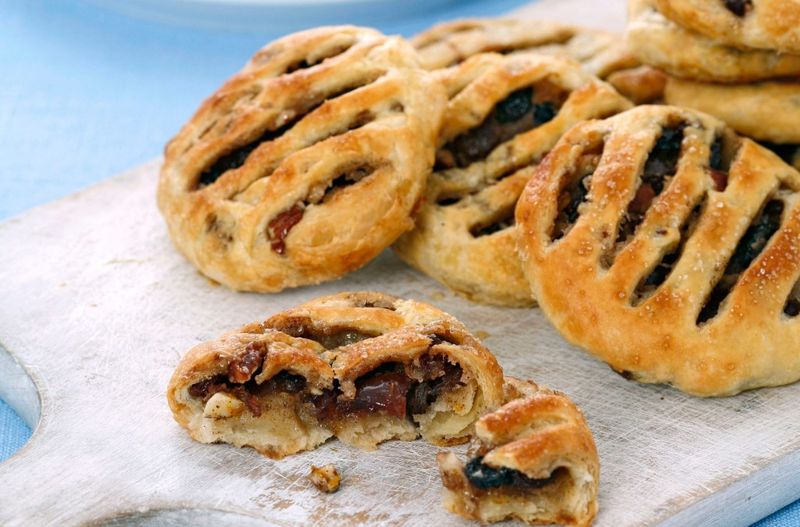
Technically more of a pastry than a cake, but try telling that to the good folk of Eccles who've been making these since 1793. These little rounds of flaky pastry stuffed with spiced currants are proper northern comfort food.
The filling is dark, sticky, and packed with dried fruit mixed with butter, sugar, and warming spices. That buttery, crisp pastry shatters beautifully when you bite in, releasing all those sweet, spiced flavours.
They're having a right moment in artisan bakeries, often served warm with a chunk of Lancashire cheese. The sweet and savoury combination might sound odd, but it's absolutely spot on.
6. Parkin
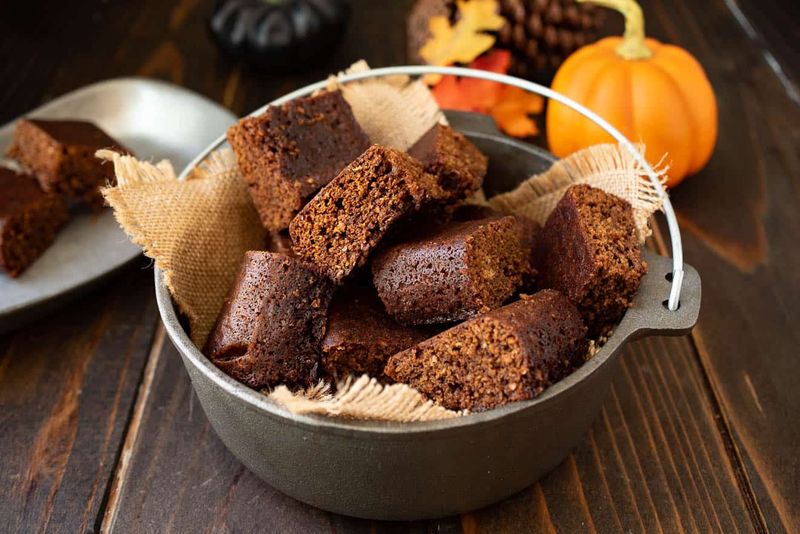
This northern treasure is basically gingerbread's stickier, oatier cousin. Yorkshire and Lancashire have been arguing over its origins for centuries, but both regions agree it's essential eating around Bonfire Night.
Oatmeal gives it a unique texture that's dense and wonderfully moist, whilst black treacle, ginger, and mixed spice create that deep, warming flavour. The magic happens when you leave it wrapped up for a few days, allowing it to become even stickier and more intense.
Modern bakeries often sell it year-round now, though traditionalists insist it's strictly autumn fare. Either way, it's proper comfort in cake form.
7. Simnel Cake
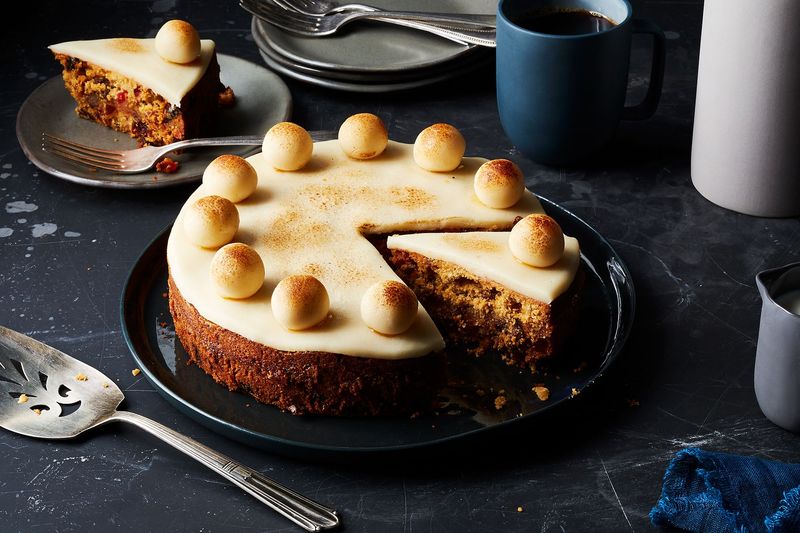
Easter wouldn't be Easter without this fruit cake crowned with eleven marzipan balls representing the apostles (minus Judas, naturally). Its history stretches back to medieval times when it was originally a Mothering Sunday treat.
Similar to Christmas cake but lighter, it features a layer of marzipan baked right into the middle as well as on top. The marzipan balls are traditionally toasted under the grill until golden, creating a lovely caramelised flavour that contrasts with the rich fruit cake.
Many bakeries now offer it throughout spring rather than just at Easter. The combination of spiced fruit and almond paste remains utterly irresistible.
8. Welsh Bara Brith
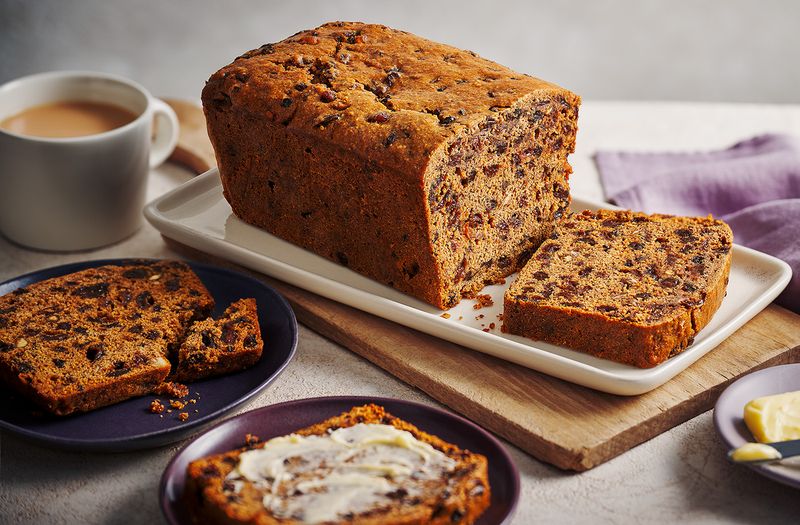
The name translates to 'speckled bread', though it's far more cake than bread in reality. This Welsh classic involves soaking dried fruit in strong tea overnight, which plumps them up beautifully and adds incredible depth of flavour.
The resulting loaf is dark, dense, and magnificently moist, with mixed spice warming everything up nicely. Traditionally served sliced and buttered, it's one of those cakes that improves dramatically over a few days as the flavours meld together.
Artisan bakeries have embraced it recently, often adding their own twists whilst respecting the traditional tea-soaking method. It's brilliant toasted too, if you fancy something different.
9. Lemon Drizzle Cake
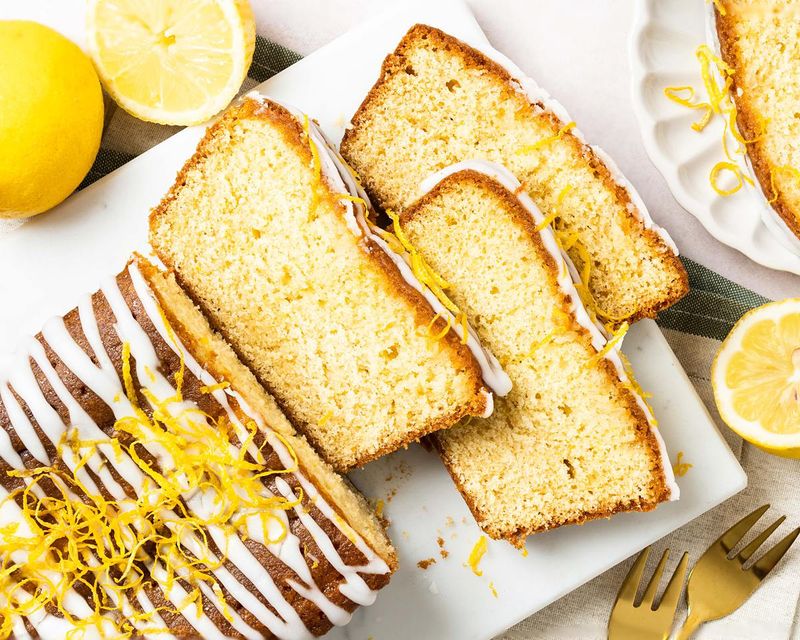
Whilst not as ancient as some others on this list, this zingy number has become a modern classic that's earned its place in every respectable bakery. That crunchy, sugary topping soaked with sharp lemon syrup is absolutely addictive.
The sponge itself is light and buttery, providing the perfect canvas for all that citrus punch. The key is poking holes in the warm cake before drenching it in syrup, allowing the lemony goodness to seep right through.
It bridges the gap brilliantly between traditional and contemporary tastes. Fresh, tangy, and not too heavy, it's become the go-to choice for those wanting something classic but bright and refreshing.