


British cuisine has a rich history filled with hearty meals that once graced dinner tables across the nation. Many traditional dishes that our grandparents enjoyed have slowly faded from modern menus and home kitchens. These forgotten foods tell fascinating stories about British culture, resourcefulness, and changing tastes over the decades.
This article is for general informational and nostalgic purposes only. The dishes mentioned reflect historical British recipes that were once common but are now rarely prepared. Regional variations and family traditions may differ. Photos are illustrative and serve only as representations of the foods discussed.
1. Steak And Kidney Pudding
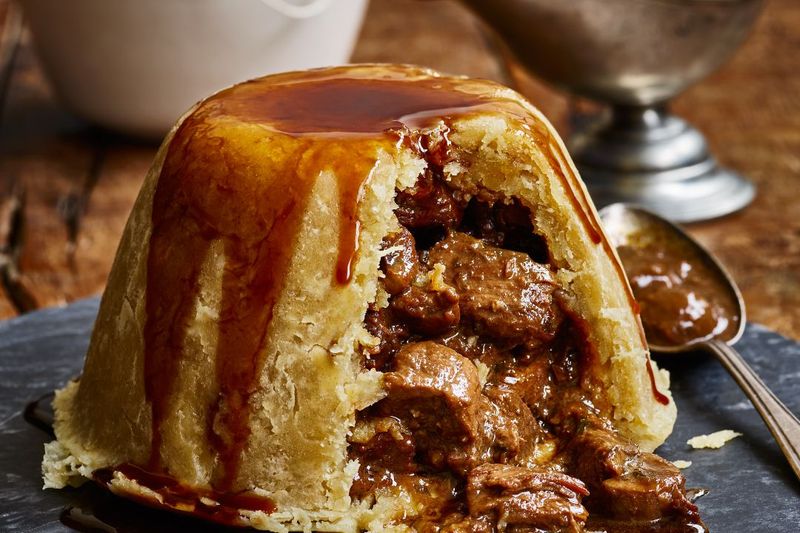
This hearty dish combined tender beef and kidney pieces wrapped in suet pastry, then steamed for hours until perfectly cooked. The savoury filling created rich gravy that soaked into the fluffy pastry.
Working-class families cherished this affordable meal that could feed many mouths. Modern cooks rarely attempt this time-consuming recipe, and younger generations often find the kidney too adventurous for their palates.
2. Mock Turtle Soup
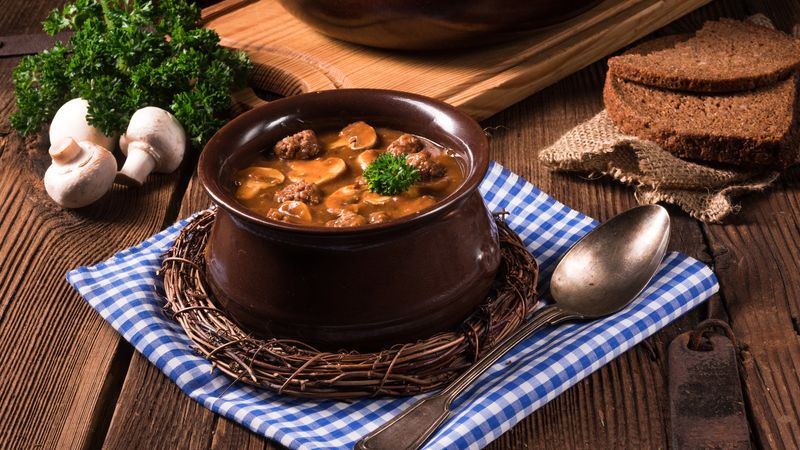
Victorian cooks made this elaborate soup using calf’s head or oxtail to recreate the texture of real turtle soup, which was a luxury at the time. The preparation involved long simmering and careful seasoning with herbs and spices to build rich flavour. It became a symbol of thrifty ingenuity, allowing households to imitate fine dining affordably.
Today, it survives mostly in old cookbooks and museum exhibits as a glimpse into historical British cuisine.
3. Brown Windsor Soup
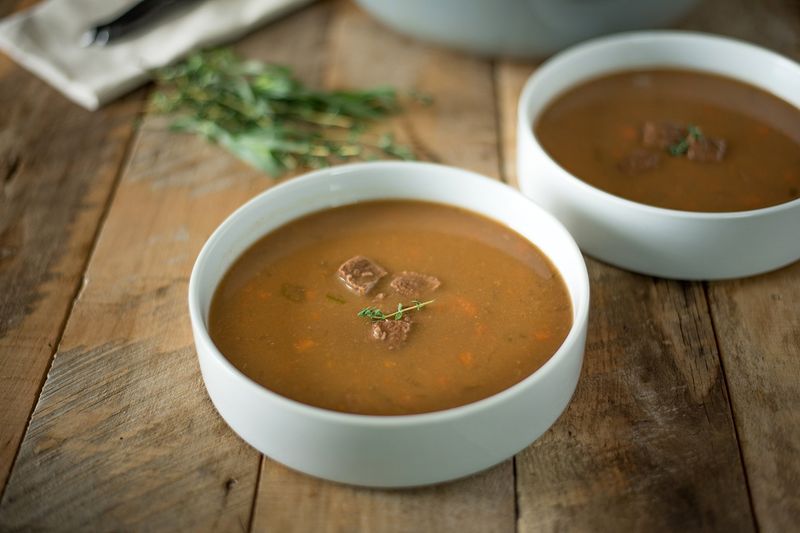
Often associated with grand hotels and railway dining rooms of the early 20th century, Brown Windsor Soup was a thick, meaty broth made with beef, vegetables, and flour for body. Its dark colour came from browning the ingredients rather than from added caramel.
Although once considered proper British comfort food, it eventually gained an unfair reputation for being bland and stodgy. Few cooks attempt it now, but it remains part of Britain’s culinary folklore.
4. Jugged Hare
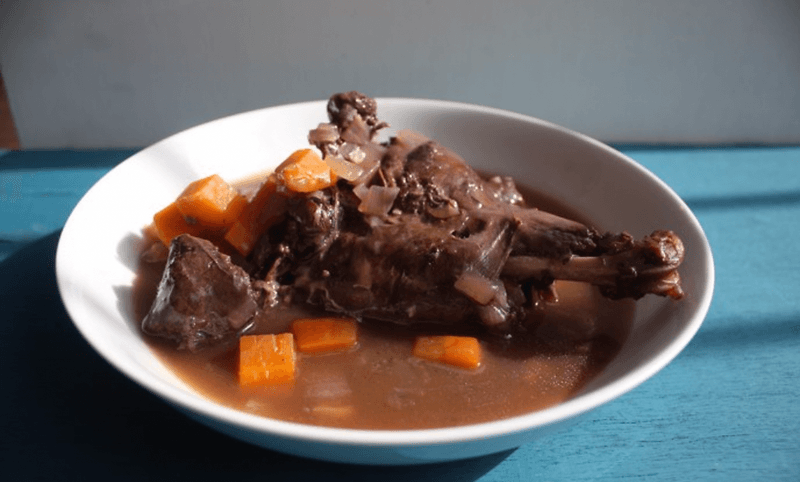
Country cooks stewed wild hare in a tall jug placed inside a pot of boiling water, adding the animal's blood to enrich the sauce. This slow cooking method produced incredibly tender meat with deep flavours.
Hunting traditions kept this dish popular through the early 1900s. Nowadays, hare rarely appears in butcher shops, and the use of blood in cooking makes many modern diners squeamish.
5. Boiled Beef And Carrots
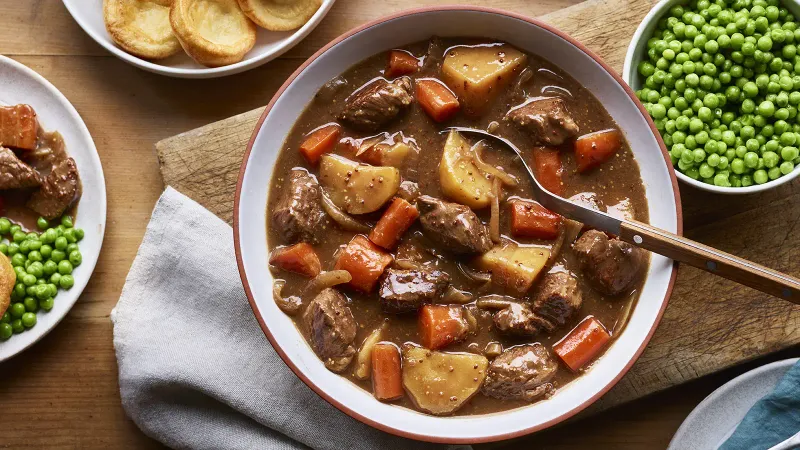
Working families boiled inexpensive cuts of beef with carrots and onions to create filling meals that stretched household budgets. The simple preparation required minimal skill but plenty of patience.
Music hall songs even celebrated this humble dish in Victorian London. Today's preference for roasted or grilled meats means boiled beef seems unappetising, despite its historical importance to British cuisine.
6. Savoury Ducks
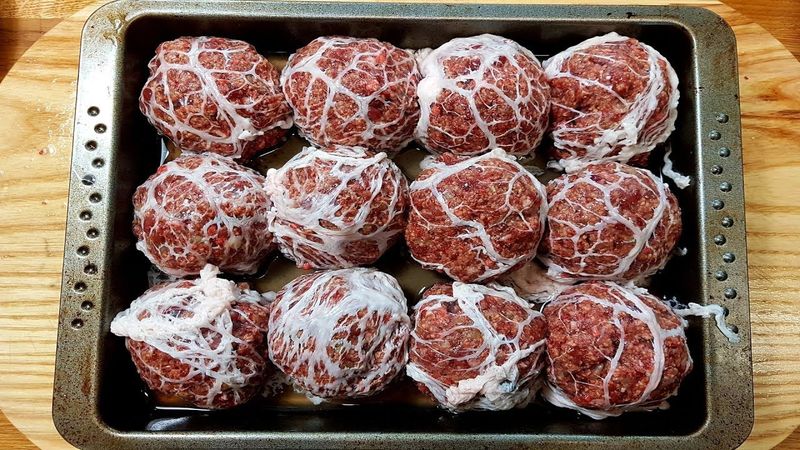
Despite the misleading name, this dish contained no duck whatsoever but featured rolled and stuffed lamb offal shaped into small parcels. Butchers sold these affordable treats to families seeking economical protein sources.
The clever name possibly helped squeamish eaters enjoy organ meats more readily. Modern supermarkets rarely stock such items, and the younger generation has lost familiarity with offal-based recipes.
7. Stuffed Sheep's Heart
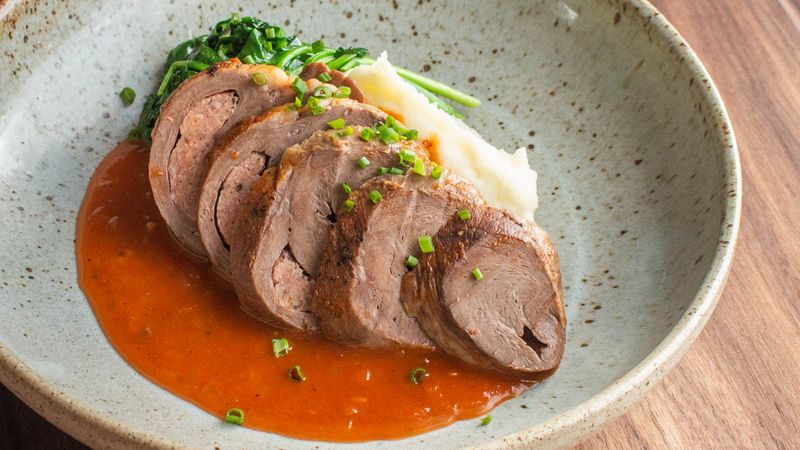
Frugal cooks filled sheep hearts with sage and onion stuffing before roasting them until tender and flavourful. This economical meal provided good nutrition when budgets were tight.
Butchers once displayed hearts alongside other common cuts of meat. Changing attitudes towards offal and increased prosperity mean most people now consider this dish too unusual, though it remains nutritious and tasty.
8. Tripe And Onions
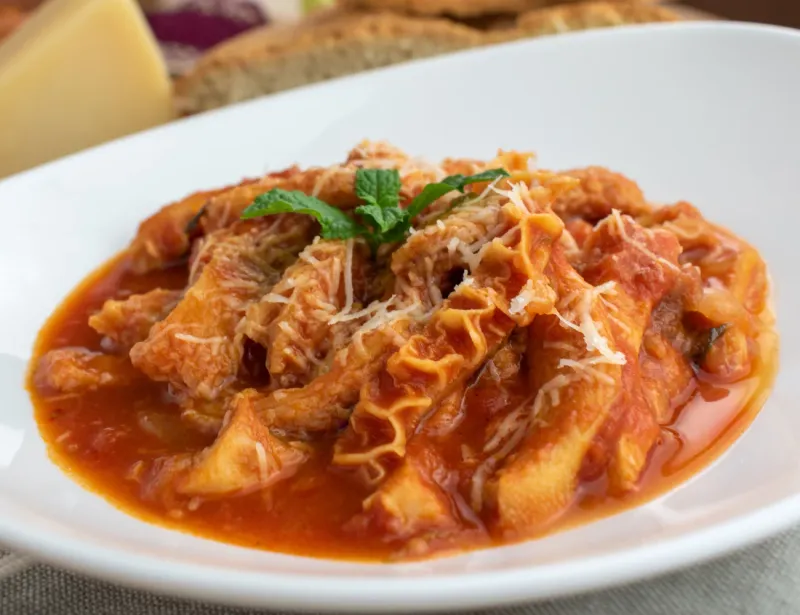
Northern English families particularly loved this dish made from cow stomach lining simmered in milk with sliced onions. The distinctive texture and mild flavour appealed to many working-class households.
Tripe shops once dotted British high streets, selling pre-prepared stomach lining ready for cooking. Today, the chewy texture and unusual origin put off most people, making this once-common meal nearly extinct.
9. Kedgeree
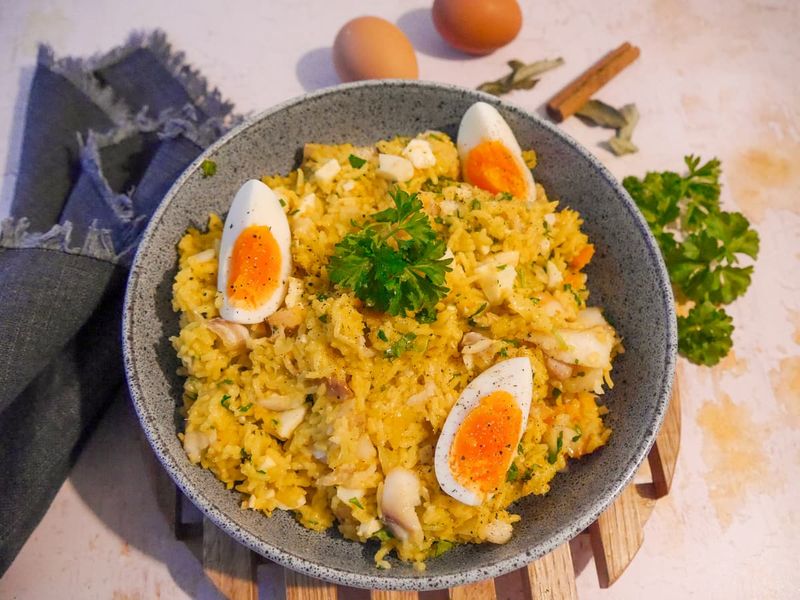
British colonial officers brought this spiced rice and fish dish back from India, adapting it for Victorian breakfast tables. Smoked haddock, hard-boiled eggs, and curry powder created a warming morning meal.
Grand hotels served kedgeree as part of elaborate breakfast spreads throughout the early 20th century. Modern breakfast preferences favour quicker options, leaving this flavourful dish mostly forgotten except in nostalgic cookbooks.
10. Pease Pudding
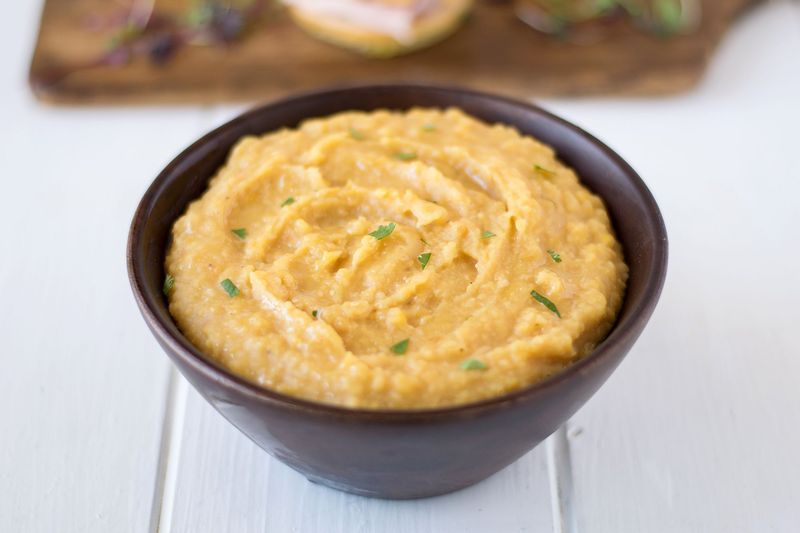
Cooks soaked split peas overnight then boiled them into a thick, golden pudding that accompanied ham or bacon. This protein-rich side dish filled hungry bellies affordably for centuries.
The nursery rhyme "pease pudding hot, pease pudding cold" shows how common this food once was. Nowadays, mushy peas remain popular, but their thicker cousin has largely vanished from British tables.
11. Bread And Dripping
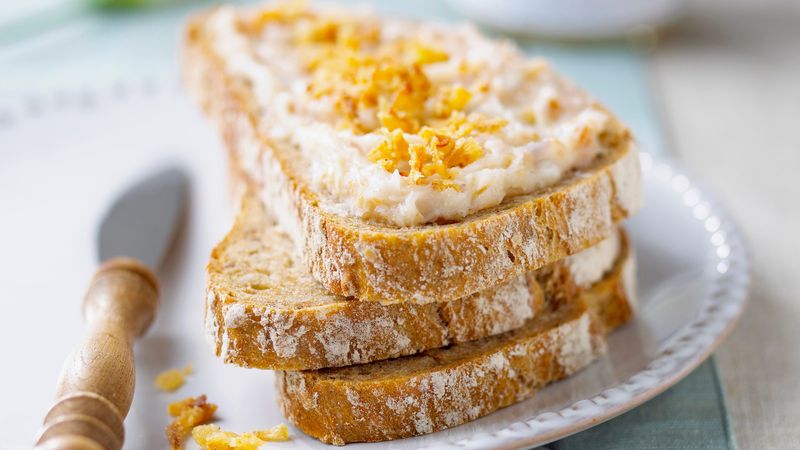
After roasting meat, families saved the flavourful fat that collected in the pan and spread it on bread for simple, satisfying snacks. The jellied bits at the bottom added extra taste.
Children particularly enjoyed this treat after school during harder economic times. Health concerns about saturated fat and increased prosperity mean few people now save dripping, though older generations remember it fondly.
12. Syllabub
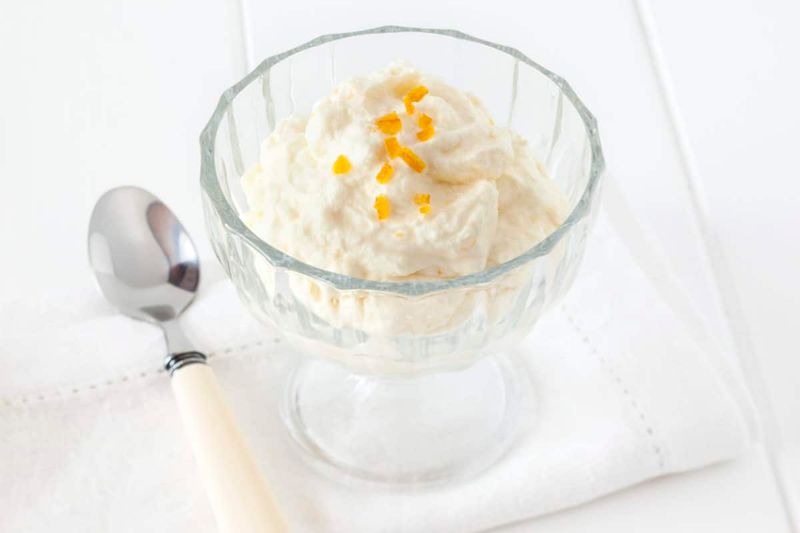
This delicate, whipped dessert was made by combining cream, sugar, and lemon juice to create a light, frothy texture. Some versions also included fragrant spices for extra depth of flavour. It was once a favourite at elegant dinner parties thanks to its simple ingredients and impressive presentation.
Today, it’s rarely made at home, replaced by quicker, modern puddings and mousses.
13. Flummery
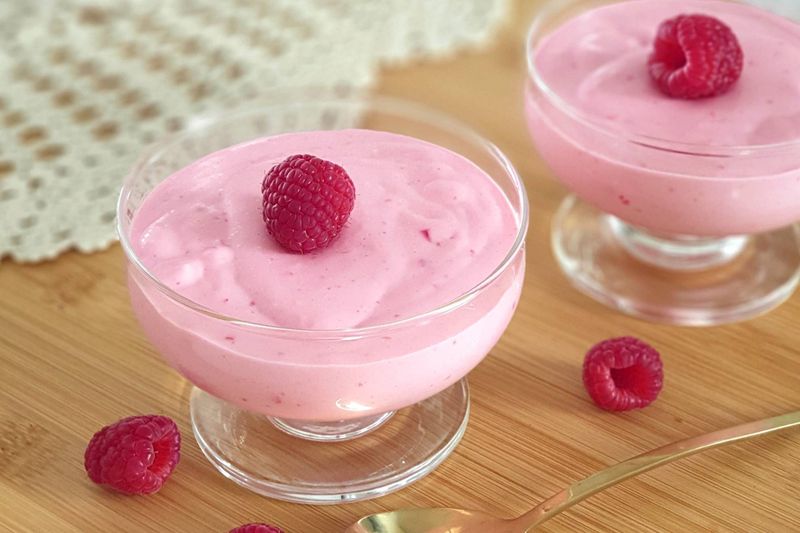
Originating in Wales and northern England, flummery began as a dish made from soaked oats strained and boiled into a smooth, wobbly pudding. Over time, cooks replaced oats with milk or fruit juice to create a softer, sweeter version.
It was often served with cream or honey for special occasions. Though nearly forgotten today, it represents one of Britain’s oldest traditional desserts.
14. Potted Shrimps
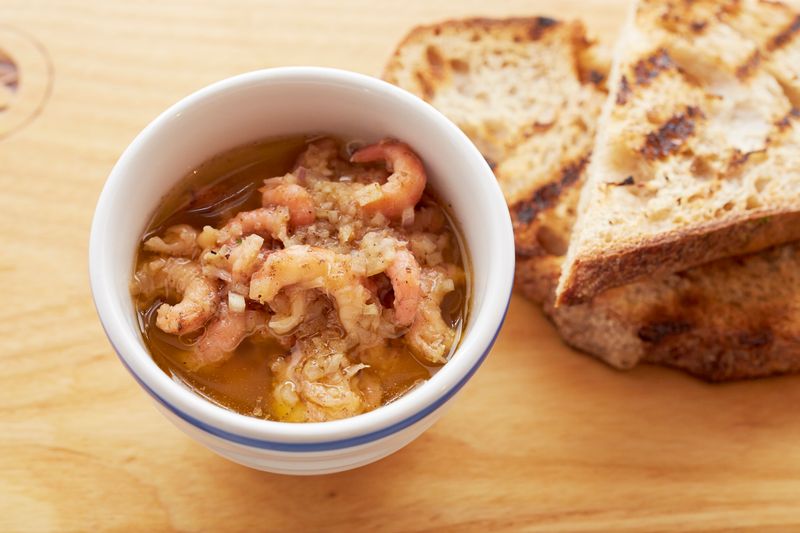
Coastal communities preserved tiny brown shrimps by packing them into small pots filled with spiced butter, creating a luxurious spread for toast. The method kept the delicate seafood fresh longer.
Tea rooms and hotels featured this elegant starter throughout the 20th century. Today, most people prefer fresh prawns, and the fiddly preparation required for authentic potted shrimps seems too much effort.
15. Toad In The Hole
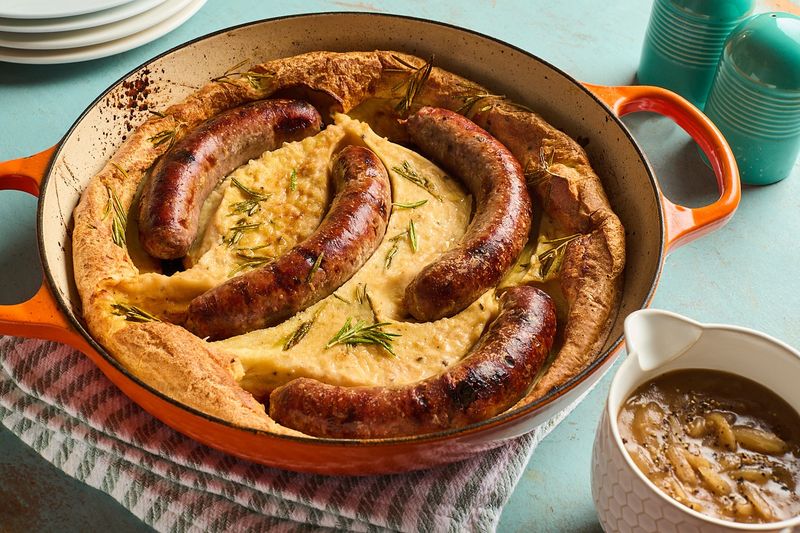
Sausages baked in Yorkshire pudding batter created this whimsically named dish that families enjoyed as an economical yet filling meal. The crispy, risen batter contrasted beautifully with juicy sausages.
Whilst not completely vanished, this dish appears far less frequently than in previous generations. Busy modern lifestyles favour quicker meals, and younger cooks often lack confidence making proper Yorkshire pudding batter from scratch.