










Shopping for meat can feel a bit overwhelming when everything looks the same behind the counter. But once you know what to look for - the colour, texture, and even the smell - it becomes much easier to spot quality cuts. A few simple tips can turn your next market trip into a confident, fuss-free experience that ends with tastier meals at home.
This article is for general informational purposes only. Meat quality and freshness can vary depending on the source, storage, and handling. Always follow safe food preparation and cooking practices, and consult local food safety guidelines if unsure.
1. Check The Colour And Freshness
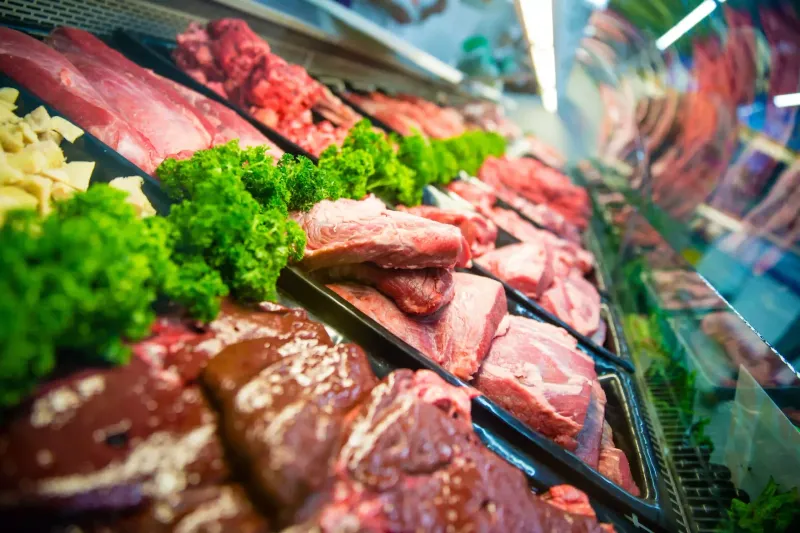
The best meats have a natural, healthy colour that varies by type - beef should look deep red, pork light pink, and chicken a pale cream. A slight darkening on the surface isn’t always a bad sign, as exposure to air can cause mild oxidation without affecting safety. What you want to avoid are greyish or green tones, unpleasant smells, or any sticky residue.
Fresh cuts should appear moist and bright, with no sliminess - a sure sign they’ve been stored correctly and are ready for cooking.
2. Look For Firm Texture
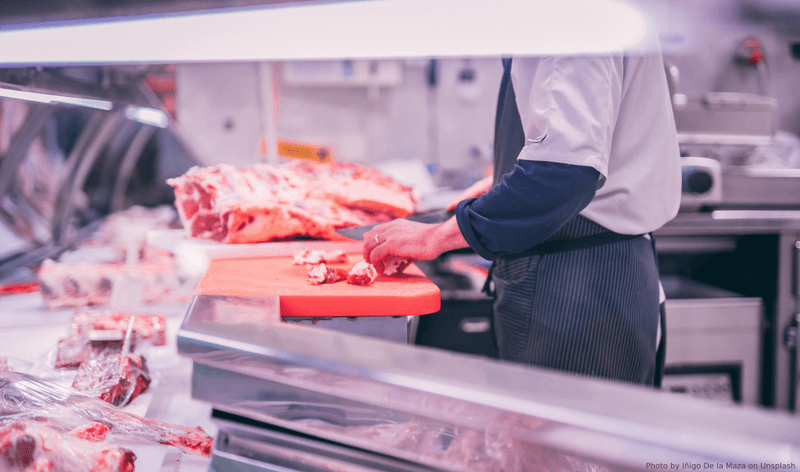
Quality meat springs back when you press it gently. Mushy or overly soft texture indicates the meat may be past its prime or improperly stored.
Run your fingers across the surface if possible. Firm, resilient flesh means the proteins are intact and the product is still fresh enough to cook beautifully, delivering the flavour and tenderness you expect from quality cuts.
3. Smell For Clean, Neutral Aroma
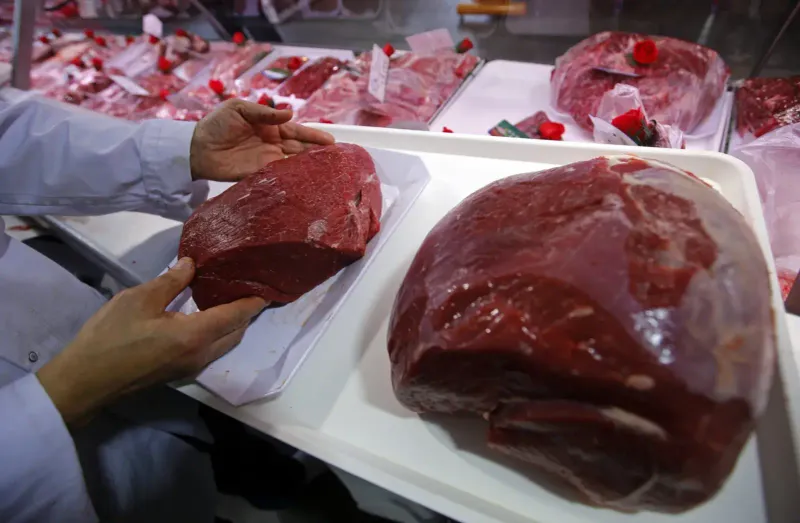
Your nose knows quality immediately. Fresh meat smells clean, almost neutral, with just a faint metallic scent from natural blood content.
Sour, rancid, or overly strong odours signal spoilage or bacterial growth. Trust your instincts here - if something smells off, it probably is. Always choose meat that passes the sniff test before placing it in your basket.
4. Examine The Fat Marbling
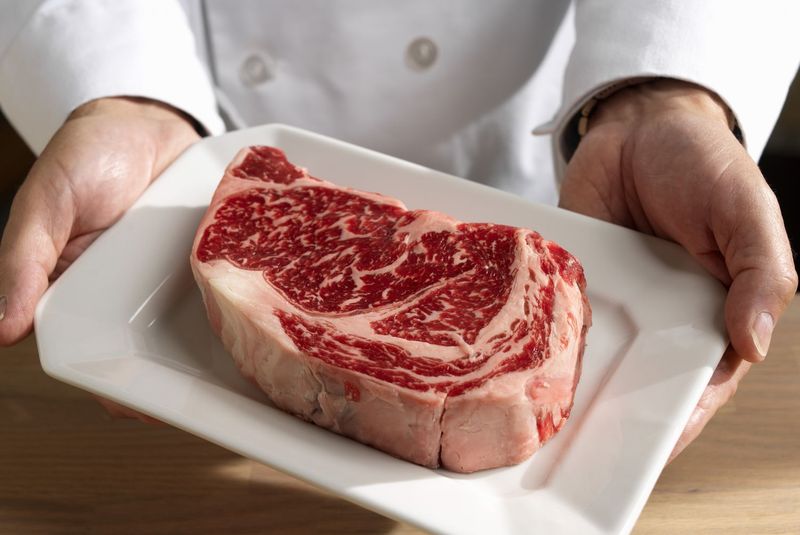
Fat marbling refers to those white streaks running through the muscle. More marbling usually means more flavour and juiciness when cooked properly.
Look for even distribution rather than large chunks of fat on the edges. Well-marbled cuts like ribeye or sirloin deliver superior taste and tenderness, making them worth the extra investment for special meals or weekend barbecues.
5. Choose The Right Cut For Your Dish
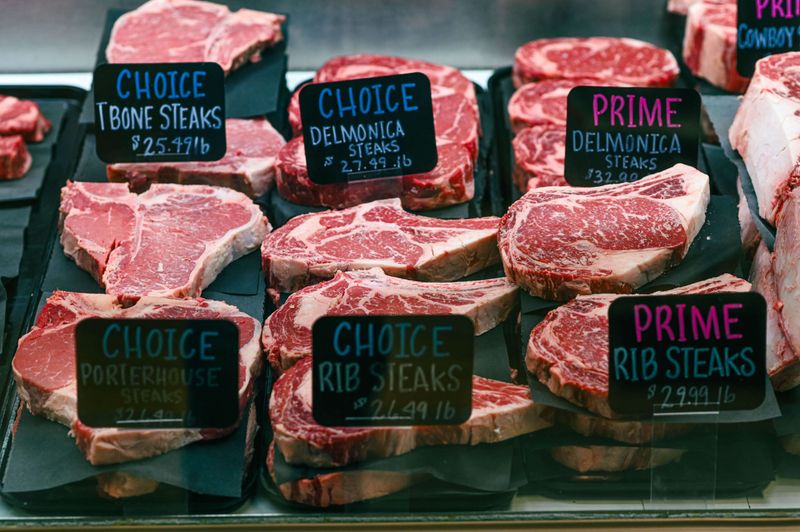
Every recipe works best with specific cuts. Slow-cooked stews need tougher cuts like chuck or brisket, whilst quick grilling suits tender steaks or chops.
Matching the cut to your cooking method ensures delicious results. Don't hesitate to ask your butcher for recommendations - they know which cuts suit roasting, frying, braising, or grilling based on their fat content and muscle structure.
6. Buy From Trusted Butchers Or Vendors
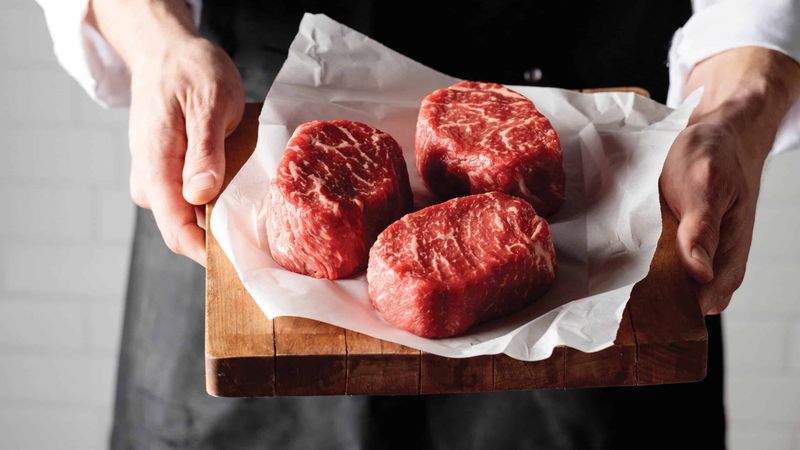
Establishing relationships with reliable butchers pays off tremendously. They understand meat quality, source responsibly, and maintain high hygiene standards throughout their operations.
Local butchers often provide custom cuts and expert advice you won't find in supermarkets. Their reputation depends on quality, so they're invested in selling you the freshest, best-tasting meat available every single time you visit their shop.
7. Check Packaging And Storage Temperature
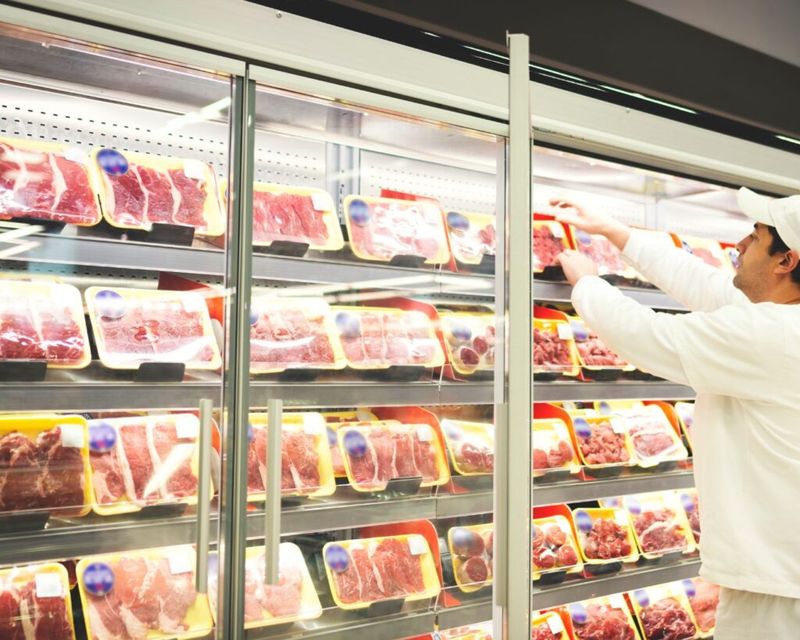
Proper storage prevents bacterial growth and maintains freshness. Meat should always be kept in refrigerated cases below 4°C, never sitting at room temperature.
Examine packaging for tears, leaks, or excessive condensation inside. Vacuum-sealed packages should be tight without air pockets. Damaged packaging exposes meat to contamination, so always select packages that are intact, properly sealed, and stored correctly.
8. Avoid Meat With Excess Liquid
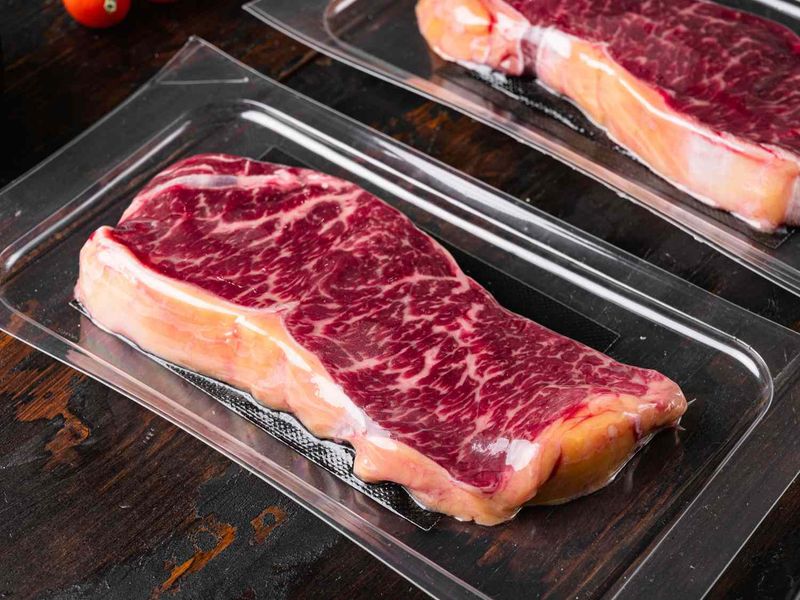
Pools of liquid in the package suggest the meat has been frozen and thawed, losing moisture and flavour in the process.
Some liquid is normal, but excessive amounts indicate poor handling or age. Fresh meat retains its natural juices within the muscle fibres. Choose packages with minimal liquid to ensure you're getting properly stored meat that hasn't been compromised.
9. Ask About The Source And Feeding Practices
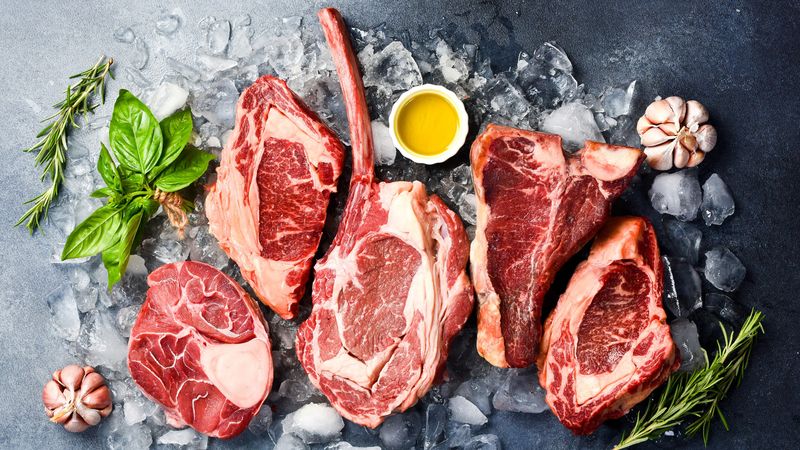
Knowing where your meat comes from matters for quality, ethics, and flavour. Grass-fed beef often tastes richer, whilst free-range chicken tends to be more flavourful.
Don't be shy about asking questions regarding animal welfare, farming methods, and local sourcing. Reputable vendors gladly share this information, demonstrating transparency and pride in the products they sell to conscientious customers like yourself.
10. Buy In Smaller Amounts For Maximum Freshness
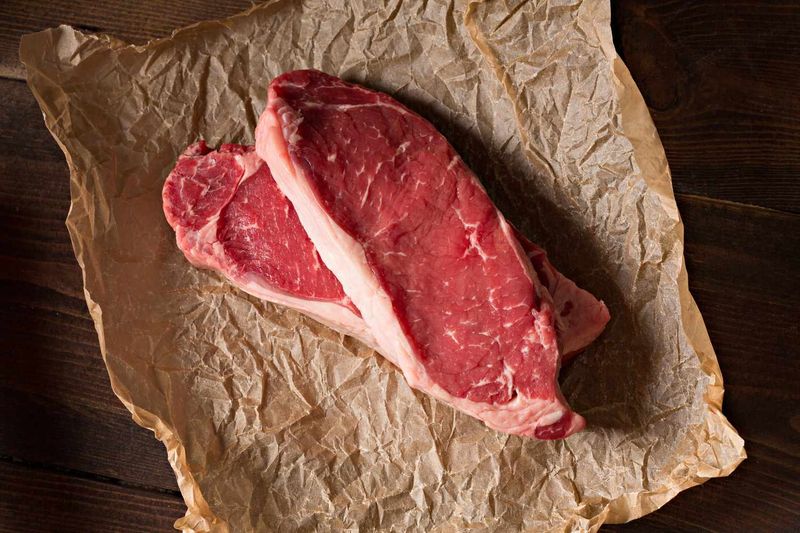
Purchasing only what you'll use within a few days guarantees optimal freshness and flavour. Meat deteriorates over time, even when refrigerated properly.
Smaller, more frequent shopping trips ensure you're always cooking with the freshest ingredients. This approach reduces waste, saves money, and delivers better-tasting meals. Plan your menus around what you'll realistically prepare soon after purchasing.