Soft, light doughnuts rely on technique rather than chance. Texture is shaped by choices made early on, including ingredients, mixing, resting time, and cooking temperature.
Small adjustments can make a noticeable difference to the final result. Understanding these fundamentals helps home bakers achieve doughnuts that stay tender rather than dense.
Whether you are refining an existing recipe or starting from scratch, practical tips can improve consistency and softness. These methods focus on simple steps that support better results without overcomplicating the process.
This article is provided for general information only. Baking results may vary depending on ingredients, equipment, and experience.
It does not replace professional baking or food safety advice. Always follow hygiene and safety guidelines when preparing food. Photos are for illustrative purposes only.
1. Choosing The Right Dough For Soft Doughnuts
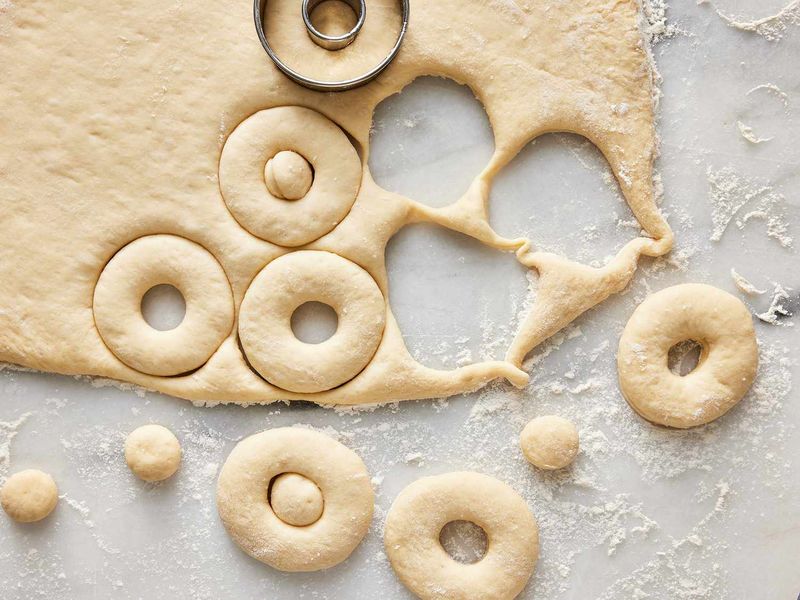
Not all dough recipes are created equal, and picking the right one sets the foundation for cloud-like results. Enriched doughs containing milk, eggs, and butter produce far softer doughnuts than lean doughs made with just flour, water, and yeast.
The extra fats coat the flour proteins, preventing them from forming too much gluten. This keeps your doughnuts tender rather than chewy.
Look for recipes specifically labelled as enriched or brioche-style for the best starting point.
Avoid recipes that skimp on ingredients or promise shortcuts with baking powder alone, as they rarely deliver that melt-in-your-mouth quality you're after.
2. Why Yeast Makes Such A Big Difference
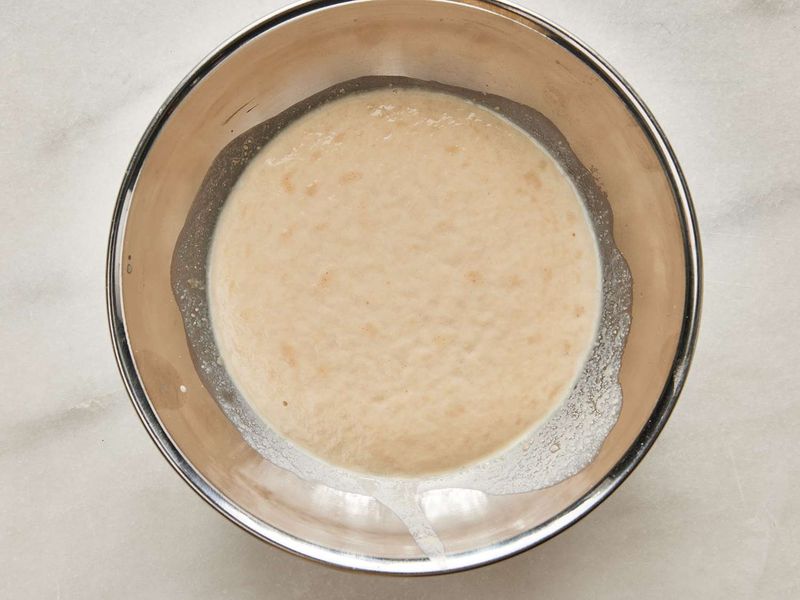
Fresh, properly activated yeast is the secret weapon behind those airy pockets inside your doughnuts. When yeast feeds on sugar in warm liquid, it releases carbon dioxide gas that creates tiny air bubbles throughout the dough.
These bubbles expand during rising and frying, giving you that signature fluffy interior. Dead or expired yeast won't foam up properly, leaving you with dense, disappointing results no matter how carefully you follow the rest of the steps.
Always proof your yeast first by mixing it with warm milk and a pinch of sugar, waiting five minutes for it to bubble enthusiastically before proceeding.
3. The Role Of Milk, Butter, And Eggs
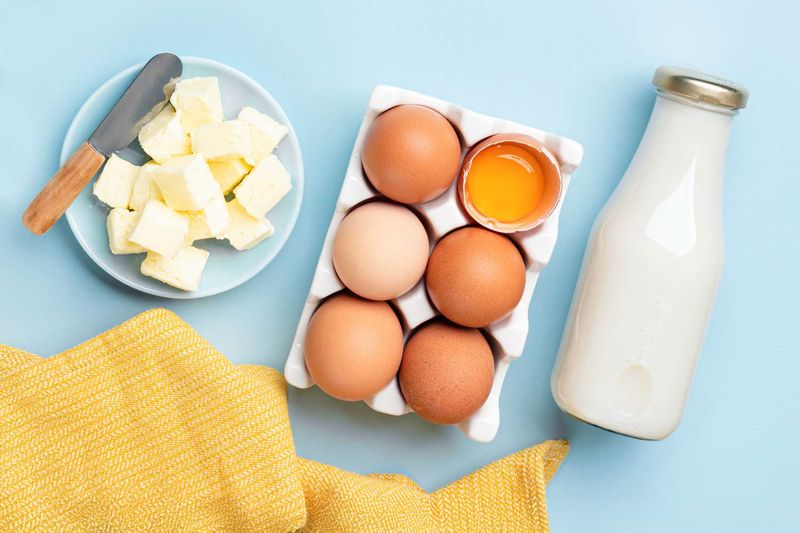
Whole milk adds moisture and richness that keeps doughnuts tender long after they've cooled. The fat content in milk also contributes to a softer crumb structure, whilst the natural sugars help with browning during frying.
Butter brings flavour and further tenderises the dough by coating flour proteins, preventing them from forming tough gluten strands. Eggs provide structure and richness, with the yolks adding fat and the whites contributing to a light, stable texture.
Skimping on any of these ingredients or substituting low-fat versions will noticeably affect your final results, so use full-fat dairy for the softest outcome.
4. How Proper Kneading Affects Texture
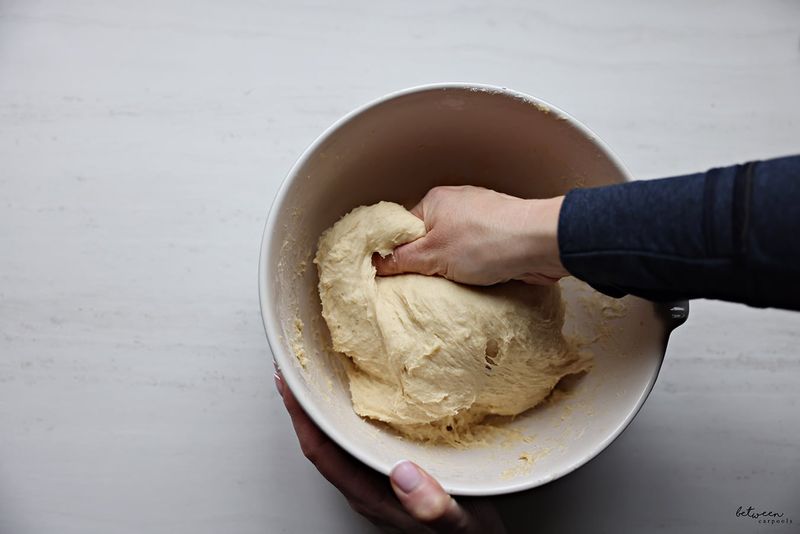
Kneading develops just enough gluten to give your doughnuts structure without making them tough or chewy. The goal is a smooth, elastic dough that springs back when poked but still feels soft and slightly tacky to touch.
Under-kneaded dough won't hold together properly during frying, resulting in doughnuts that fall apart or absorb too much oil. Over-kneading creates excessive gluten strands, turning your treats dense and bread-like instead of tender.
Knead for about eight to ten minutes by hand, or five minutes with a stand mixer, until the dough passes the windowpane test by stretching thin without tearing.
5. Resting Times That Help Doughnuts Stay Light
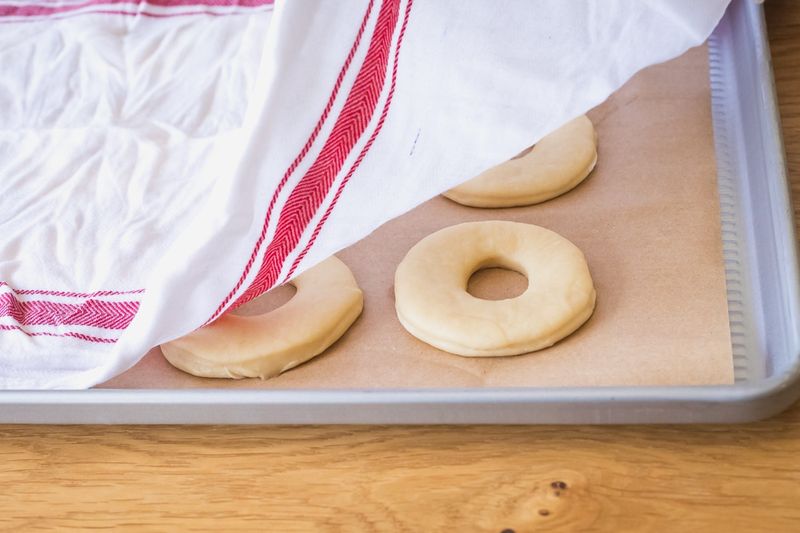
Patience during rising times allows yeast to work its magic, creating those essential air pockets that make doughnuts light and fluffy. The first rise should happen in a warm, draft-free spot until the dough doubles in size, usually taking about an hour.
After shaping your doughnuts, they need a second rise of thirty to forty-five minutes until they look puffy and slightly jiggly when the tray is gently shaken. Skipping or rushing these resting periods produces dense, heavy doughnuts that lack that signature airiness.
Cover the dough with a damp tea towel during both rises to prevent a dry skin from forming on the surface.
6. Frying Temperature And Timing Explained
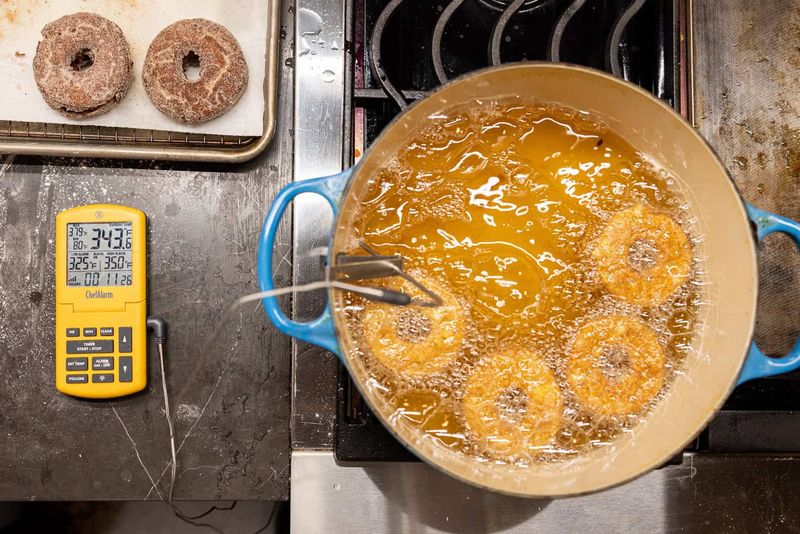
Maintaining oil at exactly 175°C ensures your doughnuts cook evenly, developing a golden exterior whilst staying soft and fluffy inside. Too hot and the outside burns before the centre cooks through; too cool and they absorb excess oil, becoming greasy and heavy.
Use a proper kitchen thermometer rather than guessing, as temperature fluctuates when you add dough. Fry each side for about sixty to ninety seconds until deep golden brown, flipping only once to avoid deflating them.
Work in small batches to maintain consistent temperature, allowing the oil to recover between additions for the most reliable results every single time.
7. How To Keep Doughnuts Soft After Cooking
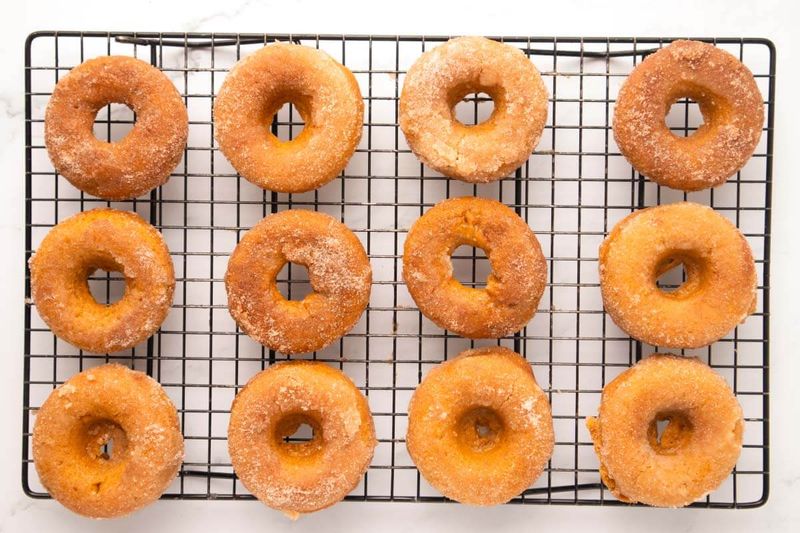
Proper cooling prevents condensation from making your doughnuts soggy whilst keeping them soft rather than crusty. Place them on a wire rack immediately after frying so air circulates underneath, preventing the bottoms from getting steamed and sticky.
Glaze or sugar them whilst still slightly warm, as the residual heat helps toppings adhere properly and creates that professional bakery finish. Avoid stacking warm doughnuts on top of each other, which traps moisture and creates a gummy texture.
Once completely cooled, store them in an airtight container at room temperature, which maintains softness far better than refrigeration, which actually makes them stale faster.
8. Common Mistakes That Make Doughnuts Dense
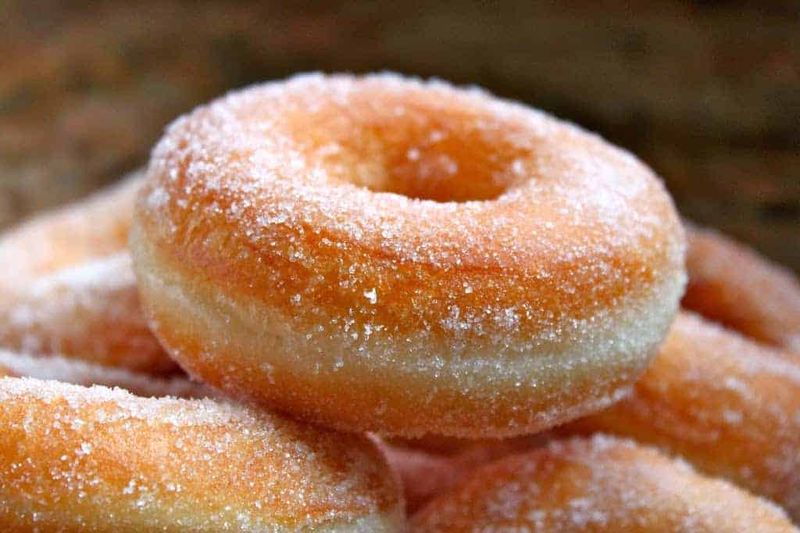
Using cold ingredients straight from the fridge prevents yeast from activating properly and makes the dough difficult to work with. Always bring milk, eggs, and butter to room temperature before starting, which helps everything combine smoothly and encourages proper rising.
Overworking the dough after the first rise knocks out precious air bubbles that create lightness. Handle shaped doughnuts gently, avoiding excessive pressing or re-rolling scraps too many times.
Frying underproofed doughnuts before they've had adequate rising time is perhaps the biggest culprit behind dense results, so always wait until they look properly puffy before cooking.
9. Simple Finishing Touches That Improve Softness
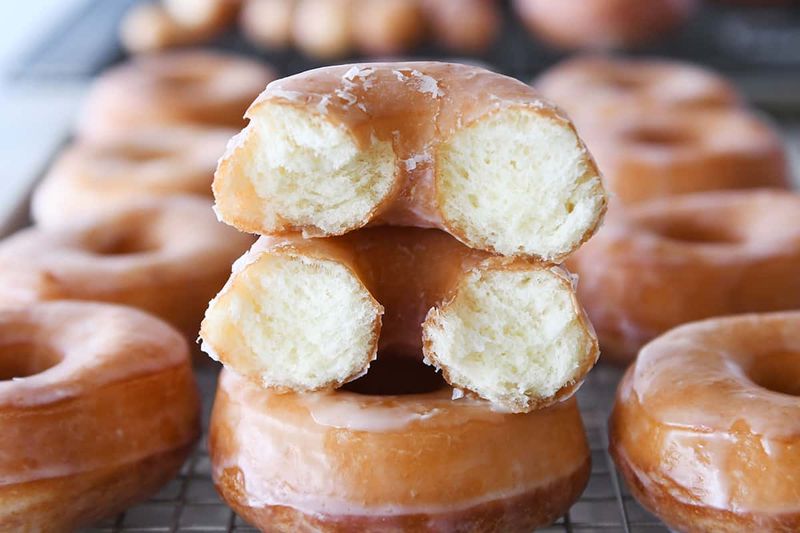
Glazing doughnuts whilst they're still warm creates a thin, sweet coating that actually helps seal in moisture and maintain softness. A simple mixture of icing sugar and milk works brilliantly, forming a smooth layer that sets without becoming hard or crackly.
Adding a tablespoon of melted butter to your glaze contributes extra richness and helps keep the coating supple rather than brittle. For cinnamon sugar coating, toss doughnuts whilst barely warm so the sugar adheres without melting completely.
Whatever topping you choose, apply it within five minutes of frying for the best adhesion and moisture-sealing properties that extend softness throughout the day.
10. Storing Homemade Doughnuts Without Losing Texture
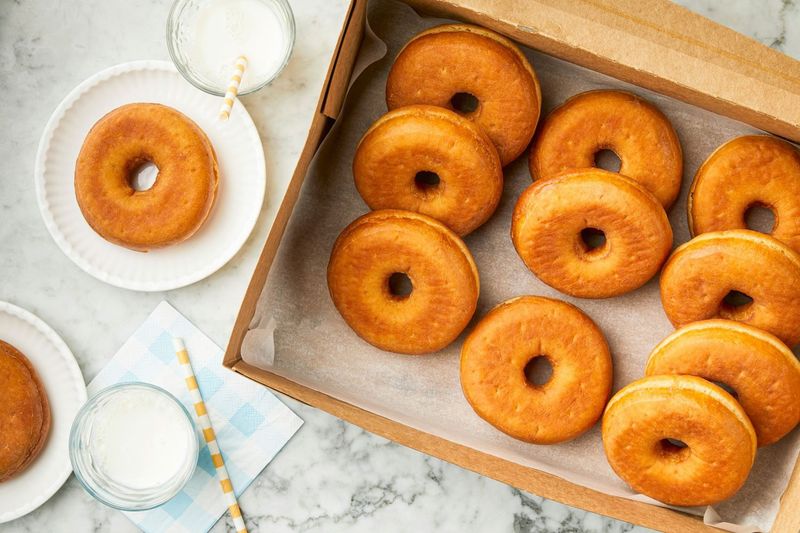
Room temperature storage in an airtight container keeps doughnuts soft for up to two days, far better than refrigeration which accelerates staling. Layer them carefully with parchment paper between rows to prevent sticking and maintain their shape without squashing.
Never store doughnuts in the fridge, as the cold temperature causes the starches to crystallise and the texture to become firm and unpleasant. If you absolutely must keep them longer, freezing works better than refrigerating.
To freeze, wrap individually in cling film, then place in a freezer bag for up to one month, thawing at room temperature for the best texture recovery possible.