









Cheese is one of those foods we think we know well, yet it’s full of surprises.
From how it’s made to the strange facts behind its flavours and textures, there’s far more going on than most people realise.
These details add a whole new appreciation to something many of us eat without a second thought.
All information is provided for general interest only. Cheese varieties, production methods, and characteristics can vary by region and producer.
1. Cheese Is One Of The Most Stolen Foods In The World
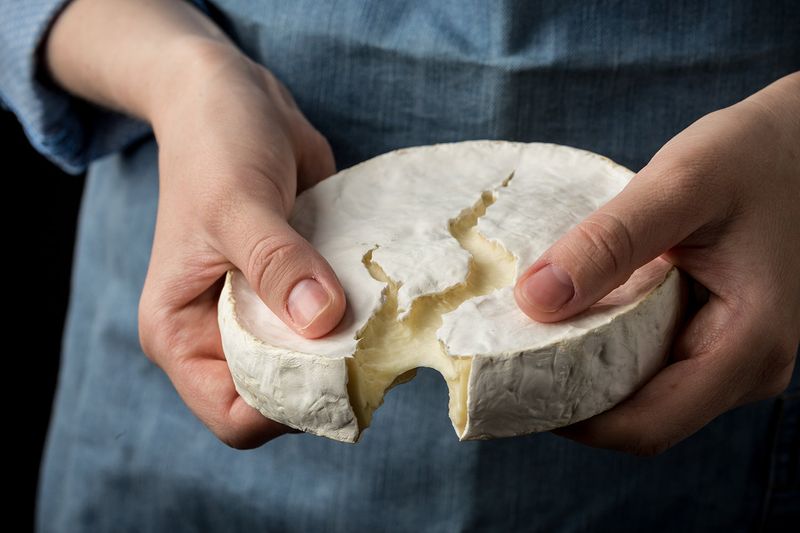
Cheese is frequently cited by retailers and industry groups as a commonly stolen food item.
Its relatively high value and ease of resale make it attractive to theft compared to many other foods.
Hard and aged cheeses are especially sought after because they store and transport well.
This pattern has been reported in multiple countries rather than tied to a single global statistic.
2. Some Cheeses Are Aged For Over Ten Years
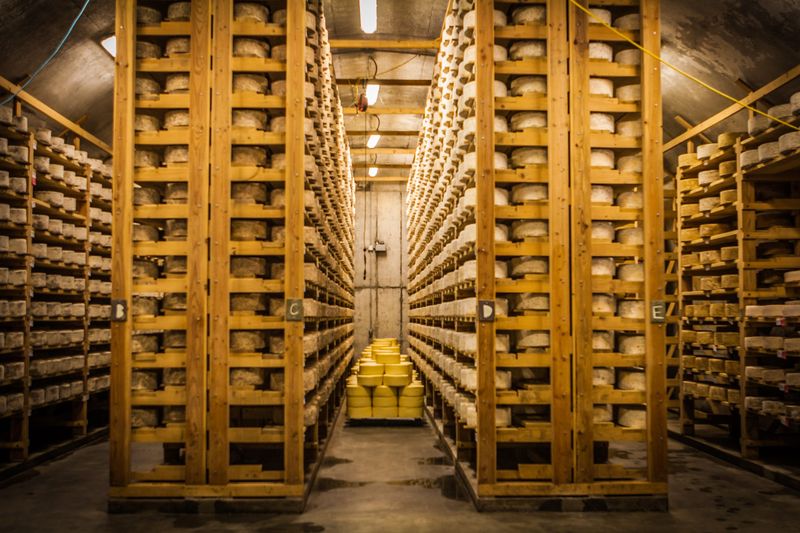
Patience truly pays off when it comes to certain cheese varieties.
Extra-aged Gouda, Parmesan, and Cheddar can mature for a decade or even longer, developing incredibly complex flavours and crystalline textures.
The ageing process concentrates the taste whilst creating crunchy protein crystals that cheese lovers adore.
These vintage cheeses command premium prices because of the time, care, and storage space required throughout their lengthy maturation journey.
3. Cheese Can Be Naturally Lactose-Free
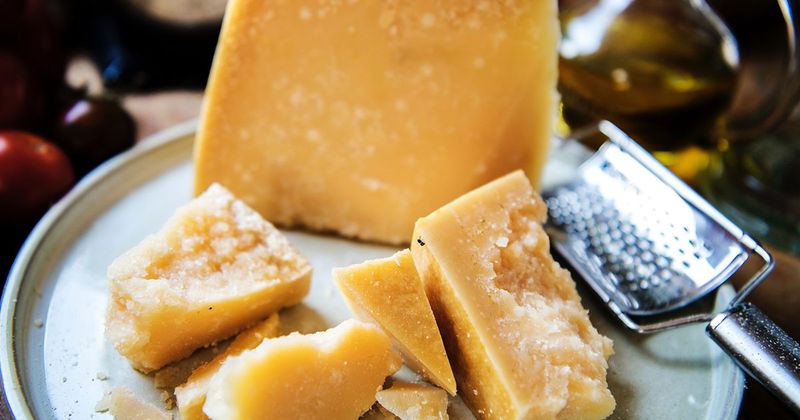
Many aged cheeses contain very little lactose due to how they are produced and matured.
During fermentation and ageing, much of the milk sugar is broken down by bacteria.
Hard cheeses such as Parmesan and long-aged Cheddar are often low in lactose per serving.
People with lactose intolerance may tolerate these cheeses better, but individual responses vary.
4. There Are Thousands Of Different Cheese Varieties Worldwide
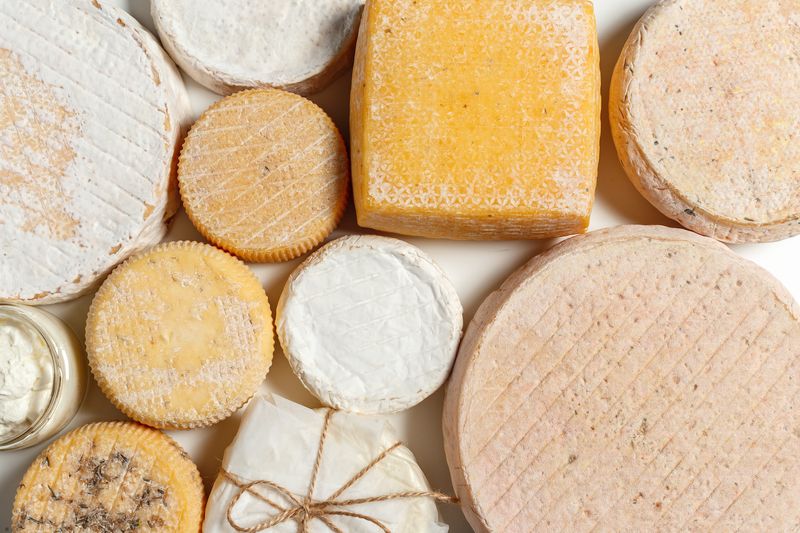
The cheese universe is absolutely enormous, with experts estimating over 1,800 distinct varieties produced globally.
Each country and region has developed its own unique styles based on local milk sources, climate conditions, and cultural traditions.
From creamy Brie to crumbly Feta, stretchy Mozzarella to pungent Roquefort, the diversity is staggering.
New varieties continue to emerge as cheesemakers experiment with innovative techniques and flavour combinations across the globe.
5. The Holes In Swiss Cheese Are Caused By Gas Bubbles
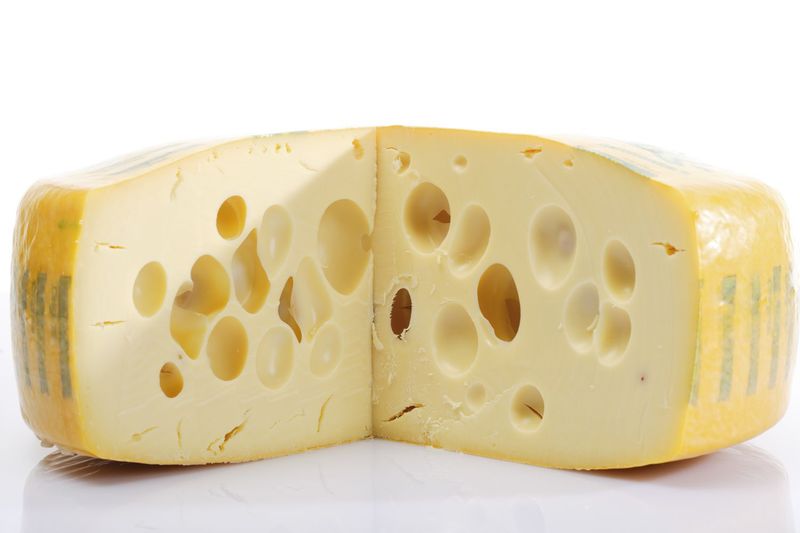
Ever wondered what creates those iconic holes in Swiss cheese?
The answer lies in bacteria called Propionibacterium freudenreichii, which releases carbon dioxide gas during fermentation.
These gas bubbles get trapped inside the cheese as it forms, creating the famous "eyes" we recognise.
The size and number of holes depend on factors like temperature, acidity, and ageing time.
Scientists recently discovered that tiny hay particles in the milk also influence hole formation.
6. Cheese Rind Can Be Edible Or Inedible Depending On The Type
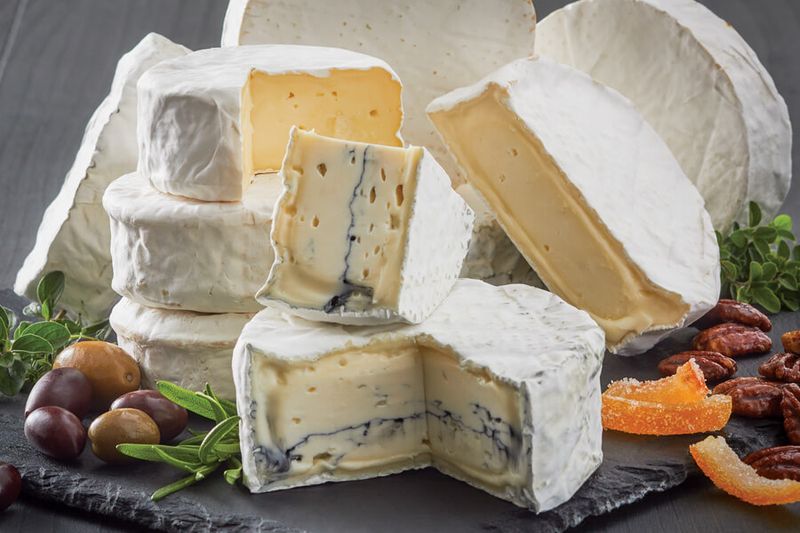
Not all cheese rinds are created equal, and knowing which to eat can be confusing.
Natural rinds on Brie, Camembert, and bloomy cheeses are completely safe and add earthy, mushroomy flavours to your experience.
However, wax coatings, cloth wrappings, and certain artificial rinds should definitely be removed before eating.
When in doubt, check with your cheesemonger or simply taste a tiny bit - if it's unpleasant or tough, it's probably meant to be discarded.
7. Cheese Was Likely Discovered By Accident
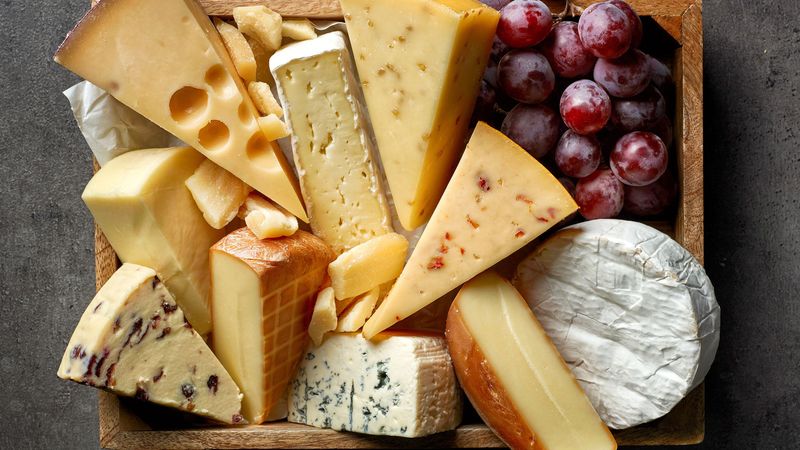
Picture this: an ancient traveller storing milk in a pouch made from an animal's stomach sets off across the desert.
Hours later, they discover the milk has transformed into curds and whey thanks to movement, heat, and natural enzymes.
This happy accident, dating back roughly 8,000 years, gave humanity one of its greatest culinary treasures.
Archaeological evidence suggests cheese-making began in Mesopotamia, spreading rapidly across ancient civilisations who recognised its preservation benefits.
8. Blue Cheese Gets Its Colour From Mould Cultures
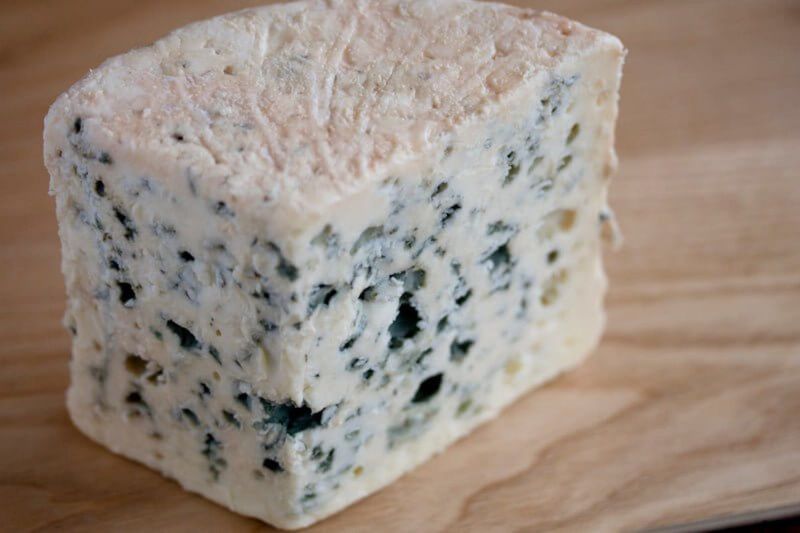
Those striking blue-green veins running through Stilton, Roquefort, and Gorgonzola aren't just for show - they're actually beneficial mould.
Cheesemakers deliberately introduce Penicillium roqueforti spores during production to create these distinctive patterns.
The mould needs oxygen to grow, so producers pierce the cheese with needles, allowing air channels to form.
As the mould develops, it breaks down fats and proteins, creating the sharp, tangy flavours blue cheese enthusiasts absolutely adore.
9. Cheese Flavour Changes As It Ages
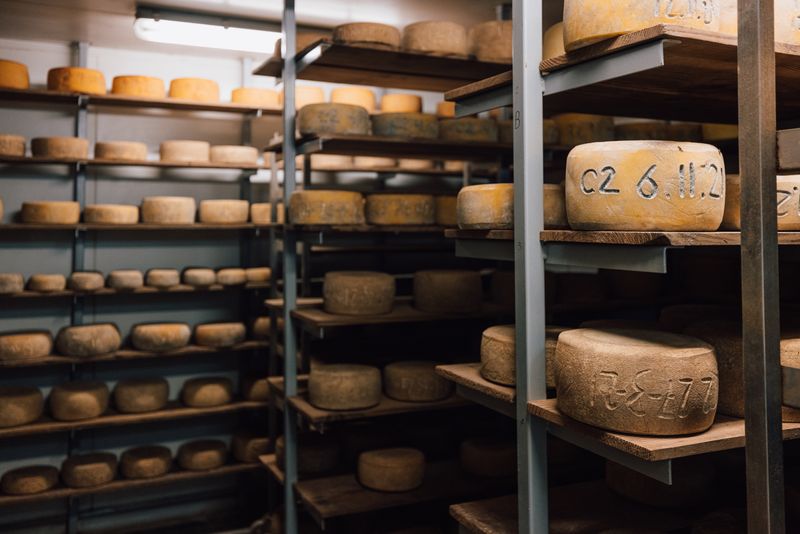
Young cheese tastes mild and creamy, but something magical happens during ageing.
Enzymes and bacteria continuously break down proteins and fats, developing increasingly complex and intense flavours over time.
Sharp, nutty, and sometimes even sweet notes emerge as months and years pass.
The texture transforms too, becoming firmer and developing those delightful crunchy crystals.
It's like watching a cheese grow up and develop its own unique personality throughout its maturation.
10. Different Animals' Milk Produces Very Different Cheeses
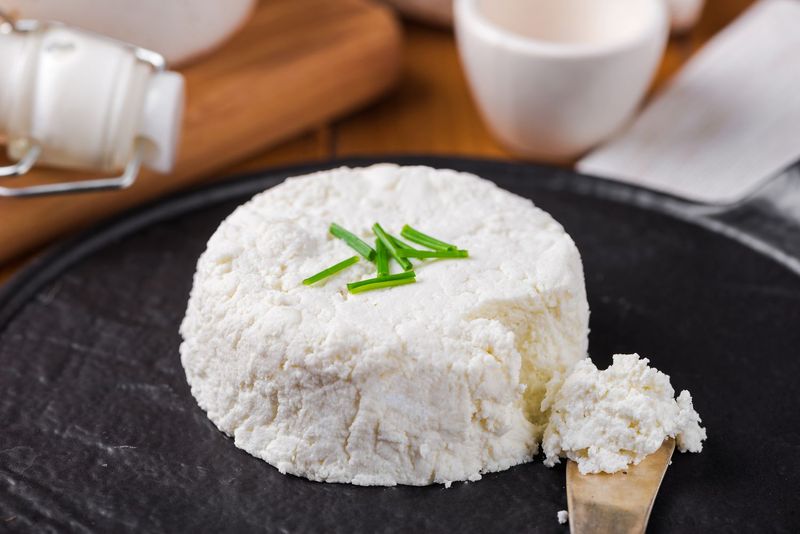
Cow's milk might dominate supermarket shelves, but goat, sheep, and buffalo milk create wonderfully distinct cheese experiences.
Goat cheese tends towards tangy and earthy flavours, whilst sheep's milk produces rich, slightly sweet varieties like Manchego and Roquefort.
Buffalo milk gives us creamy Mozzarella di Bufala with its delicate taste.
Each animal's milk contains different fat and protein ratios, directly influencing texture, flavour, and nutritional content of the final cheese product.