











Food advice changes constantly, which can make everyday eating feel more confusing than it needs to be. Habits once labelled as unhealthy often deserve a second look when context, balance and real life routines are taken into account.
It is refreshing to separate long standing myths from practical, evidence based thinking. A calmer perspective can make meals feel more relaxed and far less restrictive.
All information is provided for general interest only and should not be treated as personalised medical or dietary advice. Individual health needs, conditions and nutritional requirements vary, so professional guidance should be sought where appropriate.
1. Eating Carbohydrates In The Evening
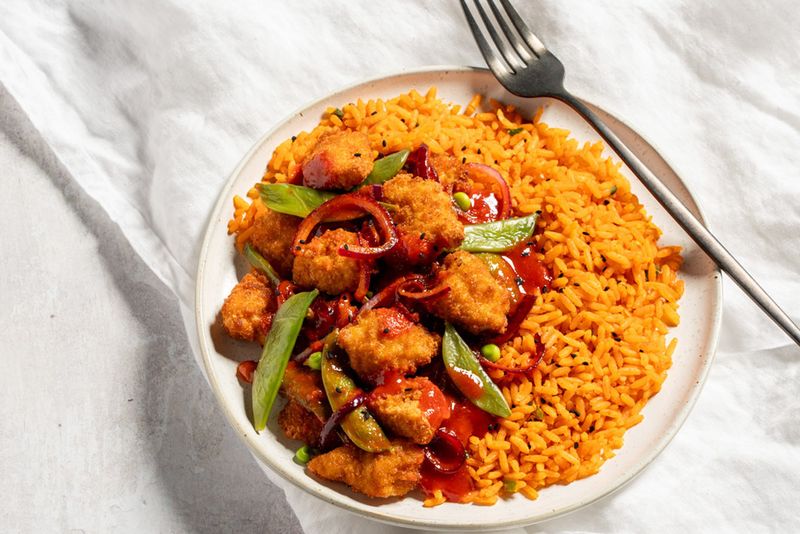
Carbohydrates in the evening do not automatically lead to weight gain, despite what many diet myths suggest. Your body responds far more to overall food intake and food quality than to the clock on the wall.
Including carbs at dinner can actually make meals feel more balanced and satisfying, especially after an active day. Whole grains, vegetables and pulses provide steady energy and valuable fibre without causing dramatic blood sugar swings.
Keeping portions sensible and pairing carbs with protein and healthy fats helps meals stay nourishing and enjoyable.
2. Snacking Between Meals
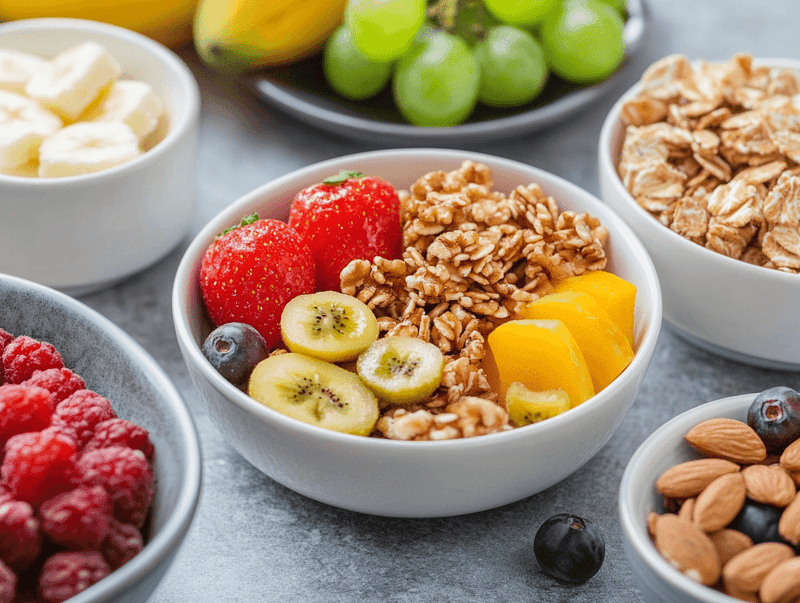
Snacking gets a bad reputation, yet it can be genuinely helpful when chosen thoughtfully. A small snack can prevent extreme hunger that leads to rushed or oversized meals later in the day.
Options like fruit, yoghurt, nuts or wholegrain crackers provide steady energy and useful nutrients. The key is listening to hunger cues rather than grazing out of boredom or habit.
When snacks are intentional and balanced, they fit comfortably into a healthy routine.
3. Eating Frozen Vegetables
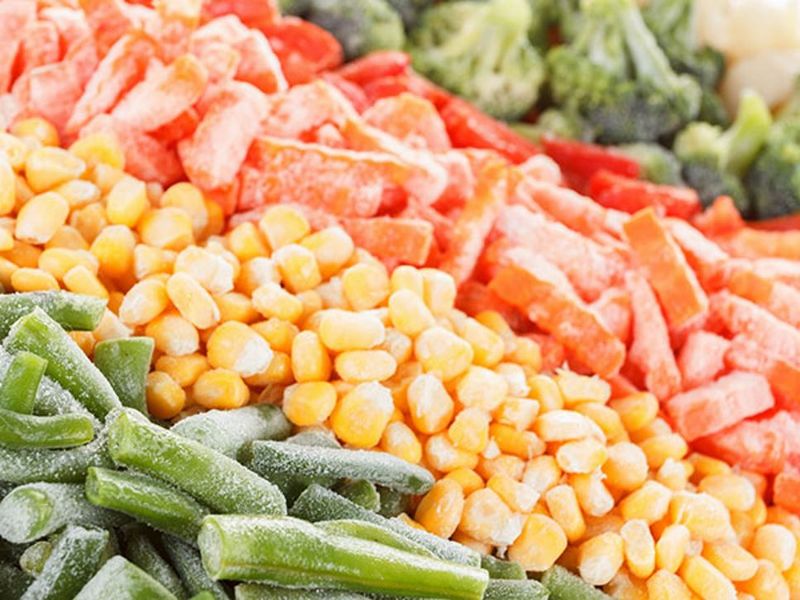
Frozen vegetables are often more nutritious than fresh ones sitting in your fridge for days. They're picked and frozen at peak ripeness, locking in vitamins and minerals.
There's no shame in choosing frozen over fresh. They're convenient, affordable, and just as healthy, making it easier to include vegetables in every meal without worrying about spoilage.
4. Drinking Coffee Daily

Your daily coffee habit might actually be good for you. Studies link moderate coffee consumption to reduced risk of certain diseases and improved mental alertness.
Antioxidants in coffee can support overall health when consumed in moderation. Just watch the added sugar and cream, and stick to three or four cups daily to avoid jitters or sleep disruption.
5. Skipping Breakfast Occasionally

Missing breakfast now and then won't ruin your metabolism. Some people simply aren't hungry in the morning, and that's perfectly normal.
Intermittent fasting, which often involves skipping breakfast, has shown health benefits for many people. Listen to your body's hunger cues rather than forcing yourself to eat when you're not hungry, and ensure other meals are balanced.
6. Eating Eggs Regularly

Eggs were once villainised for cholesterol, but research now shows they're nutritional powerhouses. Packed with protein, vitamins, and healthy fats, they're incredibly beneficial.
Dietary cholesterol doesn't affect blood cholesterol as much as previously thought for most people. Eggs can be part of a heart-healthy diet when prepared without excessive butter or oil, making them a brilliant breakfast choice.
7. Using Full Fat Dairy
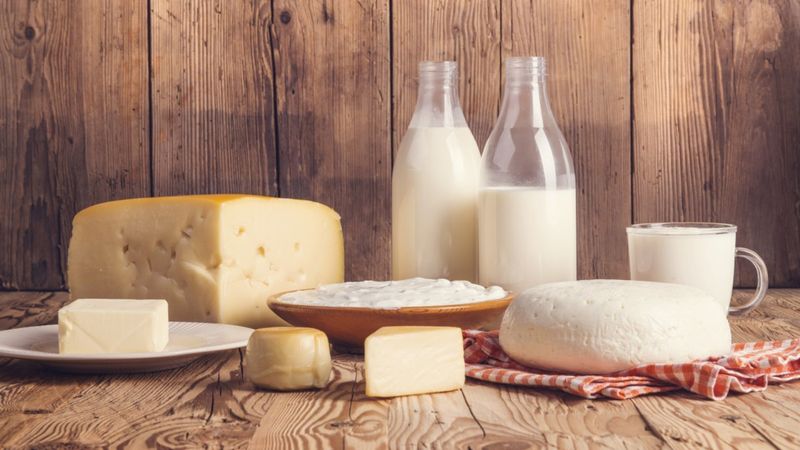
Full fat dairy has often been painted as something to avoid, but that view has softened over time. Fat helps food feel more satisfying and supports the absorption of certain vitamins naturally found in dairy.
Some people also find full fat options keep them fuller for longer between meals. Many low-fat products are perfectly nutritious too, especially when they are plain and unsweetened.
Choosing what suits your taste, digestion and overall diet tends to work better than rigid rules.
8. Eating Potatoes

Potatoes get unfairly lumped with junk food, but they're actually nutrient-rich vegetables. They contain vitamin C, potassium, and fibre, especially when eaten with the skin on.
Preparation method matters more than the potato itself. Baked or boiled potatoes are excellent choices, whilst deep-fried versions are less healthy.
Don't fear this versatile vegetable when it's cooked sensibly.
9. Eating Red Meat In Moderation

Red meat provides protein, iron and several B vitamins that support muscle health and energy levels. These nutrients are also found in other foods, but red meat remains one convenient source when eaten sensibly.
Portion size and frequency matter far more than eliminating it entirely for most people. Lean cuts and simple cooking methods keep meals lighter and more balanced.
Pairing red meat with vegetables and wholegrains helps create satisfying plates without overdoing it.
10. Eating Late Occasionally

Eating close to bedtime occasionally won't derail your health goals. What matters more is what and how much you're eating, not the exact time on the clock.
Your body doesn't shut down digestion at night. If you're genuinely hungry, a light, balanced snack is better than going to bed uncomfortable.
Just avoid heavy, greasy meals that might disrupt sleep quality.
11. Using Salt Sparingly

Salt has been demonised, but your body actually needs sodium to function properly. The problem is excessive intake, not salt itself.
Using a pinch of salt to enhance flavour in home-cooked meals is perfectly fine for most people. Processed foods contain the real sodium overload.
Season your cooking mindfully, and you'll likely stay within healthy limits without issue.
12. Eating Tinned Foods

Tinned foods often get dismissed as inferior, but they're convenient, affordable, and surprisingly nutritious. Tinned beans, tomatoes, and fish retain most of their nutrients.
They're shelf-stable and reduce food waste, making healthy eating more accessible. Choose options with no added salt or sugar when possible, and rinse beans to reduce sodium content.
Tinned doesn't mean unhealthy at all.