













Eating the right vegetables can make a big difference for your heart. Your heart works hard every single day, so giving it some extra support through food is one of the smartest things you can do.
Many everyday vegetables are packed with nutrients that may help keep your arteries clear, lower blood pressure, and reduce inflammation. Adding more of these colorful, delicious veggies to your plate could be a simple step toward a healthier heart.
1. Spinach
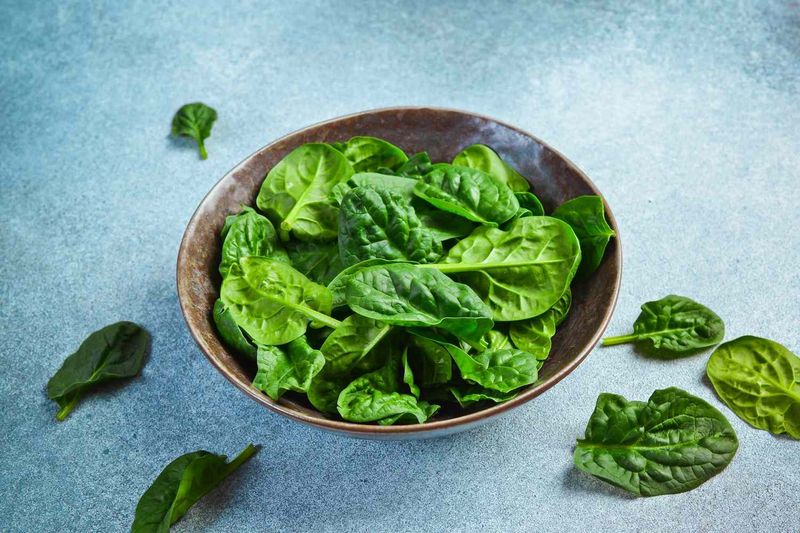
Popeye was onto something big. Spinach is loaded with nitrates, which may help relax blood vessels and keep blood flowing smoothly.
It also contains magnesium, a mineral closely linked to healthy blood pressure levels.
On top of that, spinach delivers folate, which helps lower homocysteine, an amino acid that can harm arteries when levels get too high. Toss it in a salad, blend it into a smoothie, or stir it into soup for an easy heart boost.
2. Kale
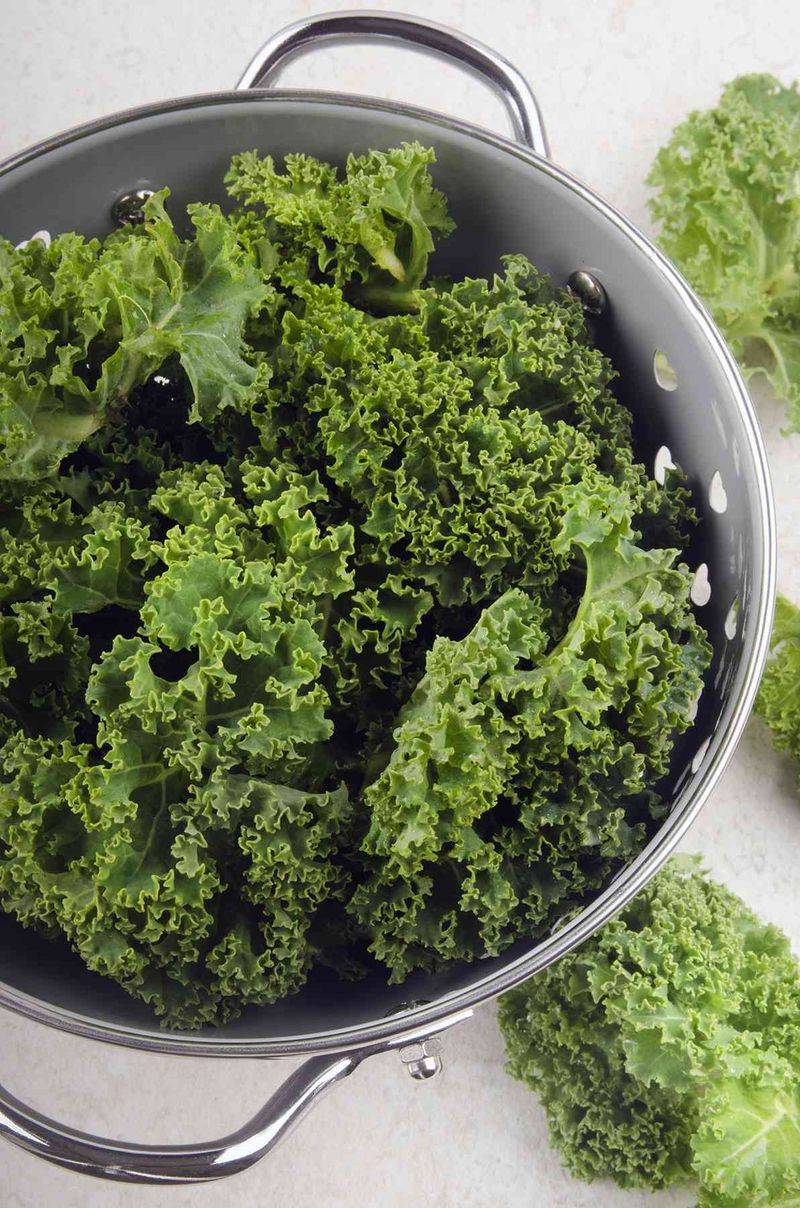
Kale has earned its reputation as a nutritional powerhouse, and your heart is one of the biggest winners. Rich in vitamin K, potassium, and antioxidants, kale may help reduce LDL cholesterol and protect artery walls from damage.
Studies suggest that the fiber in kale binds to cholesterol in the digestive tract, helping carry it out of the body. Roast it into crispy chips, add it to pasta, or blend it into a morning smoothie for a crunchy heart-friendly habit.
3. Broccoli
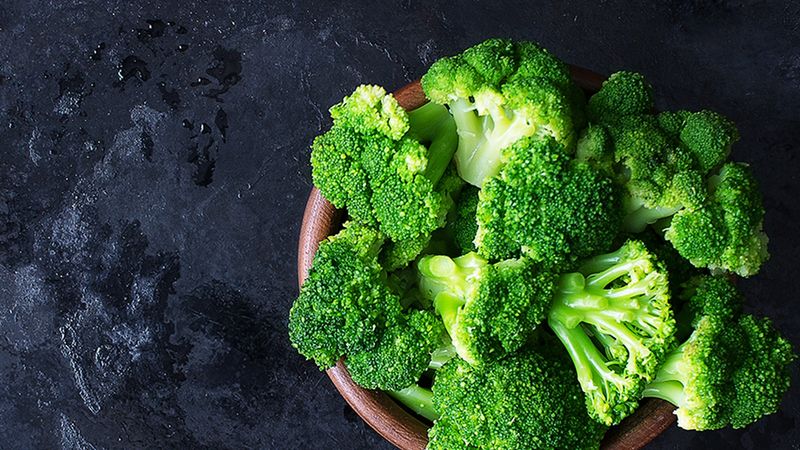
Broccoli might have been your least favorite veggie growing up, but your heart would love for you to give it another chance. It is packed with fiber, which helps lower LDL cholesterol, and sulforaphane, a compound linked to reduced inflammation in blood vessels.
Vitamin C and vitamin K in broccoli also play roles in keeping arteries flexible and healthy. Steam it, roast it with garlic, or enjoy it raw with hummus for a satisfying, heart-smart snack.
4. Beets
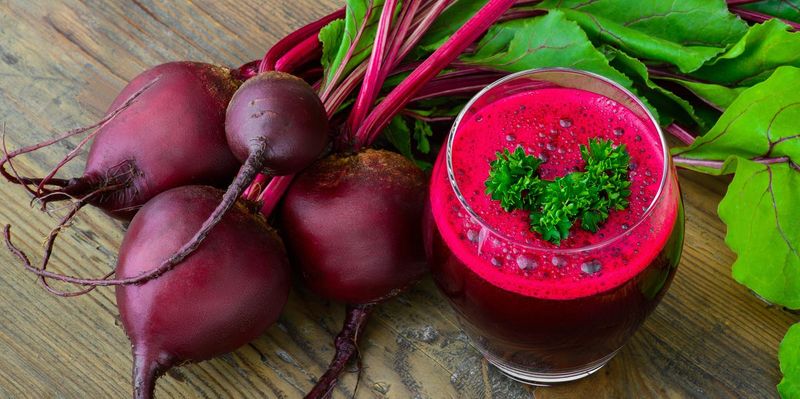
Bright red and earthy-sweet, beets have a secret superpower for your cardiovascular system. They are naturally high in nitrates, which the body converts into nitric oxide, a compound that helps widen blood vessels and lower blood pressure.
Research has shown that drinking beet juice before exercise can even improve stamina by boosting blood flow. Roast them with olive oil, shred them into salads, or blend them into a smoothie for a gorgeous, heart-friendly burst of color and nutrition.
5. Garlic
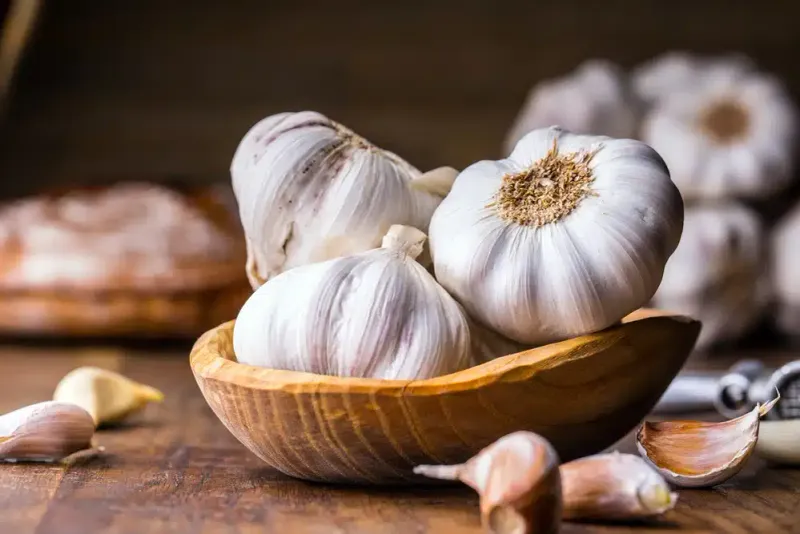
For thousands of years, garlic has been used as both food and medicine, and modern science is backing up the hype. Allicin, the active compound released when garlic is crushed or chopped, may help lower blood pressure and reduce LDL cholesterol levels.
Some studies also suggest garlic can slow the buildup of plaque in arteries, which is a major risk factor for heart disease. Add it to stir-fries, roast it whole, or mix it into dressings for bold, heart-friendly flavor.
6. Asparagus
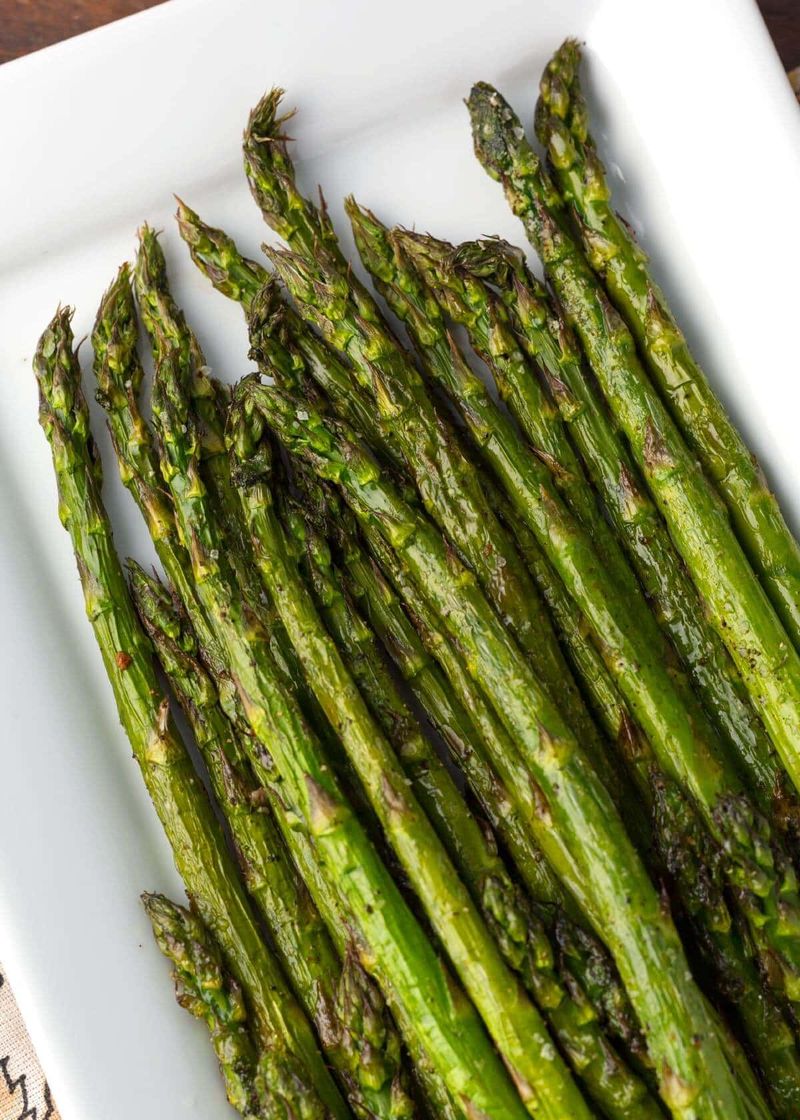
Asparagus is one of those vegetables that feels fancy but is incredibly easy to prepare. It contains folate, which helps keep homocysteine levels in check, protecting artery walls from damage over time.
It also provides vitamin K, which supports healthy blood clotting.
The anti-inflammatory compounds in asparagus may further reduce the risk of cardiovascular problems. Simply roast the spears with a drizzle of olive oil and a pinch of salt for a side dish that is both elegant and genuinely good for your heart.
7. Tomatoes
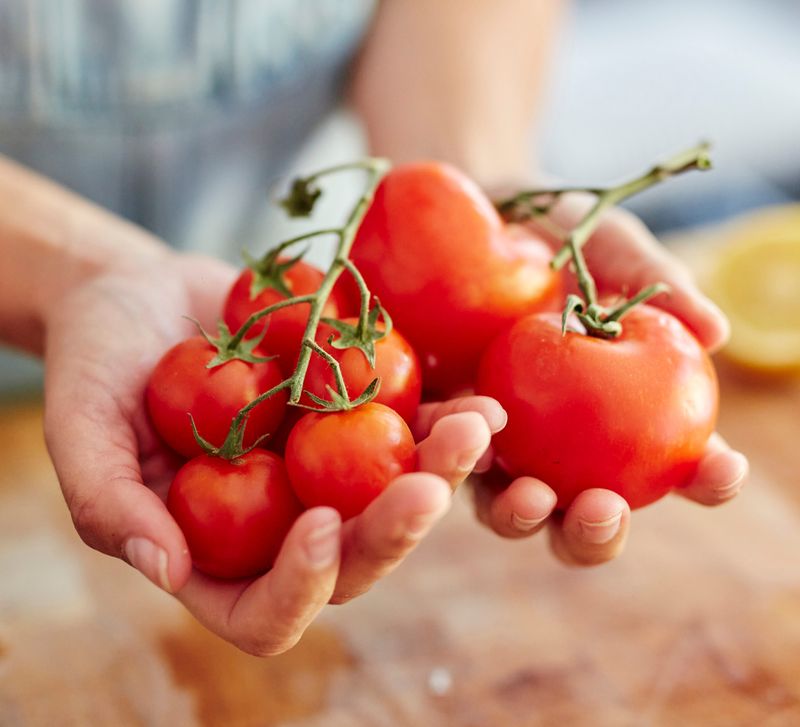
Technically a fruit but always grouped with vegetables, tomatoes bring something special to the heart-health conversation. Lycopene, the pigment that gives tomatoes their bold red color, is a powerful antioxidant linked to lower LDL cholesterol and reduced inflammation in blood vessels.
Cooked tomatoes actually release more lycopene than raw ones, so tomato sauce, roasted tomatoes, and soups are great options. Pair them with a little olive oil to help your body absorb even more of this heart-protective compound.
8. Edamame
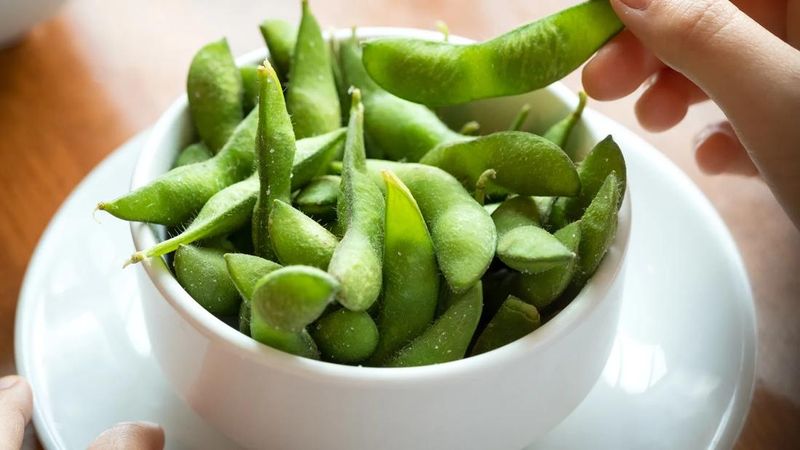
Edamame, those fun little green soybeans you find at Japanese restaurants, are quietly one of the best snacks for your heart. They are packed with plant-based protein, fiber, and isoflavones, compounds that may help lower LDL cholesterol and improve blood vessel function.
A half-cup serving delivers nearly 9 grams of protein with no cholesterol at all. Sprinkle them lightly with sea salt and enjoy them as a snack, or toss them into grain bowls and salads for a satisfying, heart-smart protein boost.
9. Sweet Potatoes
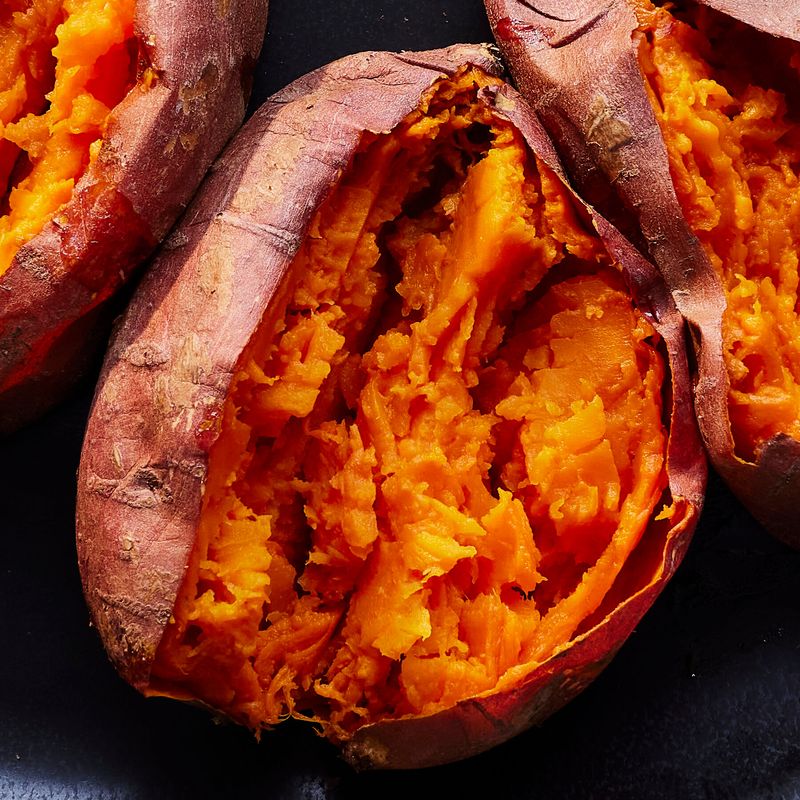
Sweet potatoes taste like comfort food, but they work hard for your cardiovascular system behind the scenes. They are rich in potassium, a mineral that helps counteract the effects of sodium and may help lower blood pressure over time.
The fiber in sweet potatoes also contributes to healthier cholesterol levels, and their beta-carotene content provides antioxidant protection for artery walls. Bake them whole, mash them with a touch of cinnamon, or slice them into wedges for a naturally sweet, heart-supporting side dish.
10. Avocado
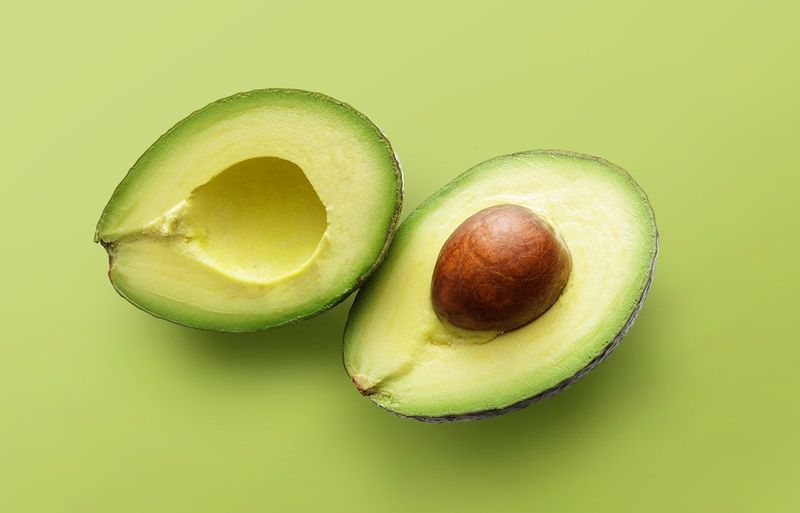
Creamy, rich, and wildly popular, avocados are more than just a trendy toast topping. They are loaded with monounsaturated fats, the heart-friendly kind that may help lower LDL cholesterol while raising HDL, the good cholesterol your body actually wants more of.
Avocados also deliver potassium and folate, both important for maintaining healthy blood pressure and artery function. Spread them on whole-grain toast, slice them into salads, or blend them into a silky dressing for a satisfying, genuinely heart-nourishing addition to your meals.
11. Brussels Sprouts
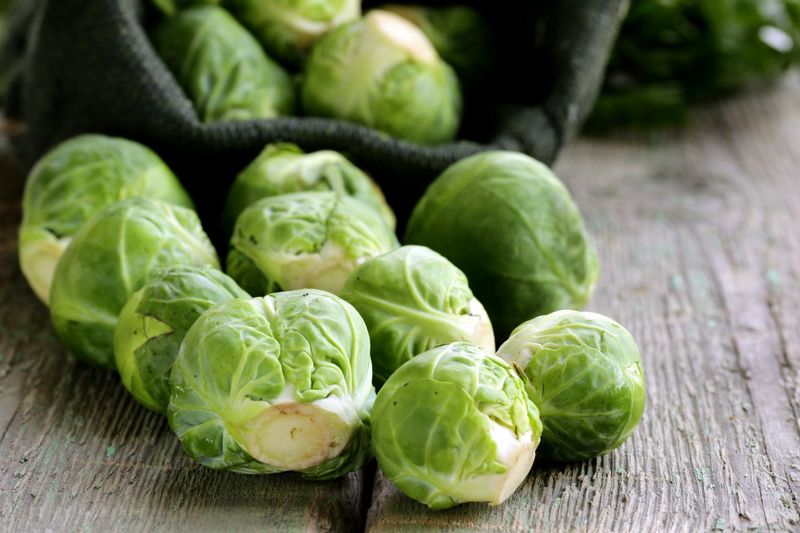
Small but mighty, Brussels sprouts pack a serious nutritional punch for your heart. They contain glucosinolates, compounds that may reduce inflammation and protect blood vessel linings from oxidative stress.
Their high fiber content also helps manage cholesterol levels effectively.
Did you know? Brussels sprouts belong to the same family as broccoli and cabbage, all of which share similar heart-protective properties.
Roast them until caramelized and slightly crispy, and even the pickiest eaters might find themselves reaching for seconds at dinner.
12. Carrots
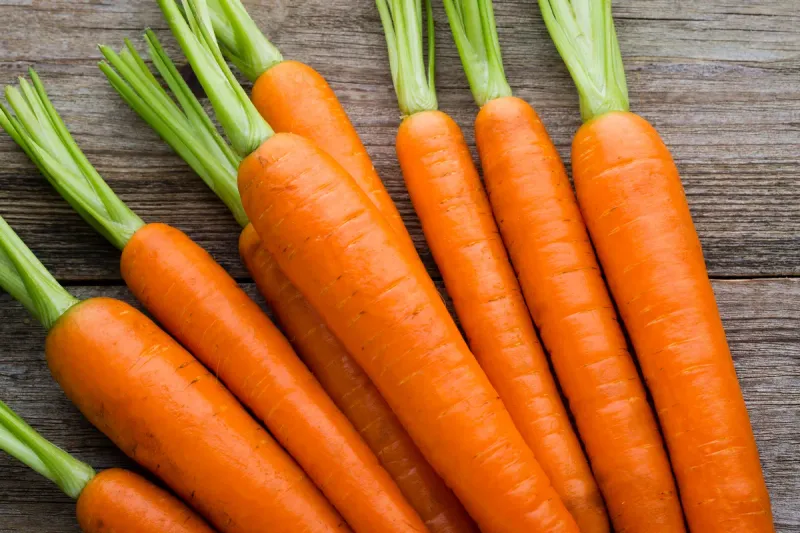
Crunchy, sweet, and endlessly snackable, carrots are a heart-friendly staple hiding in plain sight. They are rich in beta-carotene and other carotenoids, antioxidants that may help reduce oxidative stress in arteries and lower the risk of cardiovascular disease over time.
The soluble fiber in carrots, called pectin, also helps slow the absorption of cholesterol in the gut. Munch on them raw with hummus, roast them with honey and thyme, or add them to soups for a colorful, heart-supporting crunch in every bite.
13. Onions
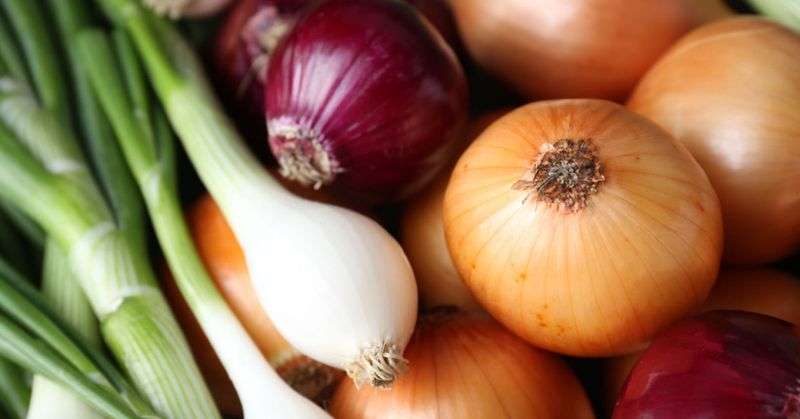
Onions are in almost every savory dish for a reason, and it turns out they are doing your heart a quiet favor while they are at it. They are rich in quercetin, a flavonoid antioxidant that may help lower blood pressure and reduce inflammation in blood vessels.
Research suggests that regular onion consumption is associated with lower levels of LDL cholesterol. Whether you caramelize them slowly into golden ribbons, slice them fresh onto a salad, or roast them alongside other vegetables, onions add flavor and cardiovascular benefits simultaneously.
14. Bell Peppers
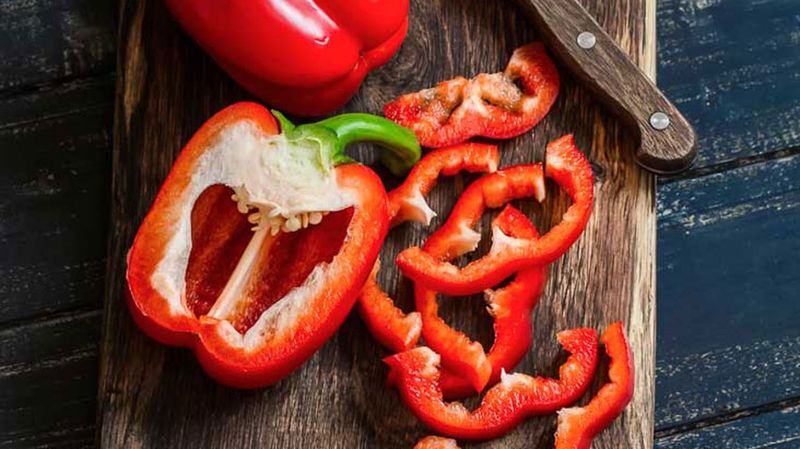
Few vegetables are as cheerful and colorful as bell peppers, and their contribution to heart health is just as impressive as their appearance. Red bell peppers in particular are loaded with vitamin C and lycopene, both of which help protect arteries from oxidative damage.
The potassium content in bell peppers also supports healthy blood pressure regulation. Slice them into strips for dipping, stuff them with grains and beans, or roast them until their natural sweetness deepens for a versatile, heart-friendly vegetable you can enjoy all week long.
15. Cabbage
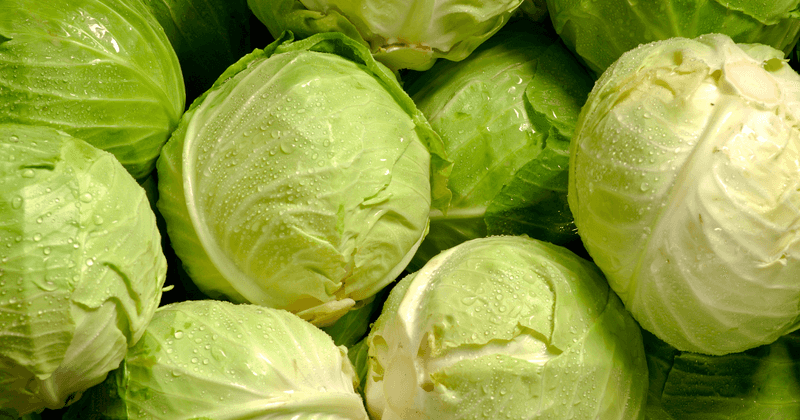
Cabbage might not get the same spotlight as kale or spinach, but it deserves serious credit for its heart-health benefits. It contains anthocyanins, especially in red cabbage, powerful antioxidants linked to a lower risk of heart disease and reduced arterial inflammation.
Its high fiber content also helps regulate cholesterol levels, making it a budget-friendly heart helper. Shred it into coleslaw, ferment it into sauerkraut for added gut-friendly probiotics, or stir-fry it with ginger and sesame oil for a simple, satisfying, and surprisingly heart-smart dish.




Comments
No Comments