








British cuisine has given the world some truly spectacular dishes, but not every creation from across the pond deserves celebration. From fishy concoctions that make tourists cringe to traditional delicacies that challenge even the bravest taste buds, British food history has its share of culinary oddities. Here's our countdown of British foods that might make you question the nation's gastronomic credentials.
This article is for general informational and nostalgic purposes only. Food preferences are subjective, and tastes may vary by individual.
1. Jellied Eels

Chopped eels boiled in a spiced stock that sets into a wobbly jelly when cooled. This East London delicacy dates back to the 18th century when eels were abundant in the Thames.
The texture is what puts most people off – slippery, gelatinous chunks sliding around your mouth while you try to detect flavour beyond the overwhelming fishiness.
2. Stargazy Pie
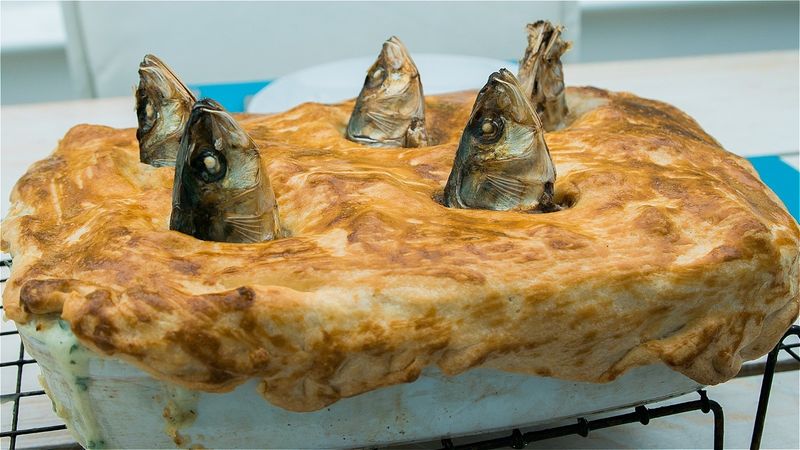
Imagine a pie where fish heads poke through the crust, arranged to face upwards as part of this traditional Cornish presentation. This peculiar creation features pilchards or sardines arranged so their heads stick out through the pastry.
The fish oils soak into the pastry during baking, creating an intensely fishy flavour that's simply too much for many palates.
3. Tripe
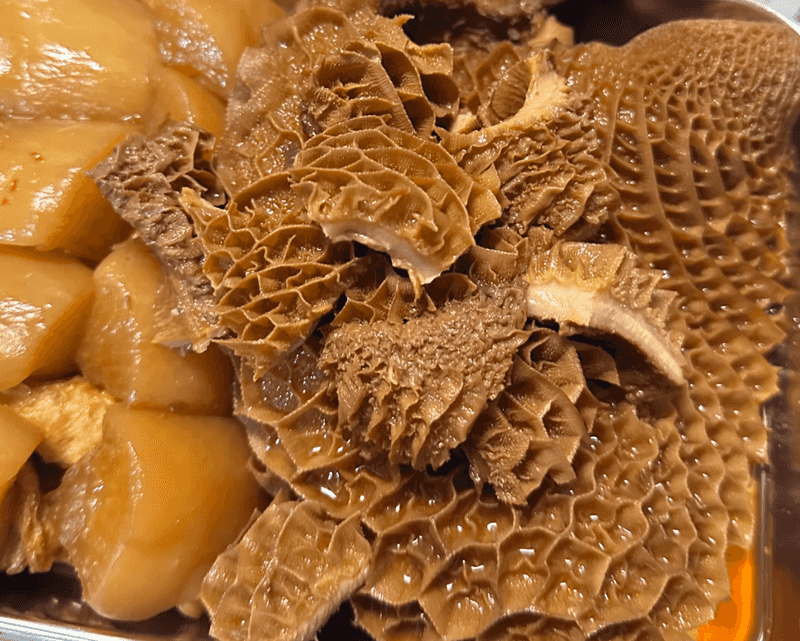
The pale, honeycomb-textured lining of cow stomach was once a working-class staple across Britain. Usually boiled in milk until tender (a relative term), tripe retains a chewy, rubbery consistency that's difficult to love.
Even dedicated offal enthusiasts often draw the line at this particular delicacy, which carries a distinctive farmyard aroma that lingers long after eating.
4. Laverbread
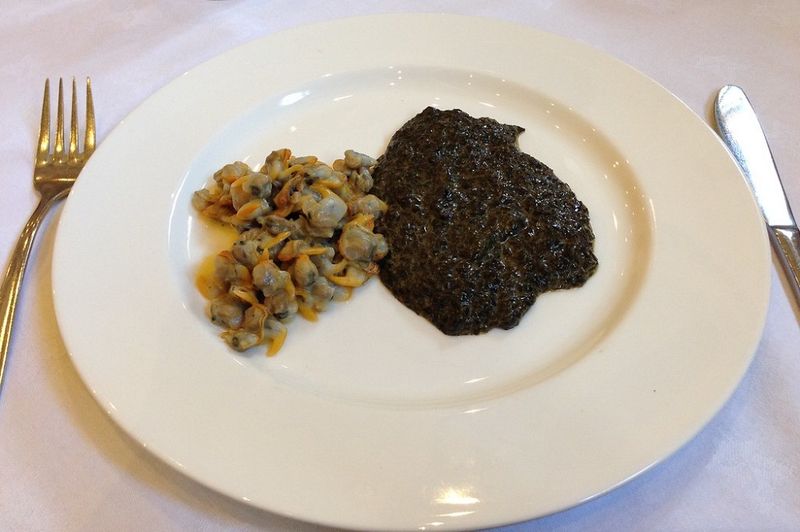
Despite its name, there's no bread involved in this Welsh speciality – just seaweed boiled for hours then minced into a dark green paste.
Traditionally served with cockles and bacon for breakfast, the intense marine flavour makes laverbread an acquired taste that few outside Wales have managed to acquire.
5. Bovril Drink
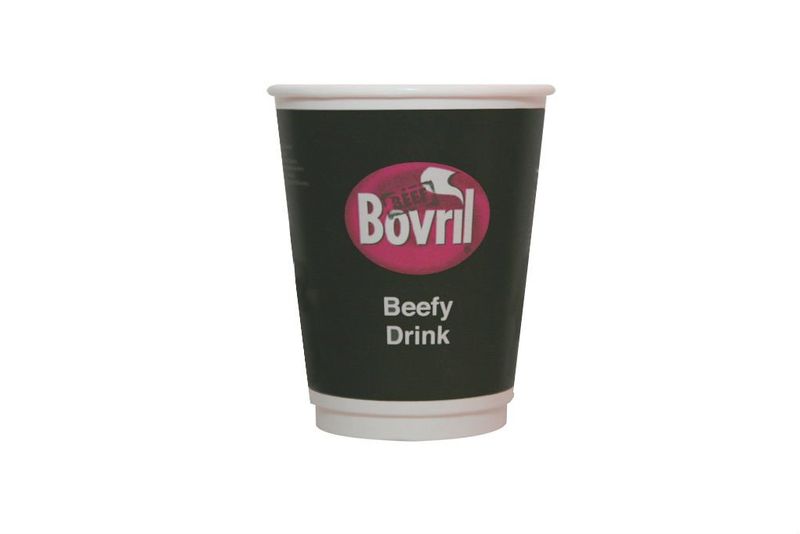
While many nations enjoy warming broths, the British took things further with Bovril – concentrated beef extract dissolved in hot water as a beverage. The dark brown liquid resembles tea but delivers an intense meaty punch instead.
Popular at football matches during winter months, this beefy brew divides opinion with its salty, bovine assault on the taste buds.
6. Pease Pudding
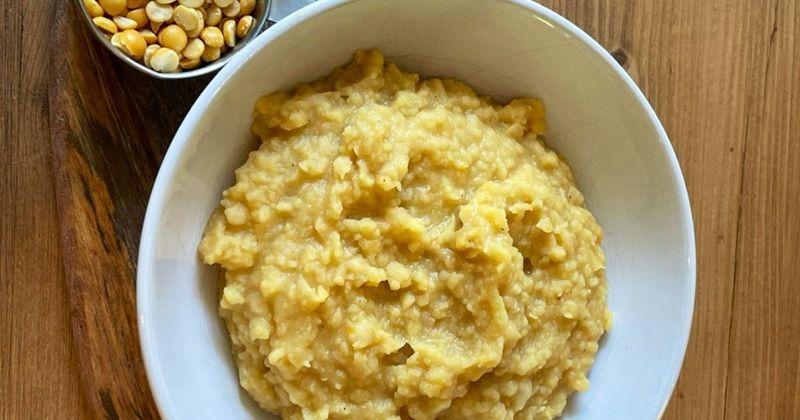
This North-Eastern delicacy consists of split yellow peas boiled with spices until they form a thick, paste-like consistency. The bland, mushy texture reminds many of baby food gone wrong.
Traditionally spread on ham sandwiches or served alongside saveloy sausages, pease pudding has a distinctive earthy aroma that not everyone enjoys.
7. Kippers For Breakfast
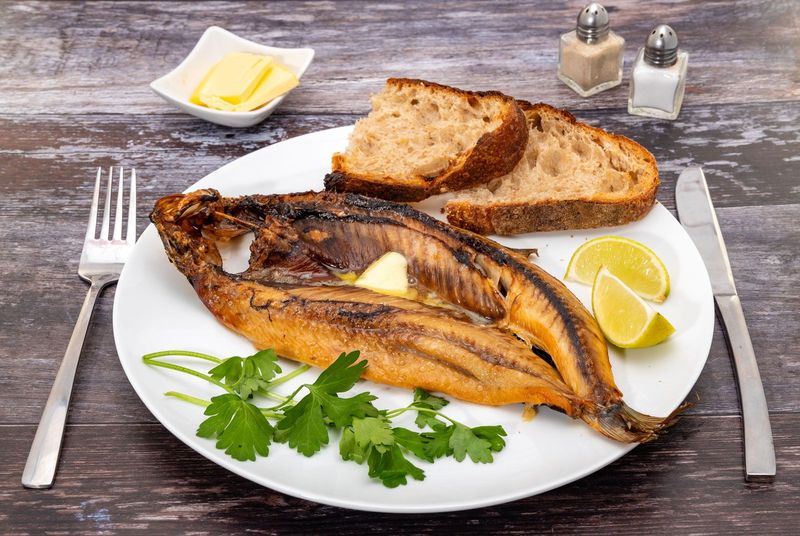
Smoked herring that infiltrates every corner of your home with an eye-watering fishy aroma. These breakfast fish are notorious for their powerful smell that clings to curtains, clothes, and hair for days.
The strong flavour and numerous tiny bones make kippers a challenging start to the day.
8. Black Pudding
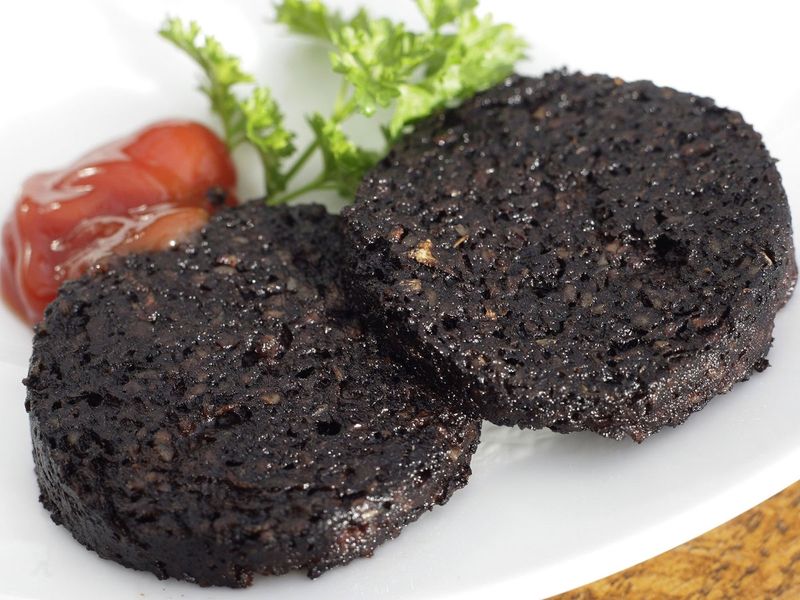
A sausage made primarily from dried pig's blood and oatmeal, black pudding appears as a dark, crumbly disc on breakfast plates across Britain.
The metallic taste from the blood combined with its grainy texture makes this traditional item particularly challenging for first-timers.
9. Bread And Dripping
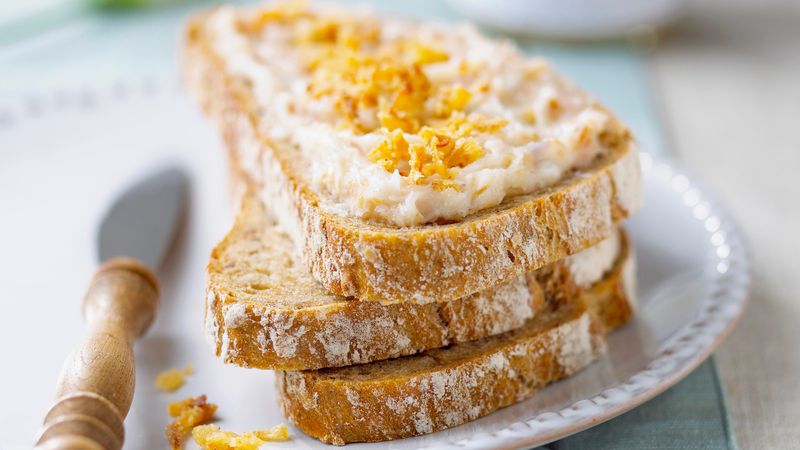
The congealed fat collected from roasted meat, spread thick on bread like butter. Popular during wartime rationing, bread and dripping represents frugal eating at its most basic.
The cold, greasy texture combined with the meaty flavour creates a uniquely unappetizing experience. The white fat often has a jelly-like meat sediment at the bottom that some consider a delicacy.
10. Saveloy Sausage
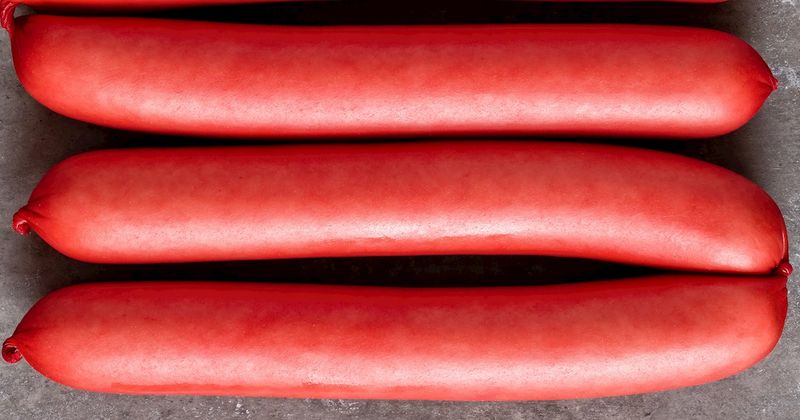
Bright red, highly processed sausages that are a staple in British fish and chip shops. The lurid colour comes from food dye rather than natural ingredients, while the texture is suspiciously smooth and uniform.
With a flavour that leans more processed than traditional, saveloys are a distinctive part of British fast food culture. Their smooth texture and bold seasoning often leave people divided on whether they love them or not.
11. Curry Sandwiches
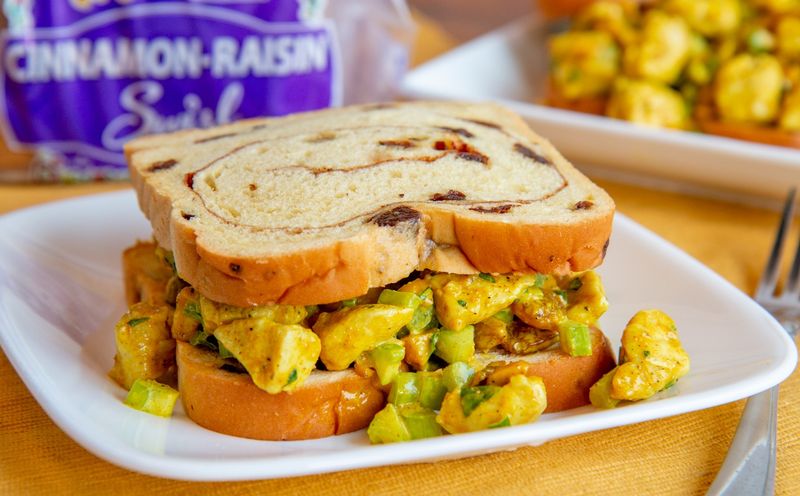
Cold curry leftovers placed between slices of white bread create an unusual British snack that often surprises visitors with its simplicity. Usually made with yesterday's takeaway that's congealed into a stodgy mass overnight.
The bread quickly becomes soggy from the sauce, while the cold curry takes on a grainy, unpleasant texture. Yet somehow, this remains a beloved hangover cure across the UK.
12. Brown Windsor Soup
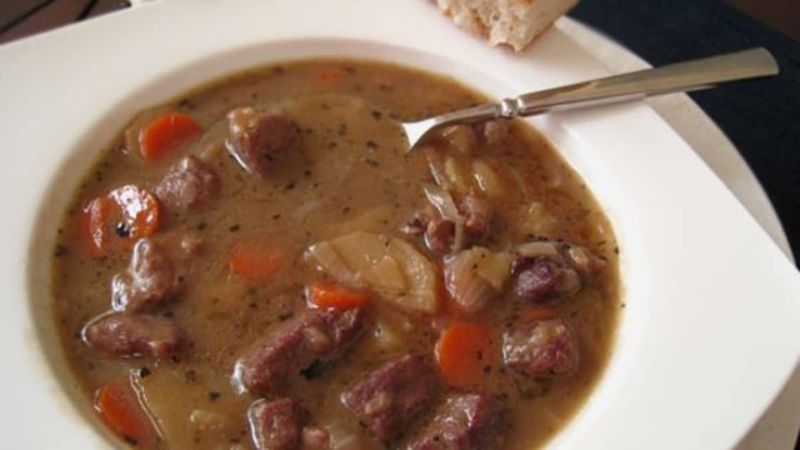
A murky brown soup made from meat stock, vegetables, and leftover meat that was supposedly Queen Victoria's favourite. The drab, muddy appearance is matched by its bland taste – neither beefy nor vegetable-forward, just vaguely meaty water.
Once a staple of British hotel menus, this soup is known for its plain appearance and mild flavour, making it a curious example of old-fashioned cuisine.