











Starting your day with the wrong foods can seriously harm your metabolism, making it harder to burn calories and maintain energy. Many common breakfast habits unknowingly sabotage your body's natural fat-burning abilities. Understanding these mistakes will help you make smarter choices that support a faster, healthier metabolism throughout the day.
This article is for general informational and educational purposes only. Individual digestive tolerance and nutritional needs vary from person to person. If you have ongoing stomach discomfort, dietary restrictions, or medical conditions affecting digestion, seek personalised guidance from a qualified healthcare professional or registered dietitian.
1. Skipping Breakfast Altogether

Missing your morning meal forces your body into conservation mode, slowing down calorie burning to preserve energy. Your metabolism needs fuel to kickstart after a night of fasting.
Without breakfast, you're likely to overeat later and make poor food choices. Studies show people who eat breakfast regularly maintain healthier weights and have more stable energy levels throughout their day.
2. Eating Too Little Protein

Protein is essential for building and maintaining muscle tissue, which burns more calories than fat even when you're resting. A protein-poor breakfast leaves you hungry quickly and causes energy crashes.
Aim for at least 20 grammes of protein at breakfast through eggs, Greek yoghurt, or lean meats. This nutrient also keeps you feeling satisfied longer, preventing unhealthy snacking before lunch.
3. Relying On Sugary Cereals

Colourful boxes promise energy, but sugary cereals spike your blood sugar rapidly, followed by a dramatic crash that slows metabolism. These processed grains lack the nutrients your body needs to function efficiently.
The resulting insulin surge tells your body to store fat rather than burn it. Choose whole grain options with less than 5 grammes of sugar per serving for sustained energy and metabolic support.
4. Drinking Only Coffee

Whilst caffeine temporarily boosts metabolism, relying solely on coffee deprives your body of essential nutrients and calories needed for proper metabolic function. Your system requires actual food to generate lasting energy.
Coffee on an empty stomach can also increase cortisol levels, which promotes fat storage around your midsection. Pair your morning brew with a balanced meal for optimal metabolic benefits and sustained alertness.
5. Avoiding Healthy Fats
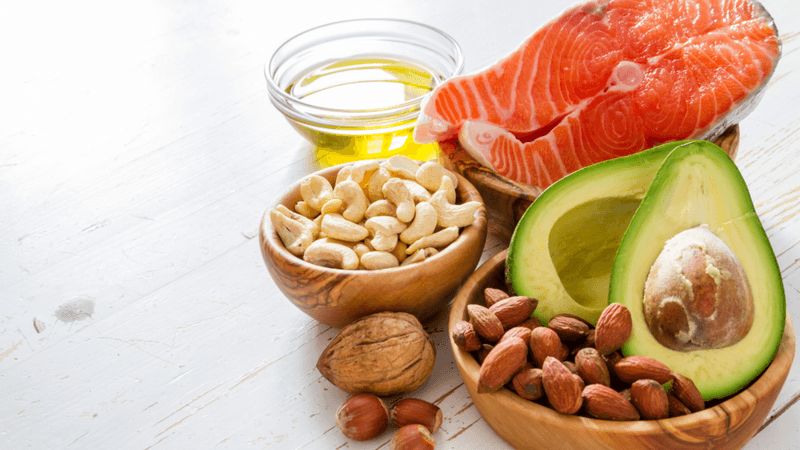
Fear of dietary fat has led many people to choose fat-free breakfast options, but healthy fats are crucial for hormone production and nutrient absorption. These hormones directly regulate your metabolic rate.
Avocados, nuts, and olive oil help you feel satisfied and support cell function throughout your body. Including moderate amounts of healthy fats at breakfast stabilises blood sugar and prevents energy dips that slow metabolism.
6. Eating Too Many Refined Carbs

White bread, pastries, and bagels digest quickly, causing blood sugar spikes similar to sugary cereals but without providing lasting energy. Your pancreas works overtime producing insulin, which signals fat storage.
Refined carbohydrates strip away fibre and nutrients during processing, leaving empty calories that fail to satisfy hunger. Replace these with whole grain alternatives that digest slowly and keep your metabolism running efficiently all morning long.
7. Ignoring Fibre-Rich Foods
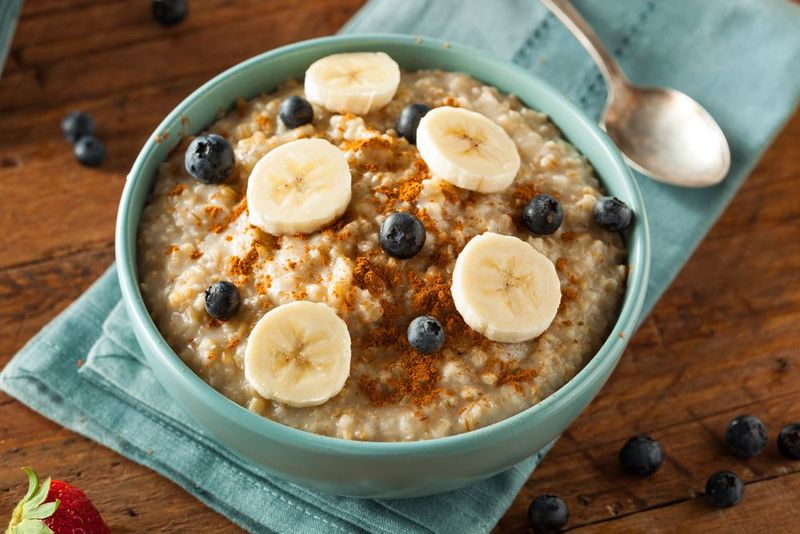
Fibre slows digestion, helping you feel fuller longer whilst stabilising blood sugar levels that directly affect metabolic function. Most people consume far less fibre than the recommended 25-30 grammes daily.
Oats, berries, and whole grains provide excellent breakfast fibre sources. This nutrient also feeds beneficial gut bacteria that influence metabolism, weight management, and overall health in ways scientists are still discovering.
8. Overeating Processed Breakfast Bars

Marketed as healthy convenience foods, many breakfast bars contain as much sugar as biscuits and lack real nutritional value. Reading labels reveals shocking amounts of added sugars, artificial ingredients, and minimal protein or fibre.
These bars digest rapidly, leaving you hungry within an hour and triggering the same metabolic slowdown as other processed foods. Choose bars with whole food ingredients, high protein, and low sugar, or better yet, eat real food instead.
9. Skipping Hydration In The Morning

After hours without water during sleep, your body desperately needs hydration to perform metabolic processes efficiently. Even mild dehydration can slow your metabolism by up to 3 percent.
Water helps transport nutrients, remove waste products, and regulate body temperature - all essential for optimal metabolic function. Drink at least one glass of water upon waking, before your coffee or breakfast, to jumpstart your system properly.
10. Consuming Artificial Sweeteners

Swapping sugar for artificial sweeteners seems logical, but research suggests these chemicals may actually disrupt metabolism and increase sugar cravings throughout the day. Your brain expects calories when it tastes sweetness.
When those calories don't arrive, it can trigger increased appetite and preference for sweeter foods. Some studies link artificial sweeteners to altered gut bacteria that negatively affect metabolic health, making natural, moderate sweetness the better choice.
11. Eating Breakfast Too Late

Timing matters more than most people realise when it comes to metabolic function. Eating your first meal several hours after waking extends the fasting state, slowing calorie burning unnecessarily.
Your body's circadian rhythm affects how efficiently you process food, with morning meals metabolised more effectively than evening ones. Aim to eat within an hour of waking to align with your natural metabolic cycles and maximise fat-burning potential.
12. Choosing Fruit Juice Over Whole Fruit

Juice removes the fibre that slows sugar absorption, turning healthy fruit into a concentrated sugar bomb that spikes blood glucose rapidly. A glass of orange juice contains the sugar of multiple oranges without the beneficial pulp.
This liquid sugar rush triggers the same insulin response as fizzy drinks, promoting fat storage rather than fat burning. Eating whole fruit provides vitamins, minerals, and fibre that support steady energy and healthy metabolism throughout your morning.