













Food is one of life's greatest pleasures, but not every dish earns a spot on the favorites list. Around the world, certain foods have earned a reputation for being downright unpleasant, whether because of their smell, texture, taste, or just plain strange ingredients.
From fermented oddities to slimy delicacies, these foods have shocked, disgusted, and challenged even the bravest eaters. Get ready to discover 16 foods that most people would happily skip at the dinner table.
1. Surströmming (Fermented Swedish Herring)
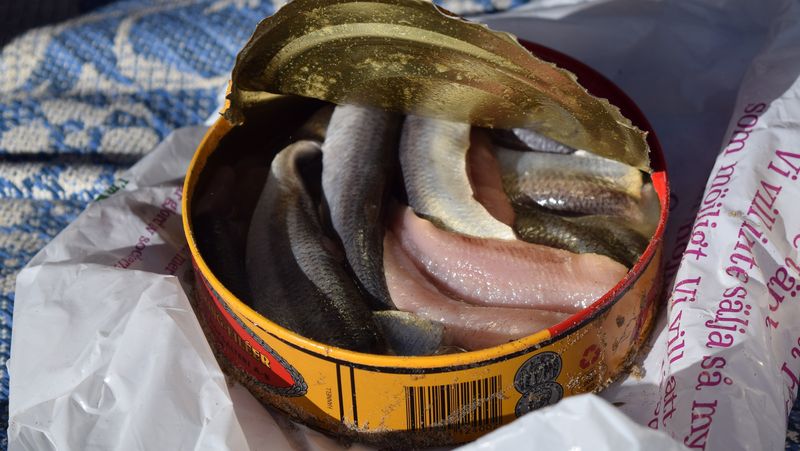
Hold your nose, because surströmming might just be the smelliest food on the planet. This Swedish fermented herring is canned and left to ferment for months, creating a sour, pungent odor so powerful that many airlines have banned it entirely.
Locals eat it with flatbread, potatoes, and onions, but first-timers rarely make it past the smell. Food scientists have actually ranked it as the world's most putrid food.
Brave souls only, please!
2. Hákarl (Fermented Greenlandic Shark)
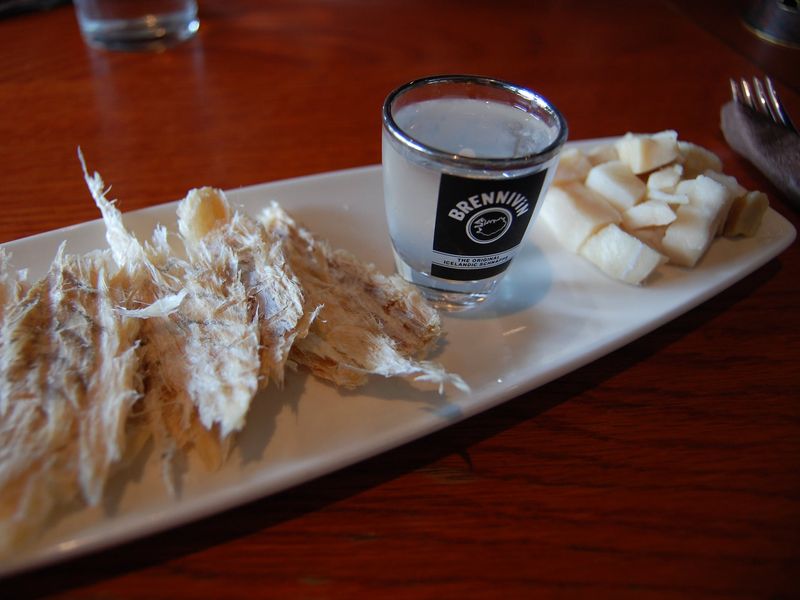
Anthony Bourdain once called hákarl the single worst thing he had ever eaten, and that is saying something. This Icelandic delicacy is made from Greenlandic shark meat that is buried underground and left to ferment for up to six months.
The result is a chewy, ammonia-soaked chunk of fish that smells like very strong cleaning products. Icelanders traditionally wash it down with a shot of brennivín schnapps, which probably helps a lot.
3. Balut (Fertilized Duck Egg)
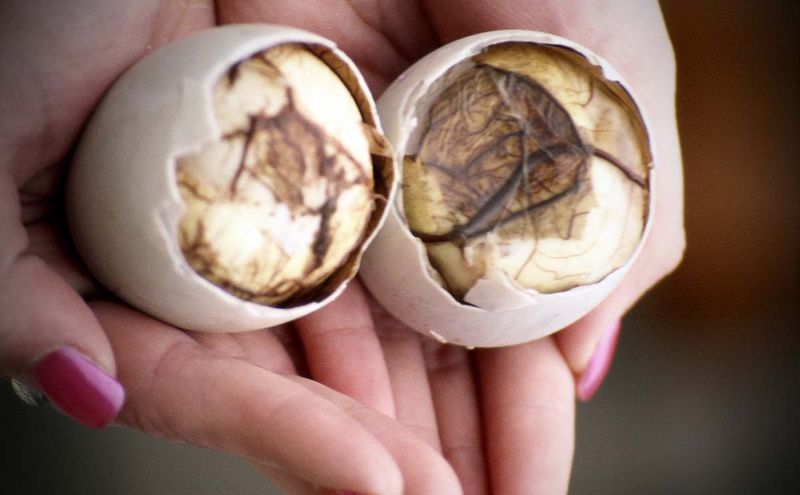
Popular in the Philippines and Southeast Asia, balut is a fertilized duck egg containing a partially developed embryo, boiled and eaten straight from the shell. Street vendors sell it warm, and locals consider it a protein-packed snack.
For most outsiders, seeing tiny feathers, bones, and a beak inside an egg is a dealbreaker. The texture is described as a mix of rubbery, soft, and crunchy all at once.
Adventurous foodies call it thrilling; everyone else calls it terrifying.
4. Casu Marzu (Maggot Cheese)
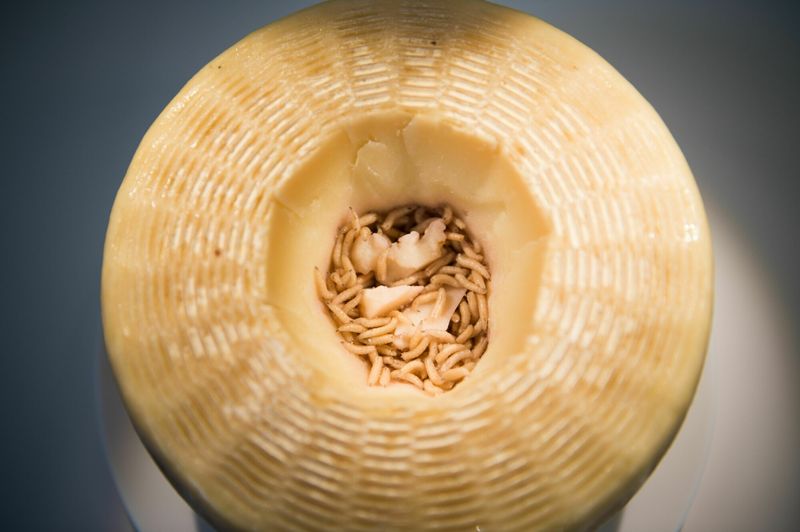
Cheese lovers, look away. Casu marzu is a traditional Sardinian cheese that is intentionally left to be infested with live maggots, which break down the fat and create an extremely soft, almost liquid texture.
The maggots can jump up to six inches when disturbed, so eating this cheese requires some quick reflexes. It has been declared illegal by the European Union due to health concerns, which makes it both dangerous and weirdly exclusive.
Only in Sardinia!
5. Durian (The King of Smelly Fruits)
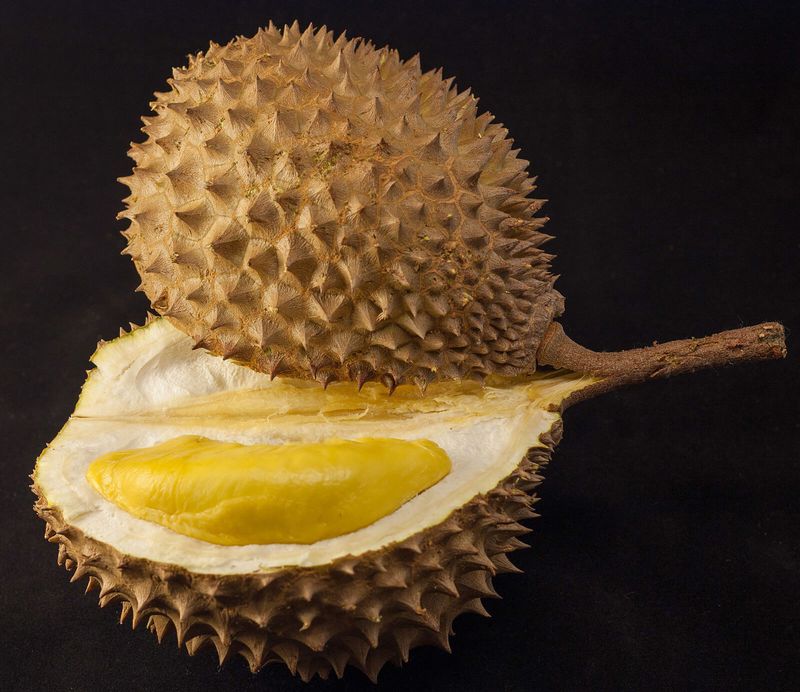
Durian is famous across Southeast Asia for being simultaneously loved and despised. Its creamy, custard-like flesh has a rich, sweet flavor, but the smell is something else entirely.
Many people compare the odor to dirty gym socks, rotting onions, or raw sewage.
Hotels and public transport across Singapore and Thailand have banned durian from their premises. Fans call it heavenly; critics call it a biohazard.
Either way, there is no ignoring this spiky, pungent, larger-than-life fruit.
6. Natto (Fermented Japanese Soybeans)
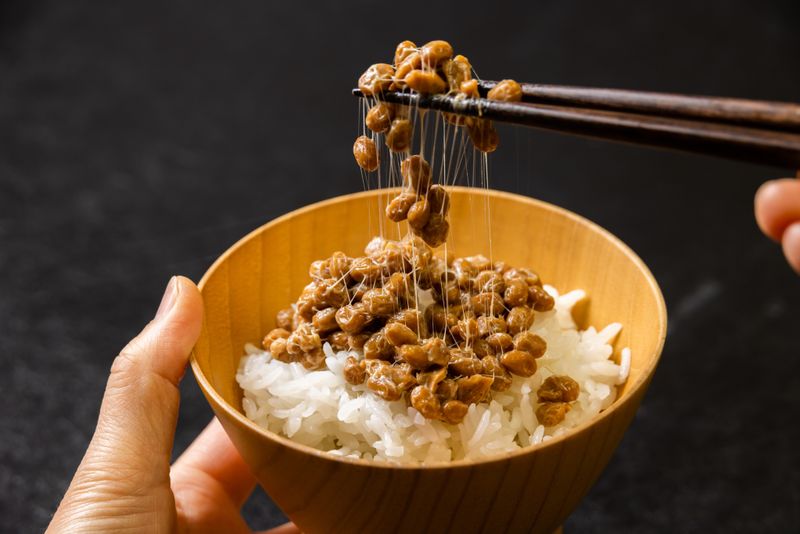
Natto is a breakfast staple in Japan, but it has a texture and smell that most non-Japanese people find deeply off-putting. Fermented soybeans are left to develop a sticky, stringy coating that stretches like melted cheese when pulled apart.
The smell is earthy, pungent, and sharp, similar to aged blue cheese. The flavor is intensely savory and bitter.
Japanese kids grow up eating it without a second thought, but international visitors frequently describe their first natto experience as unforgettable for all the wrong reasons.
7. Century Egg (Pidan)
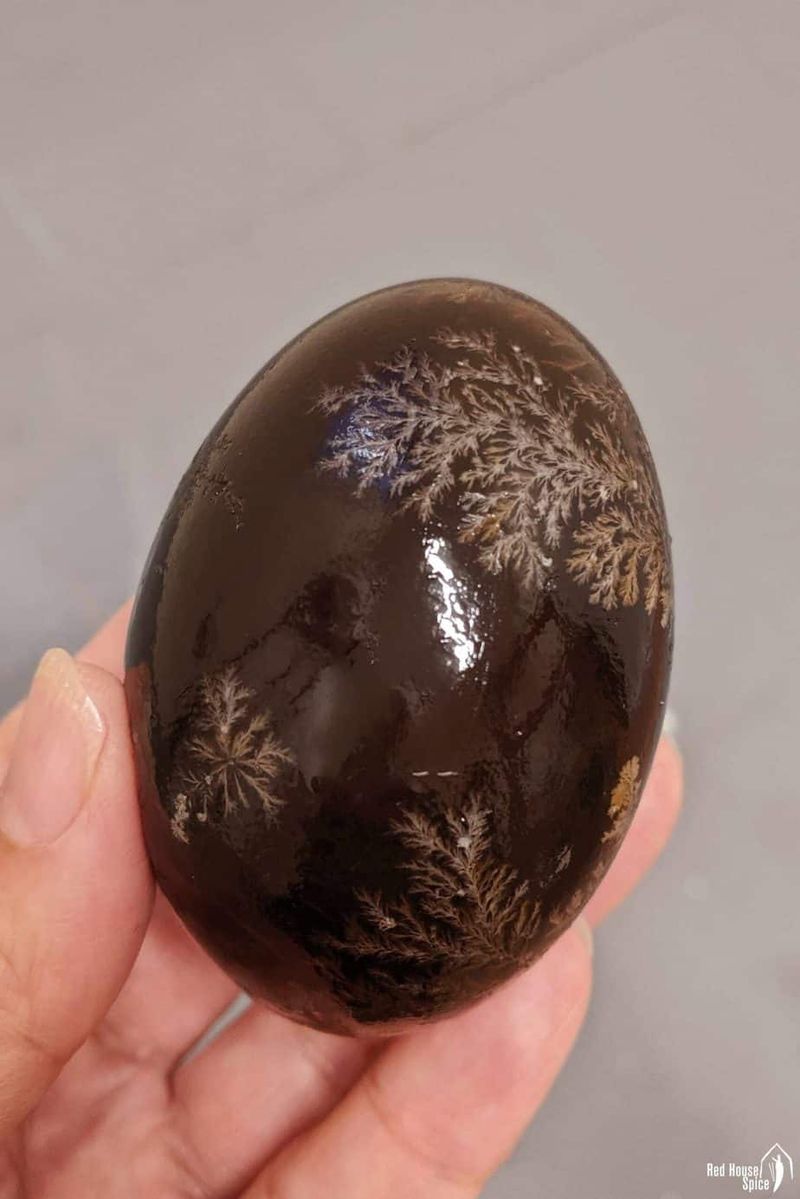
Despite the name, century eggs are not actually a hundred years old, but they are preserved long enough to turn jet black and develop a strong, ammonia-like aroma. Made from duck, chicken, or quail eggs preserved in a mixture of clay, ash, and salt, they are a popular Chinese delicacy.
The texture is gelatinous and slippery, and the flavor is intensely savory with a sulfuric punch. Served cold with pickled ginger, they are an acquired taste few outsiders ever fully acquire.
8. Kiviak (Arctic Bird Fermented in Seal)
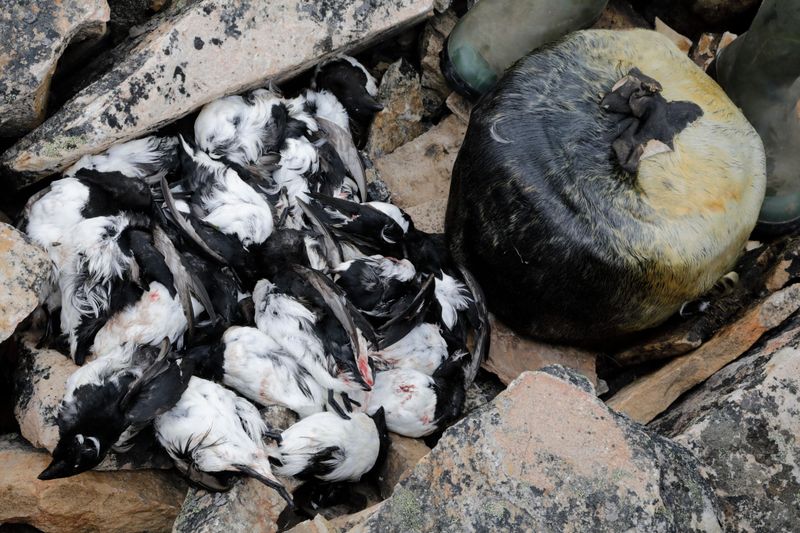
Kiviak is a traditional Greenlandic Inuit dish that involves stuffing hundreds of small seabirds called little auks inside a hollowed-out seal carcass, then sewing it shut and leaving it under a rock to ferment for up to 18 months.
The result is eaten during winter celebrations, and the birds are consumed whole, bones and all. The flavor is extremely pungent and gamey.
Outsiders who have tried it describe it as one of the most challenging food experiences imaginable. It is survival food taken to extremes.
9. Stargazy Pie (Fish Heads Poking Through Pastry)
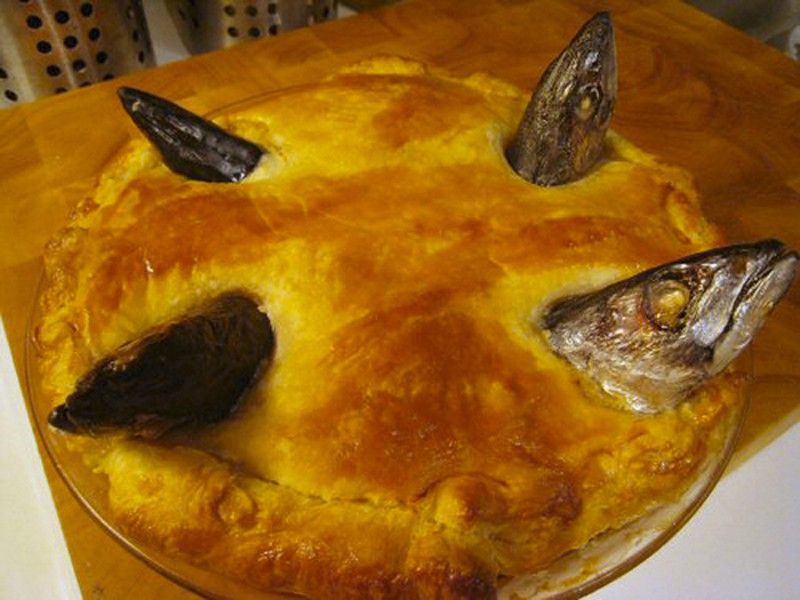
Stargazy pie is a Cornish dish from England that looks like something out of a food nightmare. Whole pilchards or sardines are baked inside a pastry pie with their heads and tails poking dramatically through the crust, appearing to gaze upward at the stars.
The tradition dates back to a 16th-century fisherman named Tom Bawcock, who saved his village from starvation. The pie is still made every December in the village of Mousehole.
Historically significant, yes. Appetizing to most modern diners?
That is a different story.
10. Lutefisk (Lye-Soaked Fish)
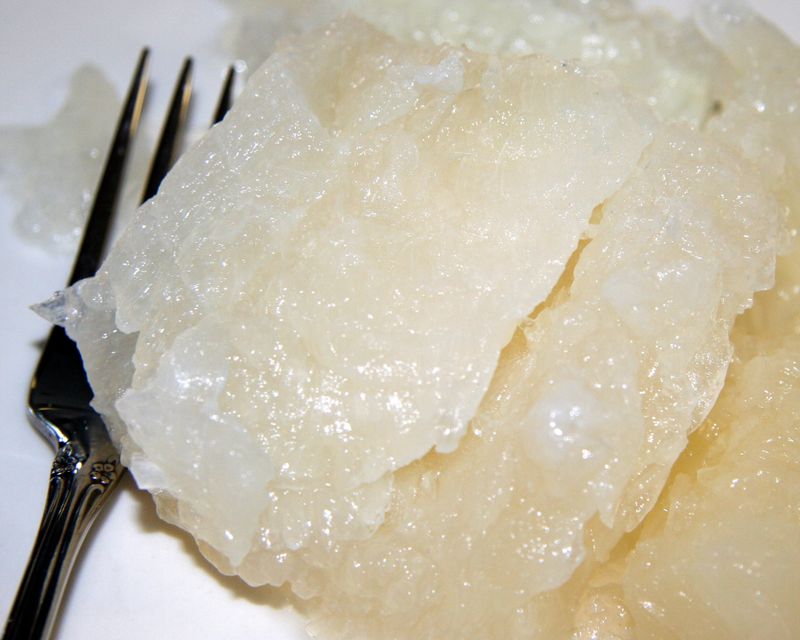
Lutefisk is a traditional Scandinavian dish made from dried whitefish that has been soaked in lye, a highly caustic substance, for several days before being rinsed and cooked. The process gives the fish a gelatinous, wobbly texture unlike anything else on earth.
Many Scandinavians eat it at Christmas with potatoes and butter, while others actively avoid it. Critics say it smells unpleasant, tastes bland, and has the consistency of jelly.
Even some Norwegians joke that it is a food best kept as a tradition rather than a meal.
11. Tuna Eyeballs
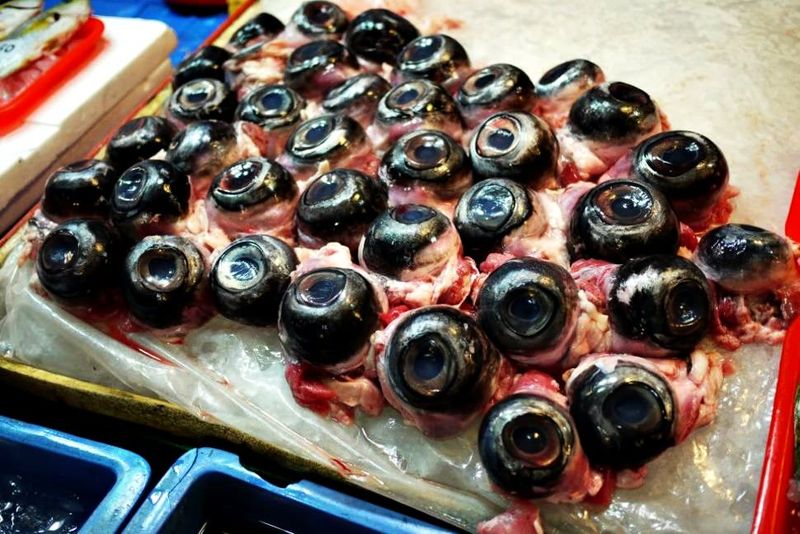
Tuna eyeballs are a budget-friendly snack sold in Japanese supermarkets, and they are exactly what the name suggests. Each eyeball is about the size of a golf ball and is typically boiled or steamed before eating.
The outer part is tough and chewy, while the inside contains a soft, fatty tissue that some compare to squid. Seasoned with soy sauce and garlic, they are reportedly not bad in flavor, but the visual experience of staring back at your dinner is something most people struggle to get past.
12. Hákarl-Flavored Ice Cream
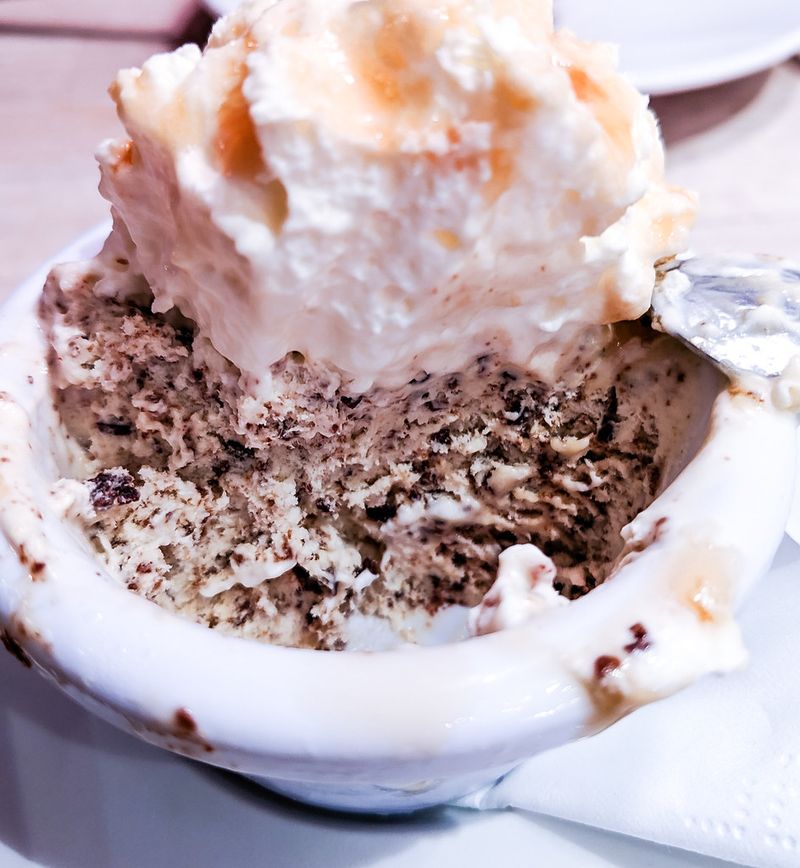
Just when you thought hákarl could not get any worse, Icelandic food innovators decided to turn it into ice cream. Some specialty shops in Iceland sell fermented shark-flavored ice cream as a novelty item, combining the creamy sweetness of frozen dessert with the sharp ammonia punch of rotting shark.
Most tourists buy it as a dare. Very few finish the cone.
Reviews online range from horrified to genuinely curious. It is one of those things that exists purely to test how far your adventurous eating spirit actually goes.
13. Escamoles (Ant Larvae Tacos)
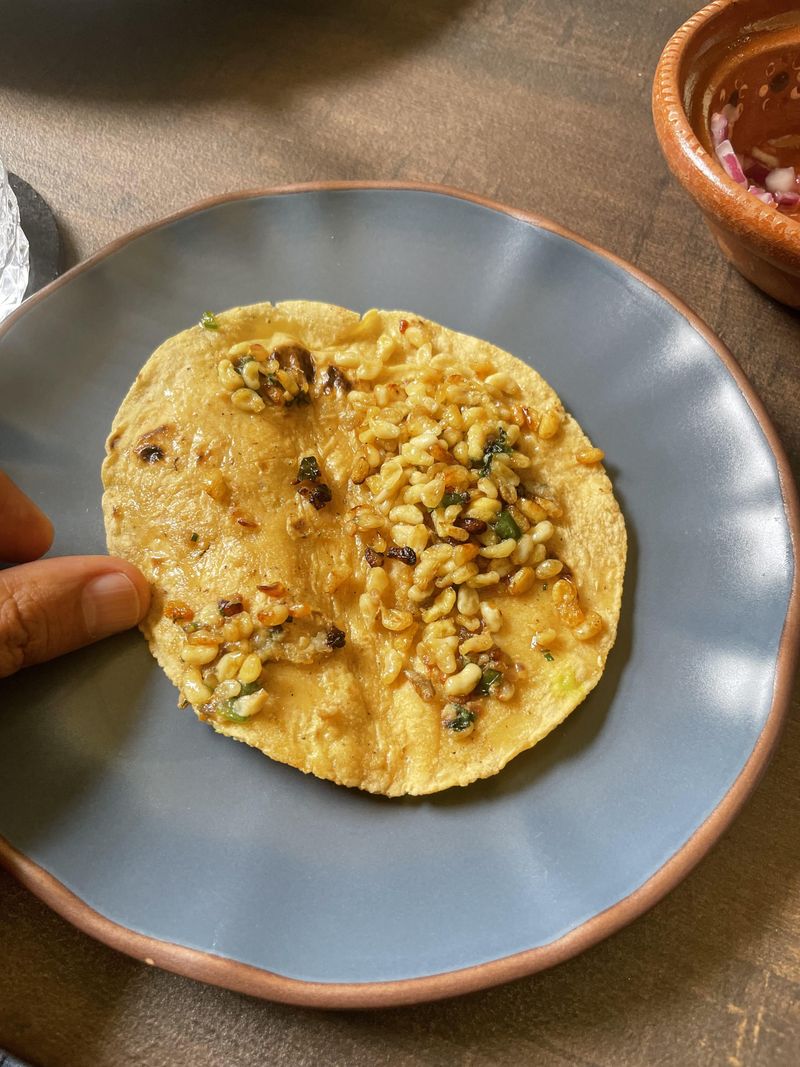
Called the caviar of Mexico, escamoles are the larvae and pupae of giant black ants harvested from the roots of agave plants. They have been eaten in Mexico since Aztec times and are considered a luxury ingredient in traditional cuisine.
Cooked in butter with spices and served in tacos, they have a nutty, buttery flavor that fans rave about. Still, the idea of eating ant eggs is enough to make most people pause.
They are crunchy, creamy, and culturally fascinating all at once.
14. Shirako (Fish Sperm Sacs)
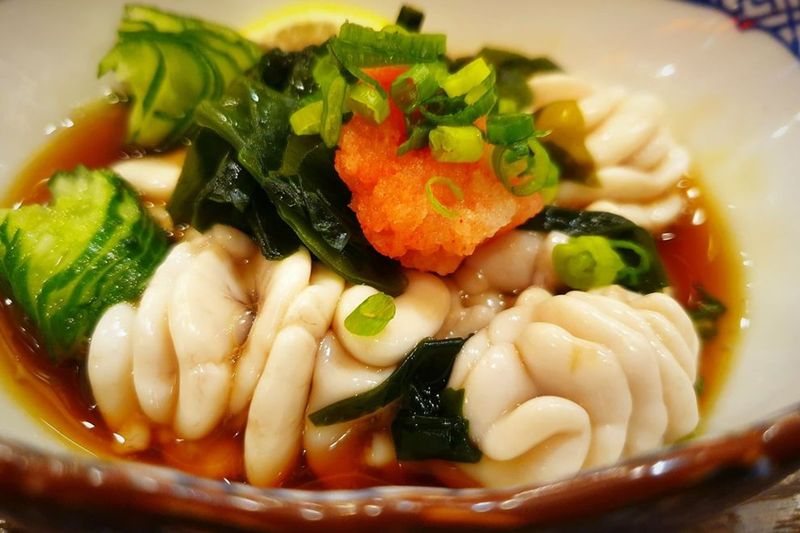
Shirako is considered a wintertime delicacy in Japan, served in high-end restaurants and traditional kaiseki meals. The name translates roughly to white children, but what it actually is might surprise you: the sperm sacs of cod, puffer fish, or anglerfish.
The texture is creamy, soft, and almost custardy, with a mild, oceanic flavor. Chefs serve it in broth, grilled, or raw.
Japanese food lovers adore it, but international diners frequently rank it among the most challenging foods they have ever encountered. Acquired taste is an understatement.
15. Black Pudding (Blood Sausage)
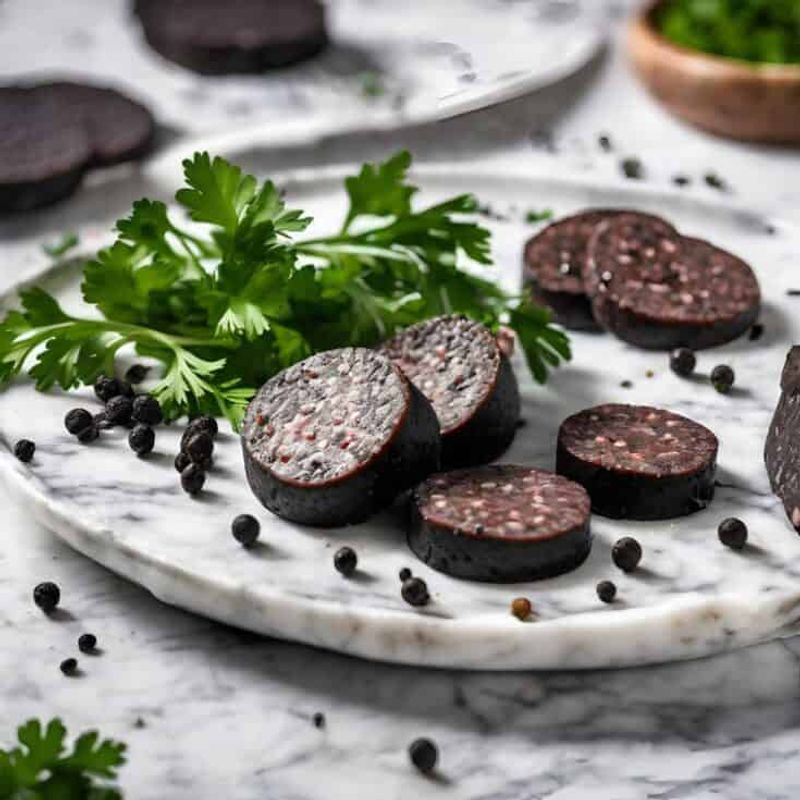
A staple of the full English breakfast, black pudding is a sausage made primarily from pork blood mixed with oatmeal, fat, and spices, then formed into a thick, dark roll and either fried or grilled. It has been eaten in Britain for centuries.
The flavor is rich, savory, and slightly iron-like, which fans describe as deeply satisfying. For newcomers who discover what is actually in it, the reaction is usually very different.
Blood-based foods exist worldwide, but black pudding remains one of the most debated breakfast items ever invented.
16. Jellied Eels
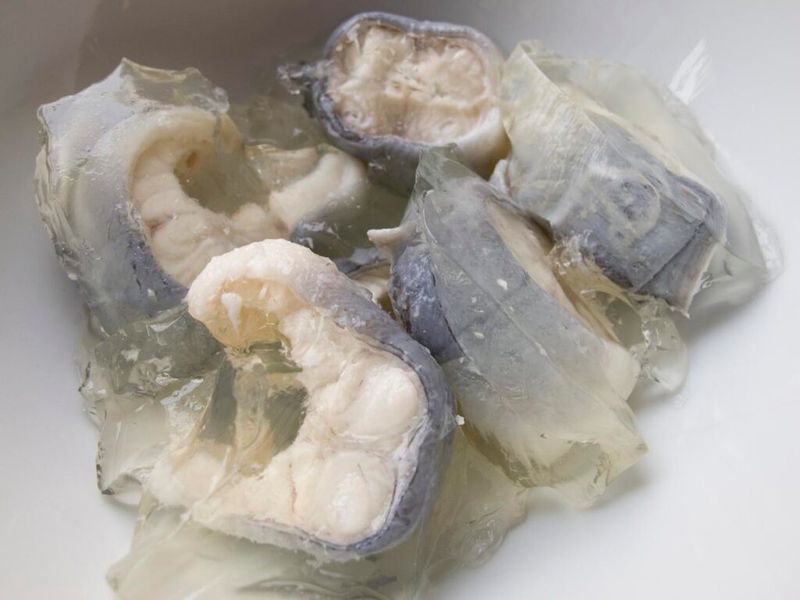
Once a working-class staple of East London, jellied eels are chunks of chopped eel boiled in a spiced stock that sets into a wobbly, savory jelly as it cools. They are served cold, often with vinegar and white pepper.
The texture is slippery, gelatinous, and chewy all at once, and the flavor is intensely fishy. Traditional pie and mash shops still serve them today, though younger generations are less enthusiastic.
Food historians love them; most tourists who try them once politely decline a second serving.




Comments
No Comments