









Every now and then, a truly odd ingredient sneaks into a recipe and somehow makes the whole thing taste better. Think a splash of coffee in a stew or a bit of soy sauce in brownies - strange, but it works.
Once you start experimenting, you’ll realise that the weirdest additions often unlock the most unforgettable flavours.
This content is for general informational purposes only and is not intended as professional culinary or nutritional advice. Always verify ingredient suitability for your own dietary needs. Photos are for illustrative purposes only.
1. Anchovy Paste
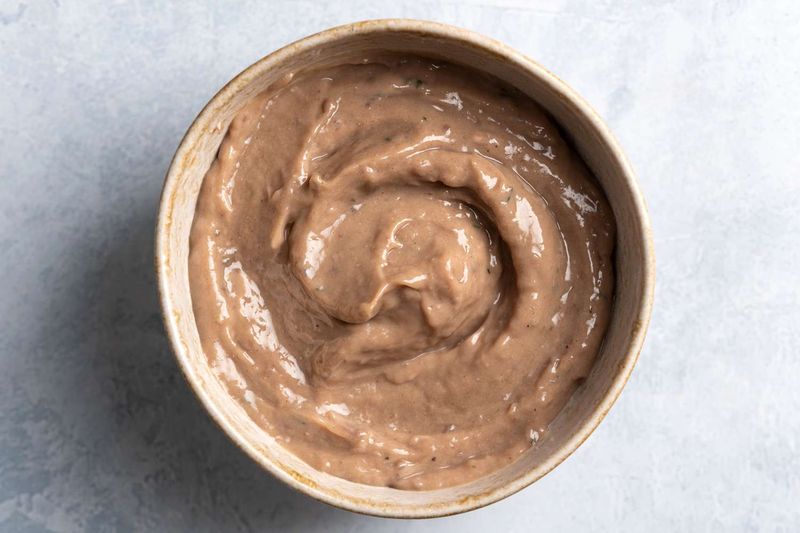
Squeeze a bit of this salty, fishy paste into your tomato sauce and watch magic happen. The anchovies melt away completely, leaving behind a deep, savoury richness that nobody can quite identify.
Your pasta dishes will taste like they came from an Italian grandmother's kitchen. Even people who claim to hate fish won't detect it, just an incredible depth of flavour that makes everything taste more delicious and complex.
2. Soy Sauce
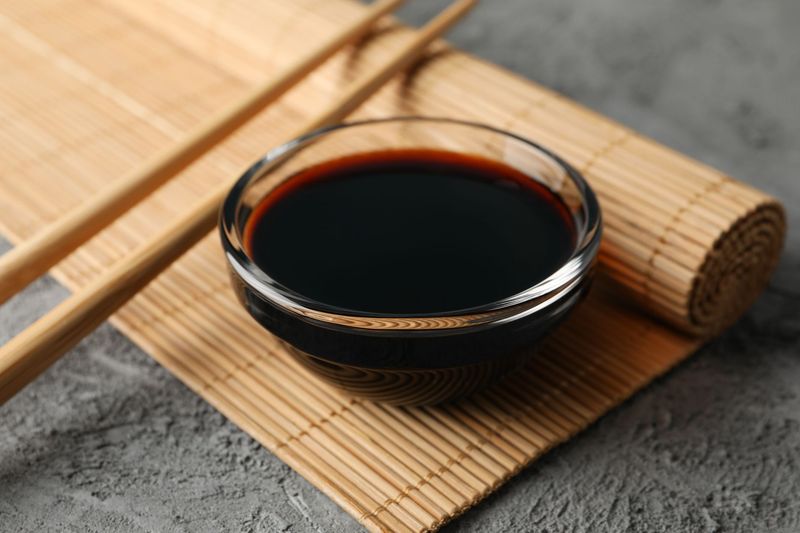
A few drops of this fermented liquid gold can wake up bland soups, stews, and even roasted vegetables. Originally from Asia, soy sauce brings an earthy, salty punch that enhances meat and vegetable dishes alike.
Try adding a splash to your gravy or mushroom dishes for an instant upgrade. The fermentation process creates complex flavours called umami, which your taste buds absolutely love and crave in every bite.
3. Monosodium Glutamate
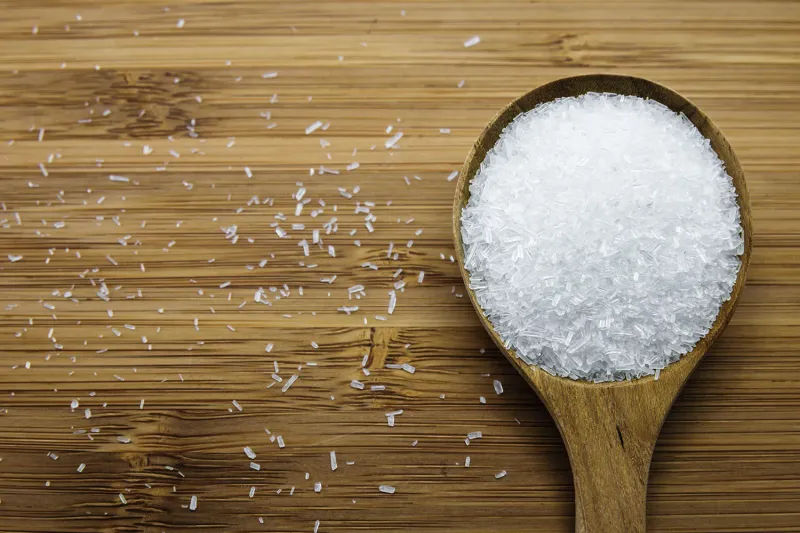
MSG gets unfairly criticised, but it's simply a flavour enhancer found naturally in tomatoes, cheese, and mushrooms. Scientists have proven it's completely safe, and chefs worldwide use it to make food taste more satisfying.
Sprinkle a tiny pinch into soups, fried rice, or roasted chicken for restaurant-quality results. Your brain recognises this as pure umami flavour, the fifth taste that makes you want another forkful immediately.
4. Cocoa Powder
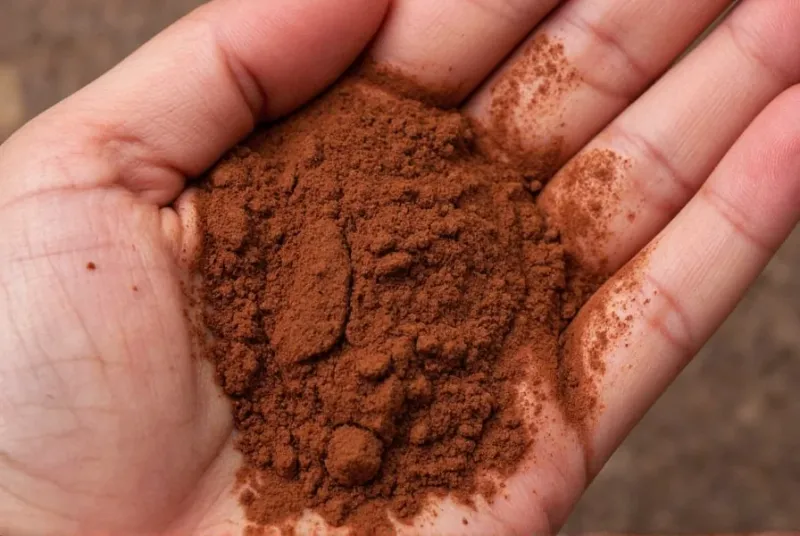
Who puts chocolate in chilli? Smart cooks do! Unsweetened cocoa powder adds an earthy, slightly bitter depth to savoury dishes that creates incredible complexity.
Mexican mole sauce has used this trick for centuries, combining cocoa with spices for rich, layered flavours. Stir a teaspoon into your beef stew, barbecue sauce, or chilli con carne. The chocolate flavour disappears completely, leaving behind mysterious deliciousness that guests will try desperately to identify.
5. Hibiscus
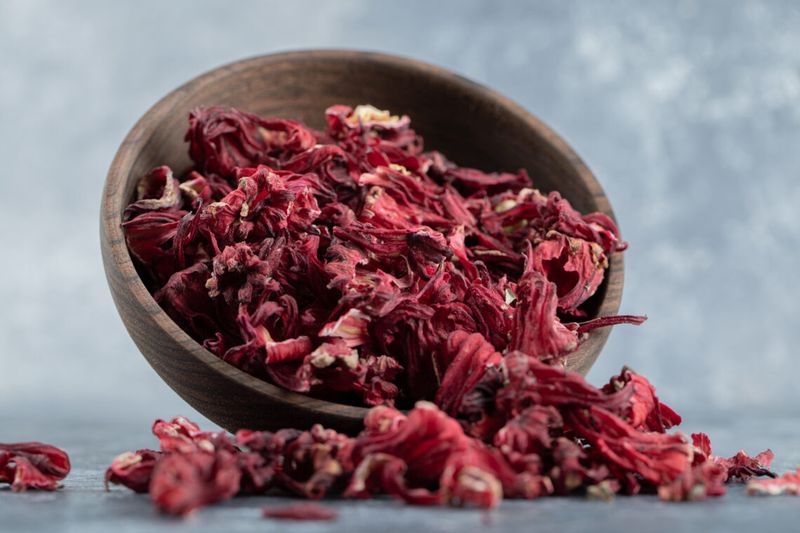
These ruby-red dried flowers bring a tangy, cranberry-like sharpness that brightens up heavy dishes beautifully. Ground into powder or steeped in liquid, hibiscus adds both colour and a pleasant sourness.
Try it in marinades for chicken or lamb, where the acidity tenderises meat whilst adding floral notes. Middle Eastern and Mexican cooks have used hibiscus for ages, understanding how its tartness balances rich, fatty foods and adds an unexpected twist.
6. Grains Of Paradise
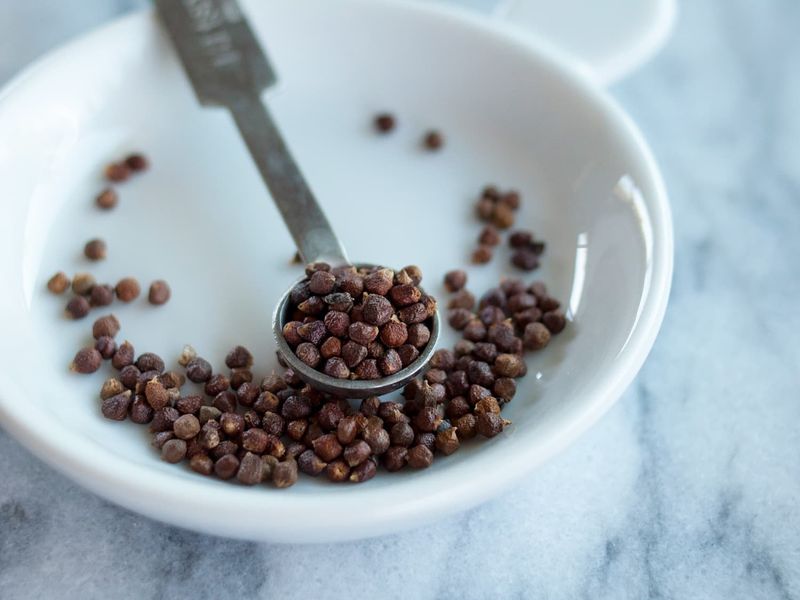
This West African spice looks like peppercorns but tastes like a party in your mouth. Imagine black pepper mixed with cardamom, ginger, and citrus all at once.
Medieval European cooks prized these rare seeds before black pepper became common. Crush a few into roasted vegetables, grilled fish, or even fruit desserts. The complex, warming flavour adds sophistication to simple dishes, making everything taste more interesting and layered than ordinary pepper ever could.
7. Furikake
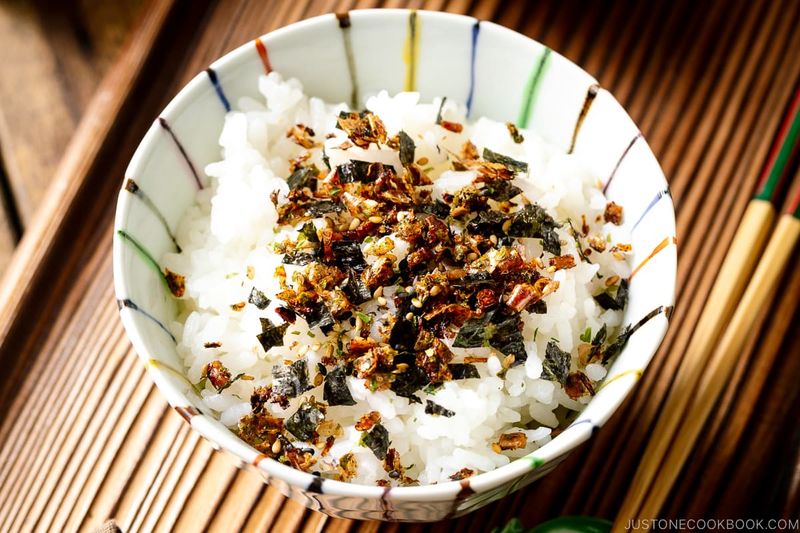
This Japanese seasoning blend combines seaweed, sesame seeds, dried fish, and sometimes egg into crunchy, salty perfection. Traditionally sprinkled on rice, furikake adds instant flavour and texture to almost anything.
Shake it over popcorn, roasted vegetables, or even scrambled eggs for an umami explosion. Each spoonful delivers multiple layers of taste and satisfying crunch. Once you discover furikake, you'll find yourself reaching for it constantly, wondering how you ever cooked without it before.
8. Fermented Corn Sauce
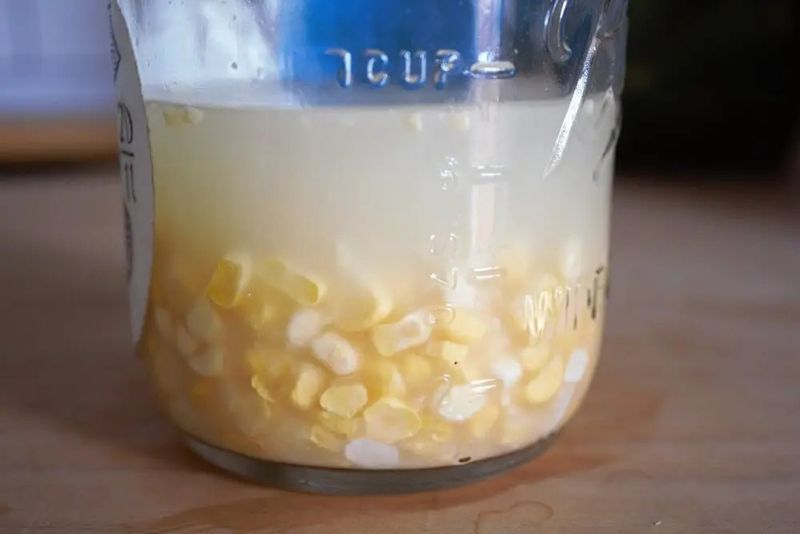
Corn might seem boring, but fermentation transforms it into an intensely savoury, slightly sweet condiment. Popular in parts of Asia, this unusual sauce brings deep, funky flavours to stir-fries and marinades.
The fermentation process breaks down the corn's sugars, creating complex taste compounds. Add a spoonful to fried rice, noodles, or even scrambled eggs for an umami boost. Your dishes will have that mysterious restaurant quality that keeps everyone coming back for seconds.
9. Nduja
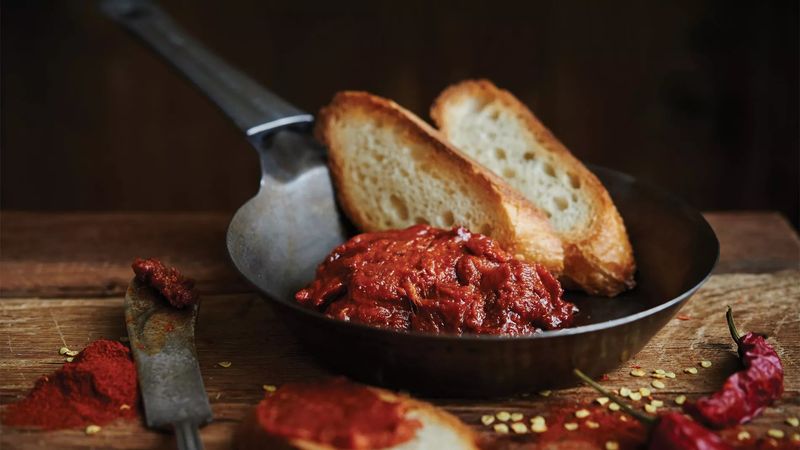
This spreadable, fiery Italian sausage paste packs serious heat and intense pork flavour into every spoonful. Made with Calabrian chillies and pork fat, nduja melts beautifully into sauces, transforming them instantly.
Stir a dollop into tomato sauce, scrambled eggs, or even butter for garlic bread. The fat carries the spicy, meaty flavour throughout your dish, creating richness and warmth. A little goes a long way, so start small and adjust to your heat tolerance.
10. Asafoetida (Hing)
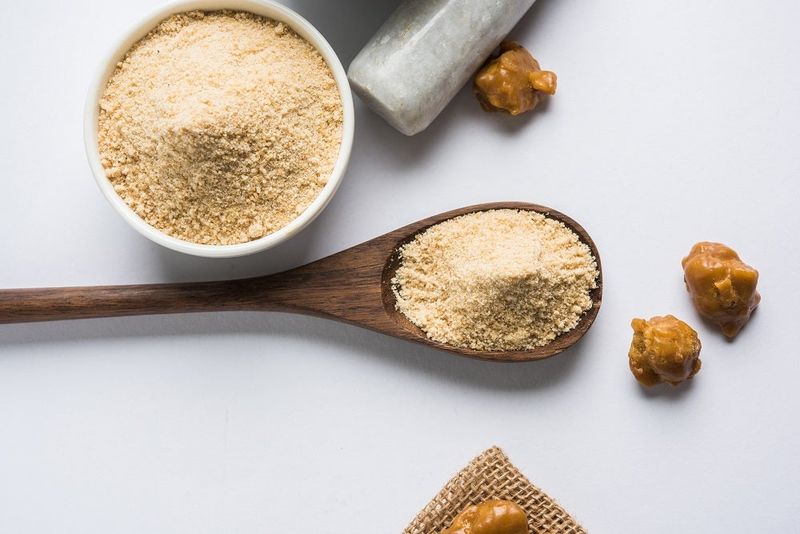
Fair warning: this Indian spice smells absolutely dreadful straight from the jar, like rotten garlic mixed with old socks. But cook it in hot oil for just thirty seconds and it transforms completely into something magical.
Vegetarian Indian cooks use hing to add depth and a subtle onion-garlic flavour to lentils and vegetables. Just a tiny pinch goes incredibly far, replacing the need for actual onions whilst adding an earthy, savoury backbone to any dish.
11. Kombu
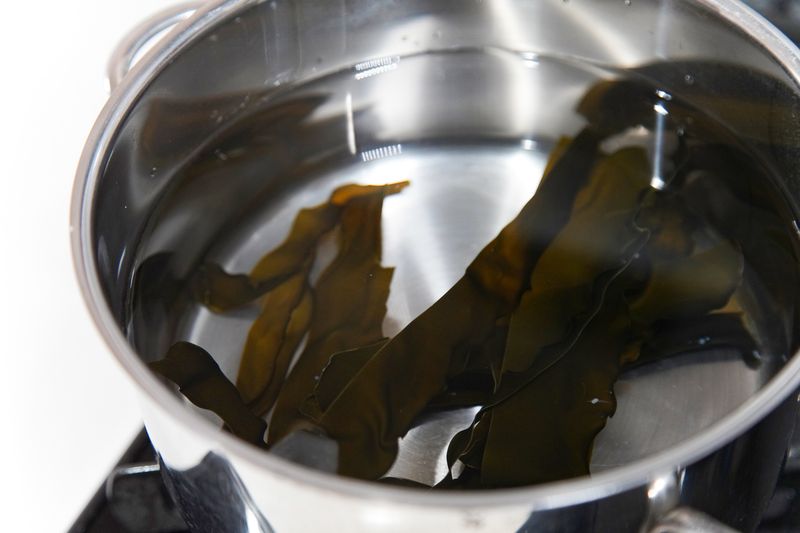
These thick sheets of dried seaweed might look like something from the ocean floor, but they're umami powerhouses. Japanese cooks simmer kombu in water to create dashi, the foundation of countless soups and sauces.
Drop a piece into your bean pot to reduce cooking time and add subtle depth. The natural glutamates in kombu enhance other flavours without making food taste fishy. Remove it before serving, and nobody will guess your secret ingredient was seaweed.