











When the snow starts to fall and the world turns frosty, many of us find ourselves craving something sweet – and there’s real science behind it.
Cold weather affects both body and mind, increasing the desire for sugar as a quick way to boost warmth, comfort, and energy.
Knowing why this happens can make those winter indulgences feel a little less guilty – and a lot more enjoyable.
This content is for general informational purposes only. It is not a substitute for professional medical or nutritional advice. Always consult a qualified expert for personalised guidance. Photos are for illustrative purposes only.
Why Cold Weather Makes You Crave Sugary Treats

Your body isn't being difficult when it demands a chocolate hobnob on a freezing January morning. Cold temperatures genuinely trigger survival mechanisms that date back thousands of years. When it's Baltic outside, your metabolism speeds up to generate heat, burning through energy stores faster than usual.
This increased energy expenditure sends hunger signals to your brain, particularly for quick fuel sources like sugar. Glucose provides rapid energy that your body can convert to warmth almost immediately. It's basically your internal thermostat crying out for emergency supplies, which explains why a Greggs doughnut suddenly feels like a biological necessity rather than just a nice treat.
The Science Behind Winter Appetite Changes
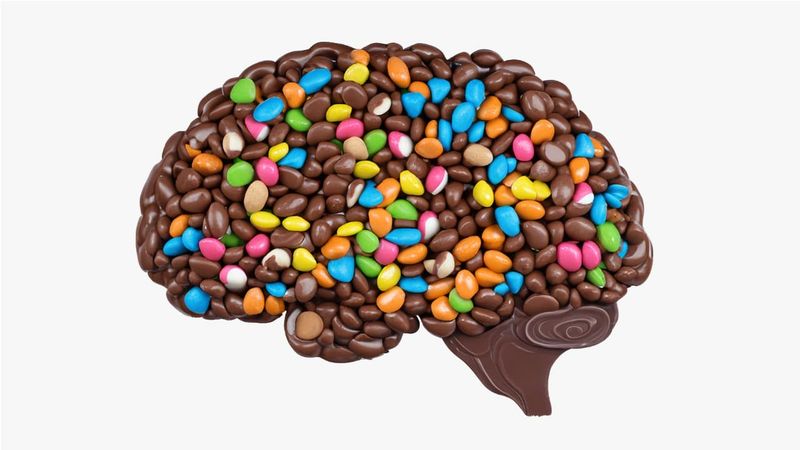
Blame it on serotonin if you must, but winter genuinely alters your brain chemistry. Shorter daylight hours reduce serotonin production, that feel good chemical that keeps your mood stable and cravings under control. Lower serotonin levels make your brain hunt for quick fixes, and sugar happens to be brilliantly effective at giving you a temporary boost.
Carbohydrates, especially simple sugars, help produce more serotonin by increasing tryptophan availability in the brain. It's your noggin's way of self medicating through the dark months. Nutritionists note this is why winter comfort eating isn't just weakness but an actual physiological response to environmental changes that affects nearly everyone to some degree.
How Comfort Foods Trigger Happy Brain Chemicals
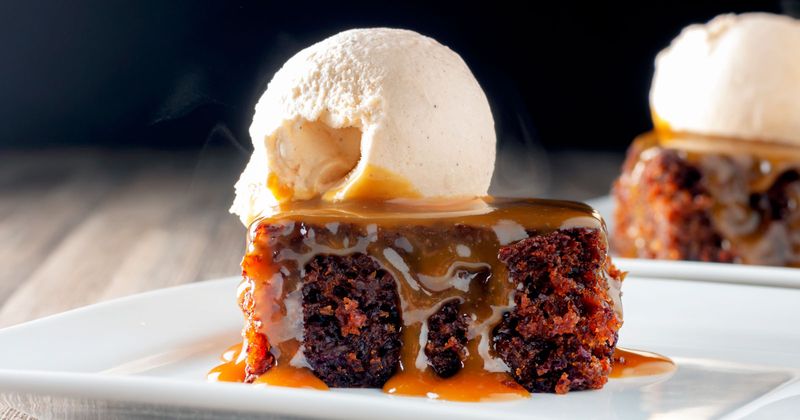
Sticky toffee pudding doesn't just taste gorgeous. It actually floods your brain with dopamine, the reward chemical that makes you feel properly chuffed. Sweet foods activate pleasure centres more intensely than almost any other taste, creating an immediate mood lift that feels especially necessary when it's grim outside.
British comfort classics like treacle tart or bread and butter pudding work double duty. They provide the sugar hit your brain craves whilst also triggering emotional warmth through familiar flavours. This combination of chemical reward and psychological comfort explains why you'll demolish an entire tin of Quality Street during a snow day without even thinking about it.
Sweet Memories – Why Nostalgia Plays A Role

Remember getting hot Ribena and a custard cream after playing in the snow as a kid? Those memories aren't just sweet recollections. They're powerful psychological triggers that make certain treats feel essential during winter. Nostalgia activates the same brain regions as physical warmth, creating genuine comfort that goes beyond mere taste.
Traditional British winter puddings like spotted dick or jam roly poly carry emotional weight that intensifies cravings. Your brain associates these flavours with safety, family gatherings, and cosiness. When snow starts falling, you're not just hungry for sugar but for the feelings these foods represent, making them doubly irresistible and perfectly understandable.
Hot Drinks And Desserts That Feel Extra Special In The Snow

Something magical happens when you pair hot beverages with sweet treats during a snowstorm. A proper builder's tea with three sugars or a creamy hot chocolate feels transformative when frost patterns decorate your windows. The warmth spreading through your hands and chest creates physical comfort that your brain registers as deeply satisfying.
Pairing these drinks with warm puddings like apple crumble or bread pudding amplifies the effect. Temperature matters more than you'd think. Studies show warm foods increase feelings of social connection and emotional warmth, making that Costa caramel latte and muffin combo feel like an absolute necessity rather than an indulgence during winter weather.
Why Your Body Thinks Sugar Equals Warmth
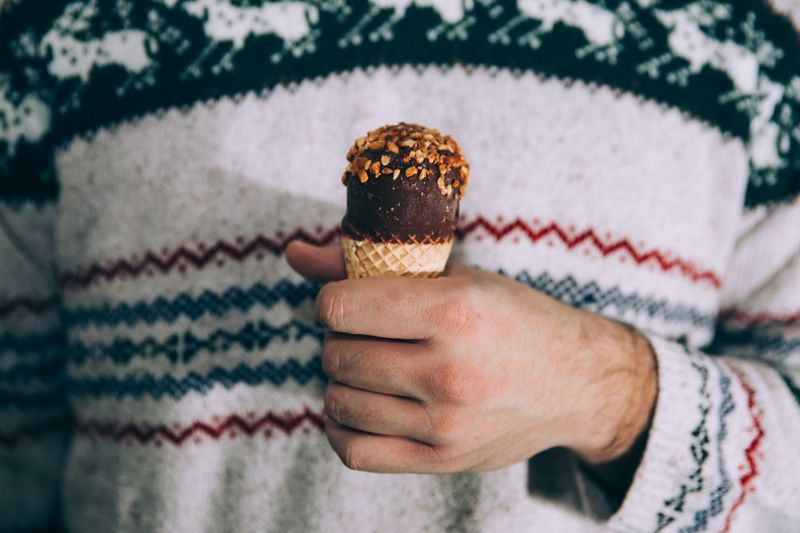
Here's a quirky biological fact: your body genuinely associates sugar consumption with temperature regulation. When you eat carbohydrates, your metabolism increases slightly through something called diet induced thermogenesis. This process generates actual heat as your body breaks down food, making you feel warmer almost immediately after eating.
Sugar provides the fastest route to this warming effect because it digests quickly and enters your bloodstream rapidly. Your clever body has learned this pattern and now craves sweets when cold specifically because they deliver quick warmth. It's not particularly efficient compared to protein or complex carbs, but your primitive brain doesn't care about efficiency when it's freezing.
Balancing Winter Indulgence With Healthier Choices

You don't need to resist every winter craving like some sort of sugar saint. Nutritionists suggest acknowledging these urges as normal whilst making strategic choices that satisfy without sending your blood glucose on a rollercoaster. Pairing sweet treats with protein or fibre slows sugar absorption and extends satisfaction, meaning one decent biscuit with cheese beats mindlessly munching through half a packet.
Consider British alternatives that provide sweetness with added nutrition. Flapjacks made with proper oats, fruit crumbles with less sugar, or malt loaf offer familiar comfort with more staying power. The goal isn't deprivation but awareness, letting yourself enjoy winter's sweet pleasures without feeling rubbish afterwards.