











Chronic inflammation quietly damages your body over time, contributing to heart disease, diabetes, and arthritis. Fortunately, the foods you eat can either fuel this harmful process or help extinguish it.
An anti-inflammatory diet focuses on whole foods that naturally reduce inflammation whilst avoiding processed items that trigger it. Ready to transform your health one meal at a time?
This content is for general information only. Always consult a healthcare professional before making significant dietary changes.
How An Anti-Inflammatory Diet Can Benefit Your Health
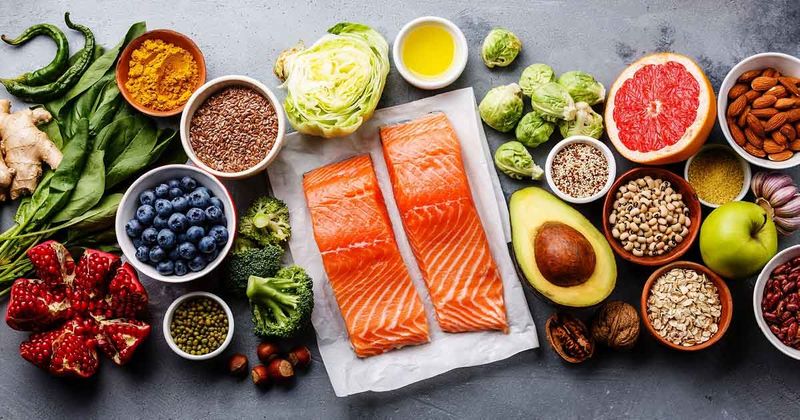
According to the British Heart Foundation, inflammation is a natural defence mechanism in the body. However, when inflammation becomes chronic, it can contribute to a range of health issues.
By incorporating anti-inflammatory foods into your diet, you can help reduce this harmful inflammation and protect your body from chronic diseases. These foods calm the immune system, easing joint swelling and stiffness that millions experience daily.
As inflammation in blood vessels decreases, heart health improves, and you may notice less brain fog, increased energy, and better sleep quality. Many people also see improvements in their skin and digestion within weeks of making these simple dietary changes.
Simple Tips For Starting An Anti-Inflammatory Diet
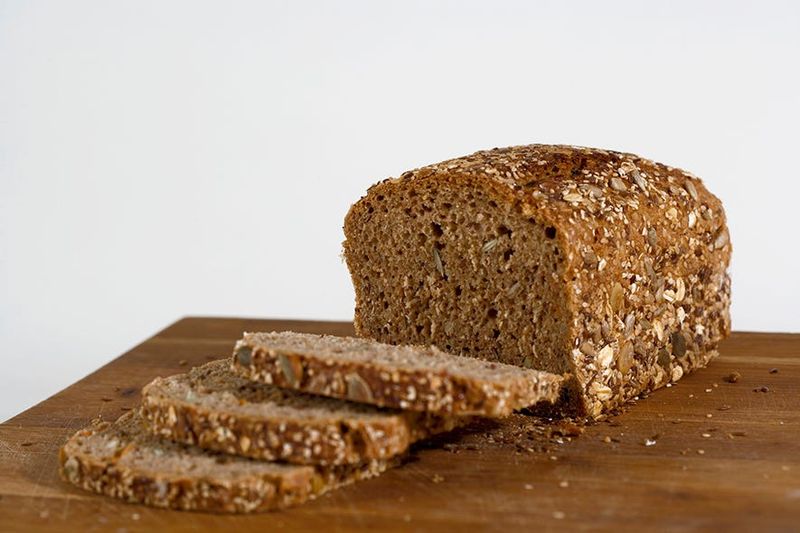
Begin gradually by swapping white bread for wholegrain varieties and replacing sugary snacks with fresh fruit. Small changes feel less overwhelming and stick better long-term.
Plan your weekly meals around colourful vegetables, lean proteins, and healthy fats. Keep a food diary to track how different foods affect your energy and mood.
Stock your pantry with anti-inflammatory staples like olive oil, nuts, and spices to make healthy cooking easier and more convenient.
Top Fruits For An Anti-Inflammatory Diet
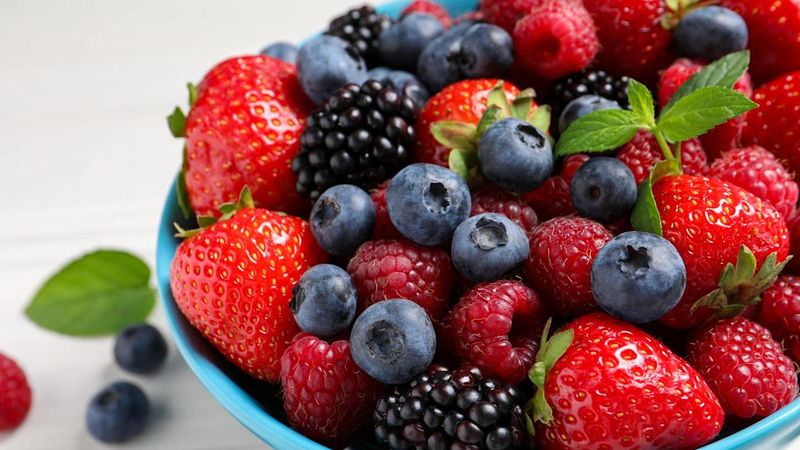
Berries pack the biggest anti-inflammatory punch thanks to anthocyanins, the compounds that give them their deep colours. Blueberries, strawberries, and blackberries fight inflammation whilst satisfying your sweet tooth naturally.
Cherries contain natural compounds that reduce muscle soreness and joint pain. Oranges and other citrus fruits provide vitamin C, which supports immune function.
Add these fruits to breakfast cereals, smoothies, or enjoy them as healthy afternoon snacks.
Best Vegetables For Reducing Inflammation
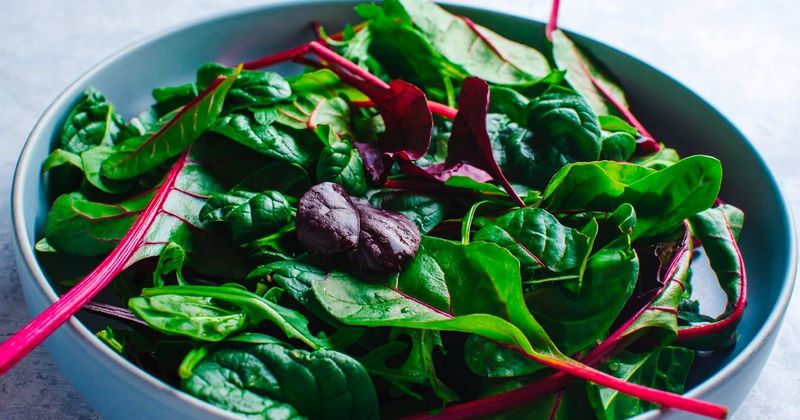
Leafy greens like spinach and kale contain powerful antioxidants that neutralise harmful free radicals in your body. These vegetables also provide folate and vitamin K for bone health.
Broccoli and Brussels sprouts belong to the cruciferous family, known for their cancer-fighting properties. Sweet potatoes offer beta-carotene, which your body converts to vitamin A.
Aim for at least five different coloured vegetables daily to maximise your anti-inflammatory benefits and nutritional variety.
Anti-Inflammatory Grains You Should Try
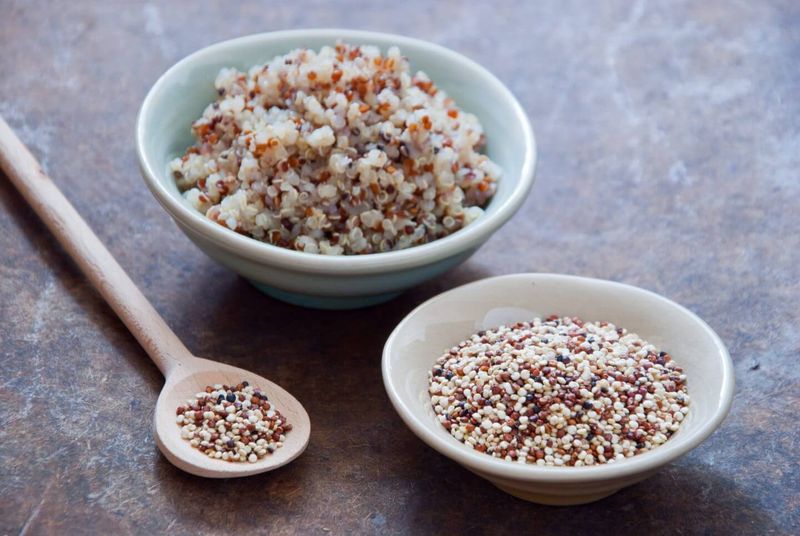
Quinoa stands out as a complete protein containing all essential amino acids your body needs. This ancient grain also provides fibre that supports digestive health and helps control blood sugar levels.
Brown rice and oats offer sustained energy without causing inflammatory spikes. Steel-cut oats particularly shine for breakfast, keeping you satisfied for hours.
Replace refined white grains with these wholesome alternatives to reduce inflammation and improve overall nutrition in your daily meals.
Healthy Fats That Fight Inflammation
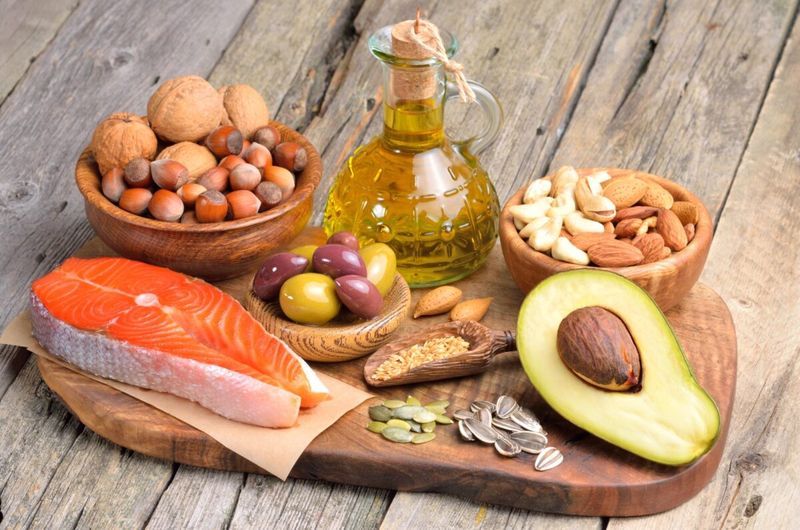
Omega-3 fatty acids found in salmon, mackerel, and sardines actively reduce inflammation throughout your body. These essential fats also support brain health and may improve mood disorders.
Extra virgin olive oil contains oleic acid and antioxidants that protect against heart disease. Avocados provide monounsaturated fats that help your body absorb fat-soluble vitamins.
Nuts and seeds offer portable sources of healthy fats perfect for snacking or adding crunch to salads and yoghurt.
Spices And Herbs To Include In Your Anti-Inflammatory Diet
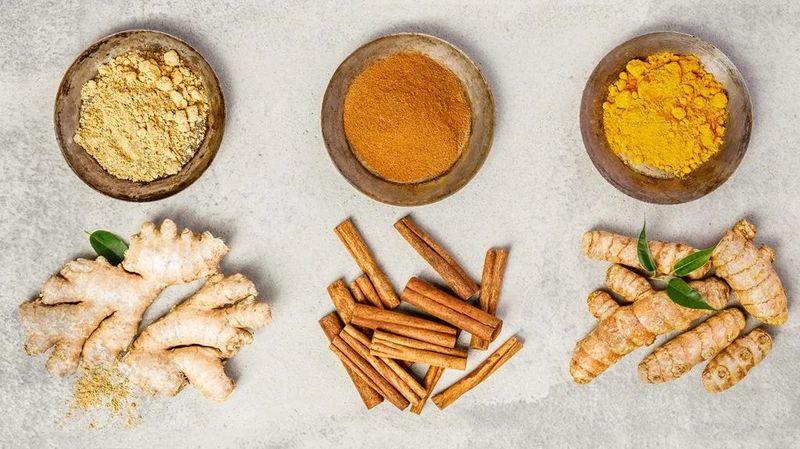
Turmeric contains curcumin, one of nature's most potent anti-inflammatory compounds. Add black pepper to enhance absorption and maximise its healing benefits in curries and smoothies.
Ginger soothes digestive issues whilst reducing muscle pain and stiffness. Fresh garlic provides allicin, which supports immune function and cardiovascular health naturally.
Cinnamon helps regulate blood sugar levels, making it perfect for sprinkling on oatmeal or adding to healthy baked goods and warm beverages.
Anti-Inflammatory Protein Sources To Consider
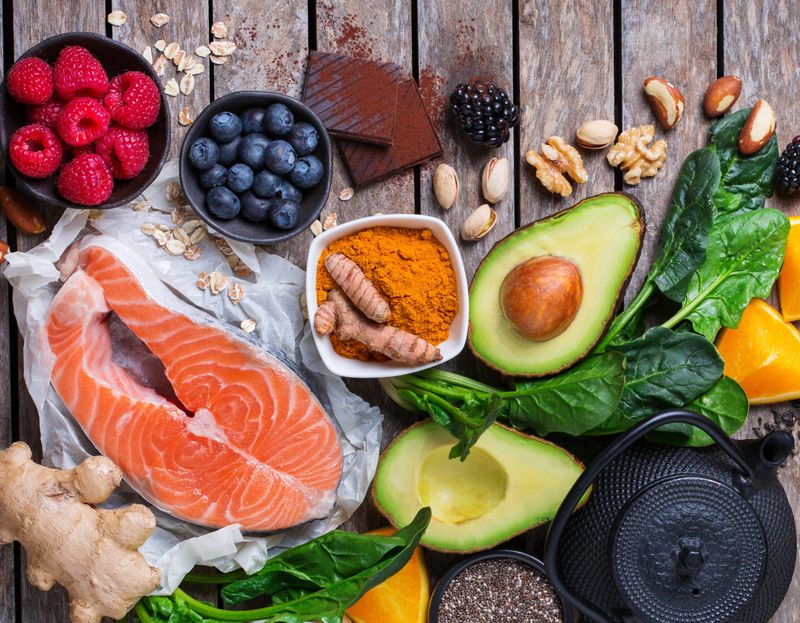
Fatty fish like salmon and mackerel provide high-quality protein plus inflammation-fighting omega-3 fatty acids. Wild-caught varieties typically contain fewer contaminants than farmed alternatives.
Plant-based proteins such as lentils, chickpeas, and black beans offer fibre alongside protein. These legumes support gut health and help maintain steady blood sugar levels.
Lean poultry and eggs from pasture-raised animals provide complete proteins without the inflammatory effects associated with processed meats and excessive red meat consumption.