










Plant-based meat has quickly moved from a niche trend to a mainstream staple, now found in supermarkets, cafés, and takeaways across the UK. Promising the taste and texture of meat without the environmental impact, these products have sparked huge debate about what’s really inside them and how they measure up nutritionally.
Whether you’re vegan, flexitarian, or simply cutting back on meat, understanding the truth behind plant-based alternatives can help you make more informed choices about what ends up on your plate.
This article is for general informational purposes only and is not intended as dietary or medical advice. Nutritional values and ingredients may vary between brands. Always check product labels and consult a qualified health professional if needed. Photos are for illustrative purposes only.
What Plant-Based Meat Is Really Made Of
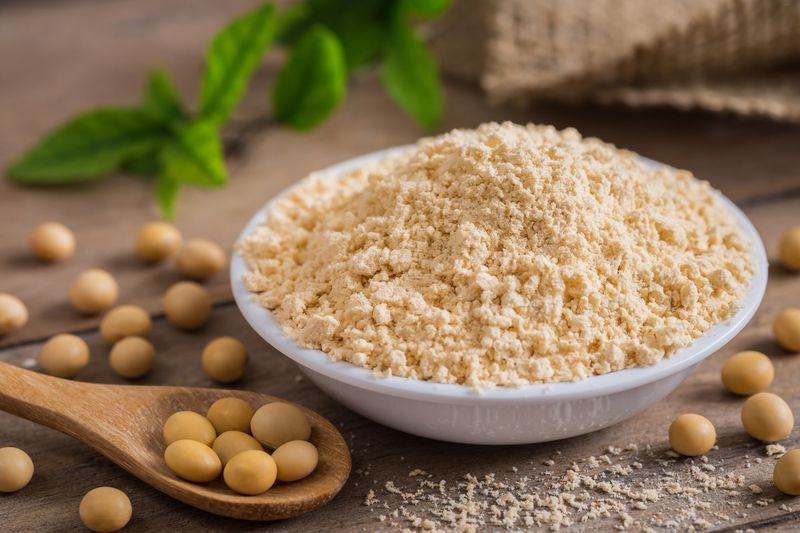
Ever wondered what goes into creating that burger patty that bleeds like beef but comes from plants? Most plant-based meats rely on proteins extracted from peas, soy, or wheat to form their base. These proteins are then mixed with oils (usually coconut or sunflower), binders like methylcellulose, and flavourings to mimic the taste and texture of real meat.
Brands like Richmond's meat-free sausages and This Isn't Bacon use slightly different recipes, but the core ingredients remain fairly similar. Some products add beetroot juice or pomegranate powder to create that characteristic 'bleeding' effect you see in burgers.
The process involves isolating plant proteins and restructuring them to resemble muscle fibres, which is surprisingly complex chemistry for something marketed as 'natural.'
How It Compares To Real Meat In Nutrition
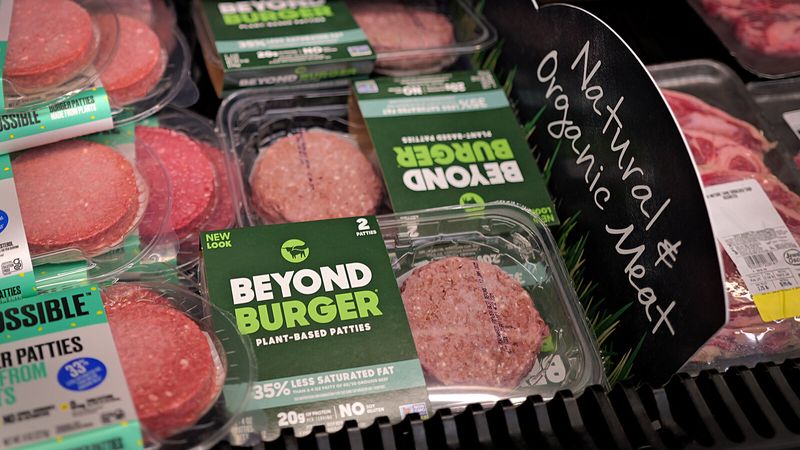
Nutritionally speaking, plant-based meats can be a bit of a mixed bag compared to their animal counterparts. They often contain similar amounts of protein per serving – a Beyond Burger has about 20g whilst a beef burger of the same size typically has 25g.
Where they differ significantly is in saturated fat and cholesterol. Plant versions generally have less saturated fat and zero cholesterol, which sounds brilliant until you realise they're often higher in sodium to compensate for flavour. A single Greggs vegan sausage roll packs nearly a third of your daily recommended salt intake.
They also lack certain nutrients found naturally in meat, like vitamin B12 and iron, though many brands fortify their products to bridge this gap.
The Environmental Impact – Is It Truly Greener?
Here's where plant-based meats genuinely shine. Research from Oxford University found that producing a plant-based burger generates about 90% fewer greenhouse gas emissions than beef. The water usage is dramatically lower too, which matters more than you might think given the UK's increasing concerns about water scarcity.
However, it's not quite as simple as 'plants good, meat bad.' The industrial processing required to create these products does have an environmental footprint. Transportation of ingredients from around the globe and the energy-intensive manufacturing process add up.
Still, even accounting for processing, most studies agree that plant-based alternatives have a considerably smaller environmental impact than conventional livestock farming, particularly when compared to beef and lamb.
Taste And Texture: How Close Does It Get To The Real Thing?
Right, let's be honest – five years ago, most meat-free alternatives tasted like seasoned cardboard. Today's versions are genuinely impressive, though they're still not quite fooling dedicated carnivores. The texture has improved massively, with products like the Impossible Burger managing to replicate that slightly springy, fibrous quality of real meat.
Where they struggle most is replicating the complex flavour profile that comes from actual animal fat and the Maillard reaction during cooking. Plant-based mince works brilliantly in a Bolognese sauce where it's surrounded by strong flavours, but a plain grilled plant burger still tastes noticeably different from beef.
That said, many people reckon they prefer the taste once they've adjusted their expectations and stopped comparing them directly to meat.
The Hidden Additives You Might Not Expect
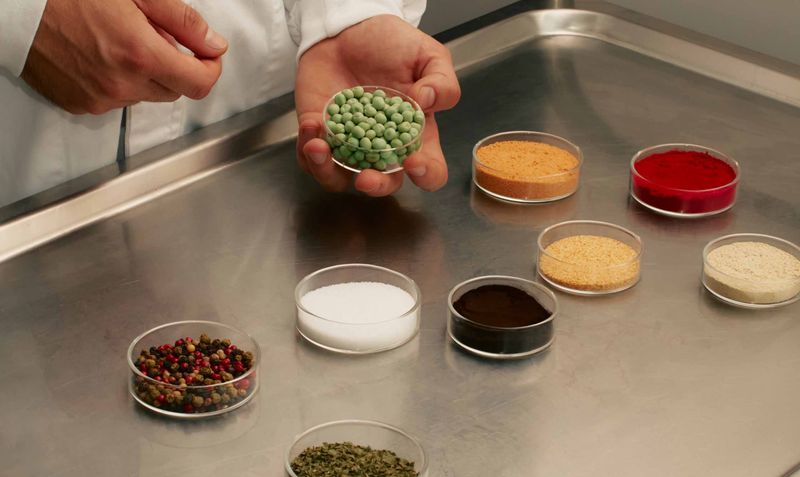
If you're choosing plant-based meat thinking you're eating something wholesome and minimally processed, you might want to check that ingredients list. Many products contain a surprisingly long roster of additives, including methylcellulose (a thickener also used in wallpaper paste), titanium dioxide for colouring, and various gums and stabilisers.
These additives aren't necessarily harmful – they're approved for consumption and serve important functions in creating the right texture and appearance.
But they do mean these products are highly processed foods, sometimes containing 20 or more ingredients compared to the single ingredient in a piece of chicken breast.
Some brands are moving towards cleaner labels with fewer additives, but currently, most mainstream options are far from the 'natural' image their marketing suggests.
Health Experts Weigh In On The Pros And Cons
Nutritionists have mixed feelings about the plant-based meat boom. Dr Federica Amati, a registered nutritionist, points out that whilst these products can help reduce meat consumption, they shouldn't be confused with whole plant foods like beans, lentils, and vegetables, which offer far more nutritional benefits.
The British Dietetic Association acknowledges they can be useful for people transitioning away from meat, providing familiar textures and flavours whilst reducing saturated fat intake. However, experts consistently warn about the high sodium content and processed nature of these foods.
The consensus seems to be that they're fine occasionally as part of a balanced diet, but relying on them as your primary protein source isn't ideal compared to eating actual plants or moderate amounts of quality meat.
What The Future Holds For Plant-Based Protein
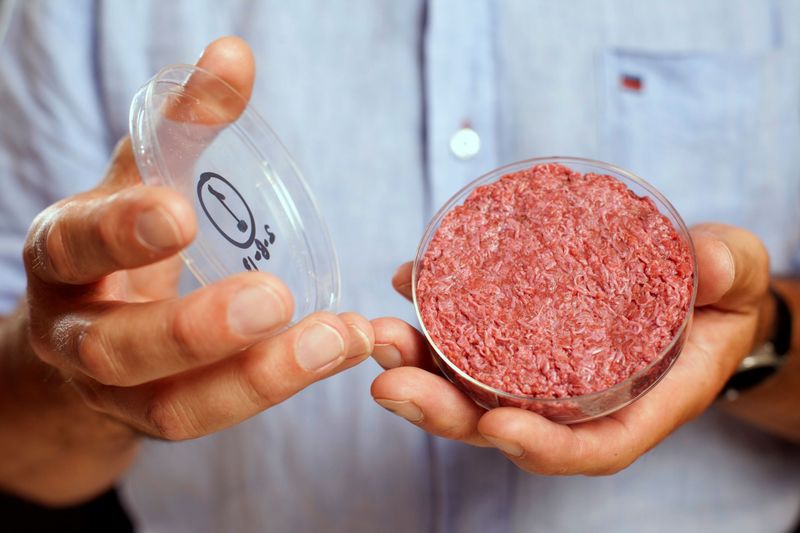
The plant-based sector is evolving rapidly, with UK companies like Meatless Farm and Squeaky Bean constantly refining their formulas to improve taste and nutrition. The next frontier isn't just better plant-based alternatives – it's cultivated meat grown from animal cells without raising or slaughtering animals.
Several British startups are working on this technology, which could be commercially available within the next few years. Meanwhile, innovations in fermentation technology are creating proteins that are molecularly identical to animal proteins but produced by microorganisms.
Supermarkets are expanding their ranges constantly, and prices are gradually dropping as production scales up. Whether you're keen or sceptical, plant-based and alternative proteins are clearly here to stay in British food culture.