













Inflammation is your body's natural way of fighting off harm, but when it sticks around too long, it can cause serious health problems like heart disease and arthritis. The good news is that what you eat can make a big difference.
Certain vegetables are packed with powerful nutrients that help calm inflammation and keep your body feeling its best. Adding more of these vegetables to your plate is one of the simplest and tastiest ways to protect your health.
1. Broccoli
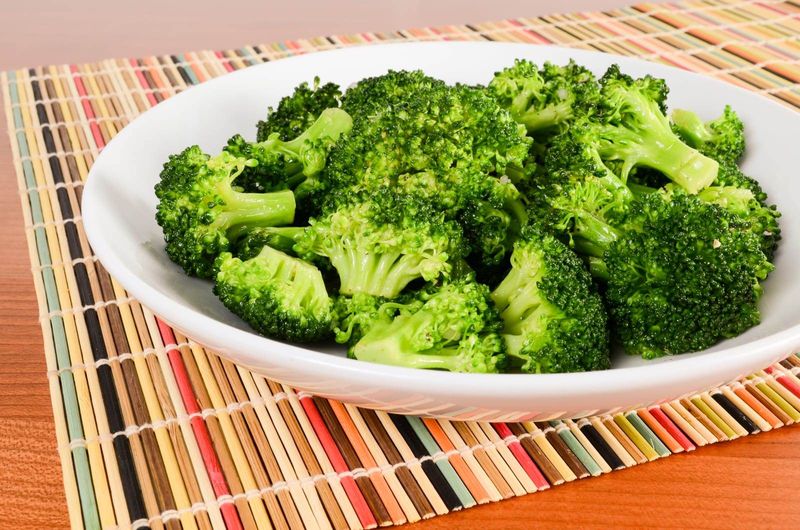
Broccoli might just be the superhero of the vegetable world. It contains a powerful compound called sulforaphane, which scientists have found can block the enzymes that trigger inflammation in the body.
Eating broccoli a few times a week may help lower your risk of chronic diseases linked to long-term inflammation. Steam it lightly to keep the most nutrients intact.
Even kids who are not big fans often enjoy it with a little hummus or cheese dip.
2. Spinach
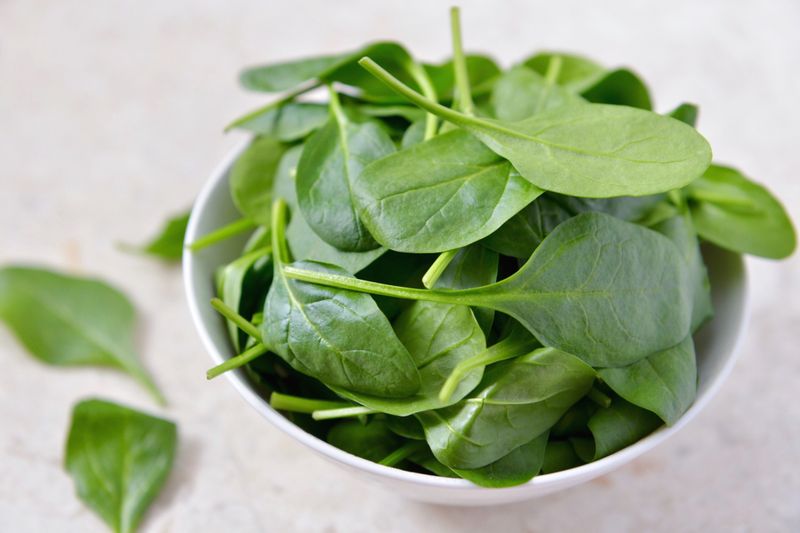
Popeye was onto something when he reached for that can of spinach. This leafy green is loaded with vitamins E and K, along with antioxidants that work hard to reduce inflammation throughout the body.
What makes spinach especially convenient is how easy it is to add anywhere. Toss it into smoothies, scrambled eggs, or pasta and you will barely notice it is there.
Regular spinach eaters often report feeling more energetic and less sluggish over time.
3. Kale
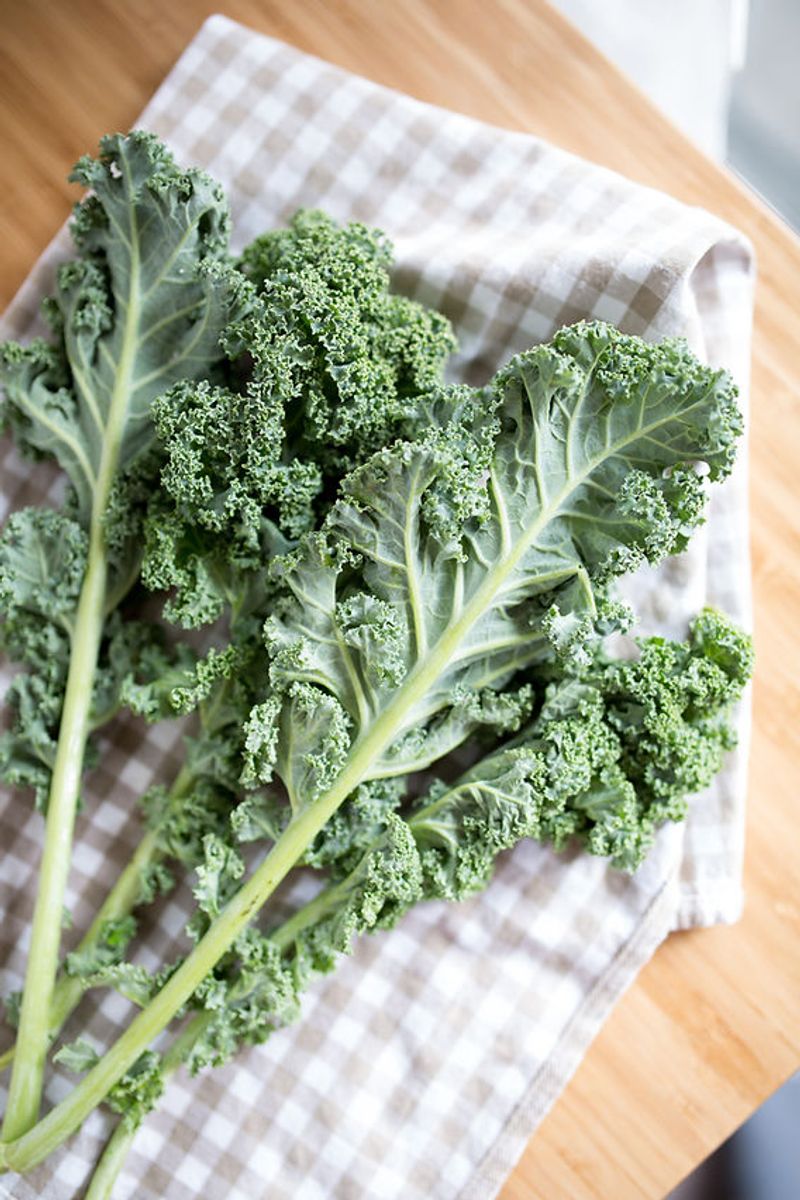
Few vegetables have earned as much buzz in the health world as kale, and for good reason. Packed with quercetin and kaempferol, two flavonoids with strong anti-inflammatory properties, kale is a nutritional powerhouse that supports overall wellness.
Massaging raw kale with a little olive oil softens it and makes it much more enjoyable to eat. You can also bake it into crispy chips for a snack that actually does your body a favor.
Try adding it to soups for a hearty boost.
4. Beets
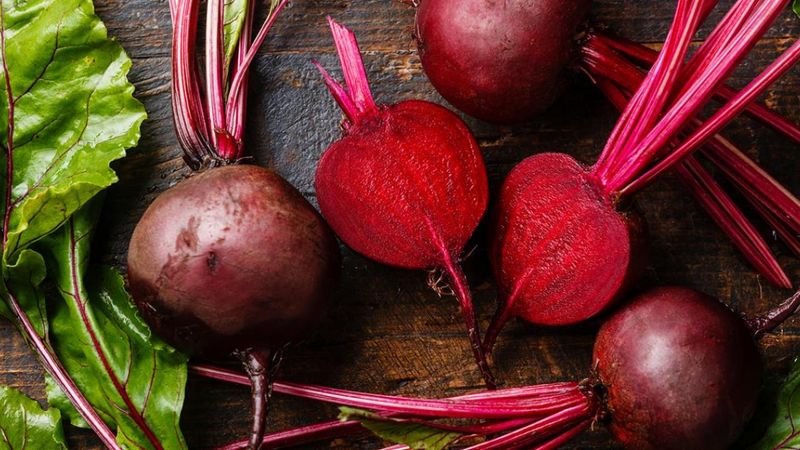
Beets have a naturally sweet, earthy flavor that surprises many people who try them for the first time. They get their deep red color from betalains, a group of pigments that double as powerful anti-inflammatory agents.
Research suggests that beet juice can even help lower blood pressure and reduce oxidative stress. Roasted beets are delicious on salads, and pickled beets make a tangy, colorful side dish.
Their benefits extend well beyond just looking pretty on your plate.
5. Red Bell Peppers
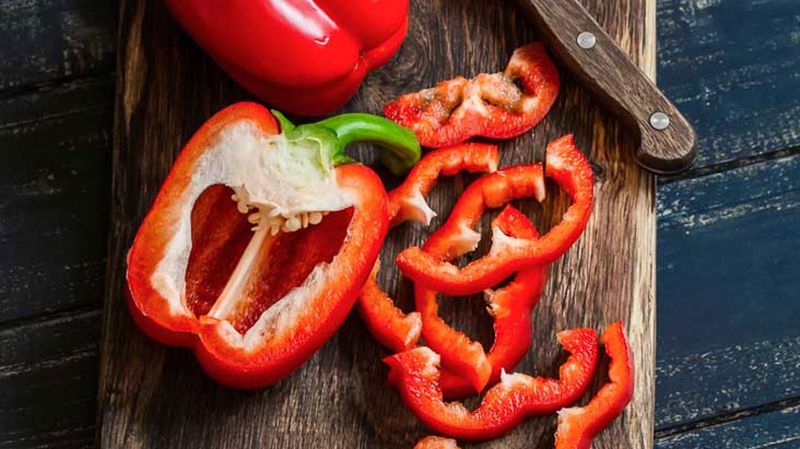
Colorful, crunchy, and naturally sweet, red bell peppers are one of the most enjoyable anti-inflammatory vegetables you can eat. They are bursting with vitamin C, which helps neutralize free radicals that contribute to inflammation.
Red bell peppers actually contain more vitamin C than oranges, which is a fun fact most people do not expect. Slice them raw for snacking, roast them for a smoky flavor, or stuff them with quinoa and beans for a filling, nutritious meal the whole family can enjoy.
6. Garlic
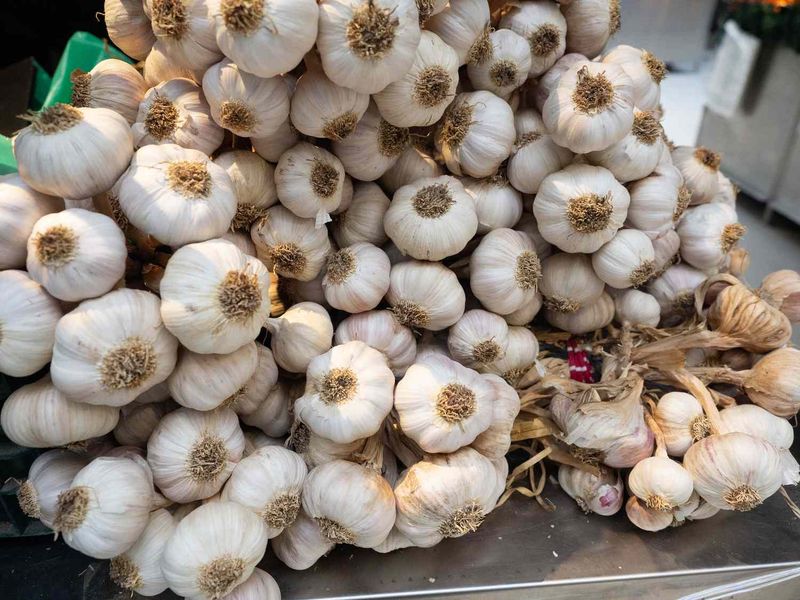
Garlic has been used as a natural remedy for thousands of years, and modern science backs up much of that ancient wisdom. The compound allicin, released when garlic is crushed or chopped, has proven anti-inflammatory and immune-boosting effects.
Even small amounts of garlic added regularly to your meals can make a meaningful difference in how your body handles inflammation. Saute it in olive oil as a base for sauces, soups, and stir-fries.
Raw garlic is even more potent if you can handle the bold flavor.
7. Turmeric (Fresh Root)
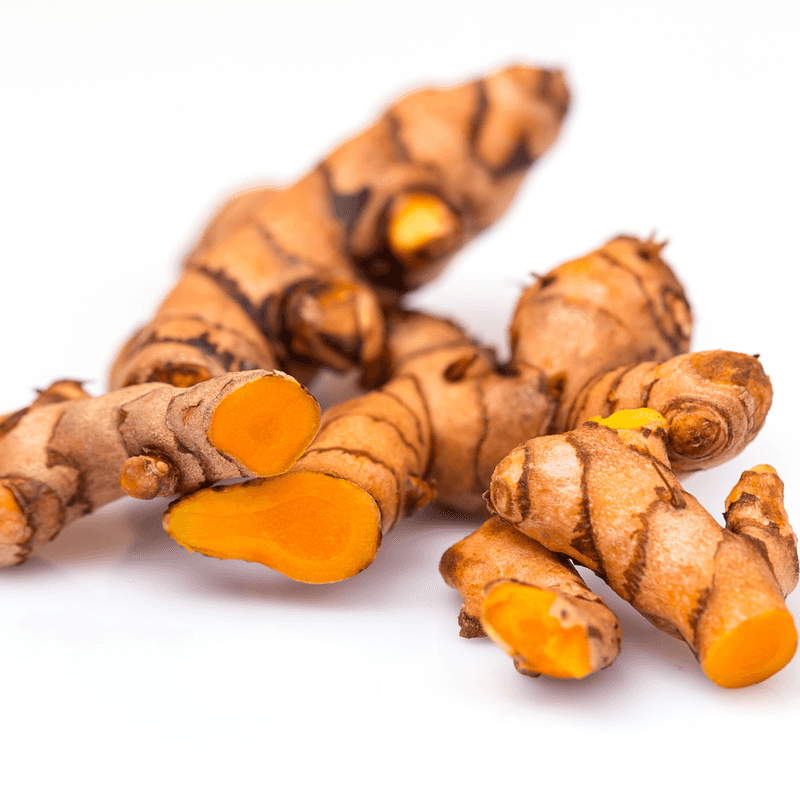
Most people know turmeric as a golden spice, but the fresh root form is equally impressive and worth seeking out at specialty grocery stores. Curcumin, the active compound in turmeric, is one of the most studied natural anti-inflammatory substances on the planet.
Using fresh turmeric root in cooking gives a slightly milder, earthier flavor compared to the dried powder. Grate it into soups, teas, or rice dishes for an easy upgrade.
Pairing it with black pepper dramatically improves how well your body absorbs curcumin.
8. Cauliflower
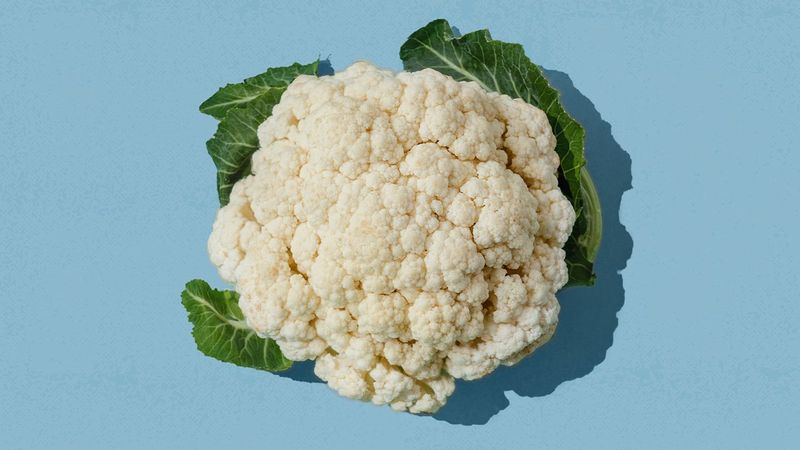
Cauliflower may look plain, but do not let its simple appearance fool you. This versatile vegetable is rich in glucosinolates and isothiocyanates, compounds that help the body fight inflammation at the cellular level.
It also contains vitamin C and a range of antioxidants that support immune health. Roasting cauliflower until the edges turn golden brings out a nutty, almost caramel-like sweetness that makes it hard to resist.
Mashed cauliflower is also a popular low-carb alternative to mashed potatoes that tastes surprisingly satisfying.
9. Brussels Sprouts
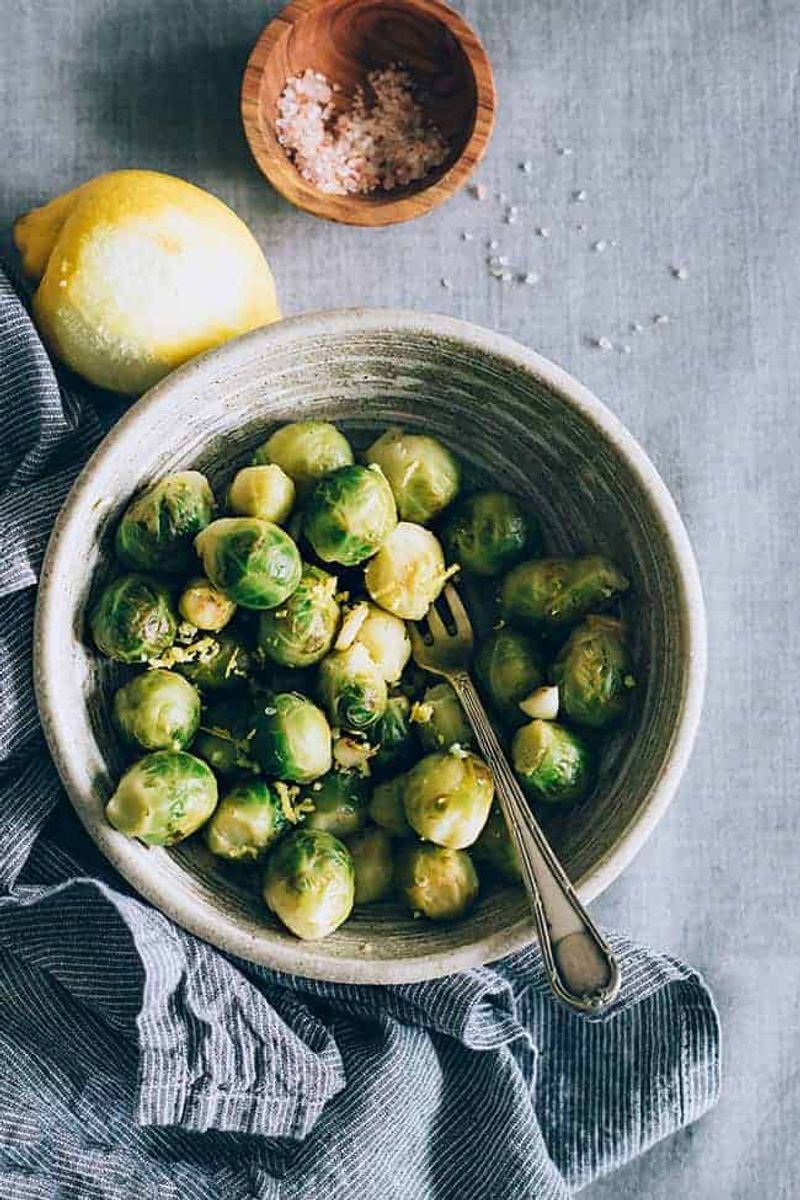
Brussels sprouts have had a reputation problem for years, but roasted properly, they become caramelized, crispy little gems that even skeptics enjoy. They belong to the same cruciferous family as broccoli and contain similar inflammation-fighting compounds.
High in vitamins K and C, they support both bone health and immune defense while helping to calm chronic inflammation. Toss them with olive oil, salt, and a squeeze of lemon before roasting.
Adding a drizzle of balsamic glaze takes them to a completely different level of deliciousness.
10. Sweet Potatoes
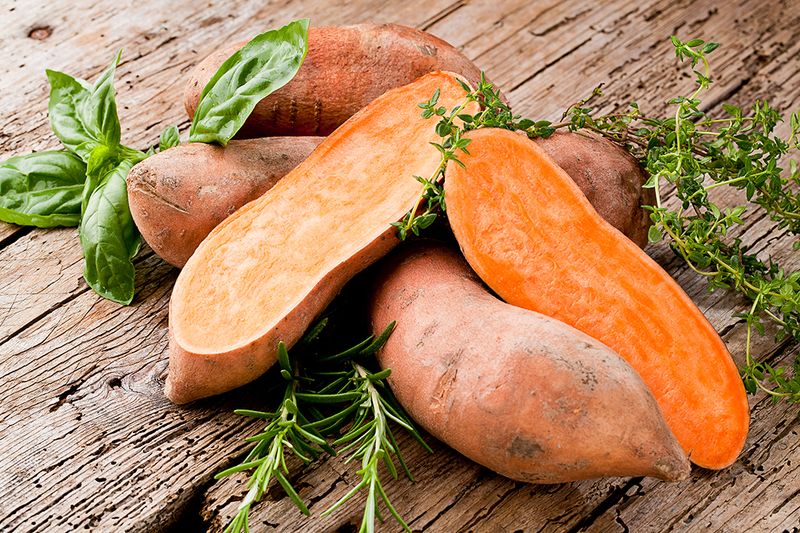
Sweet potatoes bring a natural warmth and sweetness to any meal, and they happen to be one of the best anti-inflammatory foods you can eat. Their orange flesh is rich in beta-carotene, an antioxidant that the body converts into vitamin A to fight inflammation.
They are also high in fiber, which supports a healthy gut, and a well-balanced gut is closely linked to lower levels of inflammation throughout the body. Bake, roast, or mash them for a comforting and deeply nourishing side dish any time of year.
11. Bok Choy
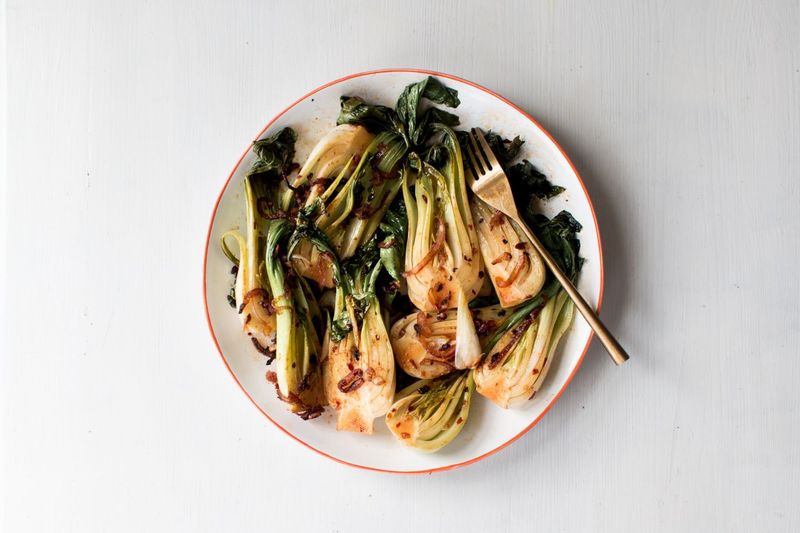
Popular in Asian cooking, bok choy is a mild, slightly crunchy vegetable that deserves a spot in more kitchens around the world. It is rich in over 70 antioxidant phenolic substances that help protect the body from inflammation-related damage.
Bok choy is also an excellent source of vitamins A, C, and K. Stir-fry it quickly over high heat with garlic and sesame oil for a simple, restaurant-quality side dish.
Its tender leaves cook faster than the stalks, so add them at the very end.
12. Cabbage
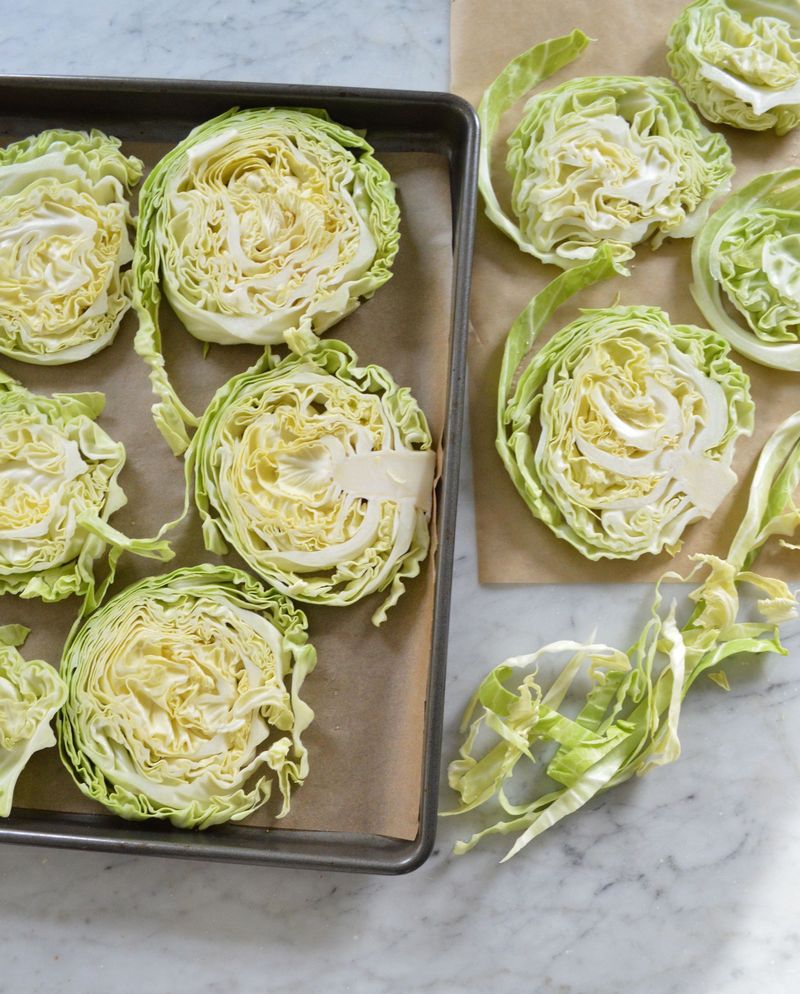
Cabbage is one of those humble, affordable vegetables that quietly delivers impressive health benefits. It contains anthocyanins, especially in the purple variety, which are plant pigments known to reduce inflammatory markers in the blood.
Fermented cabbage, like sauerkraut and kimchi, takes those benefits even further by adding gut-friendly probiotics to the mix. A healthy gut microbiome plays a major role in keeping systemic inflammation in check.
Whether raw in coleslaw or slow-cooked in soups, cabbage is a budget-friendly way to eat smarter.
13. Asparagus
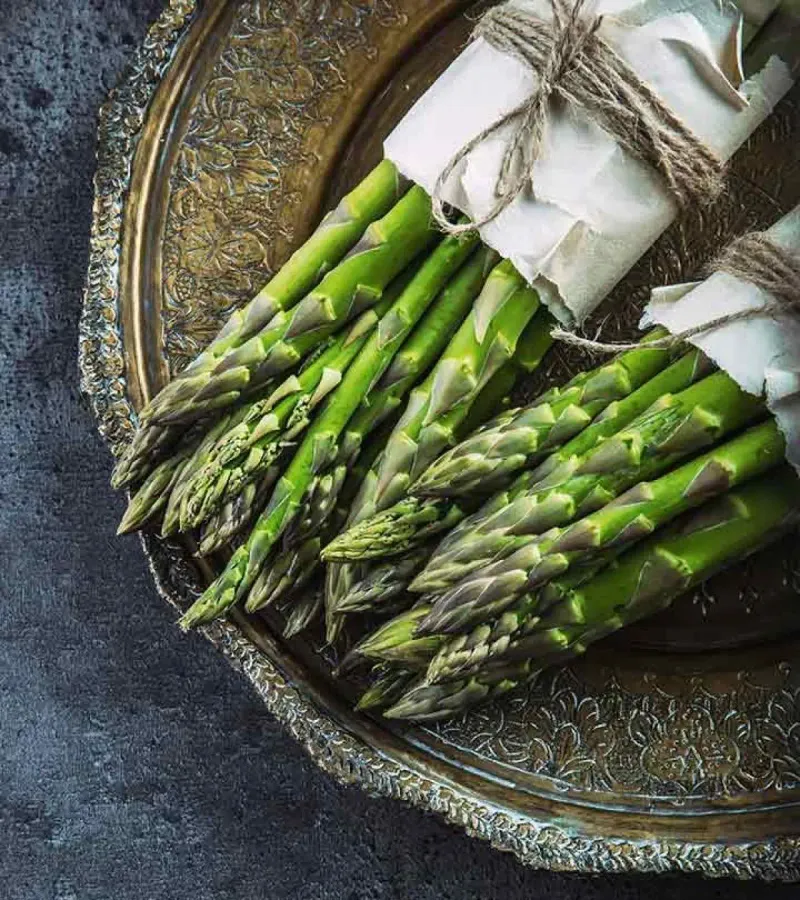
Asparagus has a distinctive flavor and a long history as a prized vegetable in many cultures. It is rich in saponins, which are natural compounds that have been shown to have anti-inflammatory and even anti-cancer properties in laboratory studies.
Asparagus also feeds the beneficial bacteria in your gut thanks to its high inulin content, a type of prebiotic fiber. Roast the spears with olive oil and garlic for about fifteen minutes and you get a side dish that is both impressive and incredibly nourishing for your whole body.
14. Tomatoes
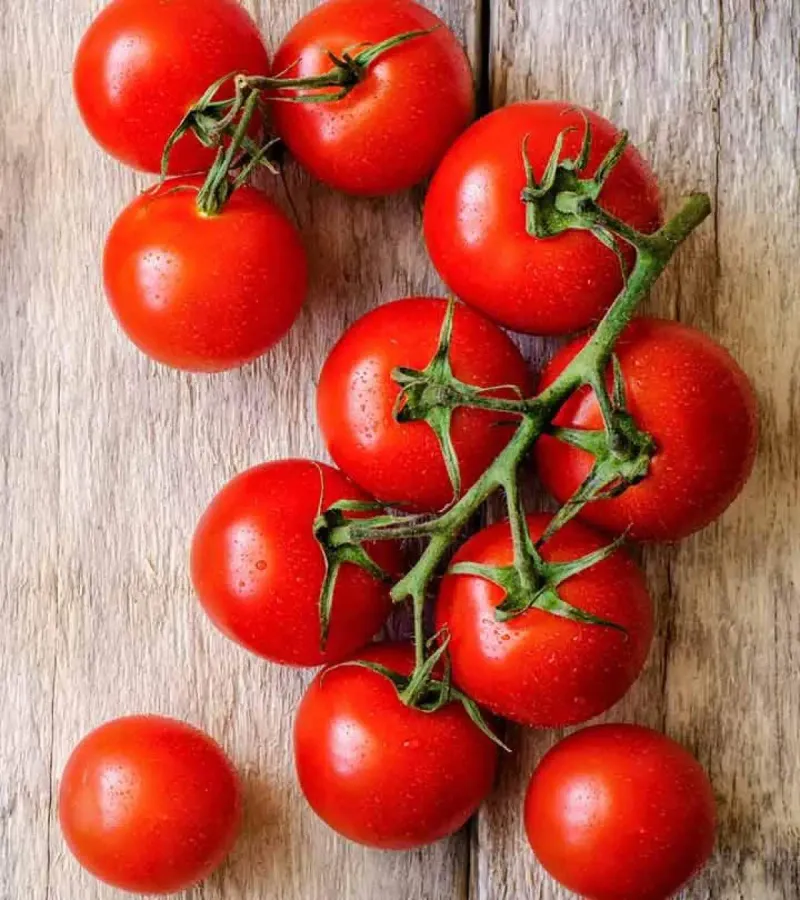
Technically a fruit by botanical definition, tomatoes earn a well-deserved spot on any anti-inflammatory vegetable list because of how they are used in everyday cooking. They are one of the richest dietary sources of lycopene, an antioxidant strongly linked to reduced inflammation and lower risk of heart disease.
Cooked tomatoes actually release more lycopene than raw ones, so tomato sauce, roasted tomatoes, and soups are especially beneficial. Adding a little olive oil when cooking tomatoes helps your body absorb lycopene even more effectively.
15. Swiss Chard
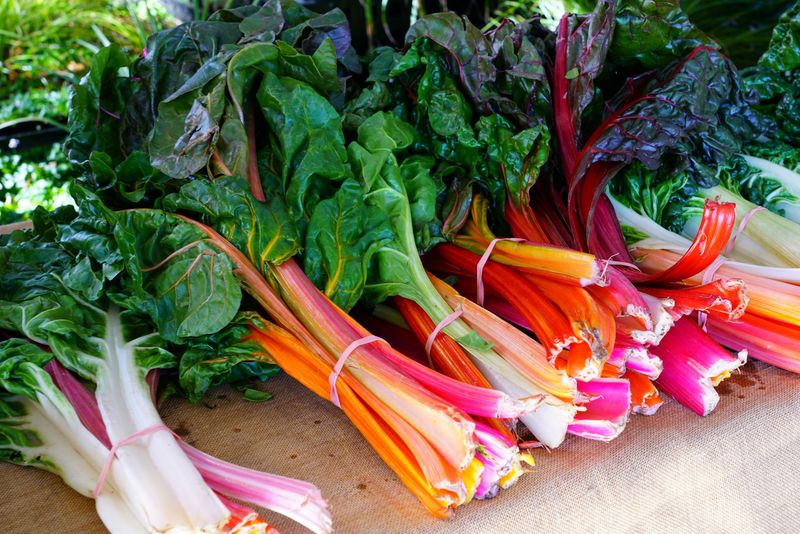
Swiss chard might be the most underappreciated leafy green in the produce aisle. Its brilliantly colored stalks hint at the wide range of antioxidants packed inside, including betalains and kaempferol, both well-known for their ability to reduce inflammation.
It is also loaded with magnesium, a mineral that many people do not get enough of and that plays a key role in regulating inflammatory responses. Saute it with garlic and a pinch of red pepper flakes for a quick, vibrant side dish that is ready in under ten minutes.




Comments
No Comments