








Ever puckered your lips at something incredibly sour? The world is full of foods that can make your face scrunch up and your taste buds tingle with their tartness.
From everyday citrus fruits to exotic treats, these foods pack a powerful sour punch that some people absolutely love while others can barely handle. Ready to explore some of the most mouth-puckeringly tart foods our planet has to offer?
This article is for general food inspiration only. Taste, preparation, and availability of ingredients may vary by region and personal preference.
1. Lemons
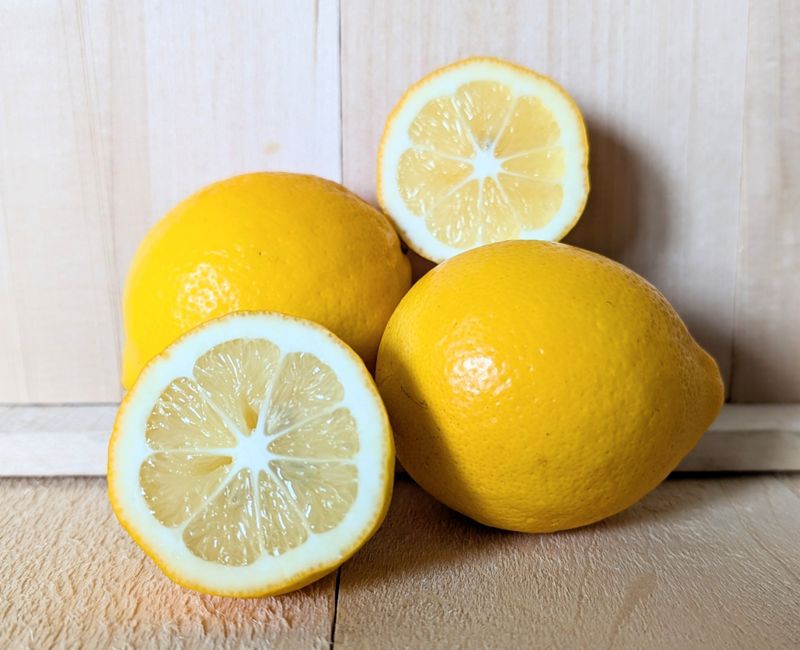
The undisputed king of tartness, lemons contain citric acid that immediately makes your mouth water. Just one bite of the raw flesh can send your taste buds into shock!
Ancient Romans believed lemons could neutralize poison, while sailors carried them on voyages to prevent scurvy. Today, we squeeze them into drinks, desserts, and dishes for that unmistakable zingy flavor.
2. Limes
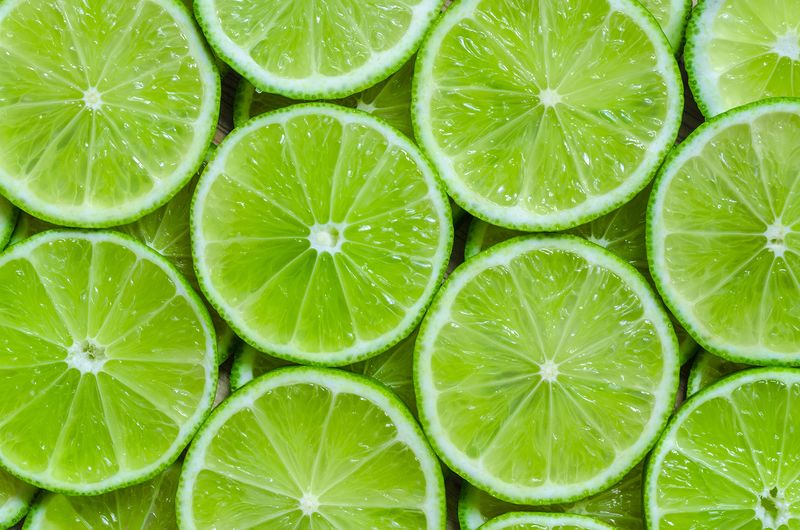
Limes deliver an intense sour kick that can make your eyes water. Their bright, distinctive flavor is essential in cuisines worldwide.
British sailors were nicknamed "limeys" because they consumed limes to prevent scurvy during long sea journeys. From Mexican dishes to Thai curries, this green gem adds both tartness and depth to countless recipes.
3. Cranberries
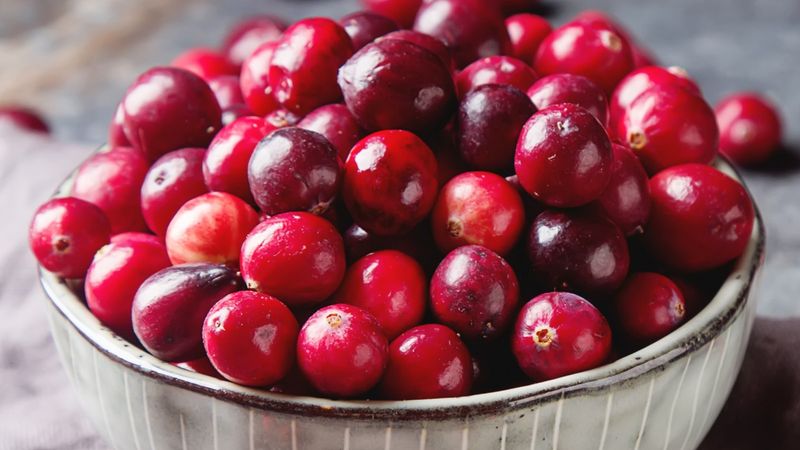
These ruby-red berries are so intensely tart that they're rarely eaten raw. Native to North America, cranberries float in water due to tiny air pockets inside them – a unique harvesting advantage.
Beyond their Thanksgiving sauce fame, cranberries boast powerful antioxidants and compounds that help prevent urinary tract infections. Their bold tartness cuts through sweetness, making them perfect for balancing flavors in desserts and drinks.
4. Tamarind
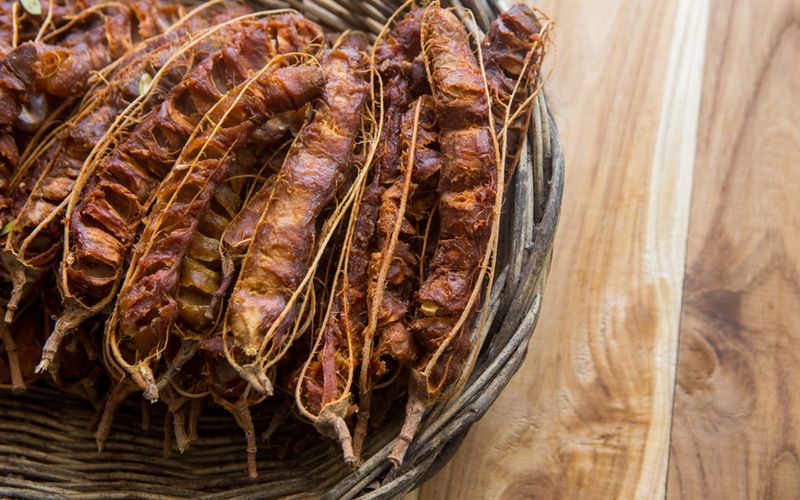
Inside its long brown pods, tamarind hides a sticky pulp that’s famous for its tangy-sweet flavour. It’s used across Asia, Latin America, and the Middle East in everything from curries to chutneys and even candies.
The sharp taste comes from tartaric acid, which gives it that punchy sourness different from most citrus fruits. Add it to sauces or marinades and it instantly lifts the flavour with a tropical twist.
5. Rhubarb
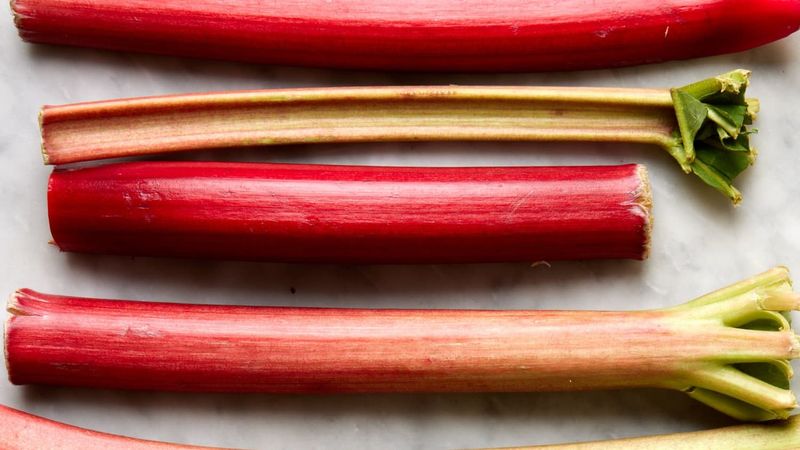
With its crimson stalks and green leaves, rhubarb delivers an eye-watering tartness that few can tolerate without sugar. Only the stalks are edible – the leaves contain dangerous levels of oxalic acid.
Once used medicinally in ancient China, rhubarb found its modern calling in pies and preserves. Its unique tartness comes from a combination of malic and oxalic acids, creating a complex sour flavor that pairs beautifully with strawberries.
6. Gooseberries
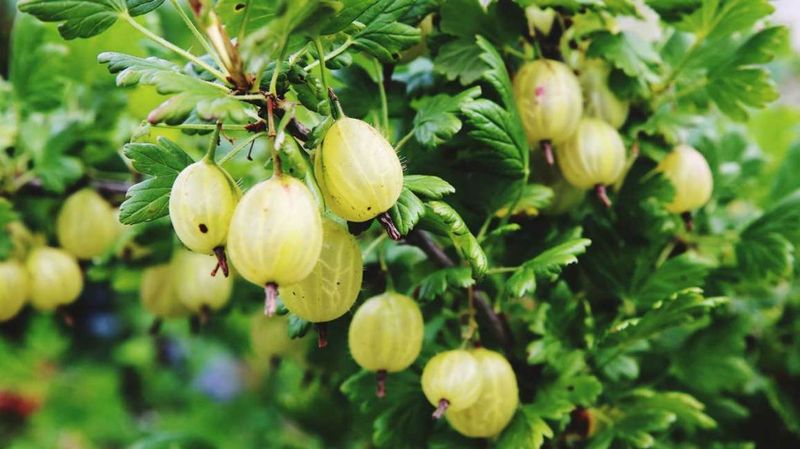
Gooseberries may look delicate, but one bite tells you they’ve got serious tart power. Depending on how ripe they are, the flavour ranges from eye-squeezing sour to gently tangy with a touch of sweetness. These little berries are packed with vitamin C and have long been favourites in British gardens.
Whether you cook them down into jam or stir them into a classic gooseberry fool, their zingy taste makes them a true standout.
7. Passion Fruit
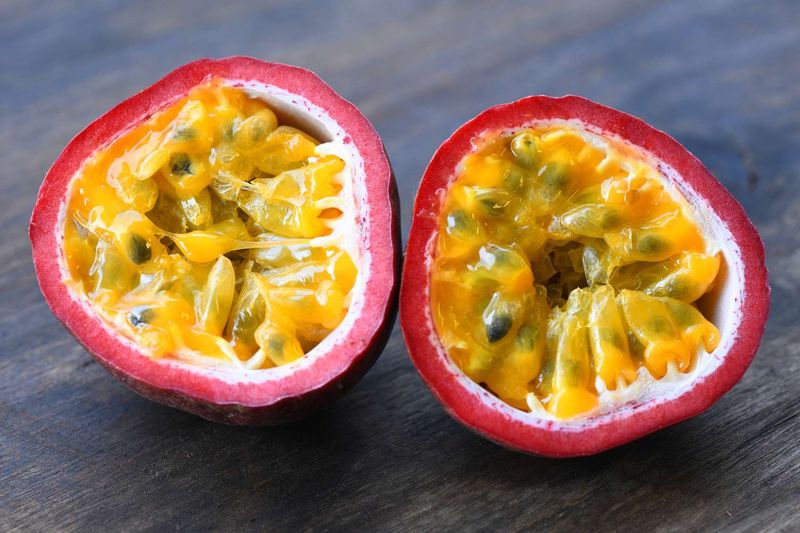
Beneath its wrinkled purple exterior lies a treasure trove of golden, seed-filled pulp with an intense tropical tartness. The contrast between its sweet aroma and sour taste creates a fascinating sensory experience.
Passion fruit contains edible seeds surrounded by juicy, aromatic sacs. Popular in Brazilian, Hawaiian, and Australian cuisine, its unique tartness comes from citric acid. The more wrinkled the skin, the riper and more flavorful the fruit!
8. Kumquats
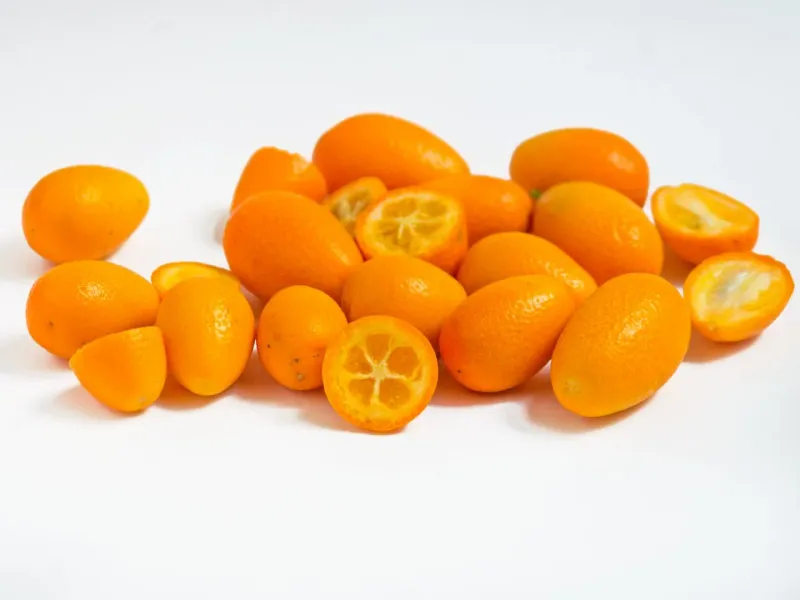
These tiny citrus fruits flip the script – their skin is sweet while their flesh delivers a powerful tart punch. Unlike other citrus, kumquats are eaten whole, creating a sweet-sour flavor explosion.
Originally from China, kumquats have been cultivated for over 800 years. Their name derives from Cantonese words meaning "golden orange." The contrast between the sweet peel and tart center makes them a unique snacking experience and wonderful addition to marmalades.
9. Grapefruit
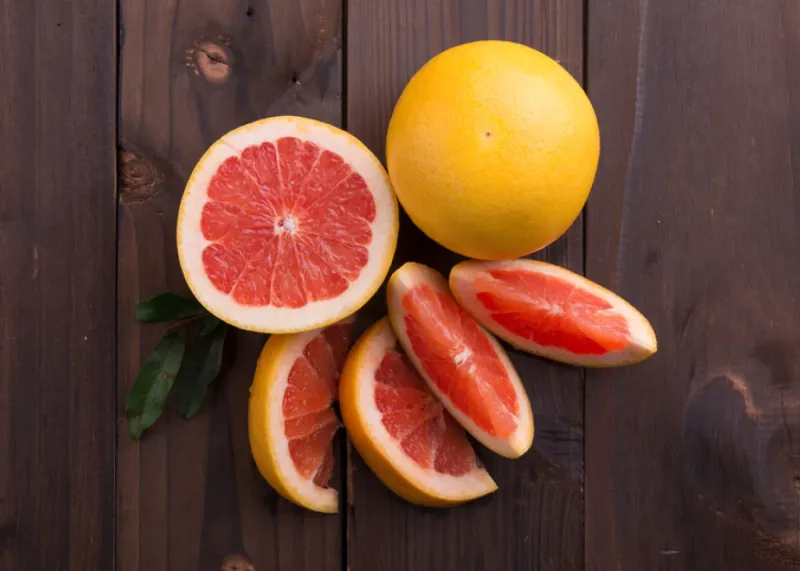
The heavyweight champion of breakfast tartness, grapefruit combines bitter and sour notes in a juicy package. Its distinctive flavor comes from a combination of acids and unique compounds called furanocoumarins.
Discovered in Barbados as a natural hybrid, grapefruits earned their name from growing in grape-like clusters. They're packed with vitamin C and contain naringin, which gives them their characteristic tartness. Pink varieties offer a slightly sweeter profile than their yellow counterparts.