











It’s hard to imagine Christmas without the red-and-white candy cane, yet this festive favourite started as something far simpler.
What began as a plain sugar stick centuries ago has transformed into one of the most recognisable symbols of the season.
Its journey weaves through tales of faith, tradition, and sweet innovation, showing how a simple treat became a global holiday staple.
From early European origins to its colourful modern versions, the candy cane’s story is every bit as charming as its flavour.
This article is for general interest and festive inspiration only.
Traditions and origins may vary depending on region and interpretation.
Photos are for illustrative purposes only.
How A Simple Sugar Stick Became A Christmas Classic

Back in 1670, a clever choirmaster at Cologne Cathedral had a brilliant idea to stop fidgety children from disrupting Christmas services.
He handed out white sugar sticks bent into the shape of shepherds' crooks, serving as both a distraction and a gentle reminder of the shepherds who visited baby Jesus.
Pretty genius, right?
What started as a practical solution to noisy kids slowly transformed into a beloved Christmas tradition that spread across Europe and eventually the entire world.
The Hidden Meaning Behind The Candy Cane's Colours

Those cheerful red and white stripes aren't just for show.
Many believe the white represents purity and the sinless nature of Christ, whilst the red stripes symbolise his sacrifice and blood.
The peppermint flavour itself has religious ties, echoing the hyssop plant used in biblical purification rituals.
Whether you see it as a sweet treat or a symbol of faith, there's no denying the candy cane packs quite a bit of meaning into its simple design.
From Choirs To Christmas Trees – The Candy Cane's Early Days

Candy canes didn't just stay in churches for long.
In 1847, a German-Swedish immigrant named August Imgard brought the tradition to Wooster, Ohio, decorating his Christmas tree with the bent sugar sticks.
This was one of the first recorded instances of candy canes adorning trees in America, and the idea caught on like wildfire.
Soon enough, families across the country were hanging these sweet decorations, blending European customs with American holiday spirit.
Why The Candy Cane's Shape Isn't Just Decorative

Turn a candy cane upside down and what do you get?
The letter J, which some say stands for Jesus.
The crook shape also represents the staff carried by shepherds, linking back to those who witnessed Christ's birth.
It's a design that's both practical for hanging on tree branches and rich with symbolic meaning.
Even if you're not religious, you've got to admit it's a rather clever bit of confectionery design that's stood the test of time.
How Candy Canes Became A Symbol Of Holiday Cheer

By the early 1900s, Christmas cards were featuring striped candy canes, cementing their place in holiday imagery.
Their cheerful appearance, sweet taste, and festive colours made them perfect for spreading Christmas joy.
Families started using them not just as decorations but as stocking stuffers and party favours, weaving them into the very fabric of holiday celebrations.
The candy cane had officially transformed from a church novelty into a universal symbol of Christmas merriment and goodwill.
The Role Of American Confectioners In Popularising The Treat
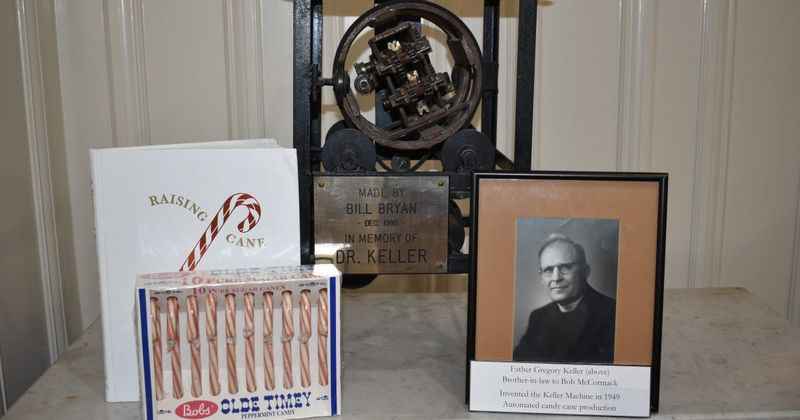
Bob McCormack of Albany, Georgia, changed everything in the 1950s when he started mass-producing candy canes.
His brother-in-law, Father Gregory Keller, invented a machine that could automatically bend the sticks, making large-scale production possible for the first time.
Before this, candy canes were painstakingly handmade, limiting their availability.
Thanks to American ingenuity and a bit of mechanical wizardry, candy canes became affordable and accessible to families everywhere, skyrocketing in popularity across the globe.
Modern Twists On The Traditional Candy Cane

Today's candy canes come in wild flavours you'd never expect.
Fancy pickle-flavoured?
How about bacon, bubble gum, or even wasabi?
Modern confectioners have taken the classic design and run with it, creating rainbow versions, chocolate-dipped varieties, and even sugar-free options for health-conscious sweet lovers.
Whilst purists might stick with traditional peppermint, these quirky alternatives show how a centuries-old treat can stay relevant and exciting for new generations of candy enthusiasts.
Why The Red-And-White Stripe Still Defines Christmas Sweets Today
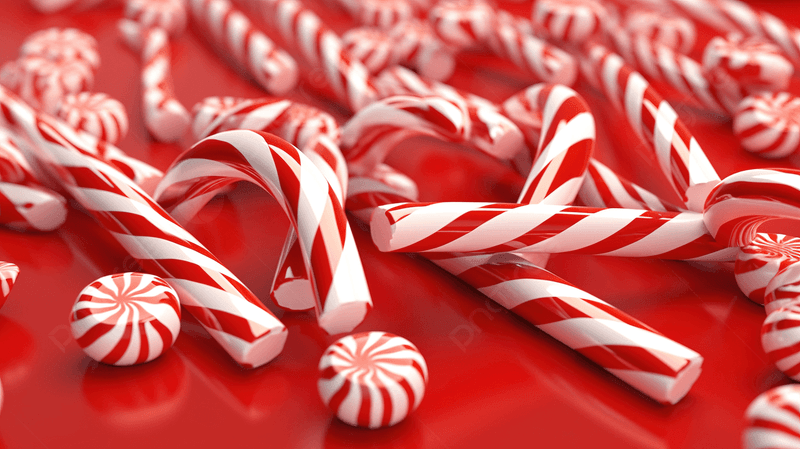
Despite all the modern variations, the classic red-and-white striped candy cane remains the undisputed king of Christmas confectionery.
Its instantly recognisable design triggers warm memories and nostalgic feelings, connecting us to generations past.
Whether dangling from trees, tucked in stockings, or crushed atop hot chocolate, it's simply irreplaceable.
Some traditions just refuse to fade, and the candy cane's enduring appeal proves that sometimes the simplest pleasures truly are the sweetest ones of all.