







Few festive treats tell a story quite like gingerbread – a spiced, fragrant classic that has travelled from ancient remedies to Christmas centrepieces.
Its journey spans centuries of trade, tradition, and creativity, evolving from a simple honey-and-ginger mixture into the intricate houses and biscuits we decorate today.
Warm, nostalgic, and unmistakably festive, gingerbread remains one of Britain’s most beloved holiday traditions – proof that some flavours truly stand the test of time.
All information is provided for general interest only.
Historical details and traditions may vary by region.
Photos are for illustrative purposes only.
From Ancient Remedies To Spiced Sweets
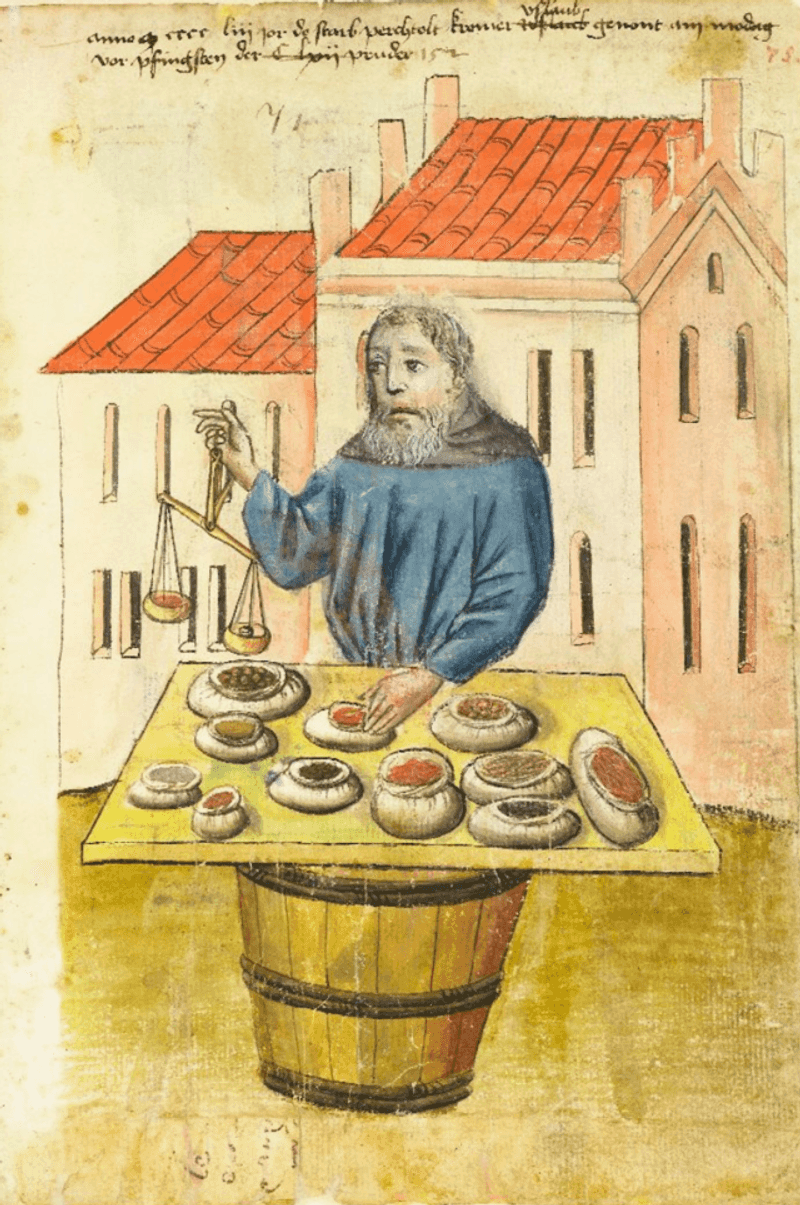
Long before gingerbread became a Christmas classic, ginger itself was treasured as medicine in ancient China.
Healers believed it could settle dodgy stomachs and ward off all sorts of ailments.
When traders finally brought ginger to Europe around the 11th century, it was worth its weight in gold.
Medieval cooks quickly realised this fiery root could do more than cure a cold.
Mixed with honey and breadcrumbs, it transformed into early gingerbread, a luxury only the wealthy could afford.
What started as a remedy became a culinary sensation.
How Medieval Monks Turned Gingerbread Into An Art Form
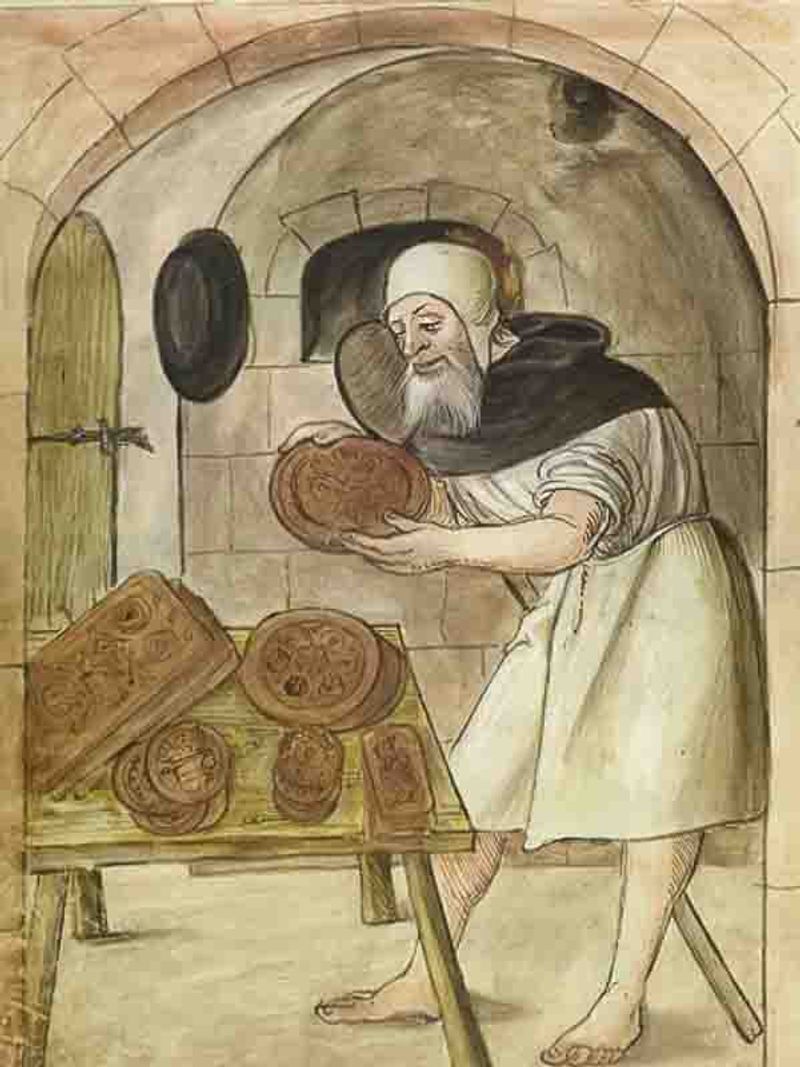
Picture a quiet monastery in 13th-century Europe, where monks weren't just praying but also perfecting their baking skills.
They mixed ground almonds, honey, and precious spices into a thick dough, then pressed it into intricately carved wooden moulds.
These weren't your average biscuits.
Each piece featured saints, angels, or biblical stories, turning humble ingredients into edible devotion.
Monasteries became the first gingerbread factories, blending faith with flavour.
Their creations were sold at church festivals, spreading the sweet gospel far and wide across medieval Europe.
Royal Courts, Fairs, And The Rise Of Gingerbread Guilds
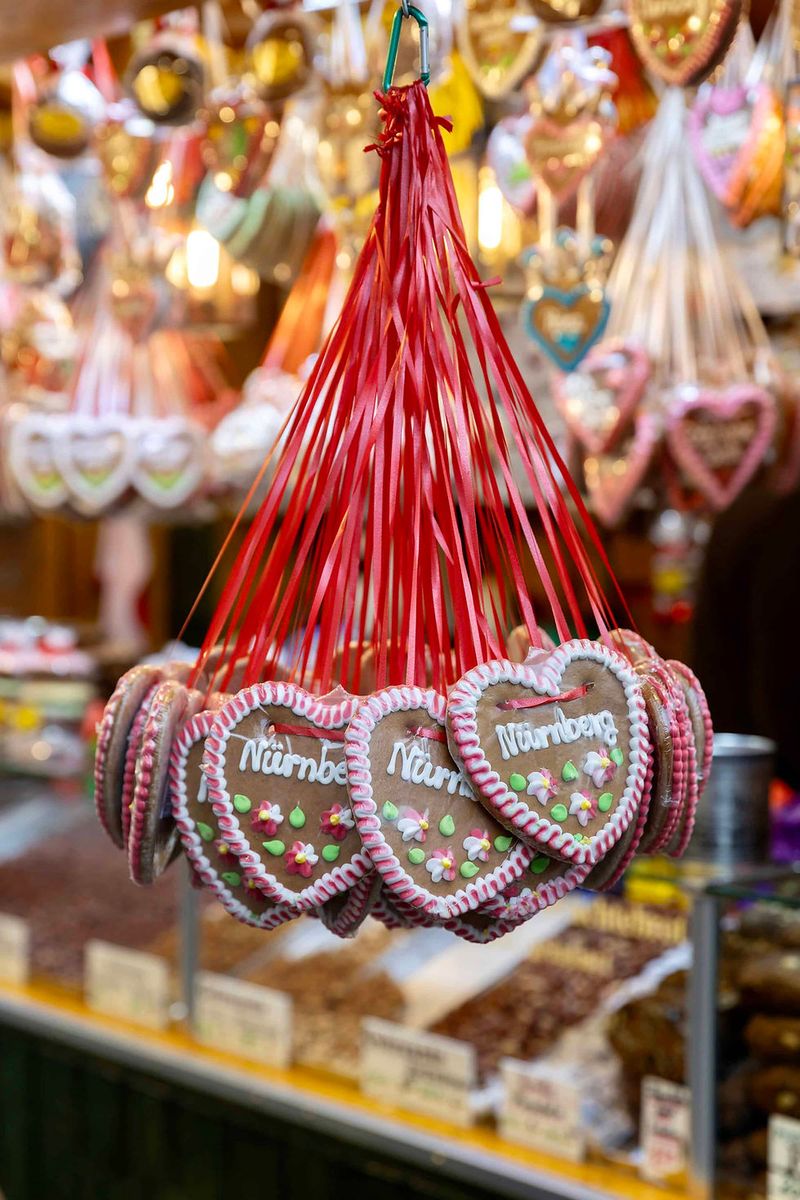
By the 14th century, gingerbread had gone proper posh. Specialist bakers formed exclusive guilds in cities like Nuremberg, Ulm, and Prague, guarding their recipes like state secrets.
Nuremberg even earned the title of Gingerbread Capital of the World, with strict rules about who could bake what and when.
Queen Elizabeth I took things further by commissioning gingerbread figures shaped like her guests, turning teatime into edible portraiture.
Fairs and markets became stages for these bakers to show off their skills, making gingerbread both a status symbol and a crowd favourite.
Hansel And Gretel – The Story That Made Gingerbread Houses Famous
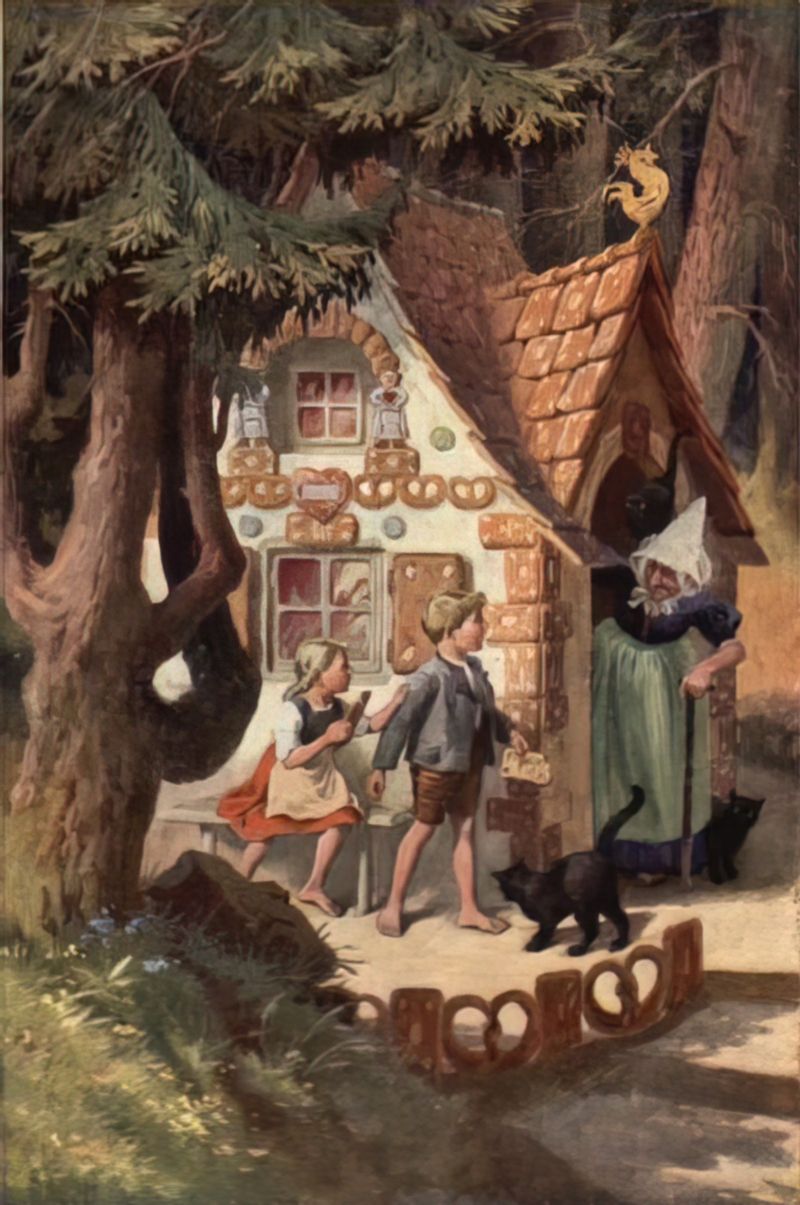
Thanks to the Brothers Grimm, gingerbread got its most iconic makeover in the 19th century.
Their fairy tale about two lost children stumbling upon a witch's edible cottage sparked imaginations across Germany.
Bakers couldn't resist the challenge and began crafting elaborate gingerbread houses, complete with icing snow and sweetie decorations.
What started as a nod to folklore quickly became a beloved Christmas tradition.
Today, building gingerbread houses is a festive ritual in homes worldwide, proving that sometimes the best architecture is the kind you can eat.
How Different Cultures Shaped Their Own Gingerbread Traditions
Gingerbread never stayed in one place for long.
Each country that adopted it added its own twist, creating a delicious family of regional treats.
Germans perfected Lebkuchen, soft and spiced with layers of icing. Swedes bake thin, crispy pepparkakor, often shaped into hearts.
Norwegians celebrate with pepperkaker, whilst Poles craft pierniki filled with jam or plum butter.
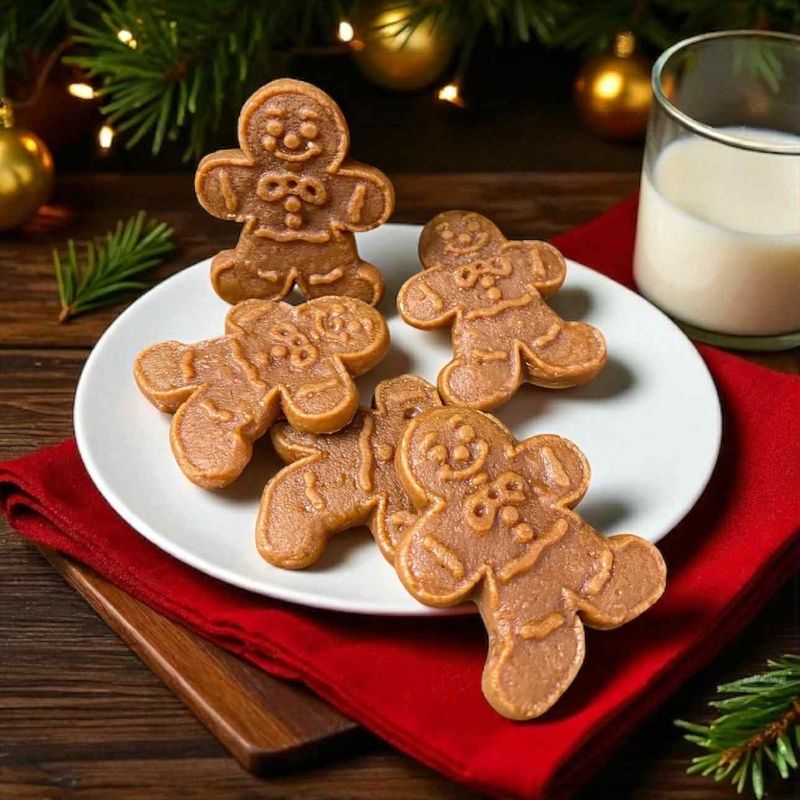
Even across the Atlantic, Americans embraced gingerbread men, decorating them with personality and flair.
Every culture made gingerbread their own, proving its universal appeal spans continents and centuries.
Why Gingerbread Still Captures The Magic Of Christmas Today
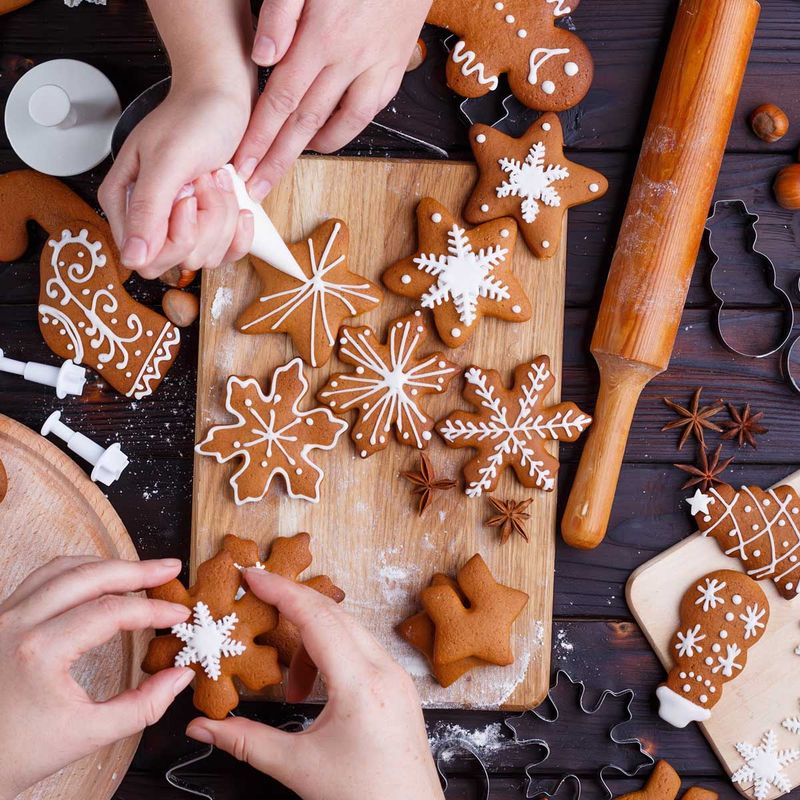
Despite all the modern treats competing for attention, gingerbread remains a Christmas essential.
Maybe it's the warm, spicy aroma that fills the kitchen, or the joy of decorating biscuits with wonky icing smiles.
Christmas markets from Nuremberg to Bergen still celebrate gingerbread with stalls and displays, keeping centuries-old traditions alive.
Building gingerbread houses has become a cherished family activity, sticky fingers and all.
Gingerbread connects us to history, culture, and each other, making every bite taste like home, nostalgia, and festive magic rolled into one.