











There’s a reason certain foods make us feel better when life feels a bit heavy. From the creamy texture of mashed potatoes to the warmth of freshly toasted bread, comfort food triggers a response that goes beyond taste.
Science shows that these familiar flavours can activate the brain’s reward system, balance mood-related hormones, and even spark memories linked to safety and happiness – making every bite feel reassuring in its own way.
This article is for general informational purposes only. Individual experiences with food and emotional responses may vary. Photos are for illustrative purposes only.
1. Why We Crave Grandma's Cooking When We're Sad
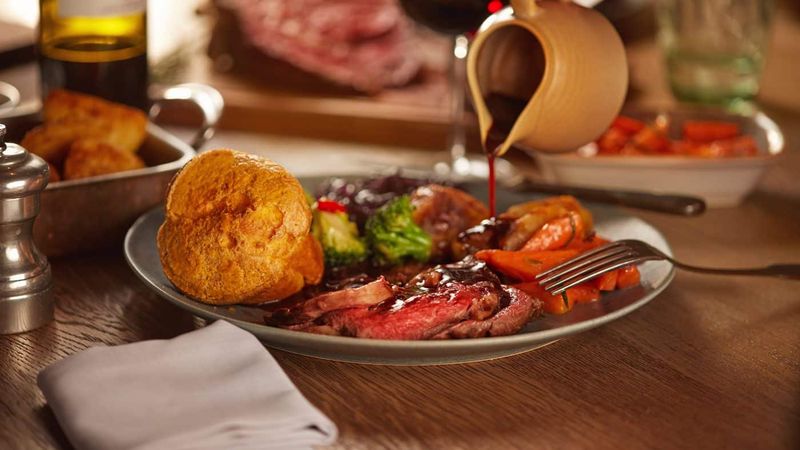
Your gran's shepherd's pie isn't just delicious – it's wired into your emotional memory bank. Scientists reckon that foods we ate during safe, happy moments in childhood become linked to those feelings of security.
When stress hits, your brain basically sends out a search party for anything that once made you feel protected. That's why a Sunday roast or a proper custard tart can feel like emotional armour.
It's not about the recipe itself but the love and warmth attached to it.
2. The Brain Chemistry Behind Comfort Food Cravings
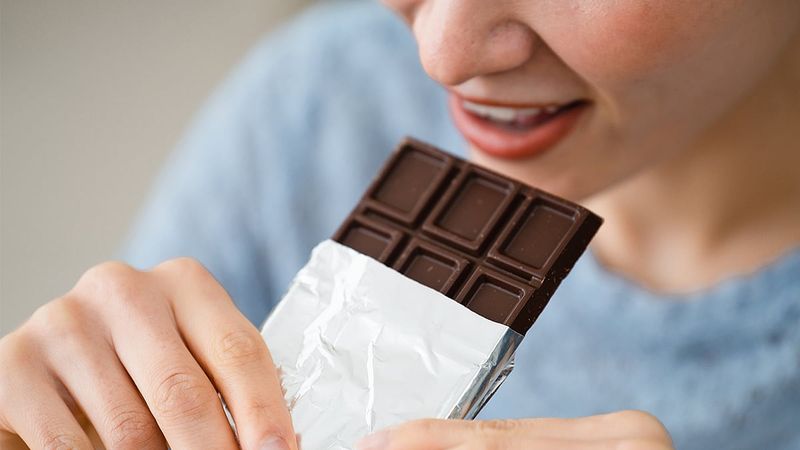
Turns out your brain has a proper reward system that lights up like a Christmas tree when you tuck into something comforting. Dopamine, the feel-good chemical, floods your system when you eat foods high in sugar, fat, or salt.
This reaction isn't random – it's evolutionary. Our ancestors needed high-energy foods to survive, so our brains learned to make us feel brilliant when we found them.
Now, a Cadbury Dairy Milk or a packet of crisps can trigger that same ancient response.
3. How Warm Meals Trigger Emotional Calm
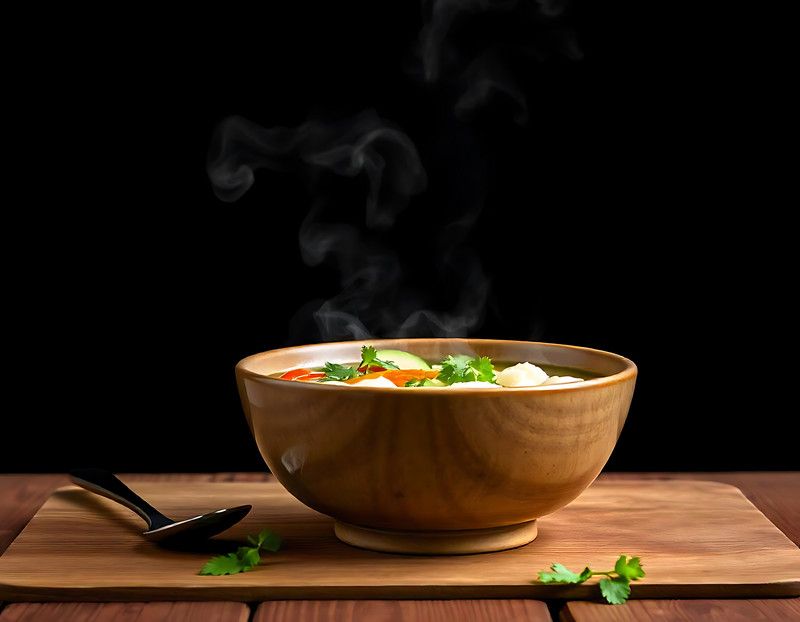
There's something about a piping hot bowl of tomato soup or beans on toast that just settles your nerves. Warm food actually mimics the physical sensation of being cared for, which can lower cortisol levels – that's your stress hormone.
Temperature matters more than you'd think. Holding a warm mug or plate sends signals to your brain that you're safe and looked after.
It's why a cold sandwich never quite hits the same spot when you're feeling rough.
4. The Role Of Nostalgia In What We Eat

Nostalgia isn't just about missing the past – it's a psychological tool your brain uses to boost your mood. When you bite into a Jammie Dodger or a fish finger sandwich, you're not just tasting biscuit and bread.
You're reconnecting with simpler times, often from childhood, when responsibilities were someone else's problem. Research shows that nostalgic eating can genuinely reduce feelings of loneliness and anxiety.
That's why retro snacks are always making comebacks – they're edible time machines.
5. Why Carbs And Cheese Make Us Feel Better (Scientifically Speaking)
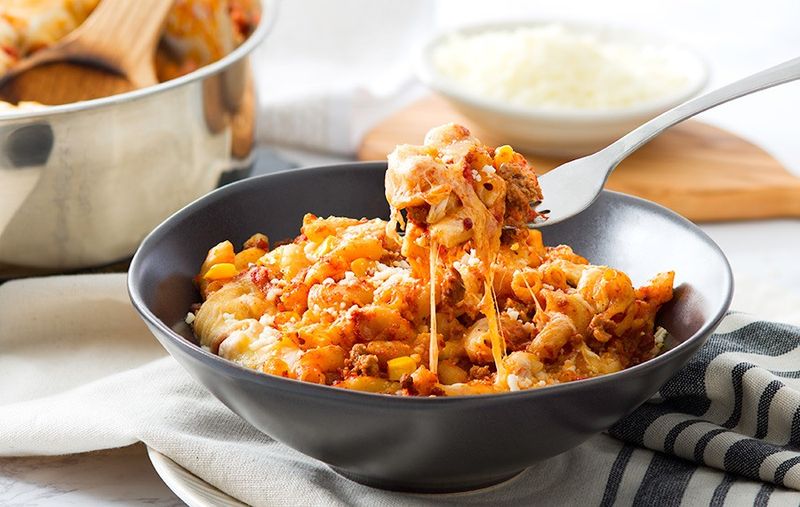
Carbs get a bad rap, but they're basically mood boosters in disguise. When you eat a jacket potato or a cheese toastie, your body produces serotonin, the brain chemical that keeps you calm and happy.
Cheese, meanwhile, contains casein, which breaks down into casomorphins – compounds that have a mild calming effect. It's no coincidence that mac and cheese or a ploughman's lunch can make everything feel manageable.
Your body knows what it's doing when it craves carbs and dairy.
6. The Hormones That Link Food To Happiness

Your body runs on a cocktail of hormones, and what you eat can mess with the mix in surprisingly powerful ways. Foods rich in tryptophan, like turkey or bananas, help produce serotonin, which regulates mood.
Meanwhile, sugary treats spike insulin, which can temporarily boost your energy and outlook. Even the act of chewing releases endorphins, your body's natural painkillers.
Nutritionists say it's all connected – food isn't just fuel, it's a chemical conversation with your brain.
7. When Comfort Eating Becomes More Than Just A Treat

Reaching for a biscuit when you're stressed is normal, but when comfort eating becomes your main coping strategy, it might be worth a chat with someone. Doctors and nutritionists warn that relying too heavily on food for emotional relief can lead to unhealthy patterns.
If you're eating to avoid feelings rather than enjoy flavours, that's a red flag. It's okay to love food and find comfort in it, but balance matters.
Speaking to a GP or counsellor can help untangle what's really going on.