











There’s something oddly satisfying about that first crunch - whether it’s a crisp packet opening or the golden edge of fried chicken cracking between your teeth. Crispy foods don’t just taste good; they make your brain light up in ways you probably don’t even realise. From sound to texture, there’s real science behind why we can’t resist that perfect crunch.
This article is for general informational purposes only. Individual preferences and dietary choices may vary.
Why That Crunch Feels So Satisfying
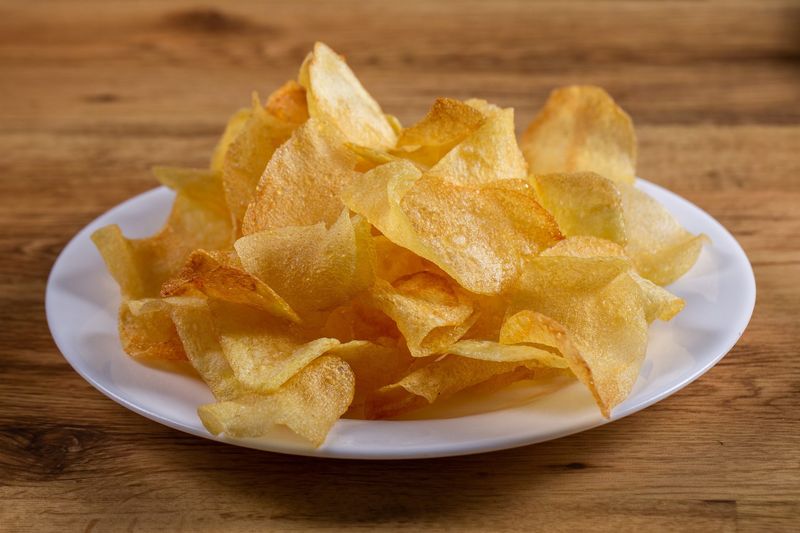
Biting into something crispy creates immediate feedback that tells your brain the food is worth eating. That satisfying snap releases tiny flavour particles across your tongue faster than soft foods ever could.
Your jaw muscles also enjoy the workout, sending pleasure signals straight to your brain. Crunchiness makes eating feel like an active, rewarding experience rather than just swallowing mush.
The Brain's Love Affair With Texture
Texture matters more to your brain than you might think. Scientists have discovered that how food feels can be just as important as how it tastes when deciding if you enjoy something.
Crispy foods activate multiple sensory areas at once, creating a richer eating experience. Your brain interprets this complexity as higher quality, making you crave that multisensory stimulation again and again.
Sound Plays A Bigger Role Than You Think
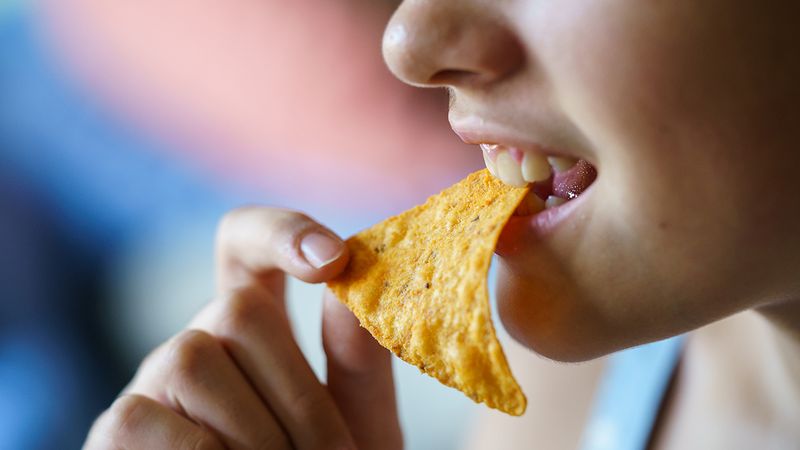
Hearing your food crunch isn't just background noise - it's a crucial part of flavour perception. Studies show that louder, higher-pitched crunches make food taste fresher and more appealing to eaters.
When you block the sound of crunching, foods actually taste less flavourful and satisfying. Your ears work alongside your taste buds to create the full crispy experience you're seeking.
Crunchiness And Childhood Memories
Many of us first discovered the joy of crispy foods as children, creating powerful emotional connections. Those carefree moments munching crisps at playtime or hearing biscuits snap became wired into our memory centres.
Now, crispy textures can trigger those happy feelings instantly. Your brain associates crunch with comfort, fun, and simpler times, making it nearly impossible to resist.
How Crispiness Triggers Reward Chemicals
Crunchy foods cause your brain to release dopamine, the same chemical linked to happiness and motivation. Each satisfying bite creates a mini celebration in your neural pathways.
This chemical reward makes you want to keep eating crispy things, creating a natural craving cycle. Fat and salt often accompany crunch, amplifying the dopamine rush and strengthening your desire for more.
Why Crunchy Foods Feel Fresher
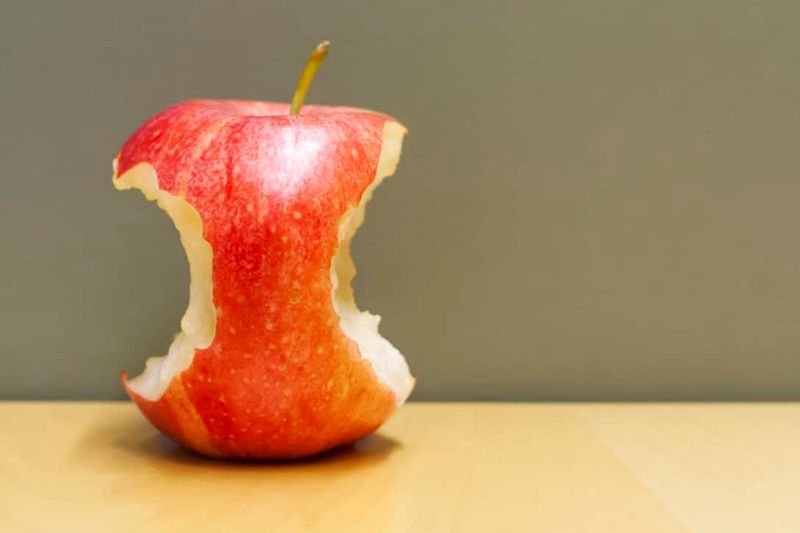
Crispness signals freshness to your primitive brain, suggesting the food is safe and nutritious. Soft, mushy textures often indicate spoilage or decay, so your instincts naturally gravitate towards firm, crunchy bites.
Even processed crispy snacks trick your brain into thinking they're fresher than they actually are. That crackle convinces your senses you're eating something recently made and perfectly preserved.
The Role Of Fat And Heat In The Perfect Crunch
Heat transforms ordinary ingredients into crispy delights by driving out moisture and creating new textures. When fat gets involved, it conducts heat efficiently whilst adding rich flavours that complement the crunch perfectly.
This combination creates what food scientists call the Maillard reaction, producing hundreds of flavour compounds. Together, fat and heat build the ideal crispy structure your taste buds adore.