











Milk often changes the way food and drinks taste, whether it is softening the sharpness of coffee, rounding out chocolate flavours, or adding richness to sauces and cereals.
Behind these everyday effects sits a mix of food science, including how fats carry flavour, how proteins interact with bitter or spicy compounds, and how texture influences perception.
Understanding these small interactions helps explain why milk consistently enhances balance, smoothness, and overall enjoyment in so many dishes.
All information is provided for general interest only.
Individual taste perception, dietary needs, and ingredient choices may vary.
Photos are for illustrative purposes only.
1. How Fat Carries Flavour Compounds
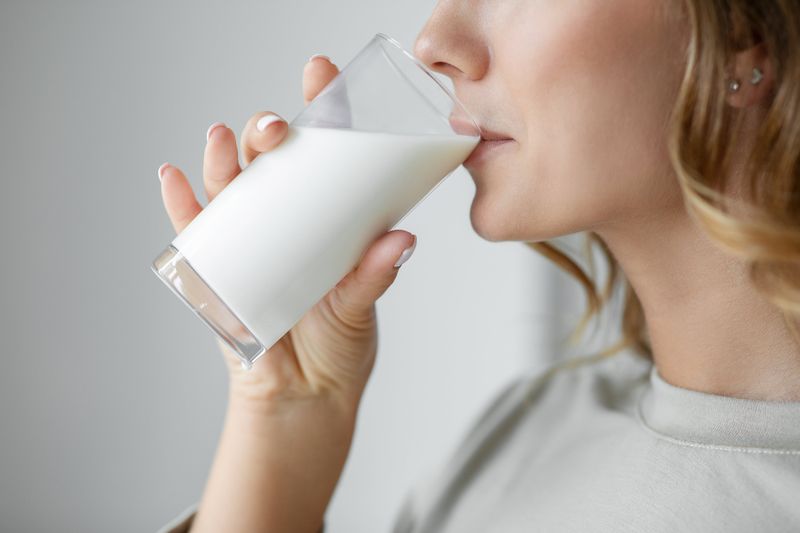
Fat molecules in milk act like tiny taxis, delivering flavour compounds straight to your taste buds.
When you add milk to coffee or chocolate, the fat grabs onto aromatic molecules and spreads them across your tongue more evenly.
This is why full-fat milk makes hot chocolate taste richer than skimmed versions.
The fat content literally holds more flavour in suspension, releasing it slowly as you sip.
Without enough fat, many delicate tastes would simply wash away too quickly for you to enjoy them properly.
2. Why Milk Softens Bitter And Acidic Tastes

Proteins in milk, especially casein, bind to bitter compounds like tannins in tea and acids in coffee, neutralising their harsh edges.
Think of casein as a tiny sponge that absorbs the sharp bits, leaving behind smoother, mellower flavours.
This chemical reaction happens instantly when milk meets your brew.
The proteins literally wrap around bitter molecules, preventing them from hitting your taste receptors at full strength.
That's why adding milk to strong black tea makes it gentler and more enjoyable for most palates.
3. The Role Of Natural Sugars In Enhancing Sweetness
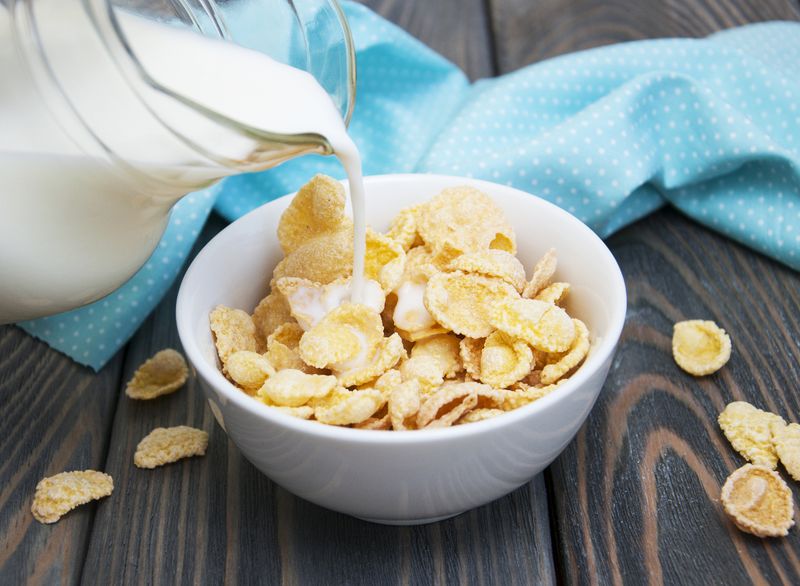
Milk contains lactose, a natural sugar that adds subtle sweetness without tasting sugary.
When you pour milk over cereal or blend it into smoothies, that gentle sweetness enhances other flavours rather than overpowering them.
Lactose works differently from table sugar because it's less intense.
Your brain registers it as creamy and pleasant rather than outright sweet, which makes foods feel more balanced and satisfying.
Bakers rely on this property to create tender cakes and biscuits with depth of flavour.
4. How Creaminess Changes Mouthfeel And Satisfaction

Creaminess isn't just about taste; it's about how food feels in your mouth.
Milk's proteins and fats coat your tongue, creating a velvety sensation that makes eating more pleasurable.
This smooth texture triggers satisfaction signals in your brain, making you feel more content with each bite or sip.
Scientists call this mouthfeel, and it's why milky foods often feel comforting and complete.
From creamy soups to silky custards, milk transforms ordinary dishes into luxurious experiences through pure physics and biology working together.
5. Why Dairy Balances Spicy And Strong Flavours

Capsaicin, the compound that makes chillies burn, dissolves in fat but not water.
Milk's fat content literally washes away the fiery sensation from your mouth, providing instant relief.
This is why a glass of cold milk works better than water when you've overdone it with hot sauce.
The casein protein also binds to capsaicin molecules, stripping them away from pain receptors on your tongue.
Curry lovers have known this trick for centuries, pairing spicy dishes with yoghurt-based raitas and lassis.
6. How Temperature And Texture Affect Taste Perception

Cold milk tastes sweeter and more refreshing than warm milk because temperature affects how your taste buds respond to different compounds.
Chilled dairy also feels more soothing and satisfying, especially on a warm day or after exercise.
Meanwhile, warm milk releases different aromatic compounds, creating comforting, mellow flavours perfect for bedtime drinks.
The texture changes too; heated milk becomes silkier as proteins denature slightly.
Whether hot or cold, milk adapts brilliantly to enhance whatever you're eating or drinking at any moment.
7. The Link Between Aroma Release And Fat Content
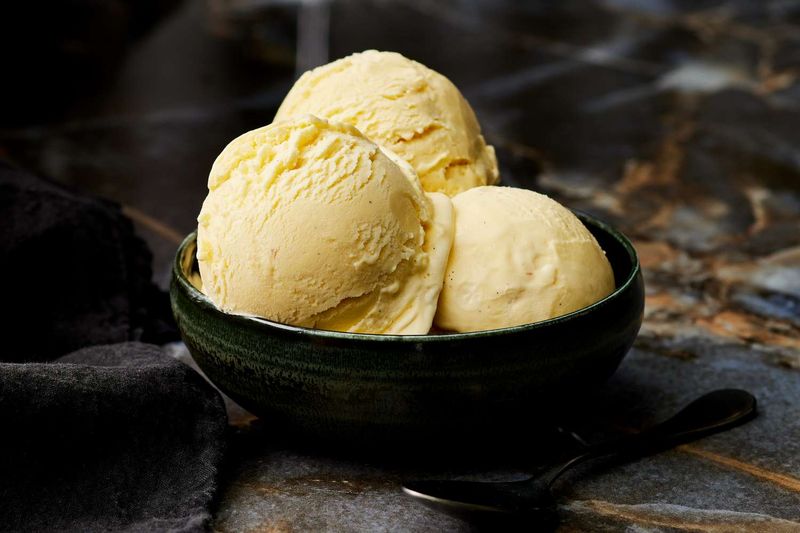
Aromatic compounds responsible for smell and flavour are mostly fat-soluble, meaning they dissolve and travel through fat molecules.
When milk's fat content interacts with aromatic foods like vanilla or cinnamon, it amplifies their scent and taste dramatically.
Your nose detects these released aromas as you eat, which accounts for roughly eighty percent of what you perceive as flavour.
Higher fat milk releases aromas more slowly and steadily, creating a longer-lasting taste experience.
This is why full-cream ice cream tastes more intense than low-fat versions.
8. Why Familiar Foods Trigger Comfort Responses
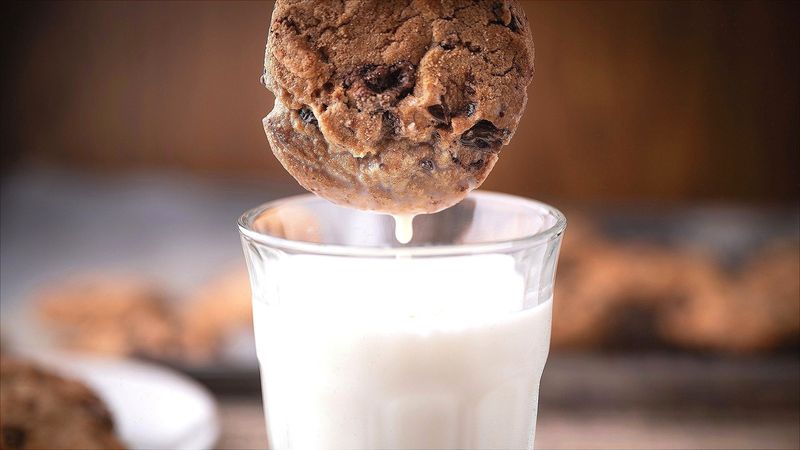
From infancy, milk represents nourishment, safety, and comfort in our brains.
This psychological association makes milk-based foods feel emotionally satisfying, not just physically filling.
When you taste milk in biscuits, porridge, or hot chocolate, your brain releases feel-good chemicals like dopamine.
These neurological responses create genuine pleasure beyond simple nutrition, linking milk to happy memories and cosy moments.
It's part biology, part nostalgia, and entirely real – milk genuinely makes us feel better while making food taste better too.