










There was a time when the whole household paused for tea, when the kettle signalled a small daily gathering rather than just a quick drink on the go. Plates of bread and butter, a slice of cake, and a shared chat made the moment feel warm and grounding, even on ordinary weekdays.
Tea time wasn’t just about food; it was a gentle rhythm that brought everyone together, and its fading says a lot about how family life has changed.
This piece is for cultural and historical interest rather than advice. Traditions vary across families and regions, and some households still enjoy their own version of tea time today.
The Origins Of Tea Time
Afternoon tea began in the 1840s when Anna, the Duchess of Bedford, started taking tea and light snacks to bridge the long gap between lunch and late dinner. The idea caught on among the aristocracy, where elegant tea tables, fine china, and delicate pastries became fashionable social rituals. As the tradition spread, hotels and tearooms in London began offering their own versions, turning afternoon tea into a public leisure activity as well as a private household custom.
Meanwhile, working families had a different mealtime tradition entirely: high tea, which was a hearty early evening meal eaten after long workdays, featuring bread, meat, and hot dishes rather than dainty treats. Although afternoon tea and high tea are sometimes mixed up today, historically they served different purposes and reflected different daily rhythms.
Over time, both contributed to the idea that tea could be more than a drink - it could be a moment to pause, gather, and enjoy food together.
A Daily Family Ritual
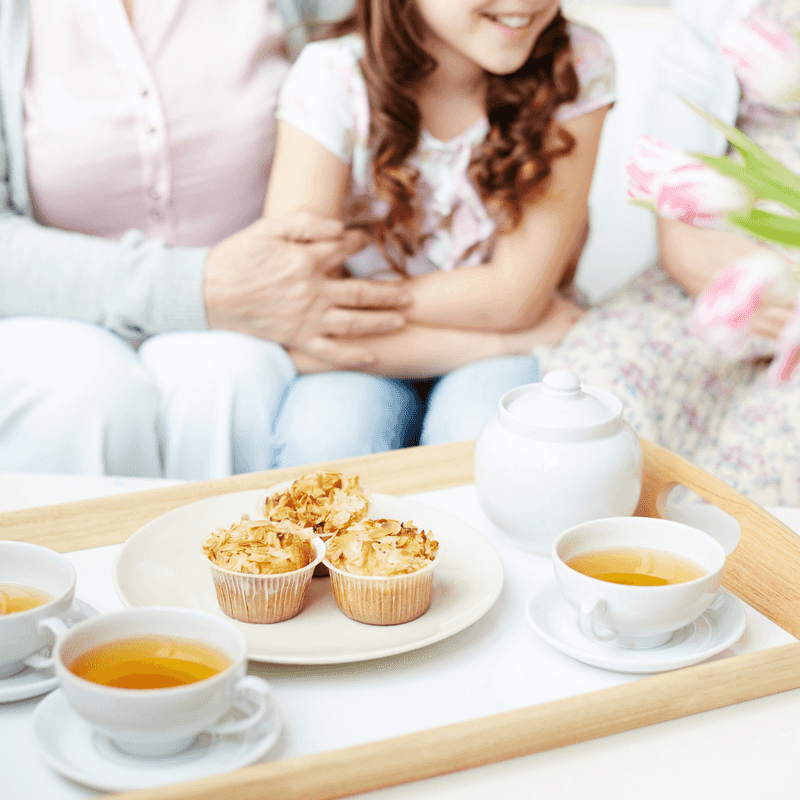
Throughout the mid-20th century, tea time served as the heartbeat of family life. Parents and children would gather without fail, sharing stories from school and work whilst enjoying freshly baked treats. Nobody rushed through these precious moments together.
Mothers often spent hours preparing sandwiches, scones, and cakes to make tea time special. The ritual taught children table manners, conversation skills, and the importance of family bonds. These gatherings created lasting memories and strengthened relationships in ways that felt effortless yet profound.
Every household had its own traditions, from favourite biscuits to special teacups reserved for this daily celebration.
The Influence Of Convenience Foods
During the 1970s and 1980s, supermarkets began stocking ready-made meals and packaged snacks that promised to save time. Families discovered they could grab crisps or biscuits from a packet instead of baking from scratch. This shift seemed harmless at first but gradually eroded tea time's special character.
Microwaves and freezers made it easy to eat whenever hunger struck rather than waiting for a set mealtime. Children started snacking throughout the day, reducing their appetite for proper tea. The effort and care that once defined tea time disappeared as convenience became the priority, fundamentally changing how families approached food and togetherness.
Changing Work And School Schedules
Modern life operates at a relentless pace that makes regular tea time nearly impossible. Parents often work longer hours, with many not returning home until evening. Children participate in numerous after-school clubs, sports, and activities that keep them occupied until dinnertime approaches.
Commuting distances have increased, meaning families spend more time travelling and less time together. Everyone eats at different times now, grabbing food when convenient rather than gathering simultaneously. Schools also assign more homework, leaving children with packed schedules.
This fragmentation of family time has made the traditional afternoon gathering feel like an old-fashioned luxury few can afford.
How Tea Time Turned Into A Weekend Treat
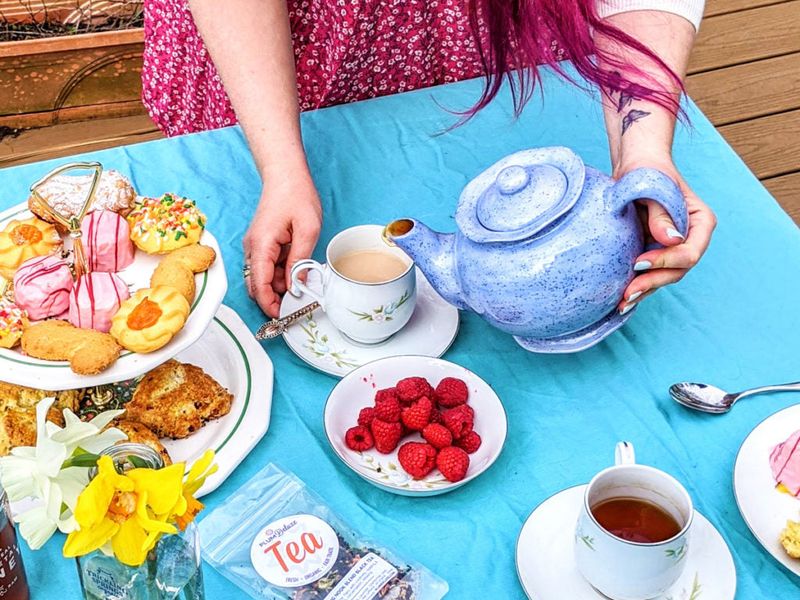
Rather than disappearing completely, tea time has transformed into an occasional indulgence. Many families now save this tradition for Sundays or special occasions when everyone can actually be present. Cafes and hotels offer fancy afternoon tea experiences that feel celebratory rather than routine.
This shift has changed tea time's meaning from daily connection to special treat. Whilst lovely, these occasional gatherings lack the consistency that once strengthened family bonds. Some families are rediscovering tea time's value, deliberately carving out weekend moments to preserve this piece of heritage. The tradition survives, but in a very different form than previous generations knew.