









Heinz ketchup is such a familiar sight on British tables that most people stop noticing the little details on the bottle, yet that famous number tucked into the design has a surprisingly charming backstory.
I remember spotting it as a kid and assuming it had something to do with ingredients, only to learn later that the truth is far more playful.
Keep reading and you’ll see why this small number became one of the most recognisable quirks in food branding.
This content is for general informational purposes only and reflects widely known brand history rather than legal or professional advice. Images are for illustrative purposes only.
Where The Famous Number 57 Actually Came From

The number 57 wasn't created because Heinz ever produced exactly fifty seven products. In reality, Henry John Heinz simply liked the sound of the number after seeing an advert for "twenty one styles of shoes". At the time, Heinz already sold far more than fifty seven items, but he thought "57 Varieties" had a catchy, memorable ring to it.
He chose the numbers five and seven because they were his and his wife's favourite numbers. The phrase stuck so well that the company adopted it as a permanent slogan. It ended up becoming one of the most recognisable bits of food branding in the world.
Why The Number Stuck Around For More Than A Century
Once the phrase "57 Varieties" started appearing on packaging, customers began to associate it with quality and reliability. The number didn't represent a product count but rather a promise that Heinz offered lots of options and dependable standards. Even as the company expanded into hundreds of products, the number stayed because it had strong brand power.
It created a sense of tradition and familiarity, which people trusted. Brands usually pay millions for that kind of instant recognition, but Heinz managed it by chance. The nostalgia alone is enough to keep the number in place today.
What The Number Means On Today's Ketchup Bottles
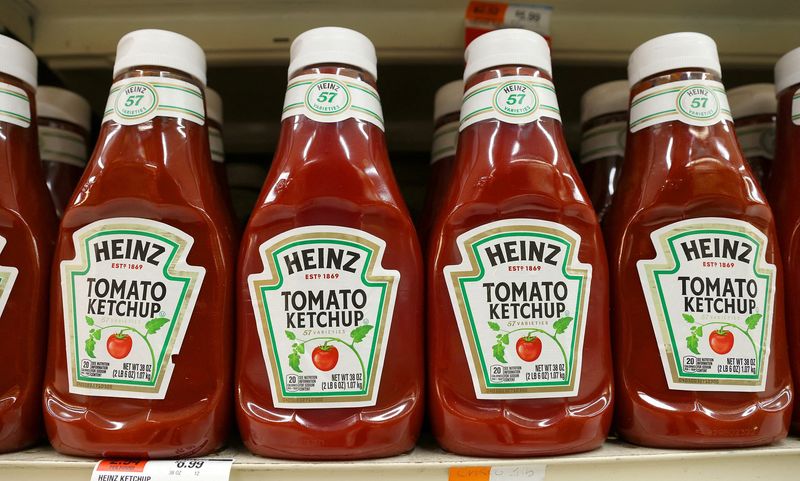
On modern bottles, the 57 is mostly a nod to history and branding rather than anything functional. It appears on the label and often moulded into the glass as a reminder of the company's heritage. Most shoppers know the ketchup instantly by that simple little number, even without reading the words Heinz.
The company could remove it, but doing so would probably confuse loyal customers who associate it with the original recipe. It has become part of the ketchup's personality, as recognisable as the bright red colour and the glass bottle itself. Think of it as a tiny logo hiding in plain sight.
Why The Number Keeps Appearing In Modern Advertising
The number on modern Heinz ketchup bottles is mainly a historical trademark that dates back to the company’s original “57 Varieties” slogan. It remains on the packaging because it has become a recognisable part of the Heinz brand identity. Heinz has never stated that the number relates to the recipe or that shoppers identify the ketchup only by this symbol.
The company continues to use it because it is familiar, distinctive and strongly associated with its heritage. Today, the “57” is simply a long-standing branding element rather than a functional label.
How 57 Became A Pop Culture Icon
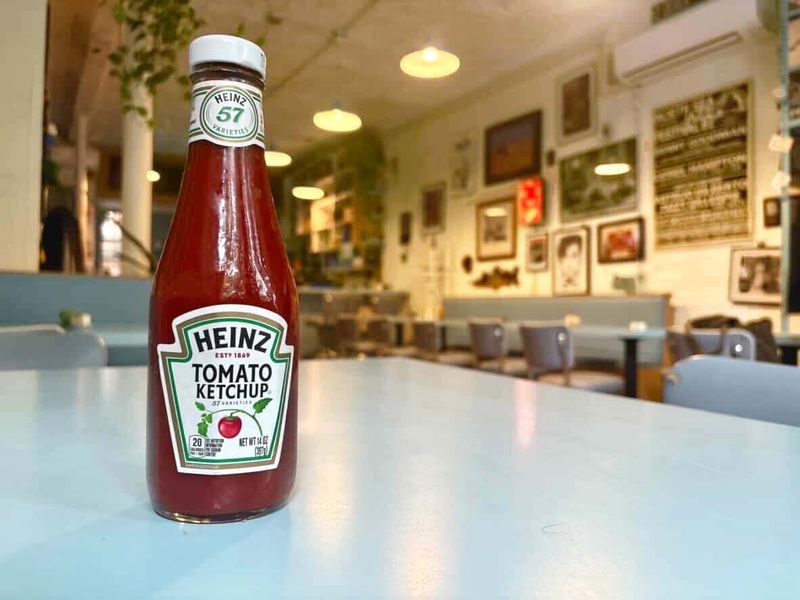
The number has shown up in films, TV shows and jokes simply because everyone recognises it. Even people who don't know the story still think of Heinz the moment they see "57". It's rare for a random number to become a cultural symbol, but this one managed it through decades of visibility in kitchens worldwide.
The more it appeared, the more curious people became about its origin. Its mystery is part of the charm, which is why the story keeps being retold generations later. The 57 isn't just a number now - it's a little slice of food history.