





Ever stopped to think about how your Christmas dinner came to be?
Every element on the festive table – from the golden roast turkey to the rich pudding and crispy pigs in blankets – has a story that stretches far beyond the season.
These dishes carry centuries of history, shaped by royal feasts, wartime ingenuity, and family traditions that stood the test of time.
Here’s how Britain’s most iconic Christmas foods earned their place at the heart of the holidays.
All information is provided for general interest only.
Historical accounts and origins are based on documented sources where available.
Photos are for illustrative purposes only.
1. Why Turkey Became The Star Of The Christmas Table
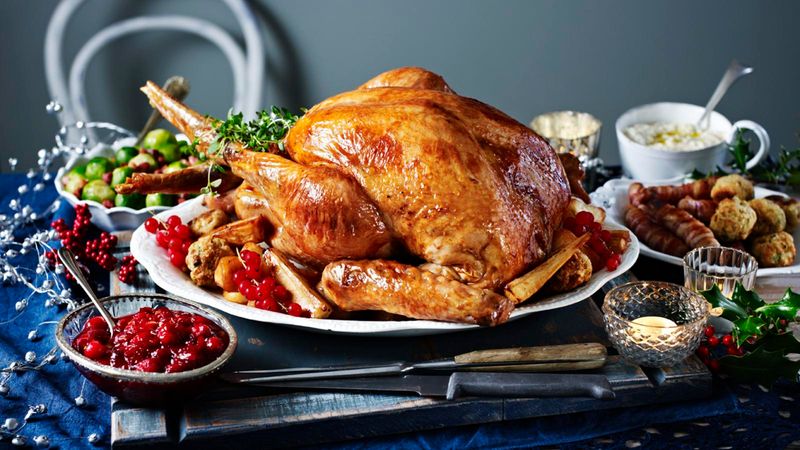
Back in Tudor times, wealthy families showed off by serving peacocks and swans at their feasts.
Turkey arrived from North America in the 16th century, but it took ages to catch on properly.
Fast forward to Victorian England, and everything changed.
Queen Victoria herself adored turkey, and what royalty fancied, everyone else followed.
It was bigger than a chicken, fed more mouths, and tasted brilliant.
By the 1950s, turkey had firmly planted itself as the centrepiece of British Christmas dinners, replacing goose and beef for good.
2. The Sweet History Of Christmas Pudding
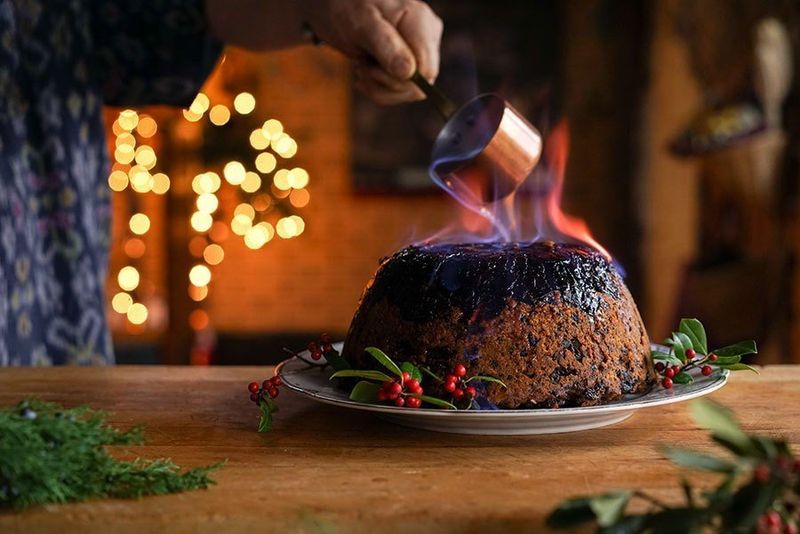
Imagine a thick, meaty porridge called frumenty.
Not exactly festive, right? Yet that is where Christmas pudding began back in the 14th century.
Medieval cooks mixed oats, meat, and dried fruit into this savoury mess.
Over centuries, sugar and spices replaced the meat, transforming it into the dense, fruity delight we know today.
Victorians made it a proper Christmas symbol, complete with dramatic flambé.
Families still stir their puddings together, making wishes as they go, keeping tradition alive one spoonful at a time.
3. How Mince Pies Evolved From Savoury To Sweet
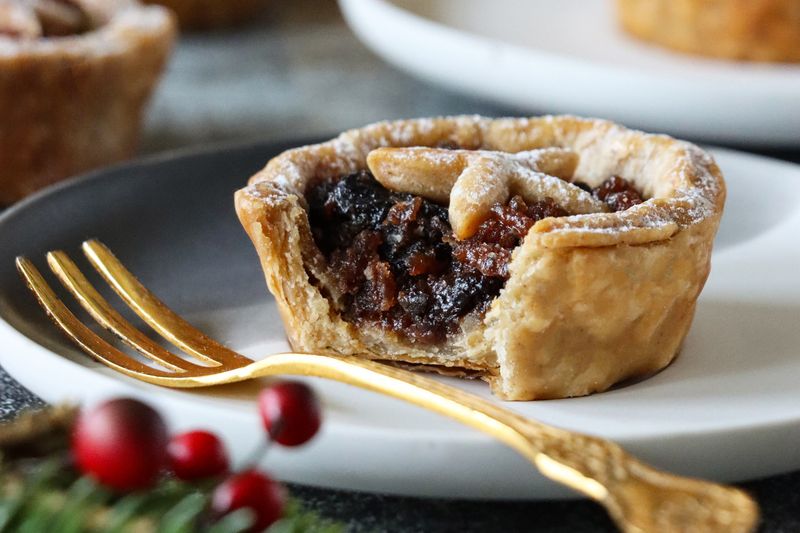
Crusaders returning from the Holy Land in the 12th century brought back exotic spices and a taste for adventure.
They stuffed pastry with actual minced meat, dried fruits, and those precious spices.
These pies were oblong, meant to resemble a manger, and symbolised the Three Wise Men's gifts.
Meat gradually disappeared from the recipe, leaving only suet and sweet fruit.
By Victorian times, mince pies had shrunk to bite-sized treats.
Now they are purely sweet, though the name still confuses plenty of first-timers expecting actual mince.
4. The Victorian Roots Of The Christmas Roast
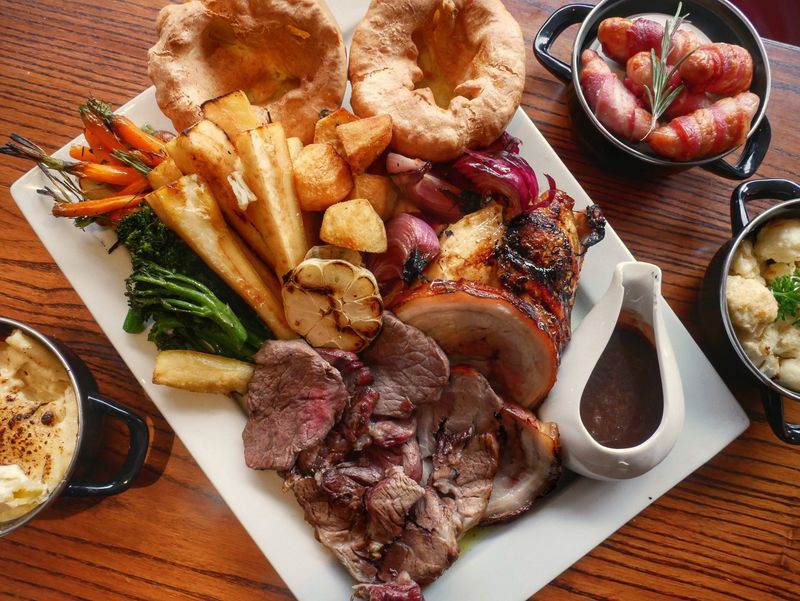
The Christmas roast, now a centrepiece of every festive table, owes much of its tradition to the Victorians.
During the 19th century, Christmas evolved from a modest family gathering into a grand national celebration, thanks in part to Queen Victoria and Prince Albert’s love of festive customs.
The Victorians popularised the idea of gathering around a roast joint – usually beef, goose or later turkey – surrounded by potatoes, vegetables and rich gravy.
It was a meal that symbolised warmth, prosperity and togetherness.
With writers like Charles Dickens immortalising the feast in his works, the Christmas roast became not just a meal but a ritual, cementing its place in British culture for generations to come.
5. The Surprising Origins Of Pigs In Blankets
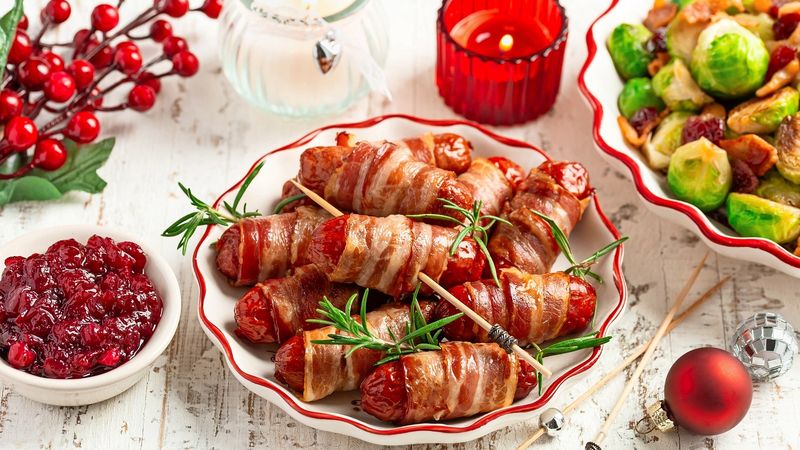
Small sausages snuggled in crispy bacon might seem quintessentially British, but their story is a bit more mysterious than you would think.
The term pigs in blankets dates back to at least 1919, though nobody knows exactly who first wrapped sausages in bacon.
Americans have their own version using pastry instead, which only adds to the confusion.
What we do know is that Brits claimed bacon-wrapped sausages as a Christmas essential sometime in the 20th century, and now no festive dinner feels complete without them.
6. How The Yule Log Cake Took Over British Dessert Tables
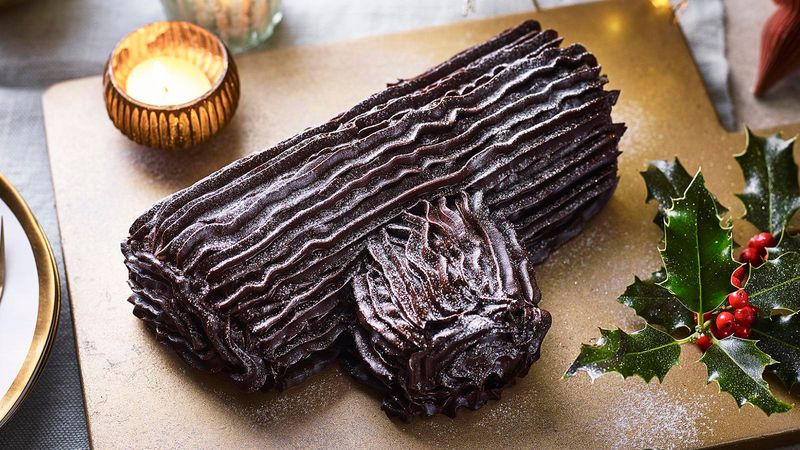
Ancient Celts burned massive logs during winter solstice celebrations, decorating them and keeping them smouldering for days.
This ritual symbolised warmth, light, and hope through the darkest season.
When open hearths disappeared from homes, the tradition moved to the kitchen.
French bakers created the Bûche de Noël, a rolled sponge cake shaped and decorated like a log, complete with bark-like chocolate icing.
Britain adopted this charming dessert enthusiastically, and now chocolate yule logs reign supreme on festive tables, keeping that ancient fire tradition alive in edible form.
7. The Royal Connection Behind Christmas Cake
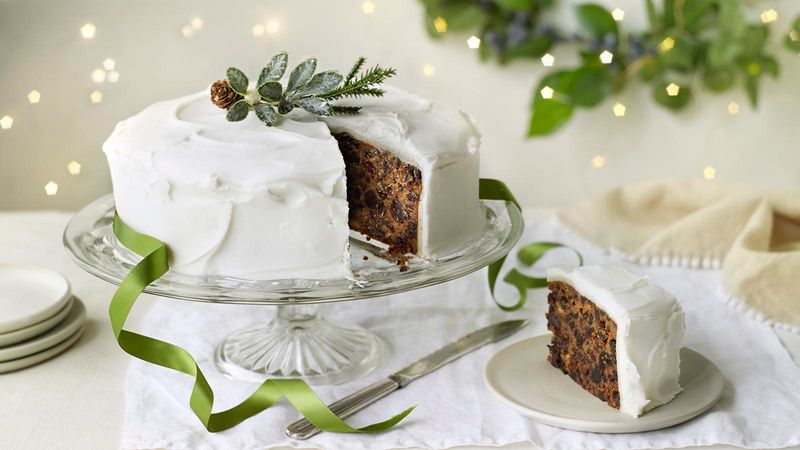
Medieval feasts featured plum porridge, a thick mixture that barely resembles cake.
Over time, bakers added more dried fruit, spices, and eventually turned it into something solid you could slice.
Royal weddings popularised rich fruitcakes covered in marzipan and icing.
Queen Victoria's wedding cake set trends that trickled down to Christmas celebrations.
Families began making their cakes months early, feeding them regularly to develop deep, complex flavours.
That royal icing on top?
It is not just decorative, it is a nod to aristocratic traditions that made fruitcake a Christmas must-have.
8. Why Brussels Sprouts Became A Festive Staple
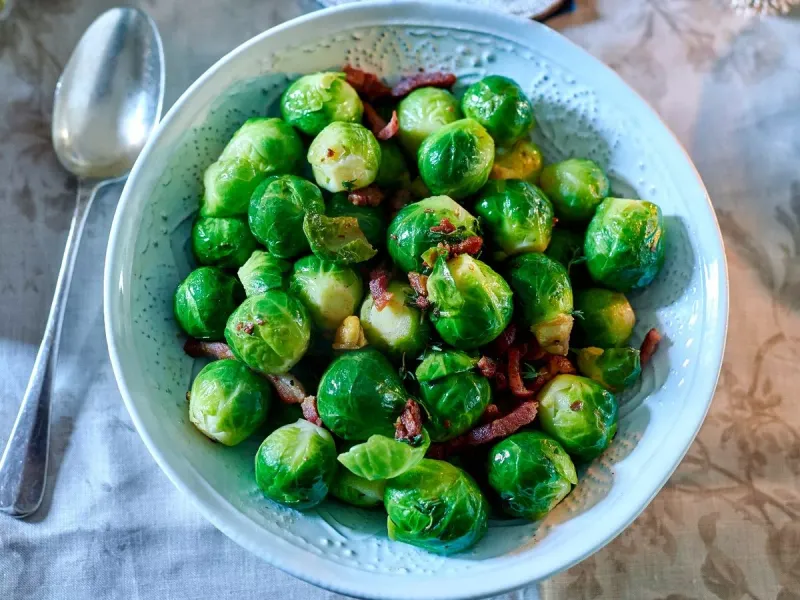
Brussels sprouts get a bad reputation, but their Christmas presence has solid reasoning behind it.
These little cabbages thrive in cold weather, reaching peak flavour after the first frost hits them.
In Britain, that timing perfectly coincides with Christmas.
Victorian households embraced seasonal eating, and sprouts fit the bill brilliantly.
They were cheap, plentiful, and grew well in British soil.
Despite endless jokes about overboiled, bitter sprouts, properly cooked ones taste delicious.
Their festive status endures because they genuinely belong to the season, frost and all.