




Back in 2005, Jamie Oliver walked into British school kitchens with a bold mission and a spotlight on what children were really eating each day. His series Jamie’s School Dinners sparked a nationwide debate, pushed parents to pay attention, and challenged schools to rethink the food they served.
The journey was not always smooth, but the ripple effects went far beyond removing a few infamous items from the menu. This look back explores what truly changed and why it still matters.
This article provides general background on Jamie Oliver’s school food campaign and its public impact. It is intended for informational purposes, and images are included for illustrative purposes only.
Goodbye Turkey Twizzlers

Remember those spiral meat thingies kids went bonkers for? They vanished practically overnight after Jamie's cameras showed what actually went into them. The nation collectively gasped watching children gobble up processed food with just 34% meat content.
Schools across the UK binned these corkscrew-shaped villains, forcing manufacturers to rethink their recipes entirely.
Legal Nutrition Standards Emerged
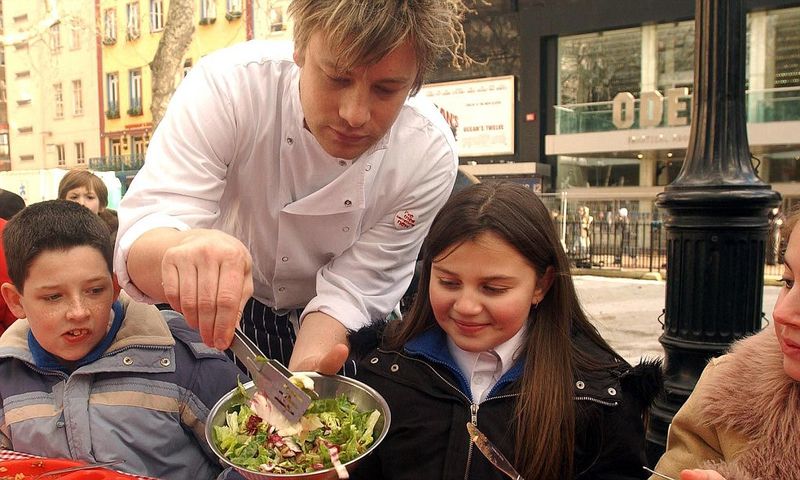
Jamie's campaign didn't just ruffle feathers – it changed laws. His persistent lobbying helped push the government to introduce mandatory nutrition standards for all school meals in 2006.
For the first time, chips couldn't dominate the menu daily, and schools had to serve proper veg. No more puddings swimming in custard five days a week either!
Cooking Classes Became Cool Again
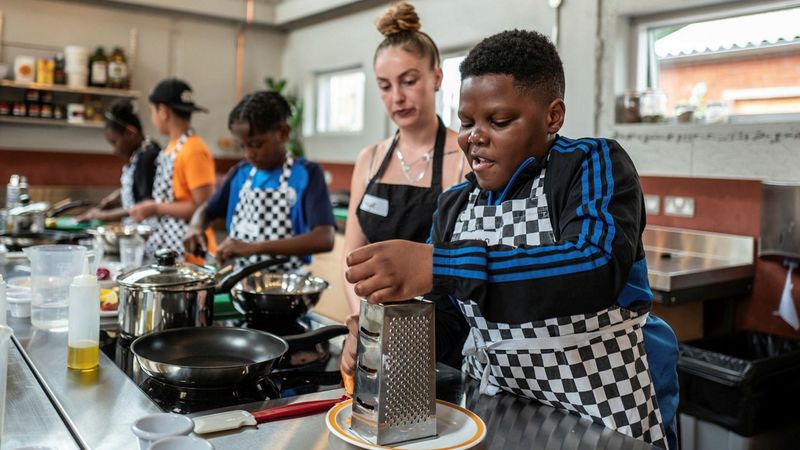
Oliver's revolution sparked a revival of cooking lessons in schools. Kids who once thought dinner came from a microwave started learning how to chop, stir and bake from scratch.
His Food Foundation later launched Kitchen Garden Projects, teaching youngsters to grow veg before cooking it. Suddenly little ones who turned their noses up at greens were proudly munching their own garden-grown carrots!
Parents Got A Wake-up Call
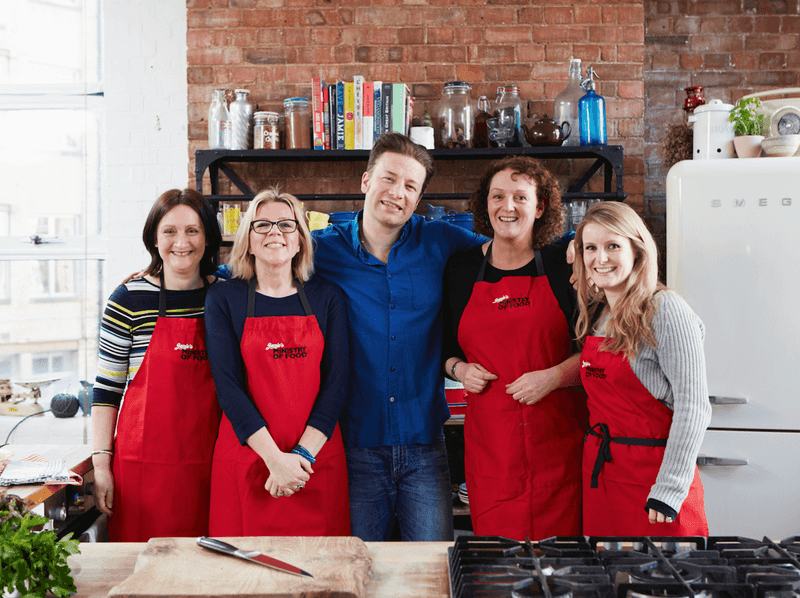
Mums and dads across Britain had their eyes opened when Jamie showed kids who couldn't identify basic vegetables. One shocking scene revealed children who thought tomatoes were potatoes and couldn't name a cucumber.
The ripple effect reached home kitchens as parents realized their own food habits were shaping their children's relationship with nutrition. Family mealtimes got a rethink in countless households.
School Cooks Gained Respect
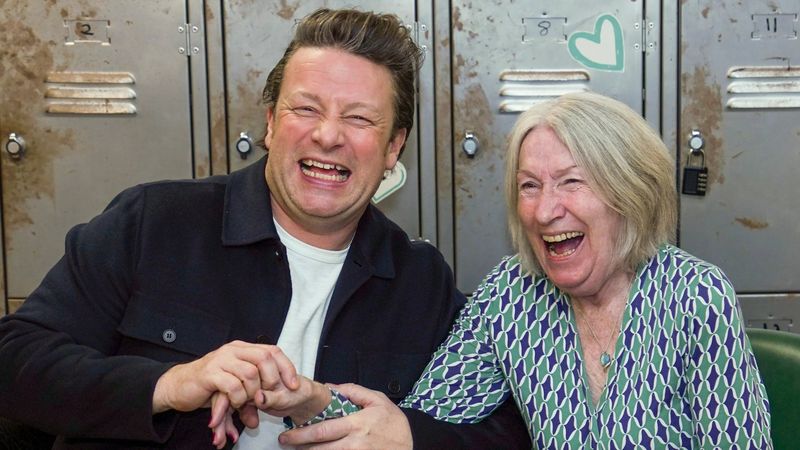
Before Jamie, dinner ladies were often underappreciated. His show highlighted their struggles with tiny budgets (sometimes just 37p per child) and ancient equipment.
The revolution transformed their role from reheating processed food to creating proper meals. Many school cooks received training through Jamie's programs, boosting their skills and job satisfaction. Their status in school communities rose dramatically.
School Lunch Budgets Increased
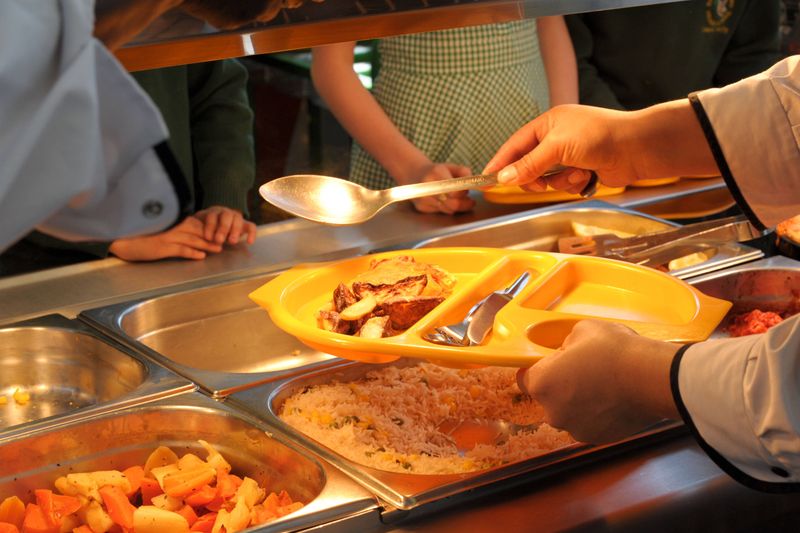
One of Jamie's biggest wins was convincing the government to cough up more cash for school meals. After his campaign, the Labour government pledged an extra £280 million for school food.
This wasn't just pennies – it meant schools could afford real ingredients instead of processed substitutes. The per-meal spending increased significantly, allowing for quality meat and fresh produce on plates.
The Sugar Problem Got Spotlight
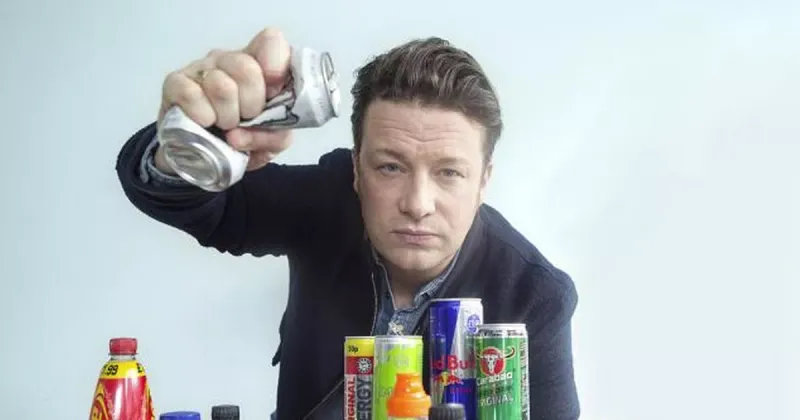
Jamie's school crusade eventually led him to tackle sugar. His documentaries showed how much sweet stuff lurked in seemingly innocent school drinks and snacks.
Schools began removing sugary drinks from vending machines, and dessert options changed. This campaign later expanded beyond schools, contributing to the introduction of the UK's sugar tax in 2018 – a proper David versus Goliath victory against the food industry.
America Took Notice
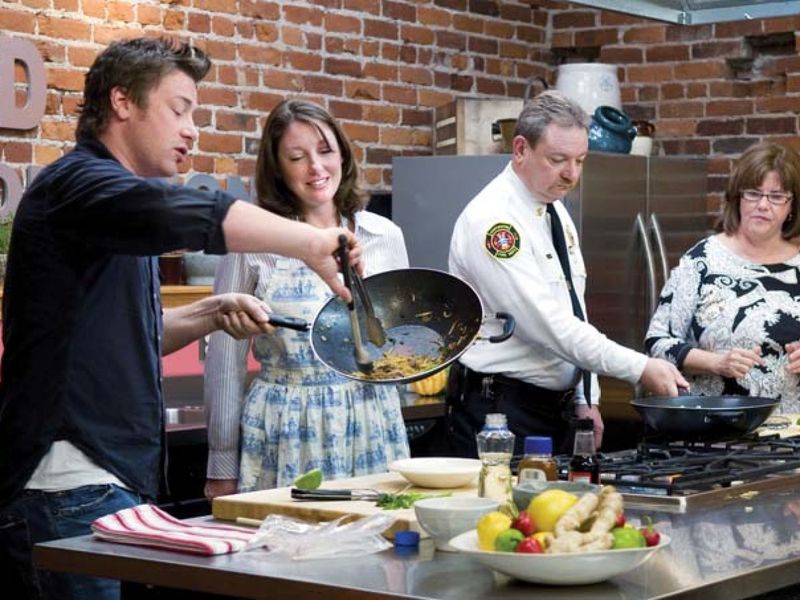
Jamie's revolution jumped the pond with his show 'Food Revolution' in Huntington, West Virginia – once labeled America's unhealthiest city. Though he faced fierce resistance (one radio DJ memorably said, "We don't want to eat lettuce all day"), change happened.
Michelle Obama's Let's Move campaign shared similar goals, and some American schools began their own food makeovers inspired by the British model.
Food Education Entered The Curriculum
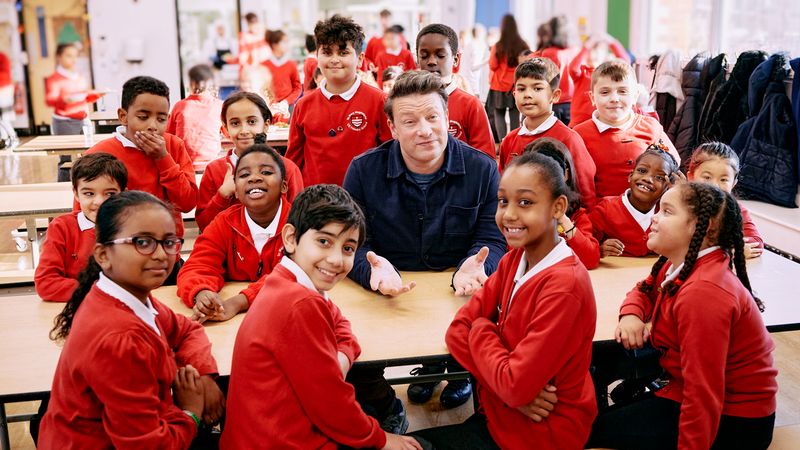
Before Jamie's campaign, many kids thought food education meant learning to reheat a ready meal. His advocacy helped push food and nutrition into the formal curriculum.
Schools started teaching about food sources, nutrition basics and cooking techniques as part of regular lessons. Children began understanding the journey from farm to fork, and how food choices affect their bodies and the planet.
A Generation Of Food-Conscious Kids
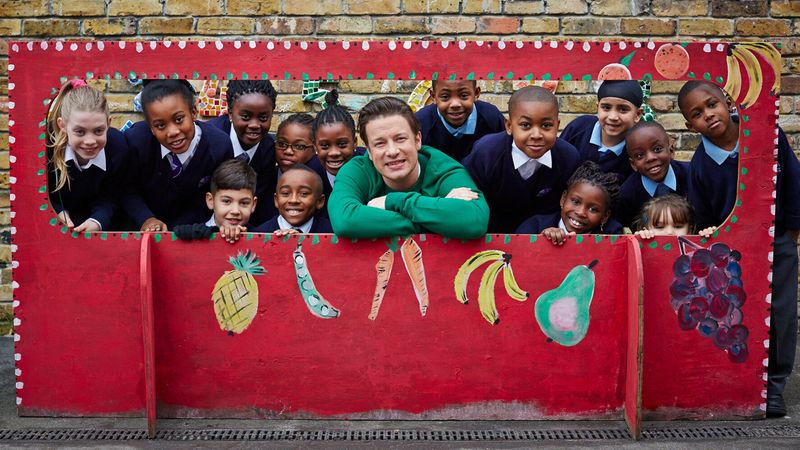
Perhaps the most lasting impact? Children who experienced the food revolution grew up with different attitudes toward eating. Kids who once couldn't identify a courgette became teenagers who understood nutrition labels.
These young people are now adults making their own food choices and feeding their own families. The ripple effects continue as this generation passes better habits to their children, creating lasting change across generations.
Garden Projects Flourished
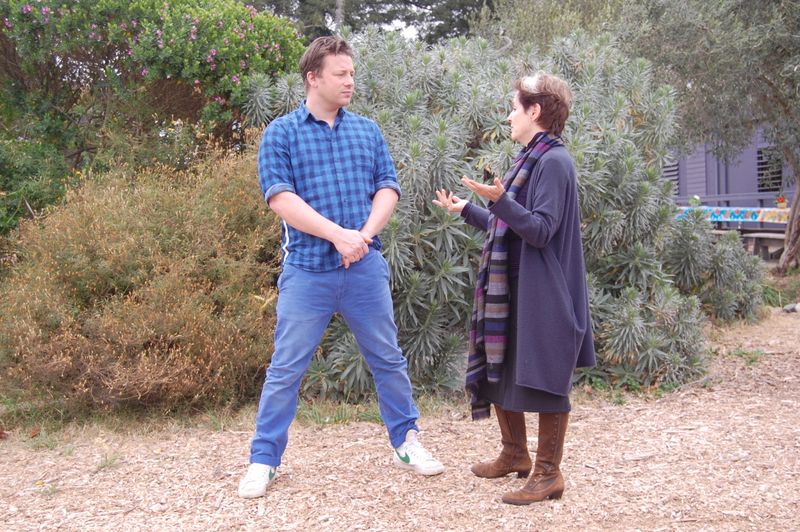
In many schools, a newfound enthusiasm for growing food emerged. School gardens sprouted up, teaching children the joy and responsibility of cultivating their own vegetables.
These gardens did more than beautify school grounds; they became outdoor classrooms. Students learned about agriculture and ecology firsthand.
Schools reported increased vegetable consumption among students participating in garden projects. The hands-on experience made them more likely to try new foods.
Community Partnerships Strengthened
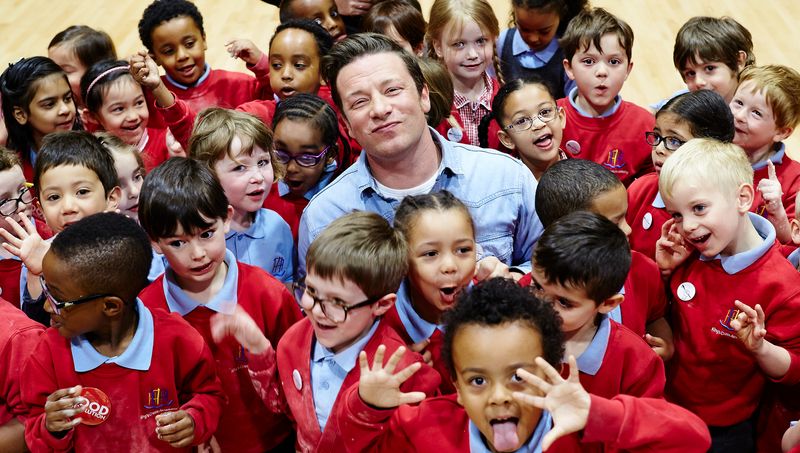
Jamie Oliver’s initiative inspired schools to engage with their communities. Local farms and businesses began partnering with schools to provide fresh, local produce.
These relationships built a support network. Communities rallied around their schools, fostering a spirit of collaboration and shared purpose.