









Few pub menus spark as much quiet debate as these two hearty favourites that look almost identical when they land on the table. It’s easy to mix them up at home too, especially when both promise comforting flavours and that familiar mash topping everyone loves.
A closer look reveals small but meaningful details that give each dish its own personality and place in British food culture. Once you spot them, choosing or cooking the right one becomes far more satisfying.
This content is provided for general interest and culinary information only. Traditions, recipes, and regional naming may vary.
The Key Ingredient That Sets Them Apart
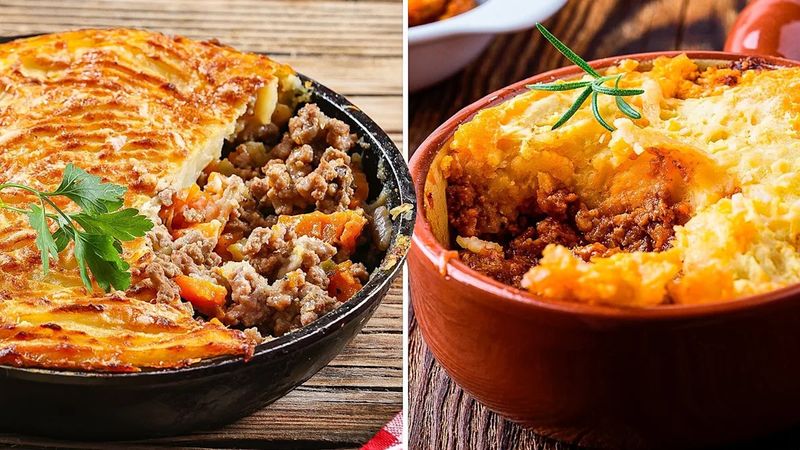
Meat is the star player that defines which pie you're actually eating. Cottage pie always contains beef mince, whilst shepherd's pie is made exclusively with lamb mince.
This fundamental difference is the golden rule that separates these two dishes.
The confusion often happens because both pies look remarkably similar when served. They share the same structure with a meat base topped with creamy mashed potato. However, the type of meat used is non-negotiable.
Next time someone serves you one of these pies, simply ask what meat is inside to know which delicious dish you're enjoying.
Why Cottage Pie Uses Beef And Shepherd's Pie Uses Lamb
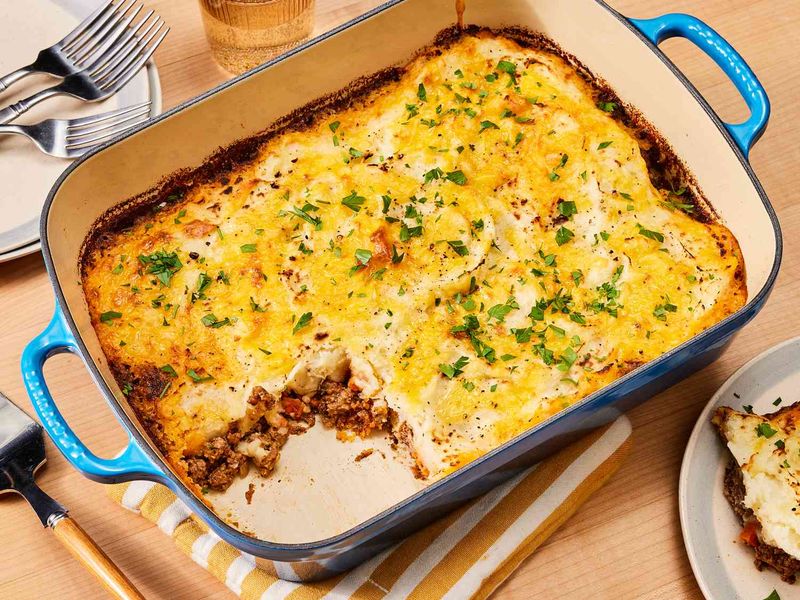
The names themselves reveal the history behind each dish. Shepherd's pie got its name because shepherds traditionally raised sheep, so lamb was the natural choice for their hearty meals.
It's a direct connection between the occupation and the ingredient.
Cottage pie, on the other hand, was named after the humble cottages where working-class families lived. Beef was more commonly available and affordable for these households during the 18th and 19th centuries.
Both pies were created as economical ways to use leftover meat, stretching ingredients to feed hungry families after a long day's work.
How The Topping Varies In Each Dish
Whilst both pies feature mashed potato on top, the preparation can differ slightly depending on the cook's preference. Some recipes call for a smooth, creamy topping, whilst others create texture with fork marks or peaks that crisp up beautifully in the oven.
Traditionally, butter and milk are mixed into the potatoes to create that fluffy, rich texture everyone loves. Cheese is sometimes added for extra flavour and a gorgeous golden crust.
The topping acts as a protective blanket, keeping the meat mixture moist whilst developing a delightful crispy surface during baking.
Historical Roots: The Origins Of Cottage And Shepherd's Pie
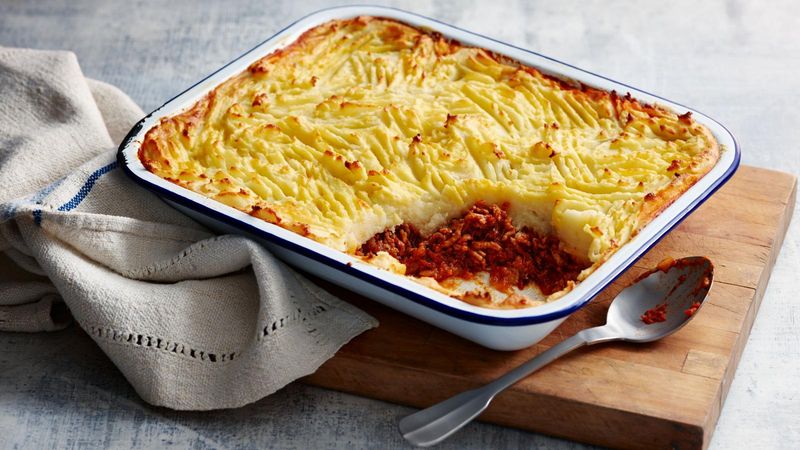
Both dishes emerged during tough economic times in Britain when wasting food simply wasn't an option. Cottage pie appeared first in the late 1700s, shortly after potatoes became widely available and affordable for the working class.
It was a clever way to transform leftover roast beef into something new.
Shepherd's pie followed a similar path, gaining popularity in Scotland and northern England where sheep farming dominated. These resourceful recipes allowed families to stretch their budgets without sacrificing taste or nutrition.
Today, both pies remain beloved comfort foods across Britain and beyond.
Cooking Methods: Are They Really That Different?
Preparing cottage pie and shepherd's pie follows nearly identical methods, which is why they're often confused. You start by browning the mince with onions, carrots, and sometimes peas or other vegetables.
Gravy or stock is added to create a rich, savoury sauce.
The meat mixture is then transferred to a baking dish and topped with mashed potato. Both pies are baked until the potato turns golden and crispy on top.
The only real difference in cooking is the initial browning time, as lamb may require slightly different handling than beef due to its higher fat content.
Flavour Profile And Seasoning Differences
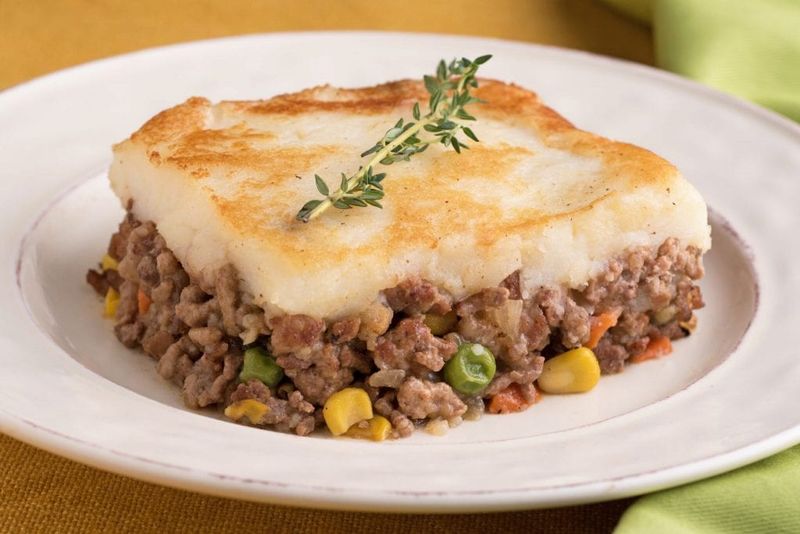
Although the structure looks the same, the flavour experience can feel quite different once you take the first forkful. Beef brings a deeper, savoury richness that pairs well with onions, carrots, and classic gravy-style seasonings.
Lamb has a naturally stronger, slightly earthy character that gives shepherd’s pie a more distinctive taste. Many cooks balance this with herbs such as rosemary or thyme to soften the richness and add warmth.
Both versions rely on gentle seasoning rather than bold spices, keeping the comfort-food appeal front and centre. The result is two familiar dishes that quietly offer very different flavour personalities on the plate.
How Portion Style And Serving Occasions Can Differ
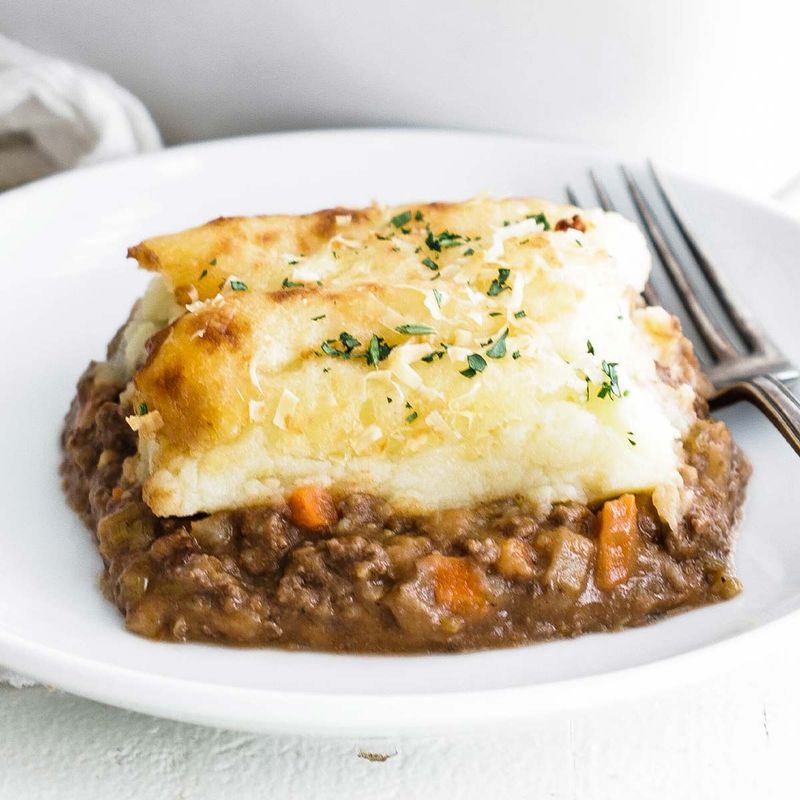
Both pies are comforting enough for everyday dinners, yet they often show up in slightly different settings.
Cottage pie commonly appears as a family staple during the week because beef tends to be widely available and easy to portion.
Shepherd’s pie sometimes feels a touch more celebratory or seasonal, especially when lamb features more prominently on menus. In pubs and cafés, the choice can reflect what meat is freshest or most popular locally.
At home, portion size often depends on whether the pie is feeding a crowd or serving as cosy leftovers for the next day. No matter the occasion, both dishes deliver that familiar sense of warmth and satisfaction that keeps them firmly rooted in British kitchens.