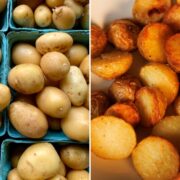











There’s something genuinely satisfying about knowing where your food comes from and who’s behind it. Buying from local farmers and producers doesn’t just mean fresher, better-tasting food - it helps build stronger communities and supports the people who care about quality over quantity. Once you see how much difference a local choice can make, it’s hard to go back to the supermarket shelf.
This article is for general informational purposes only. Availability and practices may vary depending on region. Always check local markets or producers for accurate information about sourcing and sustainability.
Fresher And More Nutritious Food

Food from nearby farms reaches your table within hours or days rather than weeks. This means fruits and vegetables retain more vitamins and minerals because they're picked at peak ripeness.
Supermarket produce often travels thousands of miles, losing nutritional value along the way. Local food simply tastes better and does more for your body, giving you the freshest possible ingredients for every meal.
Boosts The Local Economy
When you buy food from nearby producers, more of your money tends to stay within the community rather than flowing to large national chains. This helps support local jobs, family-run farms, and small independent shops that give neighbourhoods their character.
Buying locally can also strengthen regional economies over time by encouraging small business growth and collaboration. Every purchase becomes a small but meaningful investment in the place you call home.
Reduces Environmental Impact
Transportation accounts for massive carbon emissions in our food system. Buying locally grown food dramatically cuts down on fuel consumption and pollution from lorries, ships, and aeroplanes.
Small farms typically use fewer pesticides and chemicals than industrial operations. Shorter supply chains mean less packaging waste too, making your shopping choices genuinely better for the environment with every purchase you make.
Builds Stronger Community Connections
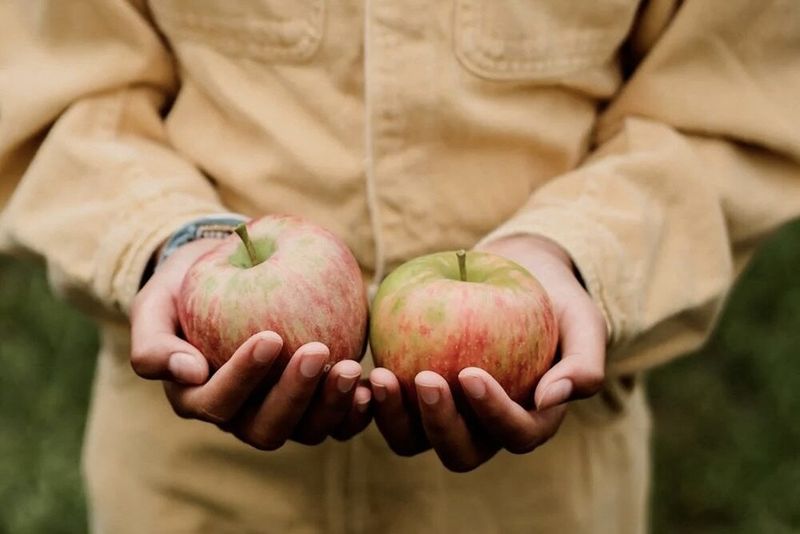
Meeting the people who grow your food creates meaningful relationships you simply can't get at supermarkets. Farmers love sharing recipes, growing tips, and stories about their land.
These connections foster trust and belonging within your neighbourhood. Children learn where food actually comes from, and families develop lasting friendships with producers who genuinely care about what they're selling to you.
Supports Fair Wages And Working Conditions
Large food corporations often exploit workers with low pay and poor conditions. Local producers typically treat employees with respect, offering fair compensation and reasonable hours.
When you buy directly from farmers, more money goes straight to the people doing the hard work. This ensures agricultural workers can afford decent living standards whilst maintaining the dignity they absolutely deserve for their labour.
Preserves Regional Food Traditions
Heritage varieties and traditional recipes risk disappearing when industrial farming dominates. Local producers keep rare breeds and heirloom crops alive, protecting culinary history for future generations.
Your grandmother's favourite apple variety or that special local cheese exists because small farms maintain these treasures. Supporting them means preserving the unique flavours and food stories that make your region special and distinctive.
Encourages Sustainable Farming Practices
Many local farmers choose to use thoughtful, eco-conscious methods that work with nature rather than against it. Techniques like crop rotation, composting, and reduced chemical use can help maintain healthy soil and protect local wildlife.
Not every small farm operates sustainably, but supporting producers who prioritise these values encourages more responsible farming overall. It’s one of the most practical ways consumers can help protect the countryside for future generations.
Promotes Seasonal Eating

Local farms sell what's actually growing right now, reconnecting you with natural food cycles. Strawberries in June taste infinitely better than imported ones in January, and your body benefits from this variety.
Seasonal eating offers better nutrition, lower costs, and exciting menu changes throughout the year. You'll discover forgotten vegetables and anticipate favourite harvests, making meals more interesting and genuinely satisfying always.