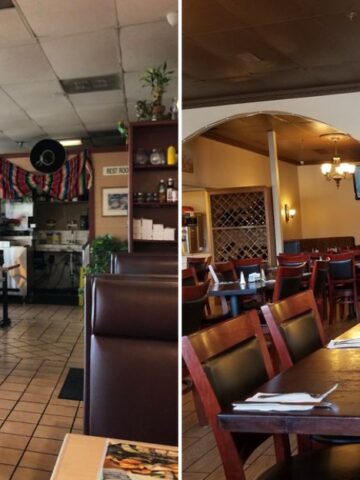











Few things can turn a fun night out into mild tension faster than the moment the bill arrives. Suddenly, everyone’s doing mental maths, pretending not to care, while quietly wondering if they’re paying too much. It’s awkward, universal, and surprisingly psychological - because splitting the bill is about more than just money.
This article is for general informational and entertainment purposes only. Social habits and attitudes may vary by culture and situation. Photos are for illustrative purposes only.
The Hidden Social Rules Around Money And Friendship
Unspoken expectations govern how friends should handle money together, yet nobody actually teaches us these rules. Some believe close mates should take turns paying, whilst others insist on splitting everything precisely.
Confusion arises when your internal rulebook differs from your friend's, creating tension neither person understands. These invisible guidelines vary by relationship closeness, income differences, and personal upbringing, making every bill-splitting situation a potential minefield of mismatched assumptions.
Why Splitting The Bill Triggers So Much Anxiety

Money represents more than just numbers on paper. It connects deeply to our self-worth, status, and how we think others perceive us.
When the bill arrives, our brains quickly calculate whether we're paying fairly whilst worrying about seeming cheap or overly generous. This mental juggling act creates genuine stress because we're simultaneously doing maths and managing social impressions, which exhausts our cognitive resources and leaves us feeling drained.
How Fairness Plays Tricks On Your Brain
Your brain constantly monitors whether you're getting a fair deal, even in friendly situations. Research shows people remember when they've paid more than their share, creating resentment over time.
Interestingly, we rarely notice when we've underpaid. This cognitive bias means everyone at the table might genuinely believe they're contributing more than others, leading to silent frustration. Our fairness radar works overtime during bill-splitting, making small differences feel like major injustices.
Why People Hate Talking About Money At The Table

Discussing finances feels more private than talking about relationships or health for many people. Cultural taboos around money run deep, making us feel exposed when numbers get mentioned aloud.
Bringing up who owes what can seem accusatory, even when you're simply trying to be accurate. Nobody wants to appear obsessed with pennies or financially struggling, so we often stay silent and hope someone else takes charge, creating that familiar uncomfortable pause everyone dreads.
The Guilt Factor Behind Paying More Or Less
Ordering the most expensive dish whilst everyone else chose budget options creates guilt that lingers long after the meal. Similarly, watching a friend overpay for your portion triggers uncomfortable feelings of obligation.
These emotions stem from our deep need for reciprocity in relationships. We instinctively track social debts, and unequal bill-splitting disrupts that balance. The guilt operates both ways, making it impossible to feel completely comfortable whether you're underpaying or overpaying.
Digital Payments Have Changed The Etiquette
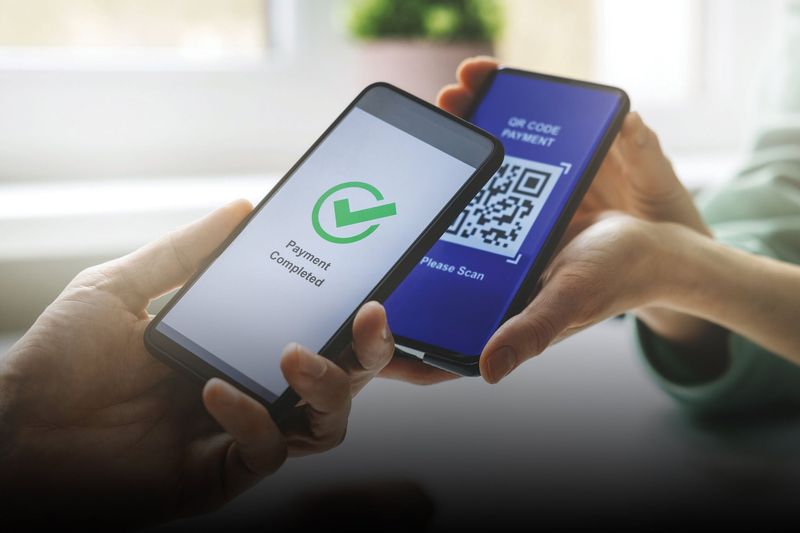
Apps like Venmo and PayPal transformed bill-splitting from fuzzy estimates to precise calculations down to the penny. Whilst this seems helpful, it actually introduces new social complications.
Requesting exact amounts can feel petty, yet rounding up seems overly generous. Digital records create permanent evidence of who paid what, removing the forgiving vagueness cash once provided. Technology solved the maths problem but amplified the social awkwardness by making every transaction visible and permanent.
Cultural Differences In How We Share Costs
Different cultures approach shared meals with vastly different expectations. In some societies, the person who suggested the outing always pays, whilst others automatically split everything equally.
Age, gender, and social hierarchy also influence payment expectations across cultures. What feels polite in one context might seem rude elsewhere, making multicultural dining particularly tricky. Understanding these variations helps explain why your international friends might react differently when the bill arrives, creating unexpected moments of confusion.
How To Make Bill-Splitting Less Awkward Next Time
Decide payment arrangements before ordering to eliminate end-of-meal tension. Simply saying "shall we split evenly?" upfront sets clear expectations everyone can agree to.
Alternatively, take turns treating each other for smaller gatherings, which balances out over time without tedious calculations. For larger groups, designate one person to handle payment and collect contributions afterwards. Clear communication always beats awkward silence, and most people feel relieved when someone addresses the elephant in the room directly.